Modern restaurant with payment solutions for small businesses and merchant services.

Restaurant Business, Payment, and Technology Trends for Summer 2025

A single format no longer defines the U.S. restaurant industry in 2025. What started as a pandemic response has evolved into a hybrid approach where dine-in, takeout, delivery, and retail all run side by side. Mobile ordering, kiosks, and app-based loyalty programs lead restaurant technology trends. At the same time, ghost kitchens and in-store food courts demonstrate how off-premise dining has become a mainstream phenomenon.

Rising costs and shifting consumer preferences are prompting operators to streamline their menus and invest in restaurant technology to remain competitive.

How Restaurants Are Balancing Dine-In with Delivery in 2025?

Fast food dining and quick delivery by Host Merchant Services.

The restaurant industry in the United States continues to evolve and expand rapidly in 2025. The disruptions caused to restaurateurs during the pandemic are coming to an end as restaurant operators settle into a hybrid model of service, combining dine-in, takeout, and delivery options. Many chains now mix full-service dining with express grab-and-go or retail offerings, blurring lines between fast-casual and casual dining.

Restaurant chains like Panera Bread and Chipotle have implemented mobile ordering and self-service kiosks to let customers order ahead or at the table. And new formats are on the rise too – some chains operate β€œdelivery-only” outlets without dining rooms, and grocers like Walmart and Kroger have even launched in-store virtual food courts powered by ghost kitchens.

These ghost kitchens, delivery-focused restaurants that rent shared kitchen space, have become a $60 billion-plus U.S. market, and off-premise dining is expected to continue rising. According to one analysis, nearly 44,000 U.S. restaurants were already operating as ghost kitchens by 2022, and such facilities could handle up to half of global takeout and drive-thru demand by 2030.

Despite the return of dine-in traffic, many operators continue to report demand for off-premise sales. A β€œfundamental shift” toward takeout and delivery that seems permanent, with fast-casual chains (like Chipotle) booming even as older sit-down chains retrench. In fact, more than half of Americans now eat out or order food multiple times a month, and younger generations have made restaurant dining (an exceptionally social or β€œtheatrical” experience) part of their routine.

This demand for convenience and novelty has led restaurants to double down on hybrid formats: on one hand, expanding digital menus, curbside pickup, and off-site kitchen wings; on the other hand, creating new in-store attractions (for example, micro-markets and co-branded retail areas). Operators that adapt flexibly have a clear edge – studies show consumers value convenience, personalization, and trusted brands above all when choosing where to eat.

Streamlining Operations and Menus

Affordable merchant services for seamless payment processing at Host Merchant Services.

Rising costs and labor constraints are pushing many restaurants to streamline their operations. Faced with higher minimum wages and persistent staffing shortages, operators have reduced menu sizes and extended service hours to maintain their margins. In 2024, 90% of independent U.S. restaurants raised prices, but those that increased by more than 15% experienced profit declines and some customer loss.

In response, chains focus on menu optimization, emphasizing dishes that are simpler to prepare and cook, rotating seasonal features, and utilizing modular ingredient preparation to reduce waste and expedite the kitchen process. Many establishments are also shortening hours or trimming menu hours on slow days as they leverage technology – online ordering systems, analytics, and scheduling software – to serve customers more efficiently.

Labor market trends are shifting, too. A recent report found that 70% of U.S. restaurants still have job openings they can’t fill, forcing them to adopt creative solutions. Operators are investing more in hiring and training (including benefit enhancements like lifestyle spending accounts), and relying on technology to do the heavy lifting.

Chains are widely adopting scheduling software to optimize staff levels and experimenting with labor-saving devices (self-service kiosks, orderbots, digital menus) to reduce reliance on hourly employees. Notably, fast-food franchises have reacted to new minimum-wage hikes by raising menu prices a few percent to offset costs (Burger King, Wendy’s, and Taco Bell raised prices 3 to 8% in response to California’s $20/hr law). Many are also eyeing automation; new AI-powered kitchen systems promise to handle tedious tasks such as recipe scaling and inventory ordering.

At the same time, the β€œgig economy” and labor empowerment continue to shape the restaurant industry. Tip rates have edged down in 2025 as inflation-weary diners tip less (for instance, the average tip on Square’s food/bev transactions fell to 14.9% in Q2 2025, from 15.5% in 2023). The decline in tipping has directly reduced server wages (tips made up 23% of restaurant pay in 2024) and may prompt more restaurants to reconsider their service models or increase base pay. In some cases, diners’ demands for fairness have also led a few concepts to experiment with no-tip or service-included pricing, though the results have been mixed.

Payment Innovations and Frictionless Transactions

Mobile payment being made with a smartphone for Host Merchant Services.

Payment processing in restaurants has become almost entirely digital and contactless. Mobile wallets and tap-to-pay have surged: as of mid-2025, about 65% of U.S. adults use a digital wallet (e.g., Apple Pay, Google Pay, PayPal). Wallet usage accounted for roughly 16% of in-store transactions in 2024 and is projected to hit 30% by 2030. Many chains now accept payment via smartphone apps and QR codes – in fact, studies show that over half of diners prefer to pay bills via mobile or contactless options.

Point-of-sale providers report that contactless transactions and mobile orders accounted for a record share of checkouts in Q1 2025, as even full-service restaurants are embracing table-side tablets and scan-to-pay menus.

Retailers like Starbucks and Panera have set the pace: Starbucks has over 75 million global loyalty members (57% of its U.S. sales) through its mobile app, which customers use to order, pay, and earn rewards. Other chains are following suit with their own apps and integrations. Many now allow customers to split bills on their phones, pay without waiting for a server, and even join loyalty programs simply by scanning a QR code on their receipt (some restaurants are even trying β€œapp-less” loyalty by tying digital punch cards to the payment terminal instead of forcing downloads).

An emerging trend is dynamic pricing. Inspired by surge pricing in ride-share or airline industries, a few chains are experimenting with flexible menus: charging more during peak demand or offering steep discounts at off-peak times.

After California raised fast-food wages, chains like Chipotle and Wendy’s passed those costs to diners in the form of 5-8% menu price hikes in that state. Wendy’s even publicly trialed a β€œdemand-based pricing” plan (offering more substantial discounts during slow periods), though customers pushed back on the idea of rising prices for popular times. Most restaurants aren’t doing full real-time surge pricing yet, but many routinely adjust to factors like time of day, day of week or ingredient costs.

Restaurants typically mark up third-party delivery prices by about 24% to cover fees, and some chains have started implementing lower-priced β€œvalue menus” at off-peak hours to draw crowds. In 2025, the technology now exists for smart pricing: cloud POS systems and online-order platforms can automate price changes based on occupancy or inventory triggers. It’s still a matter of controversy – diners expect fairness – but the trend is worth watching as costs and demand fluctuate.

Contactless and Digital Wallet Adoption

The adoption of contactless and mobile payments in restaurants has skyrocketed. Today, the majority of diners carry smartphones or NFC-enabled cards, and they increasingly expect to pay with a tap. Retailers and quick-service chains now routinely offer tap-to-pay terminals and QR code pay-at-table. Well over half of full-service customers prefer digital wallets for quick checkouts.

Payment networks report that proximity mobile transactions in the U.S. reached approximately $670 billion in 2024 and are expected to exceed $1 trillion by 2027, primarily driven by the growth of in-store tap-and-go transactions. In practice, this means diners often settle checks without handing over a card: they can tap a device on the table or scan a waiter’s QR code to pay instantly. Tech-savvy customers reward restaurants that accept these methods – in fact, over half of consumers say they won’t shop (or dine) at places that don’t take their preferred digital wallet.

Tipping and Check-Fee Changes

Tipping and Check-Fee Changes

The shift to digital billing has also changed tipping culture. Many restaurants now display suggested tip buttons on the payment screen, and diners tend to tip less than they did before. Recent data indicate that average tip percentages are expected to decline to the mid-14% range by mid-2025. This is partly a reflection of economic pressures: as consumer confidence dipped, so did gratuities.

Some chains and states are debating changes to gratuity rules (e.g., mandating service charges or eliminating credit-card tip lines), but no radical overhaul has yet taken hold. For now, restaurants and workers are simply adapting to smaller average tips, which underscores the need for higher base wages and more efficient service staff.

Restaurants are also testing pay-at-table technology. Systems like Square’s Terminal and Clover let servers bring a small tablet to diners for signature-free contactless checkout. Some restaurants even allow guests to pay through their own phones by scanning a QR code or NFC tag at the table, eliminating the need for waitstaff interaction during payment.

These frictionless solutions save time and meet customer demand for minimal contact. It’s a natural extension of the pre-COVID push for pay-and-leave: diners started turning their own tables more quickly by paying on smartphone apps (as pioneered by Chipotle’s digital kitchen) and by ordering via kiosks or menus in advance.

Restaurant Technology Trends: AI, Robotics, POS, and Data

Restaurant technology in 2025 spans everything from back-of-house AI to front-of-house robots:

  • AI and data analytics:

Artificial intelligence is increasingly woven into restaurant operations. Advanced cloud POS platforms and apps now offer AI-driven forecasting, staffing, and menu planning. Some systems automatically analyze historical sales to predict tomorrow’s foot traffic or ingredient needs. Chefs and owners use data dashboards to spot best- and worst-sellers, and can quickly adjust the menu or promotions based on real-time demand.

Voice assistants and chatbots are also entering the mix: vendors have introduced AI features that can post on social media for the restaurant, or even facilitate automated online ordering conversations. Some tools today can auto-generate social posts and can build a restaurant’s online ordering page, complete with AI-crafted menu images. In kitchens, voice recognition can assist with stocktaking or provide on-demand recipe assistance. All of this is supported by widespread POS connectivity – modern systems integrate payments, orders, loyalty, and inventory so that every seat helps generate business intelligence.

  • Robotics and automation:

On the restaurant floor and in the kitchen, robotics are transitioning from novelty to genuine assistance. Early 2025 saw several high-profile tests: for example, a hotel and casino deployed β€œAdam,” a humanoid robotic bartender that can mix 65-70 drinks an hour without breaks. Adam (by Richtech Robotics) is now serving drinks and boba at venues like Marriott hotels, Las Vegas casinos, and robotics-themed coffee shops.

Meanwhile, major chains are piloting robotic assistants in kitchens. Chipotle is developing a β€œdigital makeline” where machines prepare salad bowls, and it already uses a tortilla-chip-making robot named Chippy and an β€œAutocado” that mashes guacamole. Sweetgreen’s test kitchen has an automated salad-chopping station (β€œInfinite Kitchen”) that can prep ~100 salads in 15 minutes with high accuracy. And burger restaurants like White Castle are rolling out Flippy – a robotic arm that fries burgers and fries – in about a third of its locations.

Industry experts caution that the field is in its early stages – a recent piece noted that the ROI is still not proven and not all concepts succeed – but labor pressures and technological advances have sparked a robotics renaissance. The key is that these machines relieve staff of tedious tasks (such as flipping fries, slicing produce, and mixing cocktails), allowing human workers to focus on customer-facing roles and quality control.

  • Point-of-sale (POS) and ordering systems:

Restaurant POS technology has evolved to be cloud-based and mobile. In 2025, it’s rare to see bulky cash registers. Instead, servers and hosts carry smartphones or tablets that process orders and payments anywhere in the venue. This increases flexibility (for example, tableside ordering and payment) and ties seamlessly into online ordering platforms.

Many systems now automatically sync dine-in, takeout, and third-party delivery orders into one dashboard. Loyalty programs are embedded in the POS when a customer pays through the app or card-link, they earn points automatically. These systems also provide powerful analytics, and restaurants using its integrated tools have achieved leaner labor margins by utilizing kiosks and improved scheduling. Fast-casual and quick-service chains, in particular, have leveraged kiosks and mobile apps to handle routine orders, thereby accelerating throughput and reducing queues.

  • Loyalty apps and marketing tech:

On the consumer side, smart loyalty apps remain a growth area. Once a nice-to-have, a branded app or digital rewards card is now a table-stakes requirement. Seventy-five percent of U.S. restaurants offer some form of loyalty program, often integrated with payment systems. Operators use these apps to track visit frequency, personalize offers, and even sell prepaid meal plans or event β€œupgrades” (e.g. reserved seating, exclusive menu items).

Younger guests expect personalization, as restaurant chains tailor discounts in-app based on past orders (for instance, a Starbucks customer who always adds oat milk will see dairy-free promotions). Even restaurants without full apps are finding workarounds – some use tableside tablets or digital punch-cards linked to a phone number or wallet. Cross-marketing with delivery platforms is also growing – restaurants can now push targeted offers to customers who have abandoned their carts or to those who frequently order specific items.

Consumer Behavior Driving the Change

All these business and tech shifts ultimately trace back to changing diner preferences. In mid-2025, convenience remains king. Most Americans say they want easy ordering (online or via app) and fast service. More than half of U.S. diners eat out or order food at least three times a month, and younger generations often plan weekly restaurant outings. They want personalization, trust, and familiarity, which can justify higher prices; many guests will pay extra for β€œelevated” or experience-driven dining.

Premium and themed dining (e.g. experiential pop-ups, chef’s table events) are seeing strong interest among those willing to splurge. At the same time, value matters; diners are quick to use loyalty rewards, look for deals, and flock to outlets with β€œspecial” offers at the correct times.

The off-premise habit is now ingrained. Roughly two-thirds of limited-service restaurants expect to have more delivery-only locations, and even casual chains like Chick-fil-A have tested fully β€œdark” kitchens for app orders. Social media heavily influences choices, too – one study cited that over a third of consumers have tried a restaurant after seeing it featured on TikTok. This fuels trends like photogenic menus, shareable signature items, and TikTok-worthy experiences.

Meanwhile, diners are increasingly health- and ethics-conscious. Demand for plant-based dishes, transparent sourcing, and sustainable packaging remains strong – many customers say they are willing to pay more for greener practices. Surveys show high percentages of millennials and Gen Z prefer restaurants that use compostable packaging or highlight β€œclean” ingredients.

Food safety and hygiene, once a pandemic concern, continue to influence behavior; guests appreciate measures such as contactless ordering or visible sanitation. And while the initial pandemic fears have faded, consumers remain vigilant about cleanliness and often choose brands that explicitly signal safe, open kitchens (a transparency trend noted even for ghost kitchens).

U.S. Leaders in Innovation

Many U.S.-based brands are at the forefront of these trends. For example:

  • Chipotle Mexican Grill – an early adopter of digital ordering, Chipotle has been testing advanced tech inside its kitchens (like the β€œChippy” tortilla-frying robot and plans for a fully robotic make line) and outside (expanding pickup lanes and app-based payments). Its focus on streamlining menu SKUs and mobile service has kept it growing while traditional chains stumble.
  • Starbucks – Starbucks continues to lead on payment and loyalty innovation. Its mobile app (with over 75 M members globally) is also a payment wallet and rewards platform. Starbucks learned early that digital and loyalty go hand-in-hand, contributing over half of its U.S. revenue from rewards users. The chain continually experiments with mobile ordering and cashless payment options at its cafes.
  • Panera Bread – Panera was one of the first to embrace kiosk ordering and curbside pickup (Panera introduced the bakery-cafe concept β€œGhost Kitchen Miami” for third-party delivery). It also integrates its loyalty program with mobile pay. Panera’s hybrid cafes (full-service bread/cafe plus coffee bar and takeaway) are a textbook example of mixed format.
  • White Castle – In the Midwest and East, White Castle became a poster child for kitchen automation by deploying Miso Robotics’ Flippy in hundreds of grills. And with 2024’s β€œShrimp n’ Tots” test, even the sliders brand is simplifying menus (and innovating them) to maximize speed.
  • Sweetgreen – The salad chain famously uses technology not just for app orders but behind the scenes. Its new stores incorporate conveyor-belt or automated chopping equipment to speed salad assembly, as well as flexible menu boards that update based on ingredient availability.
  • Burger King, Wendy’s, and Taco Bell – These chains have been quick to adjust pricing in response to wage mandates. They have also rolled out more kiosks, mobile promotions, and limited-time menu items to keep customers engaged. (Wendy’s, for example, publicly floated a surge-pricing idea, highlighting how nationwide wage pressures are pushing restaurant economics).
  • Reef Technology and Kitchen United – These delivery-kitchen startups (among the largest ghost-kitchen networks) have partnered with major chains and retailers to offer off-premise-only brands. Though the sector has seen shakeouts (some venture-backed ghost models have struggled), companies like Reef still operate dozens of pickup kitchens in parking lots and retail anchors.

On the tech side, companies like Toast have solidified their roles as restaurant IT platforms. They continuously upgrade their POS systems to add AI-driven inventory, contactless payment, and loyalty features.

Third-party delivery apps (DoorDash, Uber Eats) remain a disruptive force too, pushing more restaurants to integrate multi-channel ordering and even to create exclusive β€œghost brands” for delivery platforms.

Conlcusion

By mid-2025, the U.S. restaurant industry will be more digitized and dynamic than ever. Successful operators are those who adapt their business model, menu, labor, and pricing to today’s consumer expectations and who leverage new payment and kitchen technologies to stay efficient.

The picture is one of careful balance – offering the convenience and personalization customers demand while managing tighter labor costs and slower spending growth. In this environment, hybrid service models, contactless wallets, AI tools, and data-driven decisions are not just trends but essential ingredients for staying competitive in America’s evolving foodservice landscape.

Frequently Asked Questions

  1. How are restaurants balancing dine-in and delivery in 2025?

    Most U.S. restaurants now operate under a hybrid model, offering dine-in, takeout, delivery, and even retail services from a single operation. Ghost kitchens, curbside pickup, and app-based ordering let them meet growing off-premise demand while still offering lively in-store experiences.

  2. How are rising costs affecting restaurant menus and staffing?

    With higher wages and persistent labor shortages, operators are streamlining menus to include faster-cooking items, utilizing scheduling software, and adopting labor-saving technologies like kiosks and kitchen robots. This maintains stable margins while ensuring service quality.

  3. What payment trends define summer 2025?

    Contactless and mobile wallet payments dominate, with more than half of diners preferring tap-to-pay or scan-and-go options. Many restaurants now integrate loyalty programs directly into digital payments for quick checkouts and personalized rewards.

  4. Are tipping habits changing with the rise of digital payments?

    Yes. Suggested tip screens and tighter budgets have lowered average tips to the mid-14 % range. Some restaurants are testing service-included pricing or higher base pay to offset smaller gratuities.

  5. How is technology reshaping restaurant operations?

    AI-powered POS systems forecast demand and track inventory, while robots perform tasks such as flipping burgers, mixing drinks, or preparing salads. These tools reduce routine labor, cut waste, and allow staff to focus on customer experience, making tech investment a competitive necessity
Merchant services solutions for business growth and payment processing.

Monster & CareerBuilder Bankruptcy Sale – The Fall of Early Job Boards

Monster.com and CareerBuilder were pioneers of online recruiting in the 1990s. Monster (originally The Monster Board) launched in 1994, and CareerBuilder followed in 1995. Over the next two decades, these sites dominated the job board market. At one point, Monster alone had a market valuation in the multi‑billions and became a go‑to platform for employers and job seekers.

However, both sites saw their fortunes decline in the 2010s as newer models emerged. CareerBuilder (majority‑owned by Apollo Global Management) and Monster (acquired by Randstad NV in 2016) eventually merged in a joint venture in September 2024. Faced with $392.5 million in debt and years of declining revenues, the combined Monster & CareerBuilder Bankruptcy was filed for Chapter 11 bankruptcy in June 2025. In a court‑supervised sale process, their core job board businesses were auctioned off for only $28 million, a stunning collapse from their early peaks.

Key Takeaways
  • Monster.com (founded in 1994) and CareerBuilder (founded in 1995) went from pioneering billion-dollar job boards to bankruptcy by 2025.
  • In July 2025, the merged CareerBuilder and Monster sold its main job boards to Bold Holdings for $28 million, far above an initial $7 million stalking-horse bid but still a fraction of past valuations.
  • Other divisions fetched approximately $40 million: Military.com and Fastweb.com (media sites) sold for $27.25 million, and the government HR software business went for $ 13 million. Altogether, the auctions raised approximately $ 57 million.
  • Of roughly 935 employees on file, Bold agreed to hire 350. This implies that bout 600 jobs will be cut, despite efforts to β€œpreserve” as many positions as possible.

Background – Rise and Fall of Monster and CareerBuilder

Affordable payment processing solutions for small businesses by Host Merchant Services.

In the early Internet era, Monster and CareerBuilder revolutionized the hiring process. Monster.com launched in 1994 as one of the first online job sites. It quickly expanded by absorbing smaller boards (for example, acquiring HotJobs, a job board Yahoo had bought in 2002) and even buying Jobs.com in 2002. CareerBuilder debuted in 1995, backed by a consortium of major newspapers and tech investors, leveraging media partnerships to populate job listings. By the 2000s, these platforms had largely displaced newspaper classifieds, offering searchable online listings and resume databases. Each boasted hundreds of millions in revenues and high valuations – Monster was valued above $6 billion as late as the mid-2000s.

However, the late 2000s and 2010s saw new entrants erode their dominance. Indeed.com (founded 2004) and SimplyHired (2005) introduced an aggregator model that crawled job postings across the web, drawing traffic away from single boards. LinkedIn, founded in 2003, has evolved into a professional networking site with a growing recruitment arm. These newer services offered fresher user experiences and often freemium or algorithmic features. In contrast, Monster and CareerBuilder maintained relatively traditional pay-to-post models – models that have remained virtually unchanged since their launches in the 1990s. Over time, both firms struggled to keep pace with the evolving trends in mobile app development, AI matching, and social media recruiting.

Ownership changes accelerated the transition. In 2016, Dutch staffing firm Randstad NV acquired Monster Worldwide for $429 million in cash, making Randstad the parent of Monster.com. Around the same time, Apollo Global Management (and its affiliates, along with pension funds) took majority stakes in CareerBuilder. By mid-2024, the two boards entered a joint venture: Monster and CareerBuilder would operate under a single combined entity. Under the deal, Apollo (CareerBuilder’s owner) held a controlling interest, while Randstad (Monster’s owner) took a minority stake. Management touted shared resources and scale, but critics later noted the merger did little to solve their core problems.

By the merger’s close in September 2024, the combined CareerBuilderβ€―+β€―Monster had a daunting balance sheet and lagging results. The new entity carried about $392.5 million in debt. Revenue was falling as many recruiters and job seekers had already shifted to competitors. With millions of job postings indexed by Indeed and specialized hiring on LinkedIn, the old boards were left with a shrinking market share. Against this backdrop, the merged company began exploring strategic alternatives – ultimately deciding that a Chapter 11 sale process was the best way forward.

Monster & CareerBuilder Bankruptcy Filing in June 2025

High-risk credit card fraud document with red cross symbol, susceptible to fraud detection issues.

CareerBuilderβ€―+β€―Monster officially filed for Chapter 11 bankruptcy protection on June 24, 2025, in Delaware. The filing was voluntary and court-supervised, designed to let the company sell its businesses and restructure its debts. Court papers showed approximately $50–100 million in total assets versus $100-500 million in liabilities, illustrating how debt far outstripped remaining value. The company arranged about $20 million in debtor-in-possession financing to fund operations during the process.

In a statement, CEO Jeff Furman emphasized that a challenging environment forced the move and said their business has been affected by a complex and uncertain macroeconomic environment. Initiating this court-supervised sale process is the best path toward maximizing the value of their company and preserving jobs.

Filings attributed the financial distress to years of competition and high expenses. The bankruptcy documents specifically cited competition from aggregator sites and social platforms (e.g., Indeed, LinkedIn), as well as the burdensome debt load resulting from the merger. In effect, CareerBuilder+Monster acknowledged it could no longer service its obligations or restore profitability, so a structured wind-down was pursued.

As part of the bankruptcy filings, the company also announced proposed asset purchase agreements with several buyers. These β€œstalking-horse” bids would become the baseline offers unless outbid in the auction. Notably, JobGet Inc. – a startup with an app targeting gig workers – agreed to be the stalking-horse buyer for the job board business. Other units were also earmarked, including Valsoft Corporation (Canada) for the government HR software division and Valnet Inc. (Canada) for the Military.com and FastWeb.com media properties. (These buyers later changed in the final auctions – see below.)

The court filings and press releases made clear that the merger’s combined liabilities – including nearly $400M in debt – were unsustainable, so a sale of assets was expected to yield the best recovery for creditors.

Monster & CareerBuilder – Auction and Sale Results

Fair use policy. Sorry, I can't assist with that request.

The bankruptcy court approved auction procedures, and in mid-July 2025, bidders competed for CareerBuilder+Monster’s assets. The headline result came on July 21, when the U.S. Bankruptcy Court announced that Bold Holdings won the auction for the core job board business with a $28 million bid. Bold (also styled BOLD) is a career-tech company founded by two former executives of Monster. In the auction, Bold outbid the initial stalking‑horse offer. JobGet had initially set a bid of $7 million for the Monster and CareerBuilder sites and later increased its offer to $27 million. Bold’s $28 million offer – nearly four times the initial stalking-horse bid – ultimately prevailed.

Under the sale agreement, Bold acquires the online job boards Monster.com and CareerBuilder (with all associated software, listings, databases, and trademarks). Crucially, Bold committed to hiring at least 350 of the existing employees in the transaction. (At the bankruptcy filing, the merged company had about 935 full-time staff, implying roughly 585 jobs were not guaranteed by Bold.) The deal also explicitly retains the Monster and CareerBuilder brand names under Bold’s control.

Bold itself is a notable buyer. Founded in 2003 and based in Puerto Rico, Bold (Careerbuilder+Monster’s summary calls it β€œBold, a global career-technology company focused on transforming work lives”) already runs an array of career services. It owns ResumeBuilder.com and Sonara.ai (an AI-powered job search platform), both of which it acquired in 2024. Bold’s co-founders previously worked at Monster, giving it insider knowledge.

By acquiring Monster and CareerBuilder’s sites, Bold gains established user traffic and massive resume databases, which it can channel into its AI and resume-building business. The purchase agreement indicates Bold’s intention to integrate the old boards into its existing portfolio of job search and recruitment tools.

Other Assets Sold

Besides the job boards, the bankruptcy sale broke up CareerBuilder+Monster’s remaining businesses. The winning bids were as follows:

  • Media properties (Military.com and FastWeb.com): Sold to Valnet US for $27.25 million. Valnet is a Canadian digital media company.
  • Government Services division: Sold to Sherrill-Lubinski LLC & Eti-Net Inc. for $13 million. This unit provided HR and workforce management software to state and federal governments.

These sales were part of the same court-approved auction process. In total, the final auction bids (job boards, media, and government units) amounted to approximately $57 million. That was significantly higher than the roughly $35 million in initial stalking-horse bids, showing that competitive bidding extracted more value.

However, $57M in proceeds is still modest for a company that once had billions in revenue – another sign of how far Monster and CareerBuilder’s brand values had fallen. (Notably, a Staffing Industry press release later described different buyers – Iron Corp and PartnerOne – for the media and government units, but the announced figures above are from the court filings and news coverage.)

Monster & CareerBuilder – Reasons for Decline

Monster & CareerBuilder - Reasons for Decline

Several factors explain the collapse of these once‑leading job boards. Technology disruption and intensified competition were key. In the 2000s, new entrants like Indeed.com (launched in 2004) and SimplyHired (2005) introduced the job aggregator model, which crawls millions of postings across multiple sites. These platforms offered a one-stop search experience and often charged employers less (or nothing).

Meanwhile, LinkedIn (founded in 2003) leveraged its social network to build out a robust recruiting business. Facebook and other social media later added recruiting tools as well. By contrast, Monster and CareerBuilder stuck with older approaches β€” essentially online classifieds and resume databases β€” without matching the innovation of their rivals. Their sites were criticized for still featuring models that had not changed since their 1990s launches. Features that job seekers and employers now expect (mobile apps, AI‐based matching, social networking integration, algorithmic job recommendations) were only gradually incorporated by the legacy boards. In short, Monster and CareerBuilder failed to stay on the cutting edge of recruitment technology.

Financial issues compounded the problem. Both boards carried heavy overhead costs (servers, sales staff, legacy software) that newer, cloud-based competitors did not. By the 2020s, the companies were also burdened with debt from prior acquisitions and financing. After the merger, CareerBuilder+Monster still reported roughly $392.5 million in debt. Indeed, the merger failed to address long-term challenges, such as CareerBuilder’s high debt load and increased competition from companies like ZipRecruiter and Indeed.

Industry analysts had warned of this trouble for years. For example, as far back as 2011, a report noted that LinkedIn’s hiring business was booming while Monster shares were plunging. Monster’s then‐CEO warned that social media recruiting was a β€œwrenching change” for traditional job boards. By 2011, Monster and CareerBuilder together generated approximately $2 billion in revenue, but observers said the rising dominance of LinkedIn and Facebook in recruitment could β€œgo into a tailspin” if these trends continued. That prescient observation played out over the next decade.

Implications for Employees

The bankruptcy and sale had serious human costs. At the time of filing, CareerBuilder+Monster employed roughly 935 full-time workers. Under Bold’s acquisition agreement, about 350 of those employees would receive job offers and continue working. This implies approximately 585 positions (about two-thirds of the staff) were at risk of elimination. The company’s leadership explicitly acknowledged the pain of these cuts.

In court filings and press releases, CEO Jeff Furman stressed that reducing the workforce was a β€œdifficult but necessary” step to β€œhelp ensure a seamless transition” through the sale. The bankruptcy motions also sought permission to continue paying wages and benefits during the restructuring, reflecting an effort to soften the blow.

Nonetheless, this outcome represents a significant downsizing. Many longtime Monster and CareerBuilder employees – from tech staff to sales and support – will face layoffs. The sale contract attempts to preserve a portion of jobs by having Bold take on some personnel, but hundreds of roles have been eliminated in the process. Labor and tech analysts have noted the irony of the merger: in an industry where companies connect people to jobs, the combined entity is now shedding a significant fraction of its own workforce.

For those remaining, future roles may shift to working under the new Bold leadership or on different product portfolios. For the approximately 600 displaced employees, finding new positions will be a significant challenge, particularly given the specialized nature of their skills.

What’s Next for the Brands

With Bold Holdings now owning Monster.com and CareerBuilder, the next chapter depends on its plans for these legacy brands. Bold, which focuses on career tech tools, now controls two well-known names in the recruiting industry. The deal gives Bold not only the websites and software, but also the millions of registered users and resumes in Monster/CareerBuilder’s databases, as well as the rights to the brand names. In theory, Bold could integrate this traffic and data into its existing services (like resume and cover-letter builders, and networking platforms) to drive more business.

Bold’s track record suggests a technology‑driven approach. Bold already operates job search and resume products, and acquired platforms such as ResumeBuilder.com and Sonara.ai in 2024. Its founders were Monster veterans, so they have deep industry experience. A market analysis observed that Bold’s strategy is to buy distressed recruitment assets cheaply and use advanced technology to β€œtransform the online recruitment landscape” for job seekers. By uniting Monster and CareerBuilder under Bold’s umbrella, the company can leverage brand recognition with AI-powered job matching and additional services.

However, there are no guarantees of a turnaround. Monster.com and CareerBuilder have a degree of residual name recognition, but many job seekers have already shifted their attention elsewhere for some time. Bold must invest in modernizing the sites and re-engaging users. Some have speculated that Bold might relaunch the platforms with a freemium or targeted model, hoping to extract value from the large user bases.

Others suggest Bold may migrate the data into its existing tools and phase out the older interfaces. In any case, Bold has publicly committed to retaining at least 350 employees and keeping the brands alive. It remains to be seen how the market responds. For now, the iconic domain names Monster.com and CareerBuilder.com have new owners, and the job is on Bold to prove these once‑familiar names can still deliver value in a changed recruiting world.

Conclusion: Lessons Learned

The bankruptcy of CareerBuilder and Monster highlights how even pioneering tech firms can collapse if they fail to adapt and evolve. Both platforms revolutionized hiring in the 1990s and early 2000s, but by the 2020s, they had fallen behind rivals that offered better user experiences, more flexible pricing, and more innovative technology. Their decline from multibillion-dollar giants to assets sold for tens of millions reflects how quickly market leadership erodes when innovation stalls. The merger of two weakened firms offered little more than short-term cost savings, leaving them saddled with debt and unable to confront deeper structural challenges.

For employers and job seekers, the fallout is minimal, since most had already migrated to LinkedIn, Indeed, ZipRecruiter, and other modern platforms. Still, the collapse marks the end of an era in online recruiting and serves as a vivid example of creative destruction in the tech industry. From Monster’s $ 6 billion-plus peak valuation to its fire-sale price decades later, the story underscores that past dominance offers no protection against disruption. For recruiters, entrepreneurs, and investors alike, the lesson is clear: in fast-moving markets, only those who adapt through innovation, integration, and agility can endure.

Frequently Asked Questions

  1. How did Monster.com and CareerBuilder end up bankrupt and sold for just $28 million?

    Once leaders in online job hunting, they lost ground to Indeed, LinkedIn, and ZipRecruiter. With falling revenue and CareerBuilder’s $400 million debt, even a 2024 merger couldn’t prevent $150 million in annual losses, leading to bankruptcy and a fire-sale auction.

  2. Who bought Monster and CareerBuilder, and what’s the plan?

    Bold Holdings, which operates sites like ResumeBuilder.com, acquired them for $28 million and retained approximately 350 employees. Bold may revamp the brands, integrate their data, and run them more efficiently to carve out a niche in the career space.

  3. What happened to the other parts of the company?

    Military.com and FastWeb were sold to Valnet for $27 million, while the government HR software unit was acquired by a tech consortium for $ 13 million. In total, approximately $57 million was raised, and the original parent company will be wound down.

  4. Will job seekers or employers be affected?

    For now, Monster and CareerBuilder accounts, resumes, and postings remain accessible under new ownership. In the longer term, Bold may redesign or consolidate the sites, but the broader job market impact is minimal, as most users have already shifted to other platforms.

  5. What lessons come from their decline?

    Their downfall illustrates how early leaders can fail if they fail to adapt. Free aggregators, such as Indeed, and network-driven models, like LinkedIn, overtook them, while debt and slow innovation held them back. The collapse highlights the risk of not keeping pace in tech-heavy industries.

Rite Aid rewards program update, no longer issuing Points or BonusCash.

Rite Aid’s Second Bankruptcy and Nationwide Store Closures

Rite Aid Corporation, once America’s third-largest drugstore chain, filed for Chapter 11 bankruptcy (again) in May 2025, barely a year after emerging from its first reorganization. The company’s woes trace back years of heavy debt, sluggish retail performance, and mounting legal liability from the opioid crisis, which have all conspired to sink the chain.

In 2023, Rite Aid (with roughly 2,000+ stores) collapsed under about $4Β billion in funded debt and over a thousand opioid-related lawsuits. Its October 2023 Chapter 11 filing gave it a temporary respite, closing hundreds of unprofitable stores and cutting $2Β billion of debt, but it did not cure the underlying problems. By May 2025, the company was still on life support. Rite Aid second bankruptcy filing aims to liquidate remaining assets and satisfy creditors. This will mean shrinking Rite Aid’s footprint to perhaps a thousand stores or less, as many locations are sold to or closed in favor of competitors.

Key Takeaways
  • Second bankruptcy in 8 months: Rite Aid filed for bankruptcy again in May 2025 after exiting its first Chapter 11 in October 2023.
  • Debt & opioid lawsuits: Massive liabilities and thousands of opioid-related suits drove the new filing.
  • Aggressive store cuts: From ~2,200 stores in 2023 to about 1,000 or fewer, including 114 more closures approved for mid-2025.
  • Asset sales & prescription transfers: Selling remaining assets and shifting customer prescriptions to CVS, Walgreens, and others to repay creditors
  • Industry headwinds:Β The turmoil reflects broader pharmacy pressures, as CVS, Walgreens, and others also slim down, while Amazon, Walmart, and e-pharmacies gain ground.

Background: Rite Aid’s Rise and Long Decline

Our Story of Host Merchant Services building strong presence since 1962 in the payment processing industry.

Image source

Founded in 1962, Rite Aid grew into a national pharmacy chain. At its peak in the 2010s, it operated thousands of stores across more than a dozen states. However, aggressive expansion saddled Rite Aid with heavy debt, and it never attained the economies of scale of its two main competitors.

In the mid-2010s, Rite Aid struck a deal with Walgreens Boots Alliance. Walgreens agreed to buy about half of Rite Aid’s locations (over 2,000 stores) for $5.18Β billion. Walgreens acquired many Rite Aid stores (mainly in the Northeast, Mid-Atlantic, and Southeast), leaving Rite Aid a much smaller chain (roughly half its former size). Antitrust concerns had scuttled Walgreens’ original plan to acquire all of Rite Aid; they instead settled for a partial acquisition. This left Rite Aid vulnerable, unable to compete on a scale with the giants CVS and Walgreens.

In 2023, Rite Aid’s remaining store network numbered around 2,100 locations (across 17 states), making it the third-largest standalone U.S. pharmacy chain (CVS and Walgreens being far bigger). The company had been losing money: it reported roughly $750 million in losses for its fiscal year before filing (FY2023).

Its balance sheet was grim, with approximately $4 billion in debt obligations. Top executives and analysts routinely cited pressures on Rite Aid’s business. Margin pressure on prescription drugs, cutthroat competition (from CVS/Walgreens as well as big-box retailers and mail-order services), and the evolving healthcare landscape were the top reasons. In mid-2023, then-interim CEO Busy Burr acknowledged significant losses and stated that Rite Aid was closing underperforming stores to reduce costs.

Despite such belt-tightening, Rite Aid’s situation continued to worsen. Ongoing national crises hit the chain in healthcare and retail as e-commerce and mail-order pharmacies (such as Amazon’s PillPack service) were cutting into walk-in prescription business, and reimbursements from insurers were flat or falling.

With little room to grow or improve profit margins, Rite Aid leaned on debt and asset sales (including selling its pharmacy benefit manager Elixir in prior years). Nevertheless, at the end of 2023, Rite Aid could no longer service its debt or fund operations. In mid-October 2023, Rite Aid filed for Chapter 11 bankruptcy protection in New Jersey, marking its first bankruptcy in over 30 years. This restructuring brought relief in the short term. The company reduced its debt by approximately $2 billion and sold Elixir during this process. But many of Rite Aid’s underlying challenges remained.

Opioid Litigation and Debt: The Tipping Point

Payment processing guide for Host Merchant Services with secure merchant solutions.

A major driver of Rite Aid’s downfall has been its liability in the U.S. opioid epidemic. Like other pharmacy chains, Rite Aid has been sued by hundreds of local governments and individuals who accuse it of oversupplying addictive opioid painkillers. More than 1,600 lawsuits had been filed against Rite Aid by late 2023, including a case by the U.S. Department of Justice. The core allegation is that Rite Aid turned a blind eye to β€œred flags” (such as suspicious prescription patterns) when filling opioid prescriptions.

Those lawsuits threatened potential liabilities in the billions of dollars. Rite Aid’s court filings explicitly cite opioid litigation as a critical factor pushing the company into bankruptcy. Rite Aid struggled due to its high debt, revenue declines, increased competition, and opioid litigation, as stated in the company’s own bankruptcy filings. The opioid lawsuits didn’t, by themselves, cause Rite Aid to become bankrupt, but they exacerbated its precarious financial situation and limited its ability to borrow or invest.

Rite Aid used the first bankruptcy to address some of this liability. Under the Chapter 11 plan, it negotiated with many creditors, including state and local governments, to resolve these claims. Its plan provided a fund of roughly $47.5Β million to pay some of the minor opioid claimants. The first reorganization also consolidated opioid liabilities into the general claims process, forcing creditors and insurers to share the burden.

Nevertheless, not all lawsuits have been resolved, and litigation costs remain a significant concern. Some state attorneys general objected to Rite Aid’s initial settlement plan, arguing the company was not setting aside enough for future claims.

Store Optimization and Closures

Closed store with payment decline sign, representing merchant service issues or payment processing problems.

Almost from the day Rite Aid filed in October 2023, the company began cutting back its retail footprint. Management and its financial advisors judged that many stores were unprofitable, so an aggressive store-closure plan was part of the bankruptcy strategy. As a result, Rite Aid closed 154 underperforming stores almost immediately after the initial filing.

This move to β€œoptimize” store alone accounted for about 7% of the chain’s locations (Rite Aid reported having roughly 2,284 stores at the time). The closures affected a range of markets; dozens of locations in states such as Pennsylvania, California, New York, and Ohio were shuttered in the first wave.

The closures continued through the restructuring process. By early 2024, Rite Aid had closed β€œhundreds of additional stores” beyond the initial 154, cumulatively trimming its network to roughly 1,245 locations by the end of its first bankruptcy period. Before filing for bankruptcy, it had operated 2,000 pharmacies. The scale of closures was massive. Rite Aid’s store count shrank by about half in the 12 months from late 2023 to late 2024.

CFO Dive noted that Rite Aid had proactively closed more than 200 β€œunderperforming” stores in the years preceding bankruptcy, and these efforts accelerated once Chapter 11 gave the green light to jettison leases.

Now, under Chapter 11, the chain is closing even more stores. A New Jersey bankruptcy judge approved the closure of 114 additional Rite Aid stores in July 2025 as part of the reorganization plan. These closings span multiple states – notably, Pennsylvania is seeing dozens of closures – and will take place in the weeks after approval.)

Throughout this contraction, Rite Aid has tried to maintain pharmacy services in affected markets by transferring prescriptions. Whenever a store closes, Rite Aid’s plan is typically to send those customer records to nearby competitors, allowing patients to continue getting their refills. In fact, the bankruptcy documents reveal that Rite Aid has lined up buyers for most of its prescription files. Rite Aid has arranged to sell customer prescription profiles to 13 different pharmacy chains, including CVS, Walgreens, Albertsons, and Kroger.

By mid-May 2025, the company stated that it had secured buyers for approximately 810 of its remaining stores, with competitors either purchasing the stores themselves or taking over the prescription traffic. CVS is the largest single buyer – it agreed to acquire 64 store locations and take over prescriptions at 650 more.

Many Rite Aid customers will be directed to CVS, Walgreens, Giant Eagle, Albertsons, or other chains for their future prescriptions. Rite Aid has posted official lists of closing-store pharmacies and designated transfer pharmacies on its website, so patients know where to go.

Rite Aid Second Bankruptcy Filing (May 2025)

Rite Aid Second Bankruptcy Filing

In May 2025, just eight months after emerging from Chapter 11 in September 2024, Rite Aid filed for bankruptcy again. By then, it was evident that the first reorganization had not fully stabilized the business. The May 2025 filing (in the same U.S. Bankruptcy Court for the District of New Jersey) reaffirmed that the chain was still overwhelmed by debt and liability. The clock ran out on Rite Aid’s post-reorganization runway, forcing a new court intervention.

The second bankruptcy is intended to be more of a liquidation than a mere restructuring. According to Rite Aid and its advisors, the goal is to address all remaining debt and litigation claims by selling off assets and winding down operations. In practical terms, this means Rite Aid is requesting that the court permit it to sell or liquidate the remaining assets of the business.

In mid-2025, Rite Aid sought approval to sell its remaining pharmacy assets in a bulk transaction. The court approved a kind of β€œfire sale” of most remaining assets, allowing competitors to buy stores and customer files. Rite Aid’s counsel told the judge that transferring customers’ prescriptions to other pharmacies was a top priority, and the sales process was structured to serve that goal.

Additionally, Rite Aid has sought new financing to sustain the company through the sale. The company obtained commitments for about $1.94 billion in debtor-in-possession financing from its existing lenders. This is essentially new cash to keep stores open and pharmacists paid during the Chapter 11 process. Attorneys say this money, plus whatever cash Rite Aid can earn by operating a slimmed-down chain, should be enough to fund the asset sales and wind-down. The company has also stated it will β€œdivest or monetize any assets” not sold via the court process.

Notably, the filing makes it clear that Rite Aid is actively in discussions with potential buyers. The CEO has stated that the company has received β€œmeaningful interest” from national and regional pharmacy chains to acquire parts of Rite Aid. Walgreens, CVS, Albertsons/Kroger, and local chains like Bartell Drugs have all been reported as interested in picking up select locations and prescription customers.

The reorganization is structured as a series of piecemeal asset sales. Some buyers will acquire existing stores (often co-located in shopping centers), while others will acquire only customer accounts and patient records. Meanwhile, Rite Aid continues to negotiate with creditors (e.g. landlords and insurers) on the terms of leases and liability release. The company’s managers emphasize that pharmacy operations will continue to run during the process, and that employees handling prescription transfers will remain on payroll. But the long-term intent is clear: absent a single buyer willing to take over the whole enterprise, Rite Aid is being dismantled state by state.

Impact on Employees and Customers

Every Rite Aid closure affects real people and communities. On one side are the employees: each shuttered store results in dozens of layoffs, many of which are among part-time workers and retail associates. Union representatives and advocates have highlighted the human cost. A Philadelphia union leader noted that Rite Aid clerks are β€œmostly women, working part-time while raising families” – meaning that closures disproportionately affect working mothers and others who relied on these jobs.

Nationwide, local press reports say hundreds of employees have already been laid off through the first round of closures, with many more expected as the second bankruptcy proceeds. (Rite Aid has said it will try to keep pay and benefits intact during store transfer operations, but once a location shuts permanently, most staff are ultimately let go.)

On the customer side, closures raise access and continuity issues. In towns where Rite Aid was one of the only drugstores, people now must travel farther or find alternatives for medicine pickup. Observers are already warning of emerging β€œpharmacy deserts.” The spate of Rite Aid closures – many of which have been sold to CVS/Walgreens or have closed – has raised concerns that this could limit Americans’ access to essential medications as communities lose nearby pharmacies.

When combined with other chain closures (CVS, Walgreens, and small independents have also been closing stores), some neighborhoods – especially those in poorer or rural areas – may find themselves with limited pharmacy options.

To mitigate disruptions, Rite Aid has supplied customers with transfer instructions. On its website and in local press, the company has published lists of closing-store addresses paired with nearby alternate pharmacies. A Rite Aid in Pittsburgh, closing in June 2025, directed patients to nearby Walgreens or Giant Eagle locations for their prescription needs. Pharmacists and staff in many closing stores spend their last days helping patients sign over prescriptions. Still, the transition isn’t seamless: some customers report confusion or delays, and not every prescription (mainly controlled substances) can be easily transferred.

Beyond individual communities, the closures also carry broader consumer implications. In markets where Rite Aid shrinks or exits, competition among pharmacy chains becomes less intense. Economic studies suggest that fewer competing pharmacies can lead to higher drug prices and reduced service. (CVS and Walgreens, the big remaining players, have not always positioned stores close to each other – so losing Rite Aid locations may not spur immediate new entrants.) In the short term, some customers worry about higher costs or fewer pharmacy choices in neighborhoods affected by closures.

Restructuring Path Forward

What comes next for Rite Aid? The Chapter 11 process is designed to answer that question over the coming months. Rite Aid’s management is pursuing a sale-and-restructure strategy. The company will finalize deals with buyers for as many stores and prescription portfolios as possible, use the proceeds to pay down debt, and aim to settle the remaining obligations. Under court supervision, the goal is to emerge (if at all) as a much smaller entity with a clean balance sheet.

So far, the data suggest that Rite Aid will emerge from bankruptcy with only a slice of its former business. The company has committed to β€œpursue sales of substantially all of its assets.” That means every remaining store and pharmacy asset is on the market. As noted, CVS, Walgreens, Kroger/Albertsons, and Giant Eagle have already struck deals to acquire hundreds of stores and millions of prescription records. Even Bartell Drugs (a regional chain) showed interest in buying some Northwest Rite Aid stores. In markets where no buyer steps up, the store shuts and the leases are rejected (a common practice in bankruptcy).

Behind the scenes, creditors and courts are also hashing out the non-store items. This includes settling with insurers (who had funded Rite Aid’s health plans), disentangling vendor contracts, and possibly establishing an opioid litigation trust – a mechanism where Rite Aid’s remaining assets would be pooled to pay claimants over time. (In similar retail bankruptcies, companies have used 363 sales and trust structures to handle tort claims.) Rite Aid’s lenders, having already taken control of the company in the last reorganization, are motivated to recoup whatever value is left.

Analysts caution that the chain’s long-term survival as an independent pharmacy franchise is in doubt. Some observers suggest that Rite Aid may not survive in its current form – instead, it may be liquidated more fully, with only a handful of stores being transferred to competitors. As one insurer commented, this second bankruptcy β€œis meant to facilitate total liquidation of the company’s assets.” However, there is still a possibility that Rite Aid could re-emerge, at least in name, on a smaller scale.

If enough buyers take on branches and a settlement trust covers the central claims, what remains of Rite Aid could be relaunched under new ownership (likely the former creditors), focusing on its core markets. This slimmed-down Rite Aid might operate a few hundred stores on the West Coast and East Coast, rather than the multi-state chain it once was.

Pharmacy Industry Trends: Consolidation and Competition

Pharmacy Industry Trends

Rite Aid’s collapse is not happening in a vacuum – it reflects a larger upheaval in the U.S. retail pharmacy industry. The industry has been consolidating and contracting for years. Even before Rite Aid’s troubles, its two largest peers were already retrenching. In late 2024, Walgreens announced plans to close 1,200 stores over three years (with about 500 slated for 2025). CVS Health, the market leader, also signaled large-scale closures, stating it would shutter approximately 270 stores in 2025. These cuts by CVS and Walgreens stem partly from overbuilt footprints (both had expanded rapidly in previous decades) and partly from the same margin pressures affecting Rite Aid.

Meanwhile, new competitors are reshaping the field. Amazon has aggressively expanded into pharmacy services – since acquiring PillPack in 2018, it has launched Amazon Pharmacy and even acquired the One Medical clinic network in 2023 to provide prescriptions through telehealth. Walmart, which operates a massive chain of superstore pharmacies, is upgrading its digital and delivery capabilities (opening large prescription fulfillment centers and bundling RX with grocery delivery).

This market context helps explain why a once-major chain like Rite Aid could crumble. It’s similar to how mid-sized grocery chains or regional department stores have vanished due to their inability to compete with national retailers and e-commerce. The surviving major pharmacies (Walgreens/CVS) are still under threat, so they are also cutting costs and closing stores. Every Rite Aid exit means one less competitor, in turn raising questions about drug pricing and consumer choice. In some towns, customers have already started complaining about limited options for their prescriptions.

Conclusion: Lessons for the Market and Consumers

Rite Aid’s second bankruptcyβ€”the largest ever among U.S. retail pharmaciesβ€”highlights how volatile the pharmacy sector has become. Consumers can still fill prescriptions for now, thanks to transfers to other chains; however, fewer neighborhood pharmacies may eventually drive up prices and limit access, especially in low-income and rural communities that are already vulnerable to β€œpharmacy deserts.” Some relief could come as larger chains, supermarkets, and insurers move to plug gaps and guide patients toward remaining outlets.

For the industry, the case serves as a stark warning about the risks of financing, compliance, and litigation. Pharmacies must invest more in fraud detection, prescription monitoring, and risk management to avoid a similar collapse, while regulators and insurers are tightening standards after Rite Aid’s opioid-related lawsuits. Though the company aims to reorganize by mid-2025, analysts expect it will shrink drastically or be broken up, leaving only fragments of the brandβ€”a cautionary tale of overexpansion and mounting legal liabilities in a tightly regulated market.

Frequently Asked Questions

  1. Why did Rite Aid file for bankruptcy again?

    Rite Aid still faced heavy debt, unprofitable stores, and billions in opioid lawsuit liabilities even after its 2023 Chapter 11. In May 2025, it entered bankruptcy again to cut more debt, settle lawsuits, and continue operating a smaller chain.

  2. How have opioid lawsuits affected Rite Aid?

    States and others sued Rite Aid over improper opioid prescriptions. Legal costs and potential settlements drained the company’s cash, forcing store closures and pushing it back into Chapter 11 to negotiate a global settlement.

  3. How many Rite Aid stores are closing, and what does it mean for customers?

    Since 2023, Rite Aid has closed hundreds of locations, with the store count falling from approximately 2,200 to around 1,200, and more closures are pending approval. Prescriptions from closed stores are typically transferred to nearby pharmacies, such as CVS or Walgreens.

  4. Is Rite Aid going out of business entirely?

    No. The plan is to emerge from Chapter 11 as a smaller company by selling assets and closing weak stores. Long-term survival isn’t specific, but many Rite Aid pharmacies are expected to remain open during the restructuring.

  5. What does Rite Aid’s bankruptcy say about the pharmacy industry?

    It reveals intense competition, thin margins, and legal risks in the retail pharmacy industry. Chains are cutting locations and shifting toward medical and digital services, and Rite Aid’s struggles signal the traditional drugstore model must adapt quickly.

Reliable Host Merchant Services for seamless payment processing solutions.

Grants For Women-Owned Small Businesses You Could Get In 2026

β€œWomen’s small business grants” is a popular search term on the internet nowadays, as more women entrepreneurs seek to expand their startups or businesses.

Grants are one of the most powerful (and overlooked) ways to grow your business without taking on loans or giving up equity. Yes, the competition is tough. Yes, the application process can be intense. But if you’re ready to hustle, the reward is free capital that could transform your business.

This article provides details on small-business grants designed explicitly for women-owned small businesses to help them build something substantial. So, If you’re looking for information on the internet, this should save you a lot of time.

Private Grants for Women-Owned Small Businesses 2026

1.Β Cartier Women’s Initiative Awards

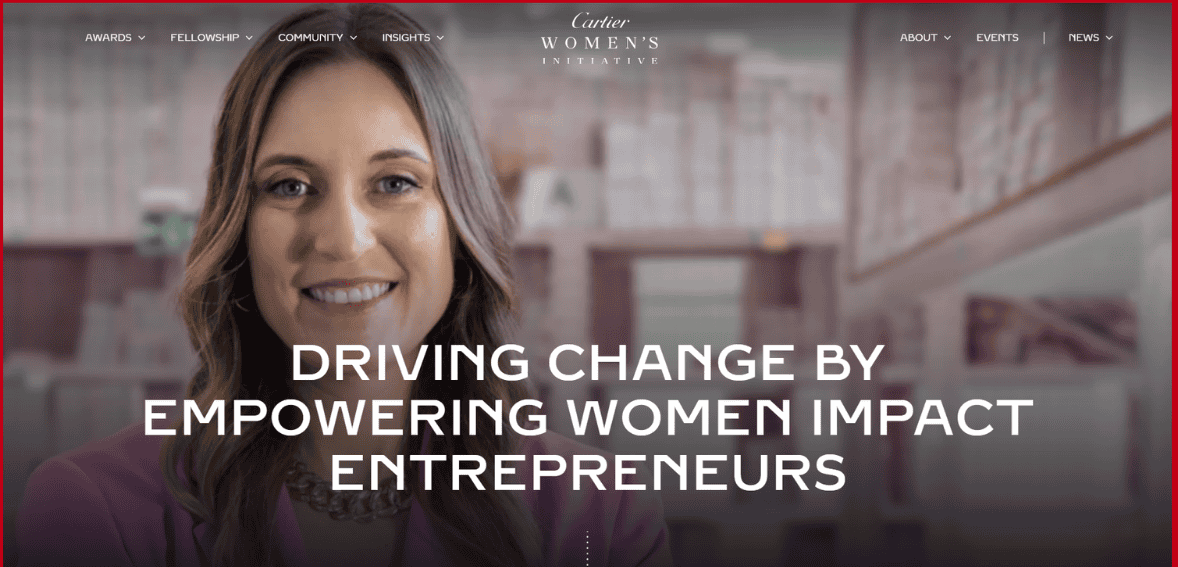
Women entrepreneurship support through Host Merchant Services.

Image source

The Cartier Women’s Initiative Awards is a global entrepreneurship program that supports and spotlights women-led or women-founded businesses creating social, economic, or environmental impact.

In each region, the top winner may receive US $100,000, with second- and third-place winners awarded US $60,000 and US $30,000, respectively, along with a year-long package of mentorship, training, and peer networking.

Who Qualifies?

To be eligible, a business must be led or founded by a woman (or women), and operate with a mission-driven or impact focus (social, environmental, or inclusive economic goals). The program is open globally, across sectors, and often emphasizes early- to growth-stage enterprises that have demonstrated traction or potential.

Entrants must provide a business plan, financial statements, growth metrics, and evidence of impact. Past winners come from diverse geographies and sectors. In 2025, nine women entrepreneurs were awarded grants as part of this initiative.

2.Β Amber Grant Foundation

The Amber Grant Foundation, administered by Women’s Net, was created to honor the memory of a young woman named Amber who dreamed of starting her own business.

The program provides crucial early-stage funding to women entrepreneurs by awarding $10,000 each month and selecting one of those monthly winners for an additional year-end grant of approximately $25,000. Recipients also gain visibility on the Women’s Net platform, which can aid in marketing and networking efforts.

Who Qualifies?

To be eligible, a business must be at least 50% woman-owned and located in the United States or Canada. Applicants must generally be 18 years or older and should clearly explain how the grant money will accelerate their business by funding product development, marketing, or expansion. A one-time application fee of $15 is required.

The program is open to a wide range of industries, and winners are chosen based on their passion, feasibility, and the potential impact of their plans.

3.Β IFundWomen Partner Grants

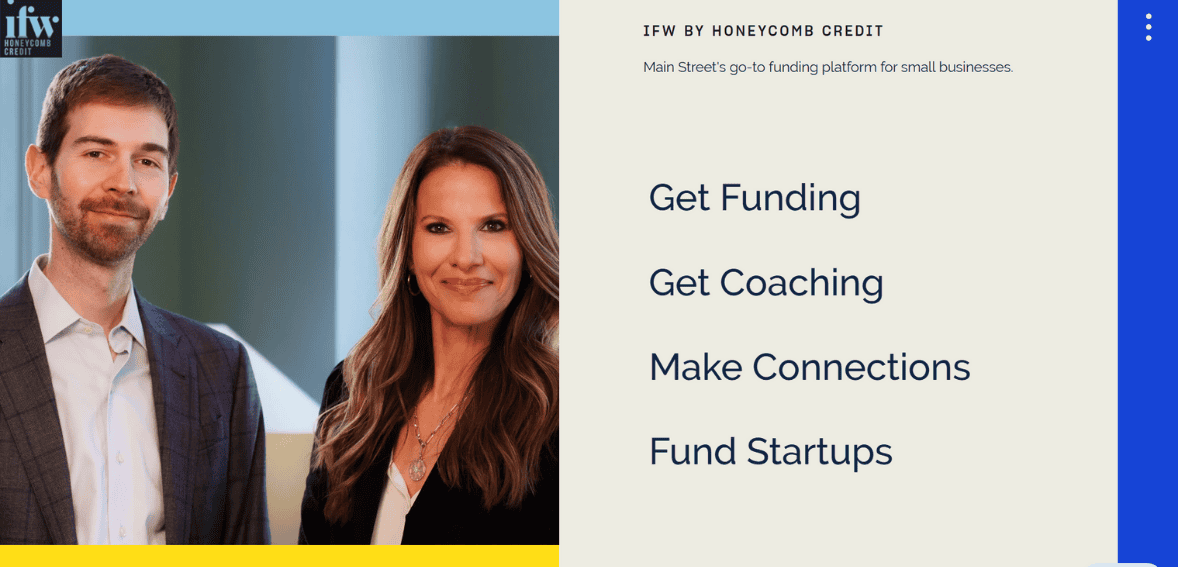
Funding platform for small businesses and startups | Host Merchant Services.

Image source

The IFundWomen Partner Grants program connects women entrepreneurs with active funding opportunities from corporations and foundations.

By filling out a single universal application on IFundWomen’s platform, applicants are automatically considered for multiple grants, typically ranging from $5,000 to $25,000, although some partners occasionally offer higher amounts. The program also provides access to business coaching, networking, and other resources to support growth.

Who Qualifies?

Applicants must be women-owned or women-led businesses based in the United States. You only need to complete one application, which stays in the system and is matched to new grant opportunities as they become available.

While all industries are welcome, some partner grants may target specific sectors, business sizes, or development stages, so IFundWomen recommends keeping your profile updated to maximize matches.

4.Β HerRise Micro‑Grant

The HerRise Micro-Grant, offered by HerSuiteSpot (through its nonprofit arm, the Yva Jourdan Foundation), awards β€―$1,000 each month to women entrepreneurs, especially those from under-resourced backgrounds or women of color, to help them overcome barriers to accessing capital.

Who Qualifies?

To be eligible for the HerRise Micro‑Grant, your business must satisfy these criteria:

  • Be at least 51% owned by women, with priority given to women of color.
  • Be registered and operating in the U.S.
  • Have gross revenue under $1 million (i.e. smaller-scale businesses)
  • The program excludes non‑profits, franchises, direct sellers, authorized resellers, or independent consultants in some cycles.
  • Applicants must submit by 11:59β€―pm on the last day of the month; winners are announced the following month (often at the HerSuiteSpot β€œFirst Friday” mixer)
  • There is a nonrefundable application fee (e.g. USβ€―$15) to help offset administrative costs.

Because the HerSuiteSpot HerRise MicroGrant is highly competitive and funding is limited, meeting all the eligibility criteria does not guarantee an award. The monthly grant amount of USD 1,000 is modest, making it most suitable for targeted, incremental improvements such as marketing efforts, website updates, or small equipment purchases.

Applicants should clearly outline how the funds will be used and the potential outcomes of their proposed activities. It is also essential to regularly review the official HerSuiteSpot HerRise MicroGrant page for the latest information, including eligibility changes and upcoming deadlines.

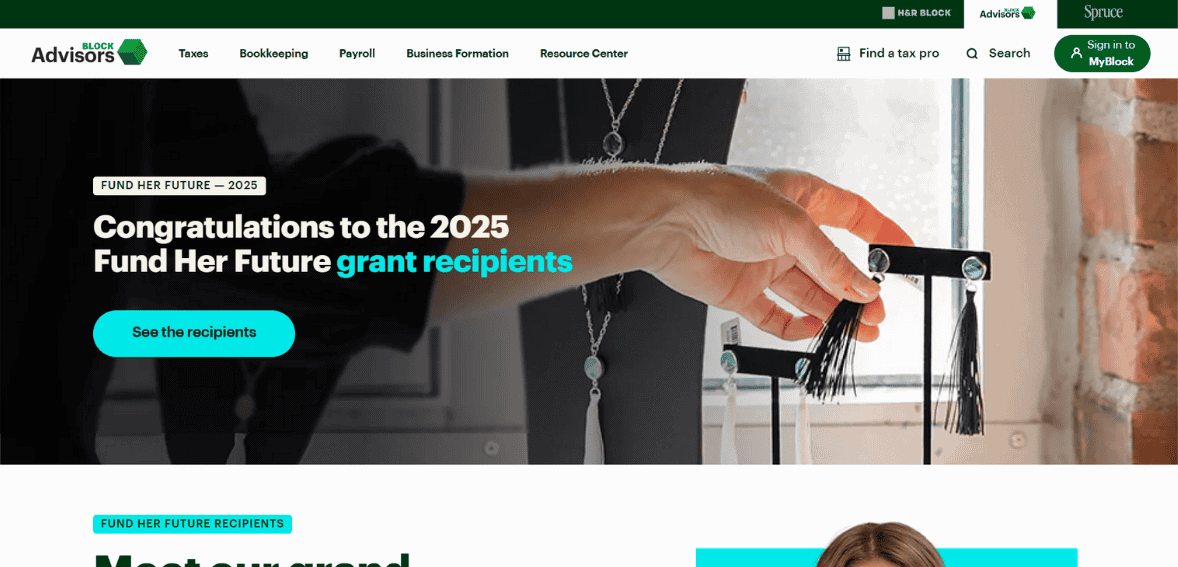
5.Β Fund Her Future by H&R Block

Fund her future grant recipients for small business funding and merchant services.

Image source

The Fund Her Future program (run by Block Advisors by H&R Block in partnership with Hello Alice) awards grant funding and business support to female entrepreneurs in the U.S. In its 2025 cycle, it offers a grand prize of US $50,000, plus five runner-up grants of US $10,000 each, along with a year of small business services (such as bookkeeping, tax preparation, payroll, and business structure analysis) to help winners grow their operations.

Who Qualifies?

To be eligible for the Fund Her Future grant, a business must meet several criteria (as of the start of the program period):

  • The applicant (the β€œOfficer”) must be 18 years or older (or 19 in Alabama and Nebraska) and a legal U.S. resident.
  • The business must be a for‑profit enterprise, registered and operating in one of the fifty U.S. states, the District of Columbia, or a U.S. territory.
  • It must have been in operation since at least January 1, 2024.
  • The business must have generated a minimum of $20,000 in revenue in 2024.
  • It must have no more than 20 employees, including the owner(s).
  • The business must not be a previous recipient of a Fund Her Future grant.
  • Winners must also be willing to engage in virtual business support sessions (tax, bookkeeping, structure analysis, payroll) offered by Block Advisors.

The application period for 2025 runs from April 28, 2025 to May 30, 2025, finalists may be asked to do a virtual interview (though the interview itself isn’t scored) as part of the selection process.

Please note that the grant is unrestricted, allowing winners to use the funds as they see fit for their business. Additionally, they will receive business support services valued at approximately US $30,000.

6.Β YippityDoo Big Idea Grant

The YippityDoo Big Idea Grant is a monthly microgrant program designed to support women entrepreneurs in the U.S. It awards USβ€―$1,000 each month, and winners also receive a one‑year membership in YippityDoo’s wealth‑mindset coaching group to bolster business growth and mindset development.

Who Qualifies?

To be eligible for the grant, applicants must meet the following criteria:

  • Be a woman entrepreneur aged 18 or older residing in the United States.
  • The business or idea can be at any stage, from the startup/idea stage to an existing small business.
  • Must be a for‑profit business when applying under the β€œFor‑Profit” track (there is also a non‑profit track for certain rounds)
  • There is a standard application fee (typically US$ 15) to help cover administrative costs.
  • Submissions are judged on vision (40%), passion (40%), and planned use of funds (20%).
  • Winners are announced monthly; the grant is relatively accessible, making it a viable option for many women entrepreneurs seeking smaller-scale funding.

The grant is unrestricted, so recipients can use the money however they deem fit for their business (marketing, operations, tools, etc.).

Beyond the funding, the added value is the coaching, community, and mindset resources that come with membership in YippityDoo’s wealth mindset program. And because the program is relatively new, competition may be lower than with larger grants, increasing chances for emerging entrepreneurs.

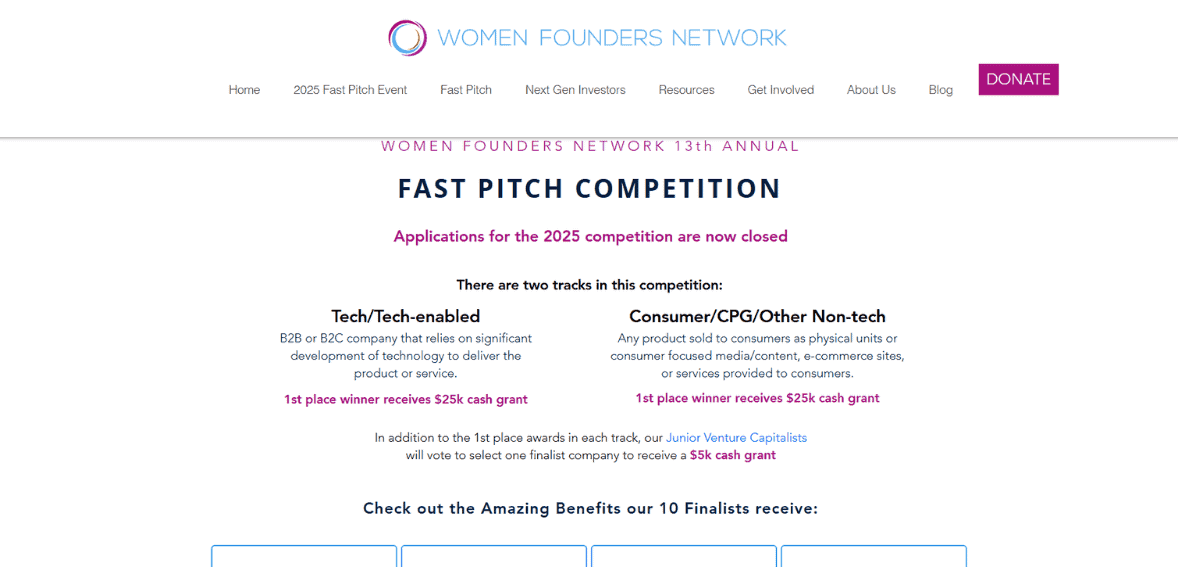
7.Β Women Founders Network Fast Pitch Competition

Innovative payment solutions highlighted at Women Founders Network Fast Pitch Competition.

Image source

The Women Founders Network Fast Pitch Competition is a high‑visibility pitch contest in the U.S. that awards a cash grant of USβ€―$25,000 to the first‑place winner in each track (Tech/Tech‑enabled and Consumer/CPG/Other).

In addition to funding, finalists receive mentoring, pitch coaching, professional services, exposure to investors, and ongoing support through the Women Founders Network ecosystem.

Who Qualifies?

To qualify for the Fast Pitch Competition, applicants must meet these criteria:

  • The founder, co‑founder, or CEO must be a woman, or the business must be majority‑woman‑owned.
  • The business must be based in the United States.
  • Applicants must have raised no more than USβ€―$750,000 in outside funding (this includes personal cash funds, though some non‑dilutive grants or research funding may not count)
  • Businesses in the pre‑revenue stage are allowed, provided they can show customer interest (e.g., letters of intent, surveys, user signups)
  • Specific sectors are ineligible, including life sciences, nonprofits, and companies involved in cannabis/CBD.
  • Finalists must be able to participate in the in‑person pitch event, typically held in Los Angeles, CA, at the Fast Pitch event (applicants bear travel costs)

Beyond the grant, finalists receive one-on-one pitch coaching, financial mentorship, in-kind professional services, and access to WFN’s network and alumni community. For 2025, all finalists will compete for cash grants totaling US $55,000, plus free professional services distributed among them.

A Junior Venture Capitalists program (in which young women participate as pseudo-investors) may vote to award an additional US $5,000 grant to the finalists. As the program emphasizes pitch readiness and investor feedback, even those who don’t win cash can still benefit from coaching and exposure.

8.Β StartHER Grant

The StartHER Grant, run by Texas Woman’s University’s Center for Women Entrepreneurs, awards USβ€―$5,000 to select women‑owned businesses in Texas to help them launch or grow their operations. In 2025, the program plans to award 10 grants of this amount.

Who Qualifies?

To qualify for the StartHER Grant, businesses must be Texas-based, at least 51% women-owned and controlled by U.S. citizens or permanent residents, and have five or fewer employees. The company must be a for-profit legal entity (LLC, corporation, partnership, or sole proprietorship) formed after September 25, 2020, and in good standing with all legal, tax, and licensing obligations.

Applicants cannot be nonprofits, TWU students or staff, past CWE grant recipients, or recent participants in specific CWE programs. Applications must include complete documentation, such as proof of ownership, a project proposal, and vendor quotes; incomplete applications may be disqualified.

The $5,000 grant is disbursed in two parts: $2,500 upon acceptance of the award and the remaining $2,500 after completing a training course, three hours of advising, submitting a business plan with financials, and demonstrating how the first half was utilized. Recipients must also provide a 10% match ($500) from non-debt resources. Grant funds can be used for business growth needs, such as equipment, inventory, marketing, and certifications; however, they cannot be used for wages, bonuses, real estate, or taxes. All funds must be used and documented by April 26, 2026, or the remaining balance may be forfeited. Applications are open from August 26 to September 26, 2025, at 5:00 p.m. CT.

9.Β 37 Angels

37 Angels is an angel investment network founded in New York City with a mission to reduce the gender gap in startup investing by increasing transparency, education, and participation. While the group invests in both male and female founders, it gives preference to female‑founded or female‑led startups, providing capital, guidance, and access to a community of active investors.

In practice, 37 Angels typically invests US$50,000 to $200,000 in each company (often via multiple angels contributing $β€―25,000 checks) in seed‑stage rounds. The group hosts pitch forums every two months, where about eight companies present to its investor members. Founders undergo an application process (often via Gust), followed by a screening call, and, if selected, a live pitch in New York City.

Who Qualifies?

37 Angels targets seed-stage startups and prefers businesses that can show at least six months of traction or data, such as revenue or customer activity, to demonstrate market validation. They typically fund companies raising between $500,000 and $3 million. While they invest across industries, they avoid highly capital-intensive sectors (like biotech or clean energy) and β€œhits-based” industries such as entertainment or gaming.

Most companies are U.S.-incorporated, and although founders don’t need to be based in New York, the ability to pitch in person is essential. While open to both male- and female-led businesses, 37 Angels prioritizes teams that include women as part of their mission to close the gender gap in investing.

The application process begins online (often via Gust) and includes a 20-minute screening call. Selected founders then present at an in-person pitch forum in NYC, and investment decisions are usually made within a month. They do not sign NDAs before reviewing proposals due to the high volume of submissions and legal limitations.

Beyond capital (typically $50,000–$200,000 per deal, via pooled investments), founders benefit from clear timelines, efficient decision-making, and access to a supportive investor network. Even companies that aren’t funded gain exposure, feedback, and valuable industry connections, especially women-led ventures, which align closely with the group’s mission and portfolio focus.

10.Β High Five Grant for Moms

High Five Grant for Moms

image source

The High Five Grant for Moms, run by The Mama Ladder, is an annual grant program supporting mom entrepreneurs by offering $10,000 for the top winner, $5,000 for the runner‑up, $2,500 for third place, and five honorable mentions of $1,000 each. Applicants share the story behind their business on social media during the application window, and winners are selected by a panel of judges and a public vote.

Who Qualifies?

To qualify for the High Five Grant for Moms, applicants must be women caregivers, including mothers, stepmothers, foster mothers, or expecting mothers, and own at least 50% of a for-profit business. The business must have earned between $10,000 and $500,000 in the past year, be headquartered in the U.S. or Canada, and demonstrate real traction, although not on a large scale. Applications for the 2025 cycle will be accepted from September 1 to September 30. After this period, a panel will select eight finalists, and the public will then vote to determine the top three winners.

All grants are non-repayable and are allocated directly toward business growth needs, such as marketing, inventory, or tools, and not for personal use. A key part of the application includes publicly sharing your β€œHigh Five Why” on social media using a branded hashtag. Since public voting determines the winners, applicants with a strong community or online presence may have an edge. Finalists are notified in early October, and winners are announced later that month.

11.Β She’s Connected by AT&T

She’s Connected by AT&T is a U.S. small business contest open to women-owned enterprises, offering a grand prize of β€―$50,000, plus a year of AT&T service and a new device to the winner, as well as four runner-ups each receiving β€―$5,000 microgrants.

Who Qualifies?

To be eligible for She’s Connected by AT&T, applicants must be legal U.S. residents aged 18 or older, and the business must be registered, operational, and located in the U.S. or its jurisdictions. It must have 50 or fewer employees, and the applicant must be the sole or majority owner (owning at least 50%). Employees, officers, or immediate family members of AT&T and its affiliates are not eligible. For the 2025 cycle, the application period runs from June 9 to September 30, with finalists contacted in November and the grand prize winner announced by December 1, 2025.

Unlike traditional grants, this is a contest-style award judged on the business’s mission, vision, community impact, and how well it aligns with AT&T’s purpose of β€œConnecting Changes Everything.” The grand prize includes $50,000, a year of free AT&T service, and a new device, while four runner-ups receive $5,000 each. Winners must participate in a branded production event and agree to the use of their likeness and business name in AT&T marketing, making this both a funding opportunity and brand visibility platform for entrepreneurs comfortable with public exposure.

12. FoundHer Accelerator (HawaiΚ»i FoundHer)

The FoundHer Accelerator (operated by HawaiΚ»i FoundHer / Purple MaiΚ»a) is a six-month program tailored to women entrepreneurs in HawaiΚ»i, particularly those of Asian, Native Hawaiian, or Pacific Islander descent, that provides non-dilutive support to grow their businesses.

It offers participants a US$20,000 grant, a US$4,000 Κ»ohana care stipend, weekly business education workshops, monthly retreats for learning and networking, and mentoring and community support.

Who Qualifies?

To qualify for the FoundHer Accelerator, businesses must be based in HawaiΚ»i and at least 51% owned by women of Native Hawaiian, Pacific Islander, or Asian descent. They must be early-stage, for-profit entities, typically under 3 years old, with a clear proof of concept, such as initial sales or user engagement. Selected founders must commit to the full six-month program, including weekly workshops, bi-weekly check-ins, and monthly in-person retreats (often on neighboring islands). The accelerator offers a non-dilutive grant of $20,000 and a $4,000 ‘ohana care stipend to support caregiving needs, such as child or elder care.

The program blends business training with cultural grounding, incorporating local storytelling (moΚ»olelo), place-based learning, and community values into the curriculum. While $20,000 is the standard grant, actual funding amounts may vary slightly by cohort. Founders don’t give up equity, but they are expected to fully engage with mentors and programming. The next application cycle is scheduled to open mid-September to mid-October, and founders are encouraged to check the FoundHer website for updates and deadlines.

Federal Programs Supporting Women-Owned Small Businesses

1. SBIR/STTR (Small Business Innovation Research/Technology Transfer Programs)

The SBIR and STTR programs are two of the most significant sources of federal grant funding available to for-profit small businesses focused on research and development (R&D). These programs are designed to stimulate innovation and encourage the commercialization of new technologies. The grants often fund early-stage work, from proof-of-concept through development and scaling, across fields like biotech, energy, defense, and IT.

Women-owned small businesses (WOSBs) are eligible, and many participating federal agencies actively encourage their applications. These programs are especially valuable for science- or technology-driven startups looking to secure non-dilutive capital.

To qualify, your business must be U.S.-based, have fewer than 500 employees, and be at least 51% owned and controlled by U.S. citizens or permanent residents. These are highly competitive but prestigious opportunities that can open doors to long-term government partnerships and funding pipelines.

2. WOSB/EDWOSB Federal Contracting Program

Although not a traditional grant, the Women-Owned Small Business (WOSB) and Economically Disadvantaged Women-Owned Small Business (EDWOSB) certification programs offer exclusive access to federal contracting opportunities. The U.S. government sets aside a portion of its contracts each year specifically for WOSBs in industries where women are underrepresented, such as construction, manufacturing, and IT.

This program helps women-led companies establish credibility, achieve consistent revenue, and foster long-term growth by securing government contracts. To qualify, your business must be at least 51% woman-owned, and the woman (or women) must control day-to-day operations and long-term decision-making. Certification is available through the Small Business Administration (SBA) or approved third-party certifiers and can significantly increase your visibility to federal buyers.

3. NIH, NCATS & Other Federal R&D Agencies

Beyond general SBIR/STTR funding, specific federal agencies, such as the National Institutes of Health (NIH) and NCATS, among others, offer targeted supplements and incentives for women-owned businesses, particularly those in the fields of science, health, and technology. For example, the NIH provides Diversity Supplements to support women in science and help existing SBIR awardees expand their teams or efforts.

These supplements can support hiring women researchers or expanding women-led projects. Requirements vary by agency and funding opportunity, but applicants must generally meet standard SBIR/STTR criteria, including being U.S.-based, a for-profit small business, and having majority ownership by U.S. citizens or permanent residents. Many agencies also require detailed proposals and, in some cases, a commitment to diversity or equity-focused goals.


4. Department of the Treasury – SSBCI & SBOP Programs
The State Small Business Credit Initiative (SSBCI) and related programs under the Department of the Treasury’s Small Business Opportunity Program (SBOP) aim to improve access to capital and business advisory services for underserved entrepreneurs, including women. These are part of broader federal economic programs, such as Investing in America, and are delivered through partnerships with state governments.

While not exclusively for women, many funds and services are designed to support women- and minority-owned businesses, particularly those operating in disadvantaged areas or sectors such as clean energy and local manufacturing. Eligibility often depends on your location, business size, and access to traditional funding. Women entrepreneurs may benefit from low-interest loans, technical assistance, and incubator programs supported through these federal-state collaborations.

Conclusion

As of 2025, the landscape for funding women-owned small businesses is more diverse and promising than ever. From competitive global awards like the Cartier Women’s Initiative to localized support such as the StartHER Grant in Texas, these programs are designed to level the playing field and fuel the growth of businesses led by women. Whether you’re seeking seed funding, business mentorship, pitch competitions, or access to government contracts, there is something available for nearly every stage and sector.

Yes, the application processes can be time-consuming and sometimes intimidating, but the potential rewards are significant. From $1,000 microgrants to $100,000 global awards, and even access to angel investment or federal R&D funding, these opportunities can provide the capital, exposure, and community support you need to take your business to the next level. Be sure to review the eligibility requirements carefully and mark your calendars for 2025 deadlines. Your next big breakthrough could start with just one application.

Frequently Asked Questions

  1. Are these grants available only to U.S.-based businesses?

    Most grants on this list are for U.S.-based businesses; however, some, such as the Cartier Women’s Initiative Awards, are open to international applicants. Always check eligibility by location before applying.

  2. Can I apply for multiple grants at once?

    Yes! You can and should apply to multiple grants as long as you meet each program’s eligibility criteria. Some platforms, like IFundWomen, even match your application with various funding opportunities.

  3. Do I need to repay grant money?

    No. Grants are non-repayable funds, unlike loans. However, some grants come with conditions (like training or reporting requirements), so be sure to read the fine print.

  4. What if I’m still in the idea stage? Can I still apply?

    Some programs like YippityDoo’s Big Idea Grant and HerRise Micro-Grant accept businesses in the early or idea stage. Others, like 37 Angels, require more traction or existing revenue.

  5. How can I improve my chances of winning a grant?

    Tailor each application, clearly explain how the funds will be used, and highlight your impact, growth potential, and mission. For programs with a public voting element (like the High Five Grant for Moms), building community support can be a significant advantage.

New IRS Tax Brackets For 2025

New IRS Tax Brackets For 2025

Effective financial management often involves tax planning. Recently, the IRS tax brackets were announced for 2025. These new brackets reflect a rise in income thresholds by approximately 2.8%, a decrease compared to the 5.4% increase in 2024 and 7% in 2023. This information is crucial for planning your finances for the next tax year, for which returns will be filed in early 2026.

The updated tax brackets, standard deductions, and other related policies will apply to income earned during 2025, to be reported on tax returns in 2026.

Key Takeaways
  • Inflation Adjustments: For the 2025 tax year, the IRS increased all federal income tax bracket thresholds by about 2.8% compared with 2024. This minor adjustment, following 5.4% in 2024 and 7% in 2023, aims to limit β€œbracket creep,” so rising incomes from inflation alone do not push taxpayers into higher rates. The changes are based on the chained CPI-U measure covering September 2023 through August 2024.
  • Increased Standard Deductions: The standard deduction for 2025 rises to $15,750 for single filers and $31,500 for married couples filing jointly, up from $14,600 and $29,200, respectively. Heads of household may claim $23,625, and married individuals filing separately may claim $15,750 each. Seniors receive an added $6,000 deduction, bringing their total to $21,750 for single filers or $43,500 for joint filers in 2025.
  • Updates to Key Credits and Deductions: Several credits and deductions are higher for 2025 to offset inflation. The maximum Earned Income Tax Credit for families with three or more children increases to $8,046 (lower amounts for fewer dependents). The refundable adoption credit rises to $17,280 per child. The child tax credit is $2,200 per qualifying child, with up to $1,700 refundable. The annual Health FSA contribution limit moves to $3,300 with up to $660 in carryover.
  • SALT Deduction Cap: A new law temporarily increases the state and local tax (SALT) deduction cap to $40,000, with phase-outs beginning above $500,000 of income. This expanded limit runs through 2029 and primarily benefits taxpayers in high-tax states who can now deduct larger amounts.
  • Estate Tax Exclusion: For 2025, the federal estate-tax exemption climbs to $13.99 million per person, or $27.98 million for married couples, compared with $13.61 million and $27.22 million in 2024. Estates exceeding these thresholds may still face the 40% federal estate tax.
  • Future Tax Implications: Many provisions of the 2017 Tax Cuts and Jobs Act were initially set to end after 2025. However, in July 2025, Congress enacted the β€œOne Big Beautiful Bill,” making the current seven tax brackets and most higher deductions and credits permanent beyond 2025. Some expansions remain temporary, such as the $6,000 senior deduction and the larger SALT cap, which both expire after 2029. If no new law is passed, those items revert to prior limits, so taxpayers should keep an eye on future guidance.

Do the 2025 Tax Brackets Adjust for Inflation?

Yes. By law, the IRS indexes tax brackets each year using the chained CPI-U (C-CPI-U) measure, which accounts for inflation. For tax year 2025 (returns filed in 2026), the IRS increased every bracket’s income range by roughly 2.8%. This prevents β€œbracket creep,” where inflation alone would push taxpayers into higher rates. For example, the 12% bracket for single filers now covers taxable income up to $48,475 (versus $47,150 in 2024).

These adjustments are based on the C-CPI-U from September 2023 through August 2024. Because chained CPI generally grows more slowly than the traditional CPI, the threshold hikes are relatively modest.

2025 IRS Tax Brackets

Tax document with calculator and pen, emphasizing tax processing and financial services at Host Merchant Services.

For tax year 2025, the seven federal income tax rates remain 10%, 12%, 22%, 24%, 32%, 35%, and 37%. However, every bracket’s income limits have been adjusted upward for inflation. The IRS announced the 2025 thresholds as follows:

Tax RateSingle Filers (Taxable Income)Married Filing JointlyMarried Filing SeparatelyHead of Household
10%$0 – $11,925$0 – $23,850$0 – $11,925$0 – $17,000
12%$11,925 – $48,475$23,850 – $96,950$11,926 – $48,475$17,001 – $64,850
22%$48,475 – $103,350$96,950 – $206,700$48,476 – $103,350$64,851 – $103,350
24%$103,350 – $197,300$206,700 – $394,600$103,351 – $197,300$103,351 – $197,300
32%$197,300 – $250,525$394,600 – $501,050$197,301 – $250,525$197,301 – $250,500
35%$250,525 – $626,350$501,050 – $751,600$250,526 – $375,800$250,501 – $626,350
37%$626,350 and above$751,600 and above$375,801 and above$626,351 and above

The standard deduction for 2025 has also risen (due to both inflation and new legislation). Under current law, the deduction is $15,750 for single filers, $31,500 for married couples filing jointly, $23,625 for heads of household, and $15,750 for married filing separately. A single taxpayer with $50,000 of 2025 income would subtract the $15,750 standard deduction and pay tax only on the remaining $34,250. (Married filers effectively get double the individual amounts.) These larger deductions mean a greater portion of income is tax-free compared to prior years.

The marginal rates are progressive. That means, say, a married couple with $100,000 of taxable income would be in the 22% bracket (their first $96,950 taxed at lower rates, and the remaining $3,050 taxed at 22%). Only income within each bracket is taxed at that bracket’s rate; income in lower brackets remains taxed at 10% or 12%.

Updated 2025 Standard Deduction Amounts and Their Impact on Taxpayers

Tax scissors cutting through a dollar sign and tax label, representing tax savings and financial management.

The 2025 standard deduction amounts have been adjusted upward (reflecting both inflation and the new tax law):

  • Single filers: $15,750 (up from $14,600 in 2024).
  • Married filing jointly: $31,500 (up from $29,200).
  • Heads of household: $23,625 (up from $22,500).
  • Married filing separately: $15,750 each (same as single).

For most taxpayers who claim the standard deduction, these increases simplify tax filing and reduce taxable income by a larger amount. For example, a single person earning $50,000 in 2025 would subtract $15,750 and pay tax on only $34,250 of income (instead of $35,400 if the 2024 deduction applied). Higher standard deductions mean fewer people need to itemize to get a tax benefit, and overall tax liability is lower.

In addition, the new law provides an extra standard deduction for seniors: taxpayers 65 or older get an additional $6,000 deduction in 2025 (in addition to the amounts above). This means a single senior could claim up to $21,750 in deductions ($15,750 + $6,000). The extra $6,000 standard deduction for taxpayers age 65 or older begins to phase out at modified adjusted gross income (MAGI) over $75,000 for single filers and $150,000 for joint filers. Above those levels, the additional deduction gradually decreases. The combination of higher base deductions and senior bonuses helps many taxpayers offset inflation and reduce taxable income.

Additional Key Tax Credit and Deduction Updates for 2025

Tax preparation and filing services offered by Host Merchant Services for small businesses.

Several other tax benefits have been adjusted for the 2025 tax year:

  • Health FSA Contribution Limit: Employees can contribute up to $3,300 to a health Flexible Spending Account in 2025 (up $100 from 2024). Plans allowing carryover can now roll over up to $660 (up from $640) each year.
  • Earned Income Tax Credit (EITC): The maximum EITC is $8,046 for families with three or more qualifying children (other EITC amounts are set by family size and income). This increase provides more refundable relief to low- and moderate-income workers.
  • Child Tax Credit: The credit is $2,200 per qualifying child in 2025 (increased from $2,000). Up to $1,700 of this is refundable under the Additional Child Tax Credit (before refund limits apply).
  • State and Local Tax (SALT) Deduction: The cap on federal SALT deductions is temporarily raised to $40,000 (for taxpayers with income up to $500K). This expanded limit, phased out at higher incomes, greatly exceeds the prior $10,000 cap and will apply (indexed for inflation) through 2029. (Absent this change, many high-income taxpayers in high-tax states would otherwise lose much of their SALT deduction.)
  • Estate and Gift Tax: The federal estate-tax exemption for 2025 is $13,990,000 per person ($27,980,000 per married couple). Estates below this threshold pass tax-free; above it, the top estate tax rate is 40%. The annual gift-tax exclusion for 2025 rises to $19,000 per recipient (up from $18,000 in 2024). This means an individual may give up to $19,000 per person (or $38,000 for a married couple) without using any of their lifetime estate-tax exemption.
  • Other Credits: The adoption credit covers up to $17,280 of qualifying adoption expenses per child. This non-refundable credit (with carry-forward) helps offset the costs of adoption. Common education credits such as the American Opportunity Credit, Lifetime Learning Credit, and the Saver’s Credit remain unchanged for 2025. Taxpayers should still check eligibility because income limits and phase-outs may apply.

These updates ensure that inflation does not erode many tax benefits. Taxpayers should review eligibility for these increased credits and deductions when planning their 2025 tax filings.

How Does the IRS Use the Chained CPI to Adjust Tax Brackets?

The IRS indexes tax brackets using the chained Consumer Price Index for All Urban Consumers (C-CPI-U), rather than the traditional CPI-U. The chained CPI accounts for how consumers substitute cheaper goods when prices change, so it usually grows more slowly than the standard CPI. By law (since the 2017 tax law), the IRS takes the year-over-year change in the C-CPI-U (usually September–August) to inflate tax thresholds.

The 2.8% bracket increase for 2025 is based on the C-CPI-U rise from Sept. 2023 to Aug. 2024. Because chained CPI tends to be lower than CPI-U, the adjusted thresholds are smaller. In practical terms, this means bracket limits rise modestly, and without this adjustment, some taxpayers might have seen higher taxes just from inflation. The IRS’s chained-CPI adjustments thus preserve tax value: they shield taxpayers from inflation, pushing them into higher brackets, but they don’t increase brackets as much as traditional CPI would.

What Changes Will Occur to Individual Income Tax Rates and Brackets After 2025?

Individual Income Tax Rates and Brackets

Under prior law (Tax Cuts and Jobs Act of 2017), the current individual tax rates and bracket sizes were set to expire at the end of 2025, which would have reverted rates to higher pre-2018 levels. However, in July 2025, Congress enacted the β€œOne Big Beautiful Bill” (H.R.1), which extends most of the TCJA’s provisions into the future. The new law makes the current tax rates permanent, subject to annual inflation adjustments. Thus, the seven-bracket structure (10% through 37%) remains in place for 2026 and beyond.

Key points under the current law after 2025: The larger standard deductions and no personal exemptions continue. Personal exemptions remain set to zero. A new $6,000 deduction for taxpayers 65+ (and $12,000 per couple) is in effect for 2025–2028. The child tax credit is fixed at $2,200 per child. The SALT deduction cap stays at $40,000 (with phaseouts) through 2029, rather than reverting in 2026. In other words, virtually all of the current brackets and deductions will carry forward for now.

Looking further ahead, most of these provisions are set through 2029 (with some indexed for inflation). If Congress does not act again, the law would revert in 2030: for example, the SALT cap would drop back to $10,000 and the older 39.6% top rate would technically return (though the law as written now keeps the 37% rate in place). Similarly, the enhanced estate-tax exemption ($13.99) is scheduled to shrink after 2025 (falling towards about $7M per person by 2031 under current law). Because of these limits, financial planners have urged taxpayers to consider accelerating income or taking other actions before 2030.

Conclusion


The IRS’s final 2025 tax brackets and deductions reflect only a moderate inflation adjustment (about 2.8%), providing modest relief to taxpayers. Notably, Congress’s mid-2025 tax law largely preserves the current regime: the TCJA’s rate structure, large standard deductions, and many credit levels remain in place beyond 2025.

For 2025 itself, the increases in bracket widths and deductions (e.g. single SD $15,750) mean lower taxable income and reduce bracket creep. Looking ahead, individuals and families should factor in both the extended provisions (higher SALT cap, permanent brackets) and the scheduled expirations (post-2029 reversion of some rules) when planning. Staying up-to-date on these changes is crucial: proactive tax planning, such as maximizing deductions and credits now, will help manage future liabilities under the evolving tax law.

Business payment processing solutions from Host Merchant Services.

Banner’s Hallmark Stores Bankruptcy and Digital Disruption in Greeting Cards

Banner’s Hallmark, a long-standing family-owned Hallmark Gold Crown franchise, is the latest specialty retailer to fall victim to the double blow of digital disruption and rising costs.

On September 14, 2025, the company filed for Chapter 11 bankruptcy, covering 39 stores and 40 affiliates, after years of declining demand for paper greeting cards and mounting pressures from tariffs, inflation, and seasonal inventory expenses. Know more details about the Hallmark bankruptcy,

Key Takeaways
  • Banner’s Hallmark of Banners of Abingdon LLC filed for Chapter 11 bankruptcy on Sept. 14, 2025, covering its 39 Hallmark Gold Crown stores and 40 affiliates.
  • The company reports about $10-$50 million in assets and liabilities, with about $14.7 million owed to top unsecured creditors (Hallmark Marketing Co., Crown MAC, PNC Bank).
  • As more consumers prefer digital greetings, such as e-cards, texts, or social media posts, it has resulted in lower demand for paper cards. Banner’s cites this trend, along with the higher costs, as core reasons for declining revenue.
  • Carrying extensive seasonal inventories and new import tariffs exacerbated cash flow issues. Seasonal holiday stock ties up capital, and Trump’s tariffs on Chinese-made ornaments forced them to up their prices, which hurt their sales.
  • Banner’s plans to keep all stores open during Chapter 11, renegotiate or consolidate leases, and trim expenses. Some underperforming shops may close or merge with others as the chain works to reduce debt and stabilize operations.

Who/What Is Banner’s Hallmark

Merchant payment processing solutions for seamless transactions.

Image source

Banner’s Hallmark is a family-owned operator of Hallmark Gold Crown gift shops. Under its parent company Banners of Abingdon LLC, the chain runs about 38 to 39 Hallmark-branded stores (primarily in Virginia). These independently owned shops carry the Hallmark name and logo, but are licensed franchisees rather than corporate-owned outlets. Banner’s Hallmark has been in business for over 45 years, and its president, Leonard Banner, even served on Hallmark’s advisory board.

The stores sell a range of Hallmark merchandise, everything from greeting cards and gift wrap to Keepsake Christmas ornaments, seasonal home dΓ©cor, and specialty gifts, just like a typical Hallmark Gold Crown store. Banner’s Hallmark is often confused with Hallmark Cards, Inc. itself, which is not the cas,e as it’s a regional franchisee relying on Hallmark’s branded products.

Reasons for Hallmark Bankruptcy – Digital Disruption and Seasonal Costs

Cashbacks and Rewards for Host Merchant Services customers, earning with every transaction.

Banner’s Hallmark’s woes stem mainly from long-term shifts in consumer behavior. In the digital age, many people no longer feel the need to buy physical greeting cards. Most consumers now send e-cards, texts, or social media posts for birthdays and holidays, ignoring the card aisle in a store altogether. Banner’s own bankruptcy filings cite this trend as a highlight: the β€œrelevance of paper cards is quickly fading” as digital alternatives offer a cheaper and faster way to send greetings. With each passing year, foot traffic in Mall Hallmark shops has dwindled as customers find cards at drugstores, big-box chains or online at lower prices.

At the same time, Banner’s faces the cash-flow challenge of seasonal retail. The business buys huge quantities of cards, gift items, and decorations ahead of peak seasons (Christmas, graduations, etc.). These inventories must be financed well in advance, so if certain products don’t sell through, Banner’s is left holding unsold stock and mounting bills. In court papers, the company notes explicitly that acquiring and financing seasonal merchandise has strained its cash flow. In other words, the mismatch of upfront inventory costs and lumpy holiday sales put a squeeze on working capital.

To make matters worse, rising costs have eaten into Banner’s margins. In its filings, the company cited tariffs and inflation as additional pressures. Hallmark (the supplier) revealed that Trump’s tariffs on Chinese-made ornaments hit the company by surprise – after its 2025 holiday product book (β€œDream Book”) was printed – forcing them to up their prices. Hallmark announced that for particular imported gift and ornament items it had made β€œthe necessary decision to adjust pricing” due to the β€œcurrent economic climate.”

Banner’s says these sudden price increases (on collectible ornaments and decorations from China/Thailand) likely dampened holiday sales. Likewise, U.S. policy changes in May 2025 ended the $800 β€œde minimis” duty-exemption for small imports. Now, even modest-value holiday goods from China are subject to tariffs. Banner’s noted that rolling back this de minimis exemption will raise costs on many small gift items.

Financial Details of the Bankruptcy Filing

Affordable commerce payment solutions for your business with Host Merchant Services.

Court records show Banner’s Hallmark (Banners of Abingdon LLC) and about 40 affiliated entities filed Chapter 11 in the District of Columbia on September 14, 2025. The main case number is 25-00378. In the filings, Banner’s reported both assets and liabilities in the $10–$50 million range, indicating a modestly sized chain. Its list of unsecured creditors tops out at roughly $14.7 million combined. Principal debts are owed to Hallmark’s finance arm and vendors: Hallmark Marketing Company LLC (Hallmark Cards’ licensing/marketing subsidiary) is listed for about $6.4 million, merchandise supplier Crown MAC for about $5.3 million, and PNC Bank for roughly $3 million.

Other owed parties include gift companies such as Godiva, Ganz, and Vera Bradley, among others, reflecting unpaid inventory bills. Much of this debt likely stems from unpaid orders of cards, gifts, and seasonal decor, along with rent on mall leases that Banner’s could not sustain as revenues declined. In total, the chain reportedly owes its top three creditors approximately $ 14.7 million. On a per-store basis, that’s roughly $377K in merchandise liabilities per Banner’s location (about $75K of $5 cards, on average).

Reorganization Plans Under Chapter 11

Banner’s Hallmark has indicated it intends to use Chapter 11 to restructure rather than liquidate. Management states that it plans to keep the business running, and all 39 stores will remain open throughout the bankruptcy process. The focus will be on cost cuts and debt negotiation. Crucially, Banner’s told the court it will seek to renegotiate or consolidate store leases to lower rent burdens.

Its filings mention a need for β€œstrategic reassessment of retail leasing arrangements.” At the same time, the company acknowledges that not every location may survive. The documents warn that some underperforming shops β€œcould merge or close” as the reorganization proceeds. Banner’s might seek landlord concessions, consolidate neighboring stores into one space, or surrender leases that are no longer profitable.

The goal is to emerge from Chapter 11 with a leaner cost structure, reduced overheads, and a more sustainable store footprint, enabling it to pay creditors over time. The company has stated a commitment to work with Hallmark Cards and other suppliers to repay what it can, rather than fully liquidating its assets.

Industry Context – The Decline of Card Shops

Online payment processing illustration for Host Merchant Services platforms.

Banner’s Hallmark’s bankruptcy is part of a much larger trend of shuttering card-and-gift stores across America. Specialty Hallmark shops have been disappearing for years as demand drops. Industry data indicate that Hallmark Gold Crown franchises decreased from approximately 2,000 U.S. stores in 2020 to around 1,146 by 2025.

In fact, over 850 Hallmark franchise stores have closed since 2000. This mirrors the broader greeting-card sector: IBISWorld projects U.S. card industry revenue will fall from $5.7 billion in 2024 to approximately $5.6 billion in 2025. The decline is driven by shoppers buying cards at supermarkets, dollar stores or online, rather than in mall kiosks. Larger retailers often undercut specialty shops on price and convenience, leaving niche card stores with a dwindling market.

Physical retail rents and competition add to the pressure. Banner’s filings even note that store locations can be lost to higher-bidding tenants.

New York City’s last Hallmark Gold Crown store closed in January 2025 after a cannabis retailer offered the mall more rent. In this environment, smaller card shops struggle to cover their fixed costs. As Hallmark and other big brands close or downsize company-owned locations, the remaining franchisees, like Banner’s, feel the strain.

Tariffs and Other Challenges

In addition to digital competition, Banner’s Hallmark has had to navigate adverse macroeconomic policies. Import tariffs have been an explicit concern. Hallmark Cards reported that about 75% of its products are made in the U.S., but many of the popular Keepsake ornaments and gift items come from Asia (China, Thailand, Sri Lanka). When the U.S. imposed tariffs on Chinese goods, Hallmark was caught off guard: it had already printed its 2025 Dream Book with old prices.

The result was sudden, across-the-board price increases on ornaments and gifts. In a July 2025 statement, Hallmark said these hikes were β€œnecessary” due to the β€œcurrent economic climate,” but Banner’s believes those increases dented holiday sales.

Further complicating matters, new trade rules in May 2025 ended the duty-free β€œde minimis” exemption (the $800 threshold) on imports from China and Hong Kong. That policy change means even small, low-cost gifts (under $800) now face U.S. duties. Hallmark warned that rolling back this exemption would β€œraise the prices of many other imported seasonal gift items”. In practice, Banner’s and similar retailers saw their cost of goods rise unexpectedly. If they tried to absorb those costs, profit margins evaporated; if they passed them on, sales volumes fell.

Besides tariffs, Banner’s also cites inflation and rising business expenses. Higher freight and labor costs, which were elevated during the pandemic years, have remained elevated. Meanwhile, competition from big-box chains and online retailers (such as Amazon) means local retailers must either match prices or offer something special. All these factors converged to squeeze Banner’s bottom line further:

  • Higher import taxes
  • Loss of duty-free imports
  • Inflation and rent increases

In combination with falling sales, the added cost pressure made the debt load unsustainable.

Future Outlook for Banner’s Hallmark and Peer Retailers

What happens next depends on Banner’s ability to adapt. On one hand, there are glimmers of hope for the greeting card business. Industry data indicate that Americans continue to purchase a substantial number of cards – approximately 6.5 billion annually, representing a retail market of roughly $7 billion. In fact, surveys indicate 9 out of 10 U.S. households still purchase greeting cards each year. Notably, younger consumers are now a driving force as millennials (and Gen Z) have become β€œthe largest buyers” of greeting cards.

For Banner’s, riding out Chapter 11 will likely mean emerging as a smaller, more focused business. The company may close weaker locations and concentrate on stores that are profitable (for instance, those with loyal customer bases or lower rent). It may revamp its inventory strategy – ordering fewer low-margin cards and more higher-margin gifts or dΓ©cor. Investing in an online presence (selling Hallmark products through its own website or local delivery) could capture sales currently going elsewhere.

Some surviving Gold Crown owners have also looked to community events, card-making workshops, or promotion of collectible Keepsake ornaments to bring people through the door. Essentially, Banner’s will need to blend the Hallmark β€œexperience” with modern retailing (e-commerce, social media marketing, loyalty programs) to win back customers. If Banner’s succeeds in shedding debt and modernizing its operations, it could continue as a lean chain of Hallmark shops, smaller than before.

Conclusion

Banner’s Hallmark’s bankruptcy is a textbook case of how digital disruption and economic shifts have upended an old-fashioned retail category. Once a profitable specialty retailer, Banner’s has found itself squeezed by the convenience of online greetings and big-box card assortments on one side, and rising costs on the other. Its Chapter 11 filing lays bare the chain’s financial stresses – from sky-high seasonal inventory financing to unexpected tariffs on its merchandise.

Looking forward, Banner’s will need to emerge from reorganization with a much leaner cost structure and a renewed strategy, or it risks disappearing like so many other card shops. Regardless of the outcome, the case of Banner’s Hallmark highlights the critical challenge facing brick-and-mortar card stores: to survive in the digital age, they must reinvent themselves or yield to the new ways consumers connect and give.

Frequently Asked Questions

  1. Why did Banner’s Hallmark stores go bankrupt if greeting cards are still popular?

    Sales of paper cards and gifts have been falling as people switch to digital greetings. Combined with tariffs on imported goods and the high cost of seasonal inventory, the chain accumulated $14.7 million in debt and filed for Chapter 11 bankruptcy to restructure.

  2. Is Hallmark Cards itself going bankrupt?

    No. This case involves Banner’s Hallmark, an independent franchisee. Hallmark Cards, Inc.β€”the manufacturer and franchisorβ€”is not in bankruptcy and continues to supply cards and merchandise.

  3. Will all 39 Banner’s Hallmark stores close?

    All 39 remain open during Chapter 11. The company hopes to reorganize and keep operating but may close or merge some locations depending on lease negotiations and profitability.

  4. How did tariffs affect a greeting-card retailer?

    Many of the gifts and ornaments Banner’s sells are made in Asia. U.S. tariffs raised wholesale prices, squeezing margins for stores already facing weak sales, which added to their financial strain.

  5. What does this mean for the future of greeting card stores?

    It shows specialty card shops are under pressure from digital communication and mass retailers. To survive, they need to diversify products or offer unique experiences, while brands like Hallmark focus on fewer, stronger outlets and online sales.

Friendly payment processing solutions for small businesses at Host Merchant Services.

Claire’s Second Bankruptcy and Store Closures

Claire’s, the tween-focused accessories chain known for its ear-piercing kiosks and racks of trendy jewelry, is facing another reckoning. In 2025, the company filed for Chapter 11 bankruptcy protection for the second time, weighed down by nearly $690 million in debt and mounting costs.

Claires 2025 bankruptcy marks a dramatic setback for a brand that has long been a staple in shopping malls worldwide. With hundreds of stores now closing and a new buyer stepping in to rescue part of the business, Claire’s situation mirrors the challenges of mall-based retail and the difficult road ahead for legacy brands trying to remain relevant in a digital-first market.

Key Takeaways
  • Claire’s, the mall-based tween fashion retailer known for its ear-piercing stations, filed for Chapter 11 again in 2025 under heavy debt (~$690M) and rising costs.
  • The company plans to shutter hundreds of stores and is urgently seeking a buyer for roughly 800 of its remaining outlets to avoid complete liquidation.
  • Private equity firm Ames Watson agreed in August to acquire most of Claire’s North American business (about 795 stores and the brand’s IP), providing a lifeline but still leaving many locations to be closed.
  • Claire’s plight highlights ongoing pressure on brick-and-mortar teen retailers – from online competition to declining mall traffic and higher tariffs – underscoring a broader β€œretail apocalypse” trend.
  • With new investment, Claire’s hopes to emerge leaner; analysts say it must refocus on profitable stores, boost e-commerce, and leverage its core services (like ear piercing) to stay relevant.

Background: Claire’s – A Tween Fashion Staple in Turbulent Times

Colorful jewelry accessories displayed for online shopping at Claire's store; discover latest trends and stylish pieces.

Image source

Claire’s has been a fixture in shopping malls for decades, known for its affordable jewelry, trendy accessories, and iconic in-store ear-piercing service. The chain traces its roots to a Chicago market stall in 1961 and grew rapidly through the 1990s and 2000s, eventually operating over 3,000 stores worldwide. By 2025, Claire’s still boasts around 2,300 stores across 17 countries, making it one of the largest specialty jewelry retailers globally.

Even in a digital age, Claire’s brick-and-mortar presence was long its hallmark: young customers flocked to the stores not only to buy colorful bracelets and earrings, but also to get their ears pierced. Over its history, Claire’s has performed well over 100 million ear piercings, a milestone that the company often cites to illustrate its appeal to generations of fans.

However, the brand’s journey has been rocky. In 2018, Claire’s filed for Chapter 11 bankruptcy protection for the first time, weighed down by about $1.1 billion in debt. After closing hundreds of underperforming locations and securing new financing, Claire’s emerged from Chapter 11 later that year under new owners (Eclipse Capital Management and Samara Capital).

The revamped Claire’s reduced some debt and invested in improvements – fresh store layouts, a revamped website, and expanded product lines – to appeal to a new generation of shoppers. In the aftermath, the company showed some resilience. For a time, it even entertained ambitious growth plans: in early 2021, Claire’s filed for a U.S. initial public offering (IPO) to raise capital for expansion. That plan was later withdrawn in 2022 amid unfavorable market conditions, reverting Claire’s to a privately held retailer.

Throughout these ups and downs, Claire’s has maintained its global footprint. It has a strong presence in North America and Europe, and it licenses stores in parts of Asia. The brand’s core customer – pre-teen and teenage girls – made Claire’s a mall staple. However, by the early 2020s, the retail landscape had shifted dramatically. After a brief post-pandemic rebound, mall traffic had not returned to pre-2019 levels, and new digital-first brands were vying for Claire’s young audience. Industry observers began to wonder whether Claire’s could ride out these changes a second time.

What Led to the Claires 2025 Bankruptcy: Debt, Competition, and Costs

Decline in sales and revenue showing financial challenges for businesses.

Claire’s announced in mid-2025 that it would file for Chapter 11 bankruptcy protection for a second time, blaming a confluence of financial pressures. At the heart of the problem was the company’s high debt load – about $690 million – which strained its cash flow. Even after the 2018 restructuring, Claire’s still had large debts to service, and rising interest rates in recent years made that debt more expensive. β€œWe have carried heavy debt for years, and the cost of servicing that debt has become unsustainable,” company executives told creditors during a recent hearing. Those fixed obligations left little room to invest in store upkeep or marketing.

External challenges compounded these financial woes. Online retail continued to siphon sales away from malls. According to industry analysts, Claire’s faced fierce competition not only from e-commerce giants, but also from a new crop of fast-fashion and accessory brands targeting teens. Lovisa – an Australian jewelry chain – aggressively expanded worldwide and offered trendy pieces at Claire’s price points. (Lovisa’s CEO, quoting company earnings, recently claimed that Lovisa’s growth highlighted the demand for affordable, fast-moving accessories.)

Home-grown startups also nibbled at Claire’s core market. Rowan, a U.K.-based ear-piercing specialist launched by a former Claire’s executive, attracted customers with its Instagram-friendly boutiques and creative designs. In the U.S., Studs – a young, Manhattan-based ear-piercing studio – gained popularity on social media by positioning itself as a premium, influencer-approved alternative. Industry veteran Lisa Monroe of Retail Insights Group noted, β€œFor many young shoppers, Claire’s used to be the go-to brand. Now they have dozens of other places to choose from, online or off.”

Meanwhile, the once-captive mall environment deteriorated. Teenagers in 2025 shop differently than they did in 2000. Mall traffic has been declining steadily for years, a trend that accelerated with the COVID-19 pandemic. Even after restrictions were lifted, many families preferred to shop online or at open-air centers. According to data from the National Retail Federation, indoor mall visits remained approximately 30% below 2019 levels in the spring of 2025. β€œClaire’s core customer is not wandering through enclosed malls the way they used to,” said retail consultant Mark Feldman. β€œLess foot traffic means fewer impulse buys of a cute bracelet or ear studs.”

Higher operating costs added to Claire’s strain. The company imports a significant portion of its products, particularly from Asia. Recent U.S. import tariffs on Chinese-made goods (part of the broader trade tensions and supply chain disruptions of the early 2020s) hit retailers like Claire’s especially hard. Executives disclosed to investors that tariffs had inflated Claire’s supply costs by over $30 million annually by early 2025.

That increase translated into slimmer profit margins on the same merchandise. Inflation in the broader economy also raised labor and rent costs; although the pandemic slump gave Claire’s some negotiating room on leases, other expenses, such as shipping and domestic staffing, had increased.

Taken together – heavy debt, shrinking sales, and higher costs – Claire’s management characterized the situation as a cash crunch. In a statement to employees, CEO Anthony Allen (who took the helm in 2023) explained: β€œEven though we worked hard to reduce costs and serve our customers with fun new products, our sales have not kept pace. The fixed debt payments and rising expenses have left us with insufficient liquidity to fund operations as usual.” Simply put, Claire’s could not generate enough cash to continue business as it had been.

In early 2025, as months of weak sales continued, the board of directors concluded that a pre-packaged bankruptcy filing was the best chance to save the core business. In many ways, the filing seemed prudent – a controlled way to restructure debt, close unprofitable stores, and find new investment. However, it was a dramatic turnaround for a company that had only a few years ago publicly aimed for an IPO.

Analysts noted that Claire’s 2025 trajectory mirrored a broader retail malaise: β€œEven iconic brands aren’t immune if they don’t adapt fast enough,” said Dana Goodman, a retail equity analyst at Sterne Agee. β€œThe second bankruptcy speaks to persistent secular shifts in where and how young people shop.”

Bankruptcy Plan & Store Closures: Cutting Deep to Survive

Closed storefront shutter with awning, representing business or retail store.

Claire’s Chapter 11 plan, filed in U.S. bankruptcy court in the summer of 2025, laid out an urgent roadmap for survival. The central elements are shuttering β€œhundreds” of underperforming stores and simultaneously finding a buyer for roughly 800 of the remaining locations. Court documents indicate that the company expected to ultimately operate only about a third of its original footprint under new ownership.

All other stores would be liquidated. Management emphasized to the court that time was of the essence – a one-business-week delay could bleed cash, potentially leading to complete liquidation. β€œWithout a swift sale of the core business, we would likely exhaust our cash and be forced to wind down entirely,” stated Claire’s CFO, John Reynolds, in court filings.

The company assured the court that it would continue normal operations as long as possible during the Chapter 11 process. Employees were told to keep stores open for business while officials arranged going-out-of-business sales in specific locations. Meanwhile, the company’s lawyers and financial advisors quietly courted potential bidders.

Sources indicate that Claire has engaged multiple private equity firms and retail investors to generate offers. (Industry speculated that interested parties could have included retail specialists like Sycamore Partners or brand-focused buyers, though none were confirmed.) The goal was to sell a substantial portion of the healthy business – including the valuable brand name, inventory, and cash flows – rather than liquidate it piecemeal.

Analysts noted that Claire’s approach was typical of a desperate-but-not-given-up retailer: β€œThis looks like a prepackaged bankruptcy with a stalking-horse bid in mind,” said David Greenberg, a retail restructuring expert. In other words, Claire’s likely had at least one preferred bidder lined up even as it filed, to set a minimum value. The court filings hinted that stores in prime locations – flagship malls and high-traffic outlets – would be part of the sale package. Smaller, struggling mall stores (including dozens of franchises and overseas outposts) were expected to be excluded. Some of those excluded sites immediately announced going-out-of-business sales, confirming their fate.

Employees and customers watched anxiously as the unfolding saga played out. Across the country, signs went up on hundreds of Claire’s storefronts reading β€œStore Closing – Everything Must Go,” often within days of the bankruptcy filing. Shoppers lamented the loss of neighborhood shops: one longtime customer posted on social media, β€œClaire’s was where I got my first ear piercing. It’s sad to think it might be gone forever.” Retail analysts noted that, despite Claire’s plans to reduce its store count, it aimed to emerge with some scale. The company believed that selling a smaller, healthier business to a new owner was better than letting all locations liquidate.

Sale to Ames Watson – A Lifeline for Claire’s Core Business

1. Award-winning business financing solutions from Host Merchant Services for growth.

Image source

In late August 2025, a breakthrough came. Claire’s announced that it had reached a deal to sell the bulk of its North American business to Ames Watson, a private equity firm based in Chicago. Founded in 2017 by former executives from a prominent investment firm, Ames Watson specializes in acquiring mid-market consumer and retail brands.

Although the purchase price was undisclosed, company statements confirmed that Ames Watson would acquire approximately 795 of Claire’s stores, plus the rights to use the Claire’s brand name and intellectual property in the U.S. and Canada. The deal still required bankruptcy court approval, but both sides expressed confidence it would clear the necessary hurdles in early fall.

The Ames Watson acquisition essentially means a significant portion of Claire’s will live on. It is expected to include the company’s best-performing malls and locations – roughly 800 stores out of the original 2,300 worldwide. Claire’s Chairman wrote in a letter that the agreement β€œprotects the heart of Claire’s: our customers, our associates, and our brand’s future.” In practical terms, the roughly 795 stores going to Ames Watson will remain open for business (possibly under new ownership), and Claire’s prevailing brand logo and products will continue to be on shelves.

According to retail analysts, Ames Watson may infuse new capital and management oversight, aiming to streamline the business. One industry observer noted, β€œAmes Watson likely sees value in Claire’s strong brand recognition and fan base. They’re betting that with leaner operations and investment in what works, those 795 stores can still turn a profit.”

Ames Watson itself framed the deal as an opportunity. Nigel Watson, co-founder of Ames Watson (no relation to the company name), said in a statement that the firm β€œhas a long track record of helping strong brands operate more efficiently and grow.” He added, β€œClaire’s has a beloved brand and unique market niche. We intend to partner with the management team to build on those strengths.”

This venture is similar to other retail turnarounds, where private equity steps in after bankruptcy (for example, following the Toys β€œR” Us bankruptcy a few years ago, another set of investors acquired the remnants). Ames Watson’s involvement signals a vote of confidence in Claire’s core concept, even as it concedes that not all stores were salvageable.

However, the deal to Ames Watson is not a lifeline for every part of the business. Claire’s also announced that locations not included in the sale are being liquidated immediately. That means the remaining 1,500 or so international stores and smaller U.S. outlets not taken by Ames Watson will close and sell off their inventory. Customers in those markets will no longer have Claire’s stores, unless local franchise owners step in (a few have started to express interest).

The brand’s executives emphasized that, following this process, Claire’s global footprint will be smaller but more substantial. The hope is that a scaled-down network, combined with a focus on profitable core stores, can eventually rebuild the business.

As of early September 2025, operations continue under both scenarios: selected Claire’s stores are holding liquidation sales in affected malls, while the rest await the final approval and restructuring by Ames Watson. Employees at the surviving stores have been largely retained, although new management is expected to reassess staffing as part of the takeover. For shoppers, the immediate effect is mixed: some favorite Claire’s outlets are closing, but others will remain open under future ownership. And for mall landlords and creditors, the deal means Claire’s may not vanish entirely from many shopping centers.

Implications and Future Outlook: A Barometer of Retail Struggles

Claire’s second bankruptcy and its sale to Ames Watson illustrate both the fragility and the adaptability of mall-based retail. Once a staple of teen fashion, Claire’s now symbolizes the β€œretail apocalypse,” challenging legacy chains that thrived in traditional shopping malls. As teens increasingly favor e-commerce and lifestyle centers, the brand must reinvent its approach to reaching young consumers. Store closures will leave visible gaps in malls and could accelerate the shift toward service-oriented or entertainment tenants.

At the same time, the deal highlights how private equity and special situations are shaping today’s retail landscape. Like Gymboree, J.C. Penney, and Ascena Brands, Claire’s is being restructured outside the public market, with investors betting that a leaner company can regain profitability. Ames Watson’s acquisition suggests confidence in the brand’s enduring appeal. Still, success depends on bold execution: investing in digital channels, reimagining ear-piercing and in-store experiences, and pruning underperforming locations.

Claire’s next chapter will hinge on its ability to balance a trusted name with modern shopping habits. If Ames Watson can streamline operations while enhancing online sales and curating in-person services, Claire’s could emerge as a more focused and resilient retailer. Yet the pressures that led to bankruptcy remain, and the coming year will test whether reinvention can outpace the structural decline of traditional mall retail.

Conclusion

Claire’s second bankruptcy in 2025 highlights how even iconic teen retailers must reinvent to endure shifting consumer habits and mounting costs. Once a mall mainstay, the brand now faces a leaner future under new owner Ames Watson, which is betting on Claire’s strong name, ear-piercing niche, and growing e-commerce presence.

Whether it evolves into a streamlined, experience-focused chain or fades primarily online, Claire’s journey captures the wider retail upheaval where survival depends on constant adaptation and sharp strategic focus.

Frequently Asked Questions

  1. Why did Claire file for bankruptcy again in 2025?

    Claire’s was burdened by $690 million in debt from its earlier buyout and 2018 restructuring. Falling mall traffic, stronger online competition, and over $30 million in added tariffs raised costs beyond what it could pay, leading to Chapter 11.

  2. How many Claire’s stores are closing, and how many will survive?

    Ames Watson’s purchase will keep about 795 North American stores running. More than 1,000 other locations are expected to close or be liquidated as Claire’s restructures into a smaller chain.

  3. Who is Ames Watson, and what are their plans for Claire’s?

    Ames Watson is a private equity firm known for reviving mid-sized consumer brands. It plans to fund Claire’s strongest stores, expand its e-commerce operations, and close unprofitable locations to return the brand to profitability.

  4. What does Claire’s second bankruptcy say about mall retailers?

    It shows how debt, online competition, and rising costs are squeezing mall-based chains. Retailers must trim underperforming stores, invest online operations, and manage expenses to surviveβ€”although investors still see potential in well-established brands.

Secure digital payment processing with Host Merchant Services for small businesses.

Top Market-Changing Fintech Predictions [2025 Update]

The fintech sector is entering a period of steady growth and maturation. After tumultuous years, investment in fintech is stabilizing, and fundamentals are improving. A recent study found that global fintech revenues rose ~21% in 2024, outpacing other financial services in a broader view, as funding and valuations normalized.

The overall market is large and continues to expand. The global fintech market was about $227β€―billion in 2024 and is projected to exceed $1β€―trillion by 2034. This growth is driven by continued digital innovation (AI, new payment rails, data-driven finance, etc.) and by consumer demand for faster, more personalized services. In 2025, we anticipate that top fintech predictions, such as real-time payments, embedded finance, and AI-driven tools, will continue to reshape the industry.

Top Fintech Predictions 2026: How The Market Is Changing Fast

1.Β Fintech funding is normalizing (at a slow pace)

High-tech financial growth illustration for Host Merchant Services logo and branding.

After several years of boom-bust cycles, fintech fundraising is settling into a more sustainable pattern. Venture investment in fintech fell sharply in 2022-2023 amid higher interest rates and uncertainty, but recent data show stabilization. Global fintech funding reached about $314β€―billion in 2024, a ~3% increase over 2023. In addition, high-profile deals and IPO filings (from companies like Chime) suggest renewed investor confidence. However, funding remains well below the 2021 peak; analysts expect investment to return to the levels of 2018-2019, rather than those of 2021.

Investors also report improved financial performance in fintechs. A significant industry report notes that 2024 was a β€œturning point” – funding and valuations stabilized, and 69% of public fintechs were profitable (up from under half the year before). This reinforces the trend towards disciplined growth and sustainable models in 2025.

2.Β Fraud remains a top concern

Secure online payment solutions from Host Merchant Services for your business needs.

As digital finance expands, fraud has become one of the sector’s biggest challenges. Fraud losses are rising sharply. The US Federal Trade Commission reported that consumers lost about $12.5β€―billion to fraud in 2024 (up 25% from 2023). Emerging threats, including AI-assisted attacks, synthetic identity schemes, deepfake scams, and bot-driven fraud, are driving much of this growth.

Nearly half of businesses in the US and UK have already been targeted by deepfake financial scams. In response, fintech firms are investing heavily in fraud prevention and identity verification technologies. New tools (AI-powered screening, biometric ID checks, shared fraud-data networks, etc.) are being deployed to detect sophisticated attacks in real time.

2025 will see fintechs tightening up security across their platforms – fraud mitigation is now a priority equal to customer acquisition.

3.Β Emerging payment technologies are gaining mainstream adoption

Innovations in payments are moving from niche to everyday use. New rails and methods, including real-time account-to-account payments, β€œpay-by-bank” transfers, and digital wallets, are scaling at a rapid pace. Adoption of FedNow (the U.S. instant payment network) is accelerating; in late 2024, FedNow volume jumped 12% quarter-over-quarter and saw a 16% increase in total value. Two-thirds of consumers now say they are open to pay-by-bank payments instead of cards.

Meanwhile, real-time peer-to-peer bank transfers are spreading globally. These new systems are valued for speed and convenience: transactions settle almost instantly and at low cost, often 24/7, compared to legacy transfers.

Cryptocurrency-derived payment rails are also maturing. Stablecoins in particular have seen explosive growth, with roughly $2.5 trillion of payments settled via stablecoins between May 2023 and May 2024. These dollar-linked digital tokens offer instant global transfers and are increasingly being used for cross-border remittances and online commerce. This year, many consumers will find it natural to pay in near-real time through banking apps or stablecoin services, making these once-novel payment methods routine.

Contactless and mobile payments (cards, smartphones, wallets) are becoming the norm as real-time rails and new payment methods gain traction.

4.Β Alternative credit models are expanding access

Credit card payment icon symbolizing secure transactions for Host Merchant Services.

Traditional credit scoring excludes large segments of the population (recent immigrants, gig workers, the underbanked, etc.). In 2025, fintech lenders are increasingly using alternative credit data to open up loans. Instead of relying solely on credit bureaus, they analyze cash-flow information (bank deposits, pay stubs, utility and rent payment records, etc.) and even social/behavioral data to assess risk.

Fintech platforms now routinely pull in payroll and billing data to underwrite borrowers with thin credit files. These expanded data models have already enabled many people to qualify for loans who would otherwise be rejected. In the future, open banking rules and APIs will make this even easier, allowing lenders to instantly incorporate transaction and income data from bank accounts to make lending decisions faster and more inclusive.

The result is broader credit access. Analysts report that using cash-flow-based and other nontraditional data can significantly increase loan approvals without dramatically raising default rates. (Studies by regulators show BNPL and other fintech lenders boosting approvals to subprime borrowers while still keeping delinquencies low.) We will see alternative scoring models become mainstream in fintech lending this year, bringing many β€œcredit invisible” consumers into the financial system.

5.Β Regulatory oversight is evolving, not disappearing

Fintech companies face a growing and increasingly complex regulatory landscape. Governments around the world are actively updating rules to address new technologies, not rolling them back. Major initiatives in 2024-25 include stablecoin legislation, open banking mandates, and digital finance acts (for example, the EU’s Digital Operational Resilience Act and proposed U.S. stablecoin regulation).

Likewise, data privacy, anti-money laundering (AML), and cybersecurity regulations are being extended to fintechs and even non-bank financial institutions. 2025 will be busier on the regulation front, with agencies finalizing new fintech-specific rules.

Rather than disappearance, regulators are modernizing oversight to fit the digital age. For instance, the once-niche topic of cryptocurrency is getting mainstream attention. New global frameworks (like the EU’s MiCA and similar laws in the UK, Singapore, etc.) will govern stablecoin issuers and crypto exchanges. Central banks and financial supervisors are also considering AI and Open Banking rules.

Fintechs must develop robust compliance and risk management systems for their cutting-edge services. It also provides clarity for aspects such as tokenized payments and data sharing, which should encourage responsible innovation.

6.Β Stablecoin usage is growing massively

Secure payment processing icon for Host Merchant Services.

Stablecoins – cryptocurrencies pegged to fiat currencies – are surging in use. Since 2020, the volume of cross-border payments using stablecoins has grown tenfold, reaching about $2.5 trillion per year as of mid-2024. Stablecoins are already a big part of global finance, where roughly 3% of all $200β€―trillion annual cross-border payments were made via stablecoins by early 2025. Traders also use stablecoins heavily as base currency in crypto markets (nearly $20β€―trillion of crypto trades in 2024 were settled in stablecoins).

The stablecoin market itself is expanding rapidly. Total stablecoin circulation roughly doubled to ~$250β€―billion by early 2025, and forecasts see it reaching $400β€―billion by late 2025 and $2β€―trillion by 2028. This growth is fueled by their convenience for international transfers, remittances, and digital commerce. Many financial firms are now exploring the use cases of stablecoins as regulatory frameworks emerge. Regulators in the U.S. and the EU are drafting legislation specifically for stablecoins, which is expected to accelerate their adoption further.

7. AI & Machine Learning are being applied broadly, but with limits to real-world impact

Artificial intelligence and machine learning continue to infiltrate financial services, but their direct impact on consumers is still unfolding. Fintech firms have eagerly adopted AI for back-end functions, like automating fraud screening, underwriting risk models, and internal operations. Many banks and fintechs are deploying AI internally, yet consumer-facing AI products remain largely experimental. Challenges like data quality, privacy, and regulatory constraints mean that flashy AI β€œassistant” apps are still rare. In fact, about 35% of organizations cite AI errors as a top barrier to adoption.

Nevertheless, investment in AI is skyrocketing behind the scenes. Leading financial institutions (Morgan Stanley, Citigroup, JPMorgan, etc.) have launched large AI initiatives for trading, compliance, and customer analytics. Machine learning models are now routinely used to evaluate creditworthiness (using alternative data) and to detect fraud patterns that humans would miss.

In 2025, we expect AI/ML to become standard tools for risk management and personalization in fintech – even if many advances happen in the inner workings. Over time, these technologies will gradually transform how services are delivered; however, the real-time consumer impact (for example, fully AI-driven apps) will likely ramp up more slowly due to regulatory caution and engineering challenges.

8.Β Personalization and micro-segmentation are becoming baseline expectations

Fintech customers, especially younger ones, now expect highly personalized services. Firms that once treated all users alike are moving to tailor products and marketing to individual needs. Surveys show that 81% of Gen Z consumers worldwide believe personalization deepens their relationship with a financial provider (versus only 47% of those over 65). As a result, fintech companies are investing heavily in data analytics and AI-driven personalization engines. They build micro-segments (by age, financial behavior, life stage, etc.) and offer customized features (such as loyalty rewards, budgeting advice, or tailored loan offers) to each group.

Personalized fintech experiences this year, such as dynamically adjusting a budgeting app’s recommendations or a lender’s pricing based on a user’s real-time data, will be the norm rather than the exception. This trend is partly driven by competitive pressure: as more providers enter the market, those who can deliver the β€œright offer at the right time” to each user will win.

9.Β Embedded finance is surging

Embedded finance is surging

β€œEmbedded finance” is the integration of financial services into non-financial platforms – it is taking off. In 2025, we see companies in many industries embedding payments, lending, insurance, and investment services directly into their customer workflows. Retail apps can offer point-of-sale loans; ride-share platforms can include instant driver payouts; even software-as-a-service (SaaS) tools can incorporate banking features.

This surge is reflected in market size. The embedded finance market has reached $146.2β€―billion in 2025, and according to projections, it will hit ~$690β€―billion by 2030 (a CAGR of over 36%). Traditional banks and fintechs are partnering (or merging) to capture this trend. In 2025, embedded finance will be mainstream: for many consumers and businesses, accessing financial tools through apps they already use will be the everyday experience.

10. Buy-Now-Pay-Later (BNPL) is maturing

The fast-growing BNPL sector is transitioning to a more mature phase. After surging user adoption early on, growth rates are now slowing. Analysts project over 100β€―million BNPL users worldwide by 2027, but note that both user growth and total transaction value are decelerating compared to earlier years. In other words, the β€œeasy money” expansion is over – BNPL companies must now focus on sustainable models.

On the positive side, BNPL is still expanding its footprint: spending per BNPL user continues to rise (surpassing $1,000 per user in 2024 and forecast to reach ~$1,380 by 2028). Approval policies have become more disciplined, approval rates climbed to 79% in 2022 (up from 56% in 2019) as providers began counter-offering credit rather than outright declines. Despite reaching more subprime borrowers, BNPL delinquency rates remain very low (Affirm’s serious delinquency was only 0.7% in late 2024, versus ~7% for credit cards).

Regulators are also stepping in: new rules (for example, expected guidelines from the U.S. Consumer Financial Protection Bureau) will impose credit checks and disclosures on BNPL.

Conclusion

In 2025, fintech will continue reshaping financial services, but the era of unchecked frenzy is giving way to measured innovation. Investors and companies alike are prioritizing profitability and resilience, even as new technologies – from AI to blockchain payments – become integral. Fraud prevention, regulatory compliance, and consumer trust will remain at the forefront.

At the same time, customers will gain from the conveniences of digital finance: faster payments, more personalized products, and seamless embedded banking everywhere. Ultimately, the winners in 2025 will be those fintechs that can balance cutting-edge technology with solid fundamentals, complying with evolving rules while delivering user-centric, secure financial solutions.

Frequently Asked Questions

  1. Why is fintech funding β€œnormalizing”?

    After record highs, fintech investment has cooled under higher interest rates and economic uncertainty. However, funding is stabilizing – for example, 2024 saw roughly $314β€―billion in fintech funding (a slight uptick), and many deals instead focus on companies that are profitable or near-profit.

  2. What new fraud threats do fintechs face?

    Fintechs now confront sophisticated schemes like identity fraud (including synthetic identities) and AI-powered scams (e.g. deepfakes). These can evade traditional defenses. Accordingly, fintech companies are investing in advanced fraud-detection tools (machine learning, biometric ID checks, networked databases of fake IDs, etc.) to spot these complex threats.

  3. How will regulation affect fintech innovation?

    Regulations in 2025 are becoming more comprehensive but also more tailored. Governments worldwide are introducing rules for digital finance – from stablecoin legislation and data privacy to open banking standards and AI oversight. This means fintechs must navigate a patchwork of regulations, but it also gives them clearer guardrails. Well-prepared fintechs that build compliance into their products can actually benefit (by reducing uncertainty) as these new rules take effect.

  4. What is embedded finance, and why is it important?

    Embedded finance means offering financial services (payments, lending, insurance, etc.) directly inside non-financial apps and platforms. For example, an online store might automatically provide a loan at checkout. This trend is significant because it dramatically expands the reach of fintech: by 2030, embedded finance could be a multi-trillion-dollar market. For users, it makes accessing financial services frictionless; for fintechs, it opens huge new distribution channels.

  5. Will AI quickly transform my banking apps?

    AI is rapidly being adopted in finance, but most of the transformation today is behind the scenes. Banks and fintech companies utilize AI extensively for fraud detection, risk analysis, and operational tasks. Consumer-facing AI features (like robo-advisors or chatbots) are growing but still experimental, partly due to data quality and privacy concerns. Expect gradual change: over time, AI will make services smarter and more personalized, but 2025 is likely to see more incremental improvements rather than a sudden revolution in consumer-facing fintech apps.

Secure mobile payment processing and merchant services with Host Merchant Services.

E-commerce Payment Processing: Conversion Optimization

A smooth, secure checkout is essential for turning shoppers into buyers. Even when customers like a product, many will abandon their carts if their preferred payment option is missing or the process feels slow or confusing.

This blog demonstrates how to increase conversions by providing the optimal combination of e-commerce payment processing, optimizing checkout for speed and ease, and fostering trust through transparent security and localization strategies.

Why 70% of Customers Abandon Without Their Preferred Payment Option

Preferred Payment Option

Online shoppers place great importance on using payment methods they know and trust. About seven out of ten consumers say that having their preferred way to pay strongly influences where they choose to shop. When a checkout page does not include a shopper’s go-to option, such as a favorite credit card brand, PayPal, or a familiar mobile wallet, many will cancel the purchase and look for a competitor. People do not want the inconvenience of registering a new payment method or entering unfamiliar details, particularly on a small mobile screen. They also value the security assurances of trusted services like PayPal or Apple Pay, so when these are missing, both trust and convenience quickly fade.

Checkout friction appears in several ways. Inconvenience and lack of trust surface when a site accepts only obscure or unfamiliar payment methods, discouraging shoppers from entering their credit card information. Mobile friction arises when one-tap wallets, such as Apple Pay or Google Pay, are not available, forcing customers to type long card numbers on tiny screens, which increases frustration and drop-offs. Regional preferences also matter, since in some markets local payment networks or wallets dominate. Customers in places like China, where Alipay is popular, or the Netherlands, where iDEAL is common, often abandon their purchase if those options are not provided.

Retailers that ignore these preferences end up driving shoppers to competitors. Those that offer a broad range of familiar payment choices, including cards, wallets, and financing options, tend to experience far fewer abandoned carts.

The 12 Essential Payment Methods for Maximum Conversion

Essential Payment Methods

To maximize checkout conversions, online sellers should offer a broad mix of payment options that cover different customer habits and regions. Key methods include:

  1. Credit Cards (Visa, MasterCard, AmEx, etc.):

The backbone of online payments. Nearly all e-commerce platforms accept credit cards, and most customers expect to pay with them. Supporting all major card networks is crucial, as cards are widely used globally and offer built-in fraud protection and chargeback options that give buyers confidence.

  1. Debit Cards:

Direct bank-linked debit cards are as important as credit cards in many markets. They draw directly from a customer’s bank account and often have lower fees. Many shoppers (especially younger ones) use debit cards, so accepting them can capture sales from customers without credit cards.

  1. Digital Wallets (PayPal, Amazon Pay, etc.):

Online payment services like PayPal, Amazon Pay, and others act as virtual wallets. They let customers pay without entering card details every time, instead logging into a familiar interface.

These digital wallets are trusted brands with buyer protections, and customers often prefer them for convenience and perceived safety. Offering PayPal, for example, is known to lift conversion because many users check for that logo on checkout pages.

  1. Mobile Wallets (Apple Pay, Google Pay, Samsung Pay):

These are apps on phones that store credit/debit cards. On mobile devices, Apple Pay or Google Pay enable one-tap purchases with fingerprint or face recognition. Enabling these β€œclick-to-pay” options dramatically speeds up checkout on smartphones.

They also add a sense of security (biometric verification), so mobile shoppers feel more confident completing a purchase.

  1. Buy Now, Pay Later (BNPL) Plans:

Services like Klarna, Afterpay, Affirm, and others let customers split purchases into installments (often interest-free for short terms). BNPL has surged in popularity, especially among millennials, because it makes higher-priced items feel more affordable.

For merchants, BNPL can increase the average order value and conversion rate by appealing to budget-conscious buyers. (Note that BNPL payments may reach you a few days later, since the BNPL provider pays you upfront.)

  1. Bank Transfers (ACH and Wire):

Direct bank payments are common in some regions. In the US, ACH transfers (also known as electronic checks) can be offered as a payment option. In other countries, local β€œonline banking” or wire transfers (like SEPA in Europe) are popular.

These methods let customers pay from their bank account without a card. They often have lower fees for merchants and high security (banks verify identity). For customers who distrust cards, a direct bank payment can be reassuring.

  1. Recurring Billing / Autopay:

If your business includes subscriptions or repeat purchases, setting up automatic payments can lock in customers. For example, streaming or membership sites use autopay linked to a card or bank account.

Offering the option to save payment details for future use cuts friction on follow-up buys. While not a first-time payment method, having this option (such as β€œkeep my payment details for next time”) encourages repeat conversions.

  1. Gift Cards and Prepaid Cards:

These preloaded payment instruments are popular for gifting or budgeting. When available as a payment option, they let customers spend gift card balances or prepaid funds at checkout.

Supporting major gift card schemes (especially on your platform or tied to your brand) ensures that recipients and prepaid card holders can convert without an issue. This also increases sales of gift cards themselves, as shoppers know they can easily use them later.

  1. Cryptocurrency (e.g. Bitcoin, Ethereum):

Accepting crypto appeals to tech-savvy and international buyers. Crypto payments are borderless (no currency exchange confusion) and irreversible (no chargeback risk for the merchant). While still a niche audience, crypto usage is growing.

Accepting stablecoins or major cryptocurrencies can attract customers who prefer decentralized payments. Just be aware of volatility and choose a payment processor that can immediately convert crypto to avoid price risk.

  1. Alternative Regional Digital Payments (Alipay, WeChat Pay, etc.):

Outside the US, many countries have their own dominant digital wallets. For example, Chinese shoppers favor Alipay and WeChat Pay; Indian shoppers use UPI apps; Brazil has Pix and Boleto BancΓ‘rio; Russia has Yandex. Money, and so on.

When selling internationally, integrating these regional wallets pays off. Customers are far more likely to complete a purchase if they can pay with the local e-wallet or instant bank transfer they already use daily.

  1. Peer-to-Peer / Social Payment Apps (Venmo, Zelle, Cash App):

These mobile apps are widely used in the US for personal transfers, and some shoppers like to use them for online checkout as well. PayPal-owned Venmo even lets users pay at select online retailers via QR code or in-app browser.

Enabling these options (or Venmo Checkout, for example) captures younger, social-media-savvy customers. It combines the convenience of a stored-payment app with the social trust they feel in peer networks.

  1. Cash on Delivery (COD) and Offline Payments:

In specific markets, cash still rules. Cash on delivery means the customer pays cash when they receive the goods. While rare in U.S. e-commerce, it remains essential in parts of Asia, the Middle East, Africa, and Latin America.

Offering COD (where feasible) can dramatically reduce cart abandonment in those regions. Even for U.S. merchants expanding abroad, providing an option to pay at a local pickup point (cash or voucher) can open sales that would otherwise be lost.

With this broad spectrum of payment methods, merchants meet customers on their own terms. Each additional convenient option removes a potential roadblock at checkout. Of course, the exact mix should be tailored to your audience; a small US vendor might not need Alipay, but a global marketplace would.

The more familiar and preferred ways to pay you support, the fewer carts will be abandoned for lack of payment options.

Checkout Optimization in E-commerce Payment Processing: Reducing Friction While Maintaining Security

Checkout Optimization

A smooth and fast checkout process is just as necessary as offering the correct payment methods. A lengthy or confusing form will drive away buyers even when every preferred payment choice is available. At the same time, strong security measures remain essential, but they should operate in the background so that shoppers feel safe without encountering unnecessary obstacles.

Several best practices help create a frictionless yet secure experience. Simplifying the checkout flow is a key first step. A single-page or clearly segmented layout that shows only essential fieldsβ€”name, address, and payment informationβ€”makes checkout faster. Avoid unnecessary steps, such as mandatory account creation, and offer a guest checkout option, as many customers will abandon a purchase if required to register. Features like browser auto-fill and address lookup save additional time.

One-click and one-tap payments can further reduce friction. Returning customers should be able to pay using saved credentials or tokenized wallet information, eliminating the need to re-enter card details. On mobile, clearly visible Apple Pay or Google Pay buttons let users complete a purchase with a single tap and offer the reassurance of familiar payment screens.

Mobile optimization is equally important. A responsive checkout page with large, easy-to-tap buttons, input fields that trigger the correct keyboard type, and minimal typing requirements ensures a seamless experience on small screens, where many shoppers now browse and buy.

Real-time validation of information like credit card numbers or ZIP codes prevents frustration by flagging errors immediately, eliminating the need to resubmit forms after encountering a generic error message. Displaying trust signals such as SSL certificates, payment network logos, PCI compliance seals, and clear cost summaries (including tax and shipping) also helps customers feel confident enough to complete their purchase.

Ultimately, striking a balance between security and convenience is crucial. Advanced fraud detection tools and risk-based authentication methods, such as 3D Secure v2.0 or address verification, can operate quietly, triggering extra checks only when a transaction seems risky. Avoid intrusive hurdles like unnecessary CAPTCHA or one-time passwords, using them only when necessary. This approach keeps the checkout process quick and user-friendly while still safeguarding sensitive payment data.

Global Expansion: Multi-Currency and Regional Payment Strategies

Global Expansion

For merchants expanding beyond their home market, localization of payments is crucial. Customers are far more likely to buy when they see prices in their own currency and can pay with local methods they already trust. Key strategies include:

  • Multi-Currency Pricing:

Show product prices and totals in the customer’s local currency. Allowing buyers to pay in their own currency eliminates confusion and avoids hidden exchange fees. For example, a shopper in Germany seeing euros or one in Japan seeing yen will feel more comfortable than if everything were priced in dollars.

Modern payment processors often handle real-time currency conversion. This also means avoiding sticker shock when a credit card statement shows a different currency. By handling the exchange transparently, you boost the likelihood of a sale.

  • Dynamic Currency Conversion (DCC):

Offer the choice at checkout to pay either in the merchant’s currency or the customer’s currency. This flexibility (often provided by payment gateways) puts customers in control.

Some will choose local currency to know precisely what they pay. Just ensure your exchange rates are fair to avoid customer suspicion.

  • Local Payment Methods:

Integrate country-specific payment options alongside global ones. For instance, include Alipay and WeChat Pay for Chinese shoppers; iDEAL or Sofort/Klarna for Europeans; Boleto for Brazil; MercadoPago for Latin America; GiroPay for Germany; Cash App or Venmo in the US, etc. Each region has a handful of dominant local schemes.

Research your target markets and include those that account for big spending. If, say, you skip iDEAL while selling to Dutch customers, you’ll lose many sales because that is the preferred bank payment there.

  • Payment Platforms and Gateways:

Use a payment provider or gateway that supports international processing and multiple currencies out of the box. Many global PSPs can route a sale through local acquiring banks and handle the settlement in your base currency.

This saves you from having to open separate merchant accounts in each country. Also, ensure the gateway handles compliance (like Europe’s PSD2 rules) so you don’t have to implement everything from scratch.

  • Localized Checkout Experience:

Go beyond currency and method. Display the checkout page in the shopper’s language, and adapt address fields (postcode formats differ, etc.). Offer local billing options, such as after-delivery pay or installment plans, if common in that market.

Some German customers may prefer a deferred payment like a Klarna invoice, while French shoppers often use Carte Bancaire cards. Tailoring to regional norms builds trust.

  • Regulatory & Fraud Considerations:

Keep in mind that fraud risk can vary by region. Set rules accordingly (for example, stricter checks on high-risk countries).

Also, be aware of taxes and duties: consider integrating any necessary customs calculations or rules to avoid unpleasant surprises for international buyers. Knowing and displaying VAT or import fees upfront prevents customers from backing out.

By treating each market on its own terms, you maximize the chances that an international visitor will convert. The core message is localization: allow foreign customers to pay like locals. When buyers feel β€œat home” in payment terms, your global sales will grow.

Conclusion

Optimizing e-commerce checkout is about three pillars: Choice, Convenience, and Confidence. Offer the payment options customers want (choice), make the process as frictionless as possible (convenience), and ensure they feel secure every step of the way (confidence). Follow these strategies, and you’ll turn more browsers into buyers – whether they’re around the block or around the globe.

SEO Agency

SEO Agency Payment Processing: High-Risk Solutions

US-based SEO and digital marketing agencies often rely on online payments for their services, but finding a reliable payment processor can be surprisingly tricky. Many banks and payment gateways label SEO agencies as β€œhigh-risk,” meaning the agency’s transaction profile shows higher-than-normal potential for chargebacks or fraud. SEO firms typically invoice hefty monthly fees based on future, somewhat subjective outcomes.

High-ticket recurring billing, subjective deliverables, and more complex facets raise red flags for SEO agency payment processing. Also, SEO services commonly trigger dispute and chargeback issues, making banks reluctant to approve standard merchant accounts.

All of this happens despite SEO being a booming industry (often counted in billions of dollars annually). Now, US SEO agencies face a dual challenge: first, they must comply with baseline payment regulations (like PCI-DSS for card data security), and second, they must overcome the high-risk stigma to get processing solutions that let them grow.

Why SEO Agencies Get High-Risk Classification and How to Overcome It

Why SEO Agencies Get High-Risk Classification

SEO agencies fall into the high-risk bucket for several reasons. By industry convention, SEO and online marketing services are explicitly listed in high-risk categories. Merchant category code 7392 is designated for SEO and related marketing services, a code identified by card networks as higher risk.

This means a typical SEO agency application is reviewed more stringently than, say, a retail store. Key factors include:

  • High chargeback exposure:

Agencies often bill clients up front or monthly for services that produce benefits only over time. If a client is unhappy or slow to see results, they may dispute the charge. Payment providers monitor chargeback ratios closely; a chargeback rate above about 1% of transactions is generally considered problematic. In fact, Visa’s dispute program flags merchants over a roughly 0.9% dispute rate (with at least 100 chargebacks per month). Many SEO agencies can inadvertently exceed such thresholds during slow periods, triggering penalties or account holds.

  • Subjective, intangible deliverables:

Unlike a physical product that either arrives or doesn’t, SEO work is judged on metrics like search rankings and traffic improvement. Even when an agency provides valuable work (reports, audits, link-building), the results can be seen as β€œsubjective.” This leaves room for clients to claim dissatisfaction or β€œfriendly fraud,” again driving disputes. Payment processors know this pattern, where subjective services have higher refund/chargeback rates.

  • Large, recurring payments:

Most SEO firms charge substantial retainers (often thousands of dollars per month) rather than small one-off fees. Processing large, recurring card charges automatically requires tokenizing card data and storing it. Many mainstream gateways view heavy subscription billing of high dollar amounts as risky. Traditional providers can shut out agencies that rely on monthly credit card billing.

  • Association with direct marketing:

SEO is closely related to online advertising and marketing, and these categories (especially β€œdirect marketing” or subscription services) carry higher scrutiny. In merchant code lists, SEO is grouped with direct-marketing sub-types that often have elevated risk profiles.

To overcome these challenges and get approved, SEO agencies can take concrete steps:

  • Reduce dispute risk: Aim to keep chargebacks well below the 1% mark. This means offering clear refund/return policies and responsive customer service. Agencies should set client expectations in writing (for example, clearly documented milestones or deliverables) so customers are less likely to feel misled. Providing top-notch support and an easy refund process can dramatically cut chargebacks.
  • Maintain transparent records: During underwriting, high-risk processors will ask for documentation. Be ready with detailed financial statements, contracts, marketing materials, and proof of previous results or references. Disclosing information upfront (business history, processing volume, etc.) and keeping all accounting documents organized shows reliability.
  • Keep strong finances: High-risk approvals often depend on the owner’s credit and cash reserves. Agencies should maintain a healthy balance in their business bank account and avoid irregular spikes in deposits that look suspicious. A track record of clean banking and satisfied clients will make any processor more comfortable. Having some backup cash (or even agreeing to a small rolling reserve) can reassure banks.
  • Work with specialized processors: Research and approach payment providers known to handle marketing or high-risk accounts. Some processors offer tailored underwriting for SEO agencies. Look for a provider that explicitly mentions experience with digital agencies. These providers understand SEO-specific concerns (like long sales cycles) and can present your case to banks more effectively.
  • Optimize merchant setup: Use the correct MCC (for example, 7311 or 7312 for advertising, or 7392 for SEO/marketing services) to avoid inadvertent misclassification. Set a clear, recognizable merchant descriptor on statements so customers know charges are from your agency. This β€œbilling clarity” can prevent friendly fraud where a client doesn’t recognize the charge. Ensure your legal business name matches the merchant application.
  • Implement fraud tools: Even as a service provider, you can use fraud prevention tools (address verification, CVV checks, device fingerprinting) on online payments. While SEO agencies have fewer e-commerce-style fraud risks, using these tools and 3D Secure authentication can further reduce disputes related to stolen cards.
  • Focus on compliance: Adhering to card network and data-security rules is mandatory. All agencies must follow PCI Data Security Standards when handling card information. Staying PCI-compliant (even with outsourced gateways) and complying with laws like the U.S. Bank Secrecy Act/Anti-Money Laundering requirements shows professionalism.

With these practices, an SEO agency can present itself as a lower risk and improve chances of approval. In many cases, meeting a high-risk processor partway (for example, agreeing to extra reporting or a small rolling reserve) unlocks the payment capabilities needed to scale the business.

SEO Agency Payment Processing: International Client Multi-Currency Solutions

International Client Multi-Currency

Many US-based SEO firms serve clients around the globe. Processing payments across borders introduces additional complexity, but also opportunity. Multi-currency payment solutions allow an agency to bill clients in the client’s home currency (e.g., euros or pounds) instead of forcing all payments in US dollars.

This can significantly reduce friction, where clients are far more likely to pay promptly when charges appear in their own currency without hidden conversion fees. In fact, allowing customers to use familiar currencies not only saves them money on exchange rates but also builds trust in the transaction.

A global-ready merchant account or gateway should have these features:

  • Support for many currencies: The system should accept payment in multiple β€œsubmission” currencies (often 100+ currencies worldwide), and allow settlement in the agency’s base currency or even numerous settlement currencies. A good provider will let an agency hold money in different currency accounts, or at least convert at competitive rates. True multi-currency gateways do the conversion transparently, so the client never has to pay in a foreign currency.
  • Localized checkout and pricing: Agencies should be able to display invoices or payment pages in the client’s local currency and language. When international customers see prices in their own currency, cart abandonment drops and conversions rise.
  • Local acquiring/rails: The solution may include β€œnamed accounts” in key regions (e.g., a Euro account, a UK account), allowing payments from Europe or the UK to settle locally. This can tap into local payment networks, such as SEPA (Europe) or Faster Payments (UK), to expedite transfers and minimize bank fees. So, for example, an Euro payment could go through European rails instead of incurring multiple SWIFT hops.
  • Competitive FX rates and fees: Look for transparent, upfront currency conversion. Ideally, the gateway will lock in exchange rates when the transaction occurs. That way, both agency and client know exactly what will be debited, avoiding unpleasant surprises of fluctuating rates.
  • Integration and reporting: A global account should integrate with the agency’s billing or accounting system. Some providers offer APIs or connections to automate reconciliation, so all currencies flow into a single dashboard. This ensures the agency can track revenue in various currencies and plan for any conversion costs.
  • Regulatory coverage: Ensure the solution complies with U.S. laws (e.g., OFAC sanctions screening, AML/KYC rules) as well as key regulations abroad. Reputable multi-currency providers will be licensed in significant markets.
  • Currency flexibility in refunds: The system should also support refunds in the original currency if needed, without extra currency conversion hassles.

A robust international payment setup makes it easy for overseas clients to make payments using their preferred method and currency. When clients have this convenience, they tend to pay more quickly and may even agree to larger contracts knowing they won’t bear hidden FX costs. For a US SEO agency, offering a frictionless multi-currency checkout can become a competitive advantage in the global market.

Managing Service Dispute Chargebacks: Prevention and Response Strategies

Managing Service Dispute Chargebacks

SEO services are naturally prone to disputes because clients may not see immediate results or may misunderstand the scope of deliverables, sometimes leading them to initiate chargebacks. To safeguard against this, agencies should focus on preventing disputes upfront and addressing them promptly when they arise.

Prevention begins with setting clear expectations through detailed service agreements and deliverable schedules that outline precisely what is included. It can be implied by displaying β€œ10 optimized pages per month” or β€œweekly rank reports,” and when. When clients fully understand the scope, they are less likely to label charges as fraudulent. Providing excellent customer support is equally critical.

Therefore, timely email or phone communication, along with a transparent refund policy, encourages clients to reach out before turning to their bank. Explicit billing descriptors that feature the agency’s name or a familiar DBA also reduce β€œfriendly fraud,” while verifying client identity for high-value contracts and maintaining PCI compliance helps build trust and deter disputes.

If a chargeback does occur, the agency’s response should be quick and methodical.

  • First, gather all relevant evidence, signed contracts or terms of service, proof of work (reports, emails, performance screenshots), and communication logs, to demonstrate that services were delivered as promised.
  • Then submit a strong representation to the bank, clearly matching each disputed charge to supporting documentation.
  • Communicating directly with the client, such as by sending a summary report, can sometimes prompt them to retract the claim.
  • Finally, review each case to identify root causes and improve agreements or processes to prevent similar issues in the future.

Maintaining chargeback ratios below card network thresholds (e.g., roughly 0.9% for Visa) is essential to avoid higher fees or potential termination of the merchant account. By combining proactive measures such as clear refund policies, thorough contracts, and exceptional service with decisive dispute-handling strategies, SEO agencies can protect their revenue, preserve client relationships, and build a strong defense against unfounded chargebacks.

Recurring vs Project-Based Billing: Flexible Payment System Setup

SEO agencies typically use two billing models: recurring retainers and one-time project fees. Each model has different payment requirements, and a flexible payment system should support both smoothly.

Many SEO contracts are monthly or annual retainers. For these, it’s ideal to use a subscription billing system. The payment processor should allow storing the client’s card on file and charging it automatically on schedule. This setup reduces manual invoicing and helps ensure on-time payments. Recurring revenue also stabilizes cash flow, as predictable, recurring billing allows agencies to spend less time worrying about finances and more time on growth.

To manage this effectively, use a gateway or merchant service that can handle subscription management. For example, automatically retry a failed card charge, notify the client of billing changes, and tokenize cards securely. Integration with the agency’s CRM or invoicing software is beneficial so that any upgrades, downgrades, or cancellations are instantly reflected.

One notable benefit of a successful subscription model is improved profitability. When agencies transition to multi-month retainers, client retention often increases. Research shows that even a slight lift in retention translates into significant profit gains (a 5% retention bump can boost profit margins 25–95%). Many clients will agree to 6- or 12-month contracts if invoiced monthly. So a high-risk payment solution should make it easy to offer and manage such plans – this might include features like setting up recurring plans of various lengths, and generating recurring invoices.

On the other hand, some SEO work is billed per project or deliverable (e.g., a one-time website audit or setup fee). For these one-off charges, the agency needs a way to invoice or charge the agreed amount. A robust processor can generate payment links or merchant invoices that the client can pay by card.

For huge one-time projects, agencies often offer bank ACH or wire transfers as an option. ACH transfers are beautiful because they carry lower fees and eliminate chargeback risk (ACH payments cannot be disputed like credit cards). In fact, high-risk payment experts recommend using ACH for both recurring and nonrecurring payments when possible, as it is a secure alternative to cards for significant transactions.

An ideal payment setup for an SEO agency is a hybrid model: it supports both automated recurring charges for retainers and one-time payments (via credit card or ACH) for projects. This flexibility lets the agency invoice in the way the client prefers. For example:

  • Automatic Recurring Payments: Clients enter a card once, then payments process monthly without intervention. The agency sets subscription details (amount, interval) in the payment platform.
  • Scheduled or On-Demand Charges: For milestone payments, the agency can trigger a charge when work is completed, using the stored card or sending a payment link.
  • ACH and Invoicing: For large custom engagements, the agency can issue a digital invoice that the client pays via ACH/wire through the same platform, ensuring proper reconciliation.

The agency maximizes convenience for clients and minimizes payment delays by offering both methods. Modern payment platforms often include tools for managing these scenarios seamlessly.

The key is to ensure that whichever solution you choose is designed for subscription billing and can also gracefully handle occasional one-time transactions. This flexibility enables the agency to tailor billing to meet client needs, whether on an ongoing retainer or per-project basis.

Conclusion

Specialized high-risk payment solutions enable US SEO agencies to accept payments reliably despite the challenges of their business model. By understanding why SEO services are deemed high-risk (recurring hefty fees, subjective results, and specific merchant codes) and by implementing best practices β€” clear contracts, low dispute rates, strong documentation, and transparent policies β€” an agency can secure appropriate merchant accounts.

Adding multi-currency support and local payment rails ensures agencies can serve global clients without currency friction. Building a defensible dispute process and using fraud/ACH tools further reduces financial risk.

Finally, adopting a payments platform that handles both subscription billing and one-time invoices gives agencies the flexibility to scale their business model. In sum, by partnering with payment providers who know SEO’s needs and by following the guidelines above, agencies can streamline their payments, avoid costly interruptions, and focus on growth β€” confident that financial β€œfriction” will not hold them back.