

The IRS Moratorium on Employee Retention Credit: What’s Your Next Move?

The IRS Moratorium on Employee Retention Credit: What’s Your Next Move?

The Employee Retention Credit (ERC) provided crucial support for businesses navigating the challenges of the COVID-19 pandemic and its aftermath. Refund claims for 2020 must be submitted by April 15, 2024, while claims for 2021 have a deadline of April 15, 2025. However, the future of this widely used yet problematic credit is still being determined amid the IRS moratorium on ERC, as it might expire earlier than initially scheduled due to a combination of fraudulent claims, limited IRS resources, and competing priorities for tax legislation funding.

Key Takeaways:
  • Moratorium Background and Proactive Measures: The IRS moratorium on processing ERC claims, initiated on September 14, responds to rising concerns about fraudulent filings. This pause aims to safeguard funds allocated for COVID-19 economic relief. Businesses and taxpayers must navigate this pause, considering the significance of the ERC program in their relief strategy.
  • Relief Measures for Businesses with ERC Claims: Businesses that submitted ERC claims before the moratorium will see continued processing but with heightened scrutiny. Delays in the processing pipeline and additional scrutiny may lead to prolonged waiting periods for ERC refunds. Accurate and well-documented records are crucial, focusing on key ERC eligibility criteria, categorization, PPP loans, and proper exclusion of owners and relatives.
  • IRS Vigilance and Compliance Reviews: The IRS faces a backlog of over 1 million pending ERC claims, leading to a commitment to continued processing for claims submitted before September 14, 2023. Compliance reviews and potential changes in future procedures underscore the IRS’s commitment to enhancing ERC distribution accuracy and integrity. Taxpayers should anticipate evolving procedures and be prepared for potential audits.
  • Withdrawal Options, Scrutiny, and Settlement Programs: The withdrawal program and ERC VDP allow businesses to rectify erroneous claims and ensure compliance. IRS vigilance includes scrutiny of claims with potential errors and fraud detection efforts. Businesses that identify inaccuracies in their claims, including those related to specific criteria, can proactively address discrepancies through the withdrawal option or participate in settlement programs, avoiding penalties and legal consequences.

Background On The IRS Moratorium

IRS temporarily stops ERC

The IRS decided to stop processing ERC claims in response to growing worries about fraudulent files made under the program. This ban, which takes effect on September 14, is a component of a larger plan to protect the money set aside for COVID-19 economic aid. To maintain the integrity of the initiative, the IRS has been forced to take aggressive steps due to the appearance of individuals who appear to be dishonest and the use of deceptive techniques when submitting ERC claims; taxpayers and businesses requesting relief under the ERC program now must take into account several factors before submitting their claims.

As of October 19, 2023, the IRS had also introduced a withdrawal program. This program allows ineligible taxpayers who have not received or negotiated ERC-related refund checks to withdraw claims for refunds they are not entitled to. Furthermore, on December 21, 2023, the IRS launched the ERC Voluntary Disclosure Program (VDP). This initiative enables taxpayers who have deposited checks to voluntarily return 80% of the refund, protecting IRS audits, penalty assessments, or accruing interest.

Considerations For Businesses With ERC Claims

IRS Audit The Employee Retention Credit Claims

Businesses/organizations who have already submitted their ERC applications to the IRS feel slightly more at ease. The IRS also promised to keep processing the ERC claims submitted before the moratorium’s implementation (i.e. before 14th September). On the other hand, claims that are presently being processed will be examined more closely. There were frequent delays throughout the ERC process prior to the moratorium. Now that there is more monitoring, taxpayers waiting on ERC refunds should expect more delays. Additionally, claimers may get asked for further supporting paperwork to confirm the veracity of taxpayers’ claims.

This advanced scrutiny highlights the significance of keeping precise and comprehensively documented papers to verify your ERC application. Because the IRS closely examines each claim, all of the data provided in the application must be accurate and verifiable. And if you are reviewing your claim, consider the following key points:

  • Review your ERC eligibility, focusing on your gross receipts calculation or partial shutdown due to government mandate criteria.
  • Ensure that you were appropriately categorized as a small or large business employee.
  • Confirm that you have correctly considered your PPP loan.
  • Ensure that owners and relatives are appropriately excluded from the employee calculations.
  • Recalculate and file an amended return if necessary.

Understanding The Moratorium – Processing Backlog, Compliance Reviews, And Future Procedures

The IRS is grappling with a backlog of over 1 million ERC claims which remains pending processing. To address this situation, the IRS has committed to continuing to process ERC claims submitted before September 14, 2023. It is essential to note that during the moratorium period, the issuance of refunds for these previously filed ERC claims will occur, but at a slower pace than before. This deceleration in the refund process is attributed to an extended review period by the IRS to ensure comprehensive compliance.

Furthermore, the IRS is set to undertake detailed compliance reviews for the ERC claims still awaiting issuance. Taxpayers who have filed for the ERC may be subject to additional scrutiny, as the IRS reserves the right to request supplementary documentation to validate the legitimacy of the claims. This approach aims to enhance the accuracy and integrity of the ERC distribution process.

Taxpayers must know that the IRS might introduce new procedures for future ERC claims. These adjustments are implemented to streamline the claims process and align with evolving regulations and guidelines.

For individuals who have filed for the but are still awaiting the corresponding refund, an important option is now available to you – the withdrawal option. This withdrawal process is designed to cater to those who, for various reasons, haven’t yet received their ERC refund.

Additionally, the IRS has identified a recurring issue involving businesses that incorrectly attribute ERC claims to supply chain challenges. Businesses invoking supply chain issues as grounds for an ERC claim when their circumstances rarely meet the eligibility criteria have drawn attention from the IRS. In response, the IRS emphasizes that eligibility for the ERC is contingent on specific criteria, and businesses should ensure that their claims align with the established guidelines.

In cases where a business has previously claimed the ERC and the IRS has not processed or paid the claim, there is an opportunity to rectify the situation. Even if the claim is already under or awaiting audit, businesses can withdraw it if they believe it was initially submitted improperly through VDP. This proactive approach allows businesses to address discrepancies and align their claims with the stipulated requirements.

IRS Vigilance: Scrutiny, Withdrawal Option, and the Upcoming Settlement Program for ERC Claims

Employee Retention Credit

Comprehensive compliance measures are in place to confirm the accuracy of all the claims. Expert auditors continually examine ERC claims with the greatest chance of error, and the criminal investigation department of the IRS is actively looking for cases of ERC scams and those who support false claims. Fraudulent cases may be reported for possible legal action. Even if businesses think their ERC claims are valid, they should be ready for any audits and investigations.

The withdrawal program is now at your disposal for ERC claims. If you’ve filed an ERC claim and now believe it was in error or wish to pursue it no longer, this provision enables taxpayers to withdraw their ERC claims still in the processing stage. Introducing this withdrawal option allows businesses to rectify any mistakes or reassess their eligibility for employee retention credit. It is a proactive measure, allowing businesses to ensure compliance with the program’s requirements.

To address businesses that have already received an ERC refund but later discovered inaccuracies in their claims, such as:

  • Claiming ERC for the fourth quarter of 2021 when the business was operational before 15th February 2020 (as it’s exclusively for Recovery Startup that commenced after this date).
  • If Form 941X is filed, discrepancies between the original Form 941 wages and ERC amounts could raise concerns.
  • Similarly, filing Form 941X without a deduction for salaries/wages on the originally submitted ITR (applicable to NEC contractors or Form 1099MISC only) is a potential red flag.
  • Claiming ERC for Q4 2021 with a three-year average gross receipt exceeding $1 million or basing the claim on general supply chain issues are also flagged.
  • Moreover, if ERC amounts for any employee surpass $5,000 in 2020 or a threshold of $21,000 in 2021, it may attract scrutiny.

IRS has launched a VDP program, which allows businesses to voluntarily repay erroneous ERC claims, helping them avoid penalties and future compliance actions. These settlement programs are valuable opportunities for businesses to rectify errors in their ERC claims. They provide a second chance to ensure compliance with IRS guidelines, ultimately helping businesses avoid potential legal consequences.

What Should Businesses Do?

If you submitted your ERC claim early, before the release of any IRS guidance, or if an employer has any concerns regarding any ERC refund claims submitted, the first step is to engage with a tax professional and review it again. This professional can assess whether the claims should be withdrawn or if the funds should be returned through the VDP program.

But, if you’ve submitted an ERC claim and now find it in error or decide not to pursue it, the IRS is currently finalizing details for a special withdrawal option. This provision will enable taxpayers to withdraw their ERC claims, which are still pending processing.

Additionally, prompt action is crucial for employers who have not yet filed ERC refund claims but suspect they might qualify as eligible employers. These businesses should promptly evaluate their eligibility with a trusted tax professional. If deemed eligible, the employer should ensure that all tax returns containing qualified wages are filed via certified mail as soon as possible. This proactive approach can help you prevent potential additional financial consequences by addressing any errors that may exist.

Conclusion

Understanding the moratorium and its implications imposed by the IRS on the ERC requires careful thought and proactive steps. This moratorium, put in place due to concerns about filings, presents a series of challenges for businesses seeking relief. Dealing with backlogs in processing, compliance reviews, and potential procedure changes requires businesses to remain vigilant.

For those who have pending ERC claims, there is some relief in knowing that the IRS is committed to processing claims submitted before September 14, 2023. However, heightened scrutiny and longer review periods mean that you have to have some patience with the current backlog of over 1 million ERC applications. Businesses must maintain accurate records to ensure their ERC claims are legitimate. To rectify any claims and align with guidelines while avoiding consequences, businesses can withdraw their claim or participate in the VDP program.

Seeking assistance from tax professionals for reviews and taking action is crucial to avoid getting into any trouble. Staying well-informed and compliant remains crucial as the IRS continues to refine its approach to handling ERC claims.


A Look At The Current State of ERC

A Look At The Current State of ERC

The IRS is taking several measures in its ongoing efforts to address false and fraudulent ERC claims. These include an indefinite extension of the moratorium on processing claims, impacting the ERC withdrawal program. Additionally, a legislative deal in progress could conclude the ERC as early as 31st January as part of the 2024 federal budget. Many developments are unfolding concerning the ERC. In this article, we take an in-depth look at the current state of the Employee Retention Credit (ERC).

The Employee Retention Credit, or ERC, created to assist COVID19 impacted employers, has attracted opportunistic consulting firms because of its appeal as a refundable tax credit. While pledging substantial refunds, many entities omit crucial information about wage deduction adjustments and other limitations embedded within the ERC rules.

Due to suspected abuse, the IRS issued a moratorium in the fall of 2023 on accepting new claims while they evaluate their processes. But where does the ERC stand as of now? Let’s see!

Key Takeaways
  • IRS Measures and Processing Halt: The IRS has taken steps to address false and fraudulent ERC claims, including an indefinite extension of the processing moratorium. This pause serves the dual purpose of identifying fraudulent claims and managing the millions of claims received over the past three years.
  • Legislative Developments and Proposed Changes: A legislative deal in progress, led by Jason Smith and Ron Wyden, proposes changes to the ERC framework. If approved, the proposed legislation could conclude the ERC as of January 31, 2024. The IRS has introduced a VDP and a withdrawal program for taxpayers with ERC claims.
  • Eligibility Criteria for ERC: To qualify for the ERC, businesses must meet eligibility criteria based on a significant decline in gross receipts in 2020 or 2021 compared to 2019. The gross receipts test compares the relevant calendar quarter to the same quarter in 2019, with specific thresholds for qualification. The suspension test is satisfied if business operations are fully or partially suspended due to government orders related to the COVID-19 pandemic.
  • Penalties for Improper ERC Claims: The IRS actively addresses improper ERC claims through criminal investigations and penalties. Initiatives include a claims withdrawal process, a VDP for acknowledging prior improper claims, and proposed penalties for ERC promoters. Proposed penalties could reach $200,000 or 75% of the ERC promoter’s gross income.

Current State of ERC

Employee Retention Credit

Throughout 2023, the Employee Retention Credit (ERC) program remained a significant part of federal employment tax credits. Introduced through the CARES Act in 2020, this refundable credit aimed to assist businesses and tax-exempt organizations affected by the pandemic. It encompasses qualified wages paid by eligible employers from March 13, 2020, to September 30, 2021, which was deemed crucial to support businesses during a challenging period.

Notably, the IRS had halted the processing of ERCs in the fall of 2023. This pause served a dual purpose for the IRS – it aids in identifying a considerable number of fraudulent claims associated with the credit. The IRS has been struggling to keep up with the millions of claims received over the last three years.

By initial revenue estimates, the joint committee initially projected the credit at $86 billion combined for 2020 and 2021. However, as of March 2023, the IRS reported claims exceeding $150 billion, and by October 2023, this figure surged to approximately $230 billion.

According to the most recent news, as of January 16, 2024, a preliminary framework was proposed for tax legislation. Led by Jason Smith and Ron Wyden, this proposal has outlined a framework for managing the completion of the ERC program. The proposed legislation includes substantial changes, with notable modifications to the ERC.Β  If the proposed legislation is approved, the ERC will cease to exist after January 31, 2024.

Simultaneously, the IRS has introduced a Voluntary Disclosure Program (VDP), enabling taxpayers who have already received ERC refunds to apply until March 22, 2024. This program offers audit certainty in exchange for returning a portion of the refund. Additionally, an ongoing IRS withdrawal program (subject to potential termination) allows taxpayers to withdraw ERC claims yet to be paid by the IRS. With several deadlines approaching, taxpayers must make prompt decisions.

If the proposed legislation is not passed, employers can submit Employee Retention Credit (ERC) claims until April 15, 2024, for the 2020 period and until April 15, 2025, for the 2021 period.

When deciding to file withdrawal pending claims, participate in the ERC VDP, or refund claims, taxpayers must recognize that their eligibility for the ERC remains unchanged since the relevant periods in 2020 or 2021. Despite the current emphasis on fraud highlighted by the IRS, an employer’s qualification hinges solely on applying ERC law, which has remained consistent since 2021. Employers can be eligible in three ways: under recovery startup tax credit, with the gross receipts for the taxable year, or the suspension (government orders) test.

So, Who Really Qualifies?

employee retention credit mistakes

To qualify for the Employee Retention Credit (ERC), businesses can meet eligibility criteria based on a β€œsignificant” decline in gross receipts in 2020 or 2021 compared to 2019. The IRS outlines the gross receipts test, comparing the calendar quarter in question against the same quarter in 2019. In 2020, qualification begins when gross receipts fall below 50% of those in the corresponding 2019 quarter. For 2021, the gross receipts must be less than 80% of the 2019 equivalent.

The suspension test, whether partial or full, is satisfied if the business’s operation is fully or partially suspended in a calendar quarter due to orders from a governmental authority restricting commerce, travel, or group meetings due to the COVID-19 pandemic.

When deciding whether to file, withdraw a refund claim, or engage in the Voluntary Disclosure Program, the safest route (and less likely to trigger an IRS audit) is to assess eligibility for the ERC as per the IRS interpretation. If eligible, disregarding messages about β€œfraud” and filing for a refund or retaining it if already received is advisable. While an audit may occur, certainty in meeting IRS eligibility criteria justifies the potential inconvenience.

High Penalties for Invalid ERC Claims

Employee Retention Tax Credit Calculations

The IRS actively seeks measures to address improper ERC claims. These initiatives include more criminal investigations targeting questionable claims audit activities, implementing a claims withdrawal process for pending ERC claims, introducing a VDP for individuals acknowledging prior improper ERC claims, and issuing adjustment proposals through letters.

In the ongoing effort to combat fraud linked to aggressive ERC, promoters aim to strengthen enforcement against inaccurate claims. Existing regulations impose a $1,000 penalty per person assisting in filing an understated tax liability for another. The proposed provision introduces a distinct definition for an ERC promoter and raises the penalty to $200,000 or 75% of the ERC promoter’s gross income.

Conclusion

Deciding on the appropriate course of action becomes challenging when uncertainty exists about qualifying under the IRS’s stringent tests or if there’s an argument for eligibility under the statute but not meeting the IRS’s more rigorous criteria. Individuals falling into these categories should discuss candidly with their tax advisors.

If advisors indicate non-qualification, it’s important to inquire if the decision is based on IRS directives rather than congressional rulings, allowing for an informed choice. One certainty is that missing the deadline for filing a refund claim leaves no room for recourse, even if some IRS guidance faces challenges in court. The end of the ERC could come as soon as January 31st 2024, so be aware of deadlines.

Frequently Asked Questions

  1. Q: How can I check the status of my ERC refund?

    A direct call to the IRS is recommended to track the status of your ERC refund. Contact the dedicated business helpline at 8008294933 for assistance.

  2. Q: What is the process for handling Employee Retention Credit?

    Manage the ERC by submitting IRS Form 941X to amend previously filed returns (Form 941) for the eligible quarters as an employer. Ensure that the IRS has filed, received, and processed your Form 941 for 2020-21 before filing Form 941X.

  3. Q: Is it advisable to apply for ERC during the moratorium period?

    For businesses seeking to submit claims after September 14, 2023, although the IRS may not review new applications during the moratorium, you can still submit an ERC claim.

  4. Q: How long does it take to receive an ERC?

    During the current period with enhanced compliance reviews, the processing time for existing ERC claims has extended from the standard 90 days to 180 days. The duration may increase if a claim undergoes additional review or audit. The IRS may also request additional documentation from the taxpayer to ensure the claim’s legitimacy.

IRS Employee Retention Credit Backlog

IRS Employee Retention Credit Backlog

If you find yourself among the small business owners anxiously awaiting the processing of your Employee Retention Credit (ERC) claim, you’re part of a sizable group facing the same frustration. The current scenario depicts a staggering Employee Retention Credit backlog of more than a million unprocessed ERC claims! As of the end of November 2023, there are 1.01 million backlog creating substantial delays for businesses in dire need of financial relief.

Expressing concern over this dire situation, Senator Gillibrand took action on May 4th by addressing IRS Commissioner Danny Werfel. She underscored the urgency of the matter and urged Commissioner Werfel to provide a comprehensive update on the IRS’s efforts to tackle this colossal backlog. The growing impatience among small business owners is mirrored in Senator Gillibrand’s proactive approach to ensure accountability and transparency in the resolution of this critical issue.

The magnitude of the backlog raises questions about the IRS’s handling of the ERC program on multiple fronts. Not only did the IRS fall short in promoting the program as directed by the Treasury Department, but it also stumbled in timely and adequate guidance issuance.

Key Takeaways:
  • Unprecedented Backlog: The IRS Employee Retention Credit (ERC) backlog has reached a record-breaking one million unprocessed claims as of November 2023, causing substantial delays for small businesses seeking financial relief.
  • Challenges in Program Administration: The backlog raises questions about the IRS’s handling of the ERC program, highlighting shortcomings in promoting the program and issuing timely guidance. The administration faced hurdles in reviewing claims, processing, and timely refund issuance, impacting businesses dependent on the ERC during the pandemic.
  • Crisis Mitigation Efforts: The IRS responded to a surge in questionable claims by freezing new ERC claims in September 2023. Mitigation efforts include a withdrawal program, voluntary disclosure program, and ongoing handling of claims submitted before the freeze, despite extended processing times due to a significant number of illegitimate claims.
  • Root Causes and Legislative Proposals: The backlog is attributed to staffing challenges, underfunding, and outdated technology. Legislative proposals aim to address these issues, including prohibitions on contingency fees for preparers, additional penalties for ineligible claims, and an extension of the statute of limitations. The IRS is incorporating scanning technology to expedite processing and seeking congressional support for enhanced enforcement against fraudulent claims.

Background Of Employee Retention Credit

ERC

The ERC made its debut in March 2020, aiming to incentivize employers to retain their workforce during the pandemic. Eligibility for the credit extends until the close of 2021 unless legislative changes intervene. Businesses that qualify, including those that secured a PPP loan, can potentially claim up to 50% of qualified wages, encompassing eligible health insurance expenses. Notably, the Consolidated Appropriations Act (CAA) brought about an expansion of the ERC, allowing eligible employers in 2021 to claim a credit of 70% on qualified wages.

While the ERC’s original intent was commendableβ€”supporting businesses through the pandemic by promoting employee retentionβ€”but the IRS has encountered challenges across various facets of the program. It struggled to promote the program as directed by the Treasury Department, falling short in issuing timely and accurate guidance. The establishment of proper procedures to review claims proved to be another hurdle. Presently, there are issues in processing claims and issuing refunds, highlighting a series of shortcomings in the administration of the program.

Employee Retention Credit Backlog Crisis At All-Time High

untapped refunds employee retention tax credit

Due to a notable influx of questionable ERC claims, the IRS took the step of freezing the processing of any new ERC claims in September 2023. In response, the IRS introduced a withdrawal program and a temporary voluntary disclosure program to assist taxpayers who might have inadvertently made an inaccurate claim.

During recent addresses to Congress and a tax conference hosted by the Bar of Washington DC, the IRS Commissioner conveyed that there is currently no specific timetable for lifting the moratorium on processing ERC claims received on or after September 14, 2023. While the IRS is actively handling ERC claims submitted before this date, the Commissioner acknowledged extended processing times due to the substantial number of illegitimate claims. Notably, the majority of ERC claims under review were filed in the three months leading up to September 14, 2023.

The annual report from the NTA sheds light on the ongoing challenges faced by taxpayers in determining ERC eligibility since its inception. The IRS, grappling with both the volume and complexity of the law, has found it challenging to keep up with claims. This has, unfortunately, given rise to numerous scams encouraging businesses to claim credit without due regard to eligibility.

As of the end of November 2023, the backlog of unprocessed Forms 941X at the IRS, primarily representing ERC claims, reached a staggering 1.01 million. This figure marks the highest backlog since the IRS began reporting volumes in 2021, with an increase of nearly 300,000 since the ERC processing moratorium was announced on September 14.

The processing of ERC claims by the IRS has faced significant challenges since the credit’s inception, leading to delays with potential repercussions. Legitimate claims by employers are subjected to extended wait times, potentially causing financial hardships. The IRS is working to distinguish valid claims from those deemed ineligible or potentially fraudulent.

What Is The Reason For This Influx?

Senator Gillibrand attributes the backlog in ERC processing to staffing challenges, chronic underfunding, and outdated technology in a letter addressed to Commissioner Werfel. ERC claims are submitted using Form 941X, specifically the Adjusted Employer’s Claim for Refund or Quarterly Federal Return. Presently, only a paper version of Form 941X is available, and submission is limited to mail, with no electronic filing option. Consequently, each claim requires manual processing, a task managed by only two processing locations.

A September 2022 report from the TIGTA identifies recent legislative changes through the passage of the IIJA Act as a primary contributor to the backlog. The IIJA Act altered certain processes for claims related to recovery startup businesses. However, as outlined in TIGTA’s report, the IRS lacked procedures to verify recovery startup businesses and effective controls to disallow the ERC for non-recovery startup businesses.

Addressing the Challenges and Advancements in ERC Processing

Employee Retention Tax Credit Calculations

The IRS has incorporated scanning technology to automate the transcription of information that was previously manually entered, successfully digitizing around 1/3 of the ERC return backlog.

The IRS Commissioner has urged Congress to pass legislation aimed at bolstering enforcement against illegitimate ERC claims. The proposed legislation comprises three key elements:

  • Prohibiting ERC preparers from charging fees based on a percentage of the claimed ERC amount. The IRS asserts that contingency fees create incentives for preparers to improperly inflate ERC amounts. On the other hand, ERC preparers argue that contingency fees provide greater access to ERC claims as employers may face challenges paying upfront preparation fees.
  • Empowering the IRS to impose additional penalties on preparers responsible for ineligible ERC claims. This measure aims to penalize preparers, especially those from ERC “mills,” who may mislead customers by providing advice contrary to their regular tax preparers’ recommendations, as highlighted by North Carolina Senator Thom Tillis.
  • Extending the statute of limitations on assessment for ERC claims filed in 2020 and the first two quarters of 2021 from three years to five years. This mirrors a previous extension Congress granted for ERC claims filed in the third and fourth quarters of 2021, also extending the statute of limitations from three to five years.

Additionally, the IRS National Taxpayer Advocate (NTA) is advocating for expedited processing of ERC claims. The NTA’s yearly report to Congress reveals a significant backlog, with approximately 45,000 ERC claims per week received during the two-month period around the start of the moratorium. However, the IRS processed only about 150 claims per week during the same period, resulting in this influx of unprocessed claims, which is projected to rise to nearly 1.3 million by February.

Conclusion

The IRS Employee Retention Credit (ERC) backlog has reached an unprecedented milestone, surpassing one million unprocessed claims as of November 2023. This staggering figure has raised serious concerns among small business owners eagerly awaiting financial relief. Senator Gillibrand’s proactive engagement highlights the urgency of addressing this crisis, emphasizing the need for accountability and transparency in the IRS’s efforts to tackle the colossal backlog.

The backlog crisis underscores multiple challenges in the administration of the ERC program, from the IRS’s failure to effectively promote and guide the program to issues in processing claims and issuing timely refunds. Small businesses, dependent on the ERC for survival during challenging times, face prolonged wait times and financial hardships due to this bureaucratic tangle.

Efforts to address the backlog include a freeze on new ERC claims, the introduction of withdrawal programs, and a temporary voluntary disclosure program. Legislative proposals aim to enhance enforcement against ineligible claims, empower the IRS to penalize preparers and extend the statute of limitations. Despite these measures, the backlog persists, prompting urgent calls for improved processing efficiency and transparency in handling ERC claims.

Idaho Minimum Wage

Talus Pay Welcomes 2024 With Not One But Two Strategic Acquisitions!

Talus Pay is a prominent player providing payment processing services and has recently completed the acquisition of two companies – Clarus Merchant Services and Jobox.ai. Clarus Merchant Services is a top vendor of comprehensive B2B financial services, while Jobox.ai, recognized for its FinTech innovations, specializes in the housing service sector.

This is a strategic acquisition by Talus Pay. The company now processes over $9 billion in yearly payments and, catering to more than 22,000 merchants in the US, is geared towards promoting growth in the facility and housing services sector. Talus Pay envisions extending Jobox’s cutting-edge technology to diverse key fields, including beauty, auto repair, hospitality, and beyond. It’s worth noting that Talus Pay operates within the A&M Capital Partners portfolio, although the precise financial details of the transaction have yet to be disclosed.

Key Takeaways:
  • Strategic Expansion: Talus Pay’s recent acquisitions of Clarus Merchant Services and Jobox.ai signify a strategic move to broaden its capabilities. With these additions, Talus Pay is positioned for substantial growth, surpassing $9 billion in annual processing volume and serving over 22,000 merchants, mainly targeting expansion in the facility and housing services sector.
  • Diverse Industry Impact: The integration of Jobox.ai, renowned for fintech innovations in-home services, and Clarus Merchant Services, a leader in B2B payment solutions, showcases Talus Pay’s commitment to diversifying its industry footprint. The company aims to extend Jobox’s cutting-edge technology beyond home services, impacting key industries such as beauty, hospitality, and auto repair.
  • Technology-Enabled Change: Talus Pay’s CEO, Kim Fitzsimmons, emphasizes the strategic value of adding Clarus and Jobox to the company’s portfolio, highlighting their robust end-to-end technology infrastructure. The acquisitions provide Talus Pay with valuable increased scale and proprietary software, contributing to technology-focused growth and enhancing services in complementary B2B sectors.
  • Vertical Integration Commitment: The collaboration aligns with Talus Pay’s commitment to a vertically integrated delivery of payment processing solutions. The acquisitions, supported by AMCP Principal Alex Sacripanti, reinforce Talus Pay’s dedication to partnering with entrepreneurs who share the company’s vision for future-ready tech and industry-specific expertise.

Acquisition By Talus Pay Expands Its Horizon

Acquisition By Talus Pay Expands Its Horizon

Image source

Talus Pay, headquartered in Texas, has recently made two significant acquisitions this week. The payment processing company has added Jobox.ai, a fintech infrastructure company specializing in home services, and Clarus Merchant Services, known for its B2B payment solutions, to its portfolio. While the financial details of the transactions were not disclosed, these acquisitions have elevated Talus Pay’s annual processing volume to over $9 billion, serving a vast customer base of more than 22,000 merchants.

Talus Pay will leverage these acquisitions to foster home and facility services vertical growth. Kim Fitzsimmons, CEO of Talus Pay,  enthusiastically welcomed Clarus and Jobox to the Talus Pay team, highlighting their robust end-to-end service, sales platforms, and technology infrastructure. Fitzsimmons emphasized that adding Clarus and Jobox provides Talus Pay with valuable enhanced scale and proprietary software in complementary B2B industry verticals.

Alex Sacripanti, Principal at AMCP, shared his satisfaction in supporting Talus Pay’s vision for future-ready growth. He noted that Clarus and Jobox align with Talus Pay’s values and exemplify a commitment to partnering with entrepreneurs who share the company’s vertical integration in providing payment processing services.

Jobox empowers hardworking housing services professionals throughout the US, offering a comprehensive business solution for those constantly on the move. The mobile app streamlines the matching of the job, payments and scheduling, inventory management, and customer communications, allowing SMB owners to concentrate on delivering exceptional service at every step. This focus builds lasting loyalty and customer relationships. The flexible, open-source design used by Jobox offers scalability.

Through both reseller and direct channels with ISV partners, Talus Pay aims to expand Jobox’s impact beyond home services into key industries. Shay Bloch, co-founder and CEO of Jobox, discussed the product’s utility for professionals in underrepresented residences and facility services, helping them run their companies efficiently and enhance their profitability. Bloch emphasized that partnering with Talus Pay enables them to strengthen their presence in the home services sector and expedite entry into unexplored market verticals.

Clarus Merchant Services, known for its proficiency in various B2B credit unions and distribution groups, is a critical player in the payment services domain. Emphasizing competitive pricing, customer care, and robust cardholder security, Clarus aligns seamlessly with Talus Pay’s strategic goals.

Operating from Maryland for over two decades, Clarus processes over $2 billion in annual card volume, serving a diverse clientele, including businesses, credit unions, wholesale distribution groups, and building materials distribution companies. With the acquisition in progress, Clarus anticipates offering the best solutions with this partnership to enhance its merchant services portfolio.

As part of the integration, Eric Pottebaum, the President of Clarus, will assume the role of General Manager with Clarus portfolio within Talus Pay’s leadership team. Shay Bloch from Talus Pay has been appointed CSO, whereas Kaushik Pendurthi has taken on the CTO role.

Enthusiastic about the collaboration, Eric Pottebaum noted substantial portfolio and business synergies with Talus Pay, making the union a natural progression. He looks forward to providing Clarus’s merchant customers with advanced solutions from Talus Pay and collectively contributing to long-term growth.

The Clarus transaction was guided by a fintech advisory firm, MAPP Advisors, specializing in payments and advising the seller. IceMiller LLP, Corvino Law, and Winston & Strawn LLP provided legal counsel for Talus Pay concerning the acquisitions.

About Jobox

About Jobox

Image source

Jobox is a Software as a Service (SaaS) marketplace infrastructure provider connecting businesses with vetted housing service professionals. The company’s artificial intelligence-driven infrastructure equips housing service professionals with a complimentary toolbox to launch their enterprises. Simultaneously, it assists major organizations in matching available work with a pool of professionals based on factors like skill type and location.

The Jobox platform is a comprehensive workspace for skilled professionals, streamlining processes and eliminating paperwork. It gives Jobox a real-time overview of a professional’s location, skills, and availability for job assignments. Leveraging this data, Jobox efficiently assigns new jobs from nationwide demand partners to a designated professional in a local market. This approach eliminates customers needing to select and validate service providers personally.

Professionals using Jobox can manage their businesses within a single app. This includes messaging customers, generating professional invoices, processing payments, and receiving weekly automated settlement reports for simplified accounting. Depending on the professional’s location and skillset, they may also access job opportunities for free and schedule their availability to suit their preferences. Founded on June 15, 2016, by Moshe Levy, Shay Bloch, and Kaushik Pendhurthi, Jobox was a privately owned company.

About CLARUS Merchant

About CLARUS Merchant

Image source

Established in 1999, CLARUS Merchant Services is committed to delivering professionalism and service that surpasses any other payment processor. Our dedication to scale, flexibility, and security ensures that Clarus merchants enjoy the advantages of seamless single-platform execution, a comprehensive suite of integrated future-proof products, value-added services, and deep analysis management reports.

Solutions offered by Clarus encompass a robust portfolio of competitively priced Point of Sale (POS) terminals, along with web, mobile, and Enterprise Resource Planning (ERP) options. With extensive processing experience, Clarus possesses the expertise to meet various industries’ diverse needs and requirements. Handling a substantial yearly card volume exceeding $2 billion, Clarus proudly brags to the industry’s highest customer retention rates.

About Talus Pay

Talus Pay, headquartered in Dallas, specializes in providing payment processing services primarily to SMBs in the US. With a client base exceeding 22,000 merchants across North America, Talus Pay focuses on four core verticals: restaurants, professional services firms, automotive businesses, and retailers. Despite this official emphasis, the company’s approach is industry-agnostic. Talus Pay’s proficient team of payment processing professionals possesses the collective experience and expertise to cater to SMBs in virtually any sector.

Talus Pay stands out by offering a range of advantages that appeal to value-conscious decision-makers in SMBs. The company facilitates various transaction types, including ACH, keyed-in card transactions, gift card transactions, e-check transactions, mobile wallet payments and transfers, and magstripe and chip card transactions. These capabilities aim to enhance client revenue and operational efficiency while easing the burdens on internal accounts payable operations.

Processing a substantial 67.8 million in transactions, amounting to over $9 billion yearly charge volumes, Talus Pay operates through direct and independent agents for sale. The company has also established a robust partner network, collaborating with financial institutions, ISOs, ISVs, and other value-added resellers.

Conclusion

Talus Pay’s recent Clarus Merchant and Jobox acquisitions are one step further for the payment processing company. With a processing volume of over $9 billion and a customer base of more than 22,000 merchants, Talus Pay is set for significant growth, especially in the home and facility services sector.

By adding Jobox.ai, known for its fintech innovations in the housing services field, and Clarus Merchant Services, a leader in integrated B2B payment solutions, Talus Pay is committed to expanding into various areas. The company plans to utilize Jobox’s technology in the beauty, hospitality, and auto repair industries.

This collaboration aligns with Talus Pays’ values, as highlighted by CEO Kim Fitzsimmons and supported by AMCP Principal Alex Sacripanti. The acquisitions provide software and increased scale to Talus Pay, reinforcing its position in complementary B2B sectors. As Talus Pay integrates Jobox and Clarus into its portfolio, it looks forward to offering solutions and creating long-term growth. This strategic move reflects Talus Pays dedication to delivering payment processing services across industries.

Surcharge Law In New York

Implementation Of Surcharge Law In New York: What Does It Mean For Merchants?

Last year, on December 13, 2023, New York introduced Assembly Bill No. 2672 (Act), modifying the existing ban on credit card surcharges. Governor Hochul endorsed two laws designed to safeguard consumers. The first law requires clear notifications to consumers about upcoming automatic renewals for subscriptions, including explicit instructions for cancellation. The second law addresses pricing clarity, mandating merchants to display the highest possible price a consumer might pay for a product, irrespective of the payment method used. So, what is the impact of this new surcharge law in New York on merchants? Let us find out.

Starting from February 11, 2024, these laws will be in place. When customers purchase using a credit card, merchants must inform the buyers about the highest price that applies during the transaction. They should also let customers know the price for payment methods like checks, debit cards, or cash. It’s important to note that any additional charges cannot go beyond what the businesses charge by their credit card processor. This means these charges can only be passed on to customers without markups. Failure to comply with these regulations may lead to penalties of up to $500 per violation.

Implementation Of Surcharge Law In New York: What Does It Mean For Merchants?

Image source

Key Takeaways:
  • Revamping Credit Card Surcharges in New York: New York’s Assembly Bill No. 2672, signed into law by Governor Kathy Hochul, marks a significant shift in the regulation of credit card surcharges. Merchants can now impose surcharges with clear conditions, including transparent display and adherence to credit card company processing fees.
  • Enhanced Consumer Protection and Transparency: The legislative changes aim to improve consumer protection and transparency in pricing. Merchants must now clearly display the total price for items in credit card transactions, including surcharges, and ensure that these surcharges do not exceed the credit card company’s transaction processing fees.
  • Dual Pricing System and Compliance Measures: The amended law formalizes a two-tier pricing system, allowing merchants to display distinct prices for credit card and cash transactions. Non-compliance may result in civil penalties of up to $500 per violation, with enforcement by municipal consumer affairs offices or designated legal representatives.
  • National Trends in Credit Card Surcharges: Despite New York’s flexibility on credit card surcharges, a broader trend towards limiting such charges is evident. New Jersey has passed similar restrictions, and credit card issuers like Visa are actively enforcing regulations. US lawmakers are also considering the CCC Act of 2023, aiming to introduce more competition in the credit card processing sector, indicating ongoing debates and challenges in this regulatory landscape.

Surcharge Law In New York

Surcharge Law In New York

Governor Kathy Hochul has enacted a modification to Section 518 of the New York General Business Law through the signing of Assembly Bill No. 2672. The previous law prohibited merchants from adding a surcharge when customers chose to pay for services or goods with a credit card. With the amendment, merchants are now explicitly allowed to impose a surcharge, provided they adhere to the following conditions:

  • Display the total price for an item in credit card transactions, including the applicable surcharge.
  • Ensure that the surcharge does not exceed the amount charged to the merchant for transaction processing by the credit card company.

Governor Hochul, a Democrat, highlighted the law in a press release on December 13, presenting it as a measure to enhance consumer protection and boost purchasing power for New Yorkers.

Legislators supporting the law emphasized its benefits for consumers, emphasizing increased transparency in understanding the final transaction cost before checkout. Jeremy Cooney, Democratic Sen., stated in a press release that transparency in pricing is essential for informed decision-making when spending hard-earned money.

This legislative amendment makes the New York Court of Appeals ruling in the Expression Hair Design vs. Schneiderman case official. The court’s decision emphasized that any additional fee for customers using credit cards should be included in the price rather than being shown as a separate surcharge. The revised law now allows merchants to have a two-tier pricing system displaying two prices: one for credit card transactions (including the surcharge) and another for cash transactions (without the surcharge). This system often leads merchants to adjust prices for all products to include the surcharge, along with providing a discount on the surcharge amount for customers who pay with checks, debit cards, or cash.

The New York law allows businesses to implement a dual pricing system. According to the governor’s release, New York businesses can display two prices for specific sales transactionsβ€”one for credit card payments and another for cash transactions. The legislation aims to foster transparency and ensure consumers are well-informed about their purchases by mandating that businesses disclose the highest potential price a consumer might pay.

Merchants found violating the amended law may face civil penalties, capped at $500 per violation. Enforcement can be carried out concurrently by the director or commissioner of a municipal consumer affairs office or by designated legal representatives of a municipality or local government, such as a town attorney or city corporation counsel. The amended law is set to become effective on February 11, 2024.

This recent legislation grants merchants added flexibility in deciding whether to transfer the expense of credit card acceptance to customers. However, it maintains the ongoing trend of requiring merchants to assess individual state regulations to ascertain specific requirements regarding how the surcharge should be presented to the customer.

Kristen Larson, a counsel attorney affiliated with Ballard Spahr in Minneapolis, noted the growing federal emphasis on transparent pricing. There is a concern at the national level that consumers might only be fully aware of the costs associated with the services and products they purchase once they reach the checkout or POS and encounter additional fees. Larson expressed the view that New York aims to address this potential confusion.

Trend Towards Limiting Credit Card Surcharges Gains Traction

Trend Towards Limiting Credit Card Surcharges Gains Traction

Despite the recent state law providing merchants with more flexibility on credit card surcharges, credit card issuers and networks are pushing to curb the surcharges imposed by merchants. Similarly, in August, New Jersey passed a law mandating merchants to restrict credit card surcharges to the actual costs incurred in processing payments.

Visa has also taken steps to enforce credit card surcharge regulations, notifying payment processors that compliance with their standards will be strictly monitored, and any non-compliance could lead to fines of up to $1 million.

Additionally, US lawmakers, led by Dick Durbin and Roger Marshall, support the CCC (Credit Card Competition) Act of 2023, aiming to introduce more competition into the credit card processing sector. While the bill has yet to secure a vote in either chamber, retailers and supporters are gearing up to push for its passage, while opponents from banks and card companies are preparing for the upcoming debate.

All in all, from a policy standpoint, the law is grounded in the idea that promptly revealing the credit card price for a product or service enhances transparency for consumers who might otherwise be unaware of a surcharge until the checkout stage.

Assemblymember Amy Paulin emphasizes that the new regulation ensures clear disclosure of credit card surcharges, allowing consumers to be fully informed from the outset rather than discovering such fees only during the payment process. The legislation prioritizes transparency, fairness, and the prevention of consumer misguidance when using credit cards for purchases.

Conclusion

Implementing the surcharge law in New York, effective February 11, 2024, marks a significant shift in credit card transaction practices. This legislative amendment allows merchants to impose surcharges, provided they adhere to strict conditions, including clear display and compliance to processing fees. Governor Hochul’s approval reflects a commitment to consumer protection and transparency in pricing.

The law formalizes the court ruling and enables a dual pricing system, encouraging informed consumer decision-making. However, the broader trend towards limiting credit card surcharges, both at the state and federal levels, suggests ongoing challenges and debates within the credit card processing sector. The law, grounded in transparency and consumer fairness, emphasizes the importance of clear disclosure in credit card transactions.

retail smbs out of finance

Why Do One-Third Retail SMBs Opt Out Of Credit Even If They Require It?

Small and Medium Businesses (SMBs) are the most important part of most economies, particularly developing countries. Retail SMBs constitute the majority of businesses worldwide, making substantial contributions to job creation and global economic development.

SMBs are a crucial client segment for banks, presenting a key opportunity to enhance their revenues, especially during rising interest rates and industry turbulence when depositors may consider relocating their funds.

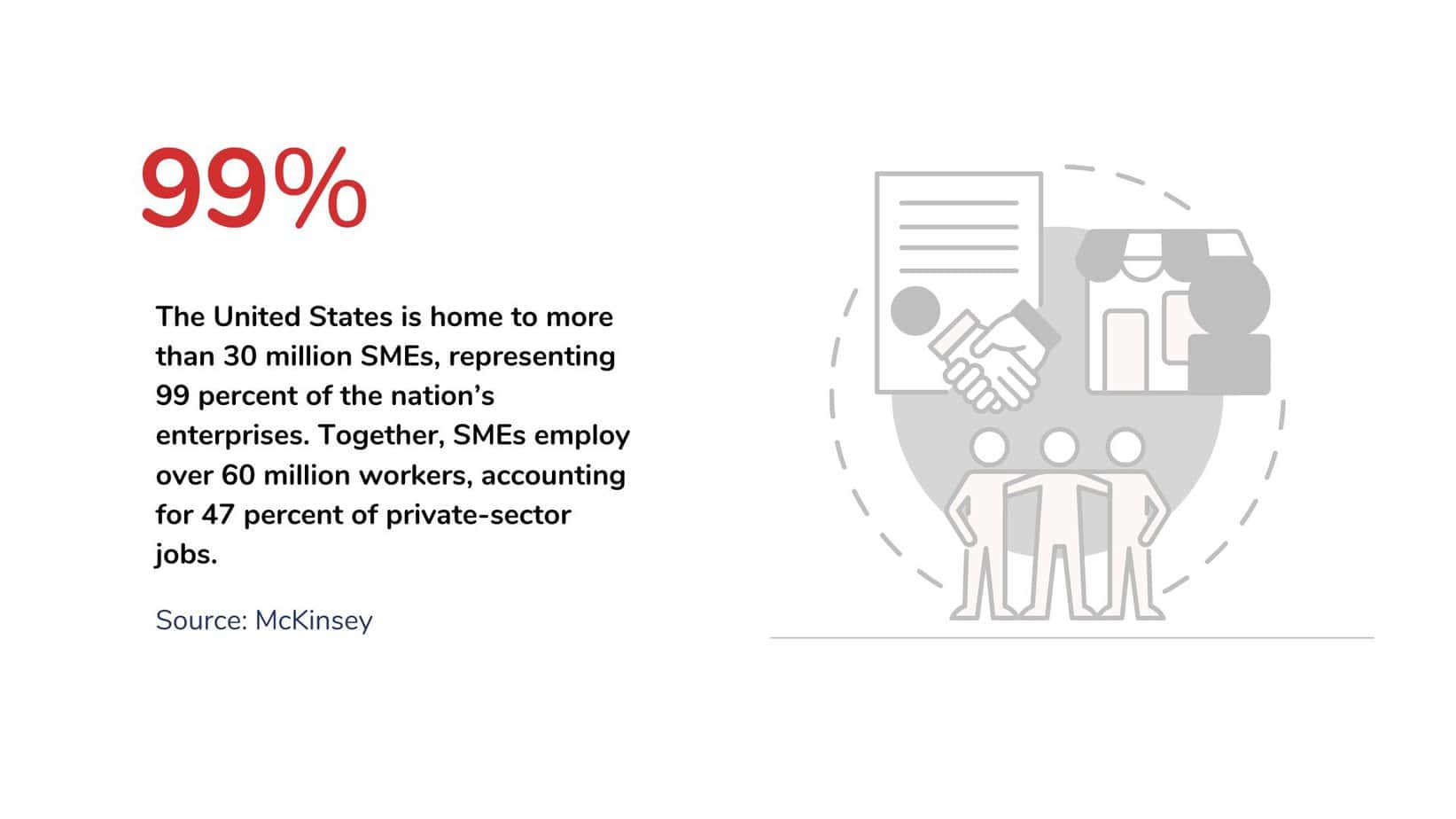
The financial potential is substantial, particularly in the United States, where over 30 million small businesses comprise 99% of the nation’s enterprises. They employ over 60 million workers, contributing to 47% of private-sector jobs. Small-business banking generates approximately $150 billion in annual revenue for the US banking industry across various products, including deposits, loans, cards, cash management, and merchant services. However, a recent report indicates that almost 34% of SMBs do not utilize credit but express the desire to do so, highlighting a potential gap in credit accessibility for these businesses.

30 million small businesses comprise 99% of the nation's enterprises
Key Takeaways
  • Challenges in External Financing: SMBs need help securing external financing, hindering their ability to achieve established objectives. Despite being a crucial client segment for banks, a significant portion (34%) of SMBs express the desire for credit but face barriers, emphasizing the need for improved financial support mechanisms.
  • Diverse Reasons for Lack of Financial Resources: The lack of credit access compels SMBs to seek alternative funding, with 8% relying solely on personal financing and others turning to friends and family. Common barriers include difficulties meeting collateral demands, inadequate financial documentation, limited investor awareness, and challenges navigating complex regulatory frameworks.
  • Risk of Closure and Urgent Need for Solutions: SMBs relying on personal savings and limited cash face closure risks, particularly in the retail sector. This highlights the urgent need for comprehensive financial solutions to address challenges such as insufficient funding, cash flow issues, and slowed sales expansion.
  • Rise of Corporate Credit Cards as a Strategic Tool: SMBs increasingly turn to innovative fintechs and financial platforms when facing limitations with traditional banks. Corporate credit cards have emerged as a popular choice, offering advantages such as interest-free access to working capital and flexibility in carrying a revolving balance. This shift underscores the crucial role of alternative financial solutions in supporting SMBs’ economic well-being and growth aspirations.

The Ongoing Struggles Faced by Retail SMBs in Securing External Financing

The Ongoing Struggles Faced by retail SMBs in Securing External Financing

Raising capital is getting more challenging by the day for SMBs as they find external financing sources to fulfill their capital requirements. One-third of the SMBs need help to find their footing while securing. These hurdles restrict their efforts and create a significant barrier to realizing the business’s established objectives. In the ever-changing retail market, where capital serves as the lifeblood for expansion, banks actively seek ways to support small businesses by offering new products and services.

Nevertheless, as of July of last year, just 47% of SMBs with yearly earnings of $10 million or fewer had the option of personal or business loan options. Different industries have different levels of financing access; 41% of small businesses have access to financing.

SMBs’ Struggle Due To Lack Of Financial Resources

The absence of credit access places SMBs in a challenging position, compelling them to seek alternative funding sources. Recent studies reveal around 8% of SMBs rely solely on personal financing, while many turn to friends and family for loans. This reliance intensified for businesses launched in March 2020, worsening challenges such as insufficient funding, cash flow issues, slowed sales expansion, and ineffective hiringβ€”a profound impact amid the great resignation. Other common reasons why businesses are unable to secure funding are:

  • Lack of Collateral:

Small businesses frequently encounter challenges meeting the collateral demands of traditional lenders. These financial institutions often necessitate tangible assets as collateral, posing a barrier for many SMBs that may need such assets. This limitation curtails their ability to secure loans based on conventional lending criteria.

  • Inadequate Financial Documentation:

SMBs often need help furnishing comprehensive financial documentation and statements that align with lenders’ requirements. The absence of financial records, audited statements, or reliable financial projections can impede their capacity to secure financing.

  • Limited Investor Awareness:

Attracting the attention of potential investors proves to be a struggle for SMBs. Venture capitalists, angel investors, and other investment firms may predominantly focus on more significant deals or possess limited knowledge about the opportunities presented by SMBs. This lack of awareness creates challenges for SMBs in finding suitable investors.

  • Regulatory Constraints:

SMBs frequently grapple with navigating intricate and evolving regulatory frameworks. Ensuring compliance with laws and regulations related to taxation, employment, health and safety, data protection, and environmental standards poses challenges, especially for smaller businesses with limited expertise or dedicated compliance departments.

SMBs relying on personal savings face a precarious situation as these resources deplete over time. Additionally, funds from friends and family may need to be improved to sustain daily operations, leading to a concerning trend. Approximately 8.6% of retail SMBs face closure risks, with retailers even at the higher risk of about 19% with access to less than $5,000 in cash. This underscores the urgent need for comprehensive financial solutions to support SMBs in steering through these critical challenges.

The Rise Of Corporate Credit Cards As A Strategic Tool

The Rise Of Corporate Credit Cards As A Strategic Tool

The limitations of traditional banks have paved the way for innovative fintechs and financial platforms open to extending favorable services to SMBs and their economic challenges. SMBs increasingly turn to external financing to overcome these hurdles, recognizing it as a pivotal strategy to avert closures and foster growth. And most SMBs plan to boost their workflow with their credit products to meet their diverse business needs.

Among the preferred options for financing, corporate credit cards emerge as a popular choice for SMBs. Leveraging corporate credit cards as a form of working capital offers numerous advantages. For instance, businesses utilizing these cards for supplier payments or services enjoy interest-free access to operating capital, with payments deferred by 30 to 60 days. Additionally, the flexibility to carry a revolving balance becomes invaluable during periods of tight cash flows. This shift in financial strategies underscores the evolving landscape where alternative financial solutions are pivotal in supporting SMBs’ economic well-being and growth aspirations.

Conclusion

Small and Medium Businesses (SMBs) encounter diverse obstacles when securing funding. These challenges range from limited access to bank loans to difficulties such as insufficient collateral, financial documentation, lack of awareness, and regulatory constraints. The unavailability of credit options compels SMBs to explore funding sources, often relying on financing or loans from friends and family. Unfortunately, this reliance puts a percentage of SMBs at risk of closure.

Acknowledging these difficulties, other funding resources like corporate credit cards have emerged as a tool for SMBs, providing them an interest-free way to access working capital. As traditional banks face limitations in meeting their needs, innovative fintech companies and financial platforms have stepped in to offer solutions that support SMBs in navigating uncertainties and fostering growth. Financial tools have become crucial for SMBs seeking sustainable economic well-being and striving to achieve their growth goals.

Verifone P400 Features and Specifications

PSR Proposes Cap On Cross-Border Card Fees To Safeguard UK Businesses

The UK’s Payment Systems Regulator (PSR) has proposed a groundbreaking measure by provisionally suggesting implementing a price cap on cross-border card fees or interchange fees for credit and debit cards. Primarily targeting major U.S. payment technology giants, Mastercard Inc. and Visa Inc., this move is orchestrated to shield UK businesses from potentially excessive interchange fees. The PSR has expressed initial concerns by unveiling its provisional report for the ongoing market review into cross-country interchange fees.

Visa and Mastercard might have elevated these fees to an unwarranted level, particularly in online retail payments between the UK and the European Economic Area (EEA). This provisional step by the PSR reflects a proactive stance to ensure fair practices and foster a conducive environment for businesses engaged in cross-border transactions, aligning with its commitment to regulatory vigilance.

Key Takeaways:
  • Regulatory Response to Fee Hikes: The PSR’s proposal for a cap on cross-country interchange fees directly responds to substantial fee increases by major payment technology giants, Mastercard and Visa. This regulatory action aims to alleviate the pressure on UK businesses facing elevated interchange fees, providing a safeguard against potentially excessive charges.
  • The Dominance of Mastercard and Visa: The proposed fee cap highlights the dominance of Mastercard and Visa, which collectively account for over 99% of online payments at UK businesses with EEA-issued cards. The PSR’s concern over potential market dysfunction emphasizes the significant impact of these two payment networks on cross-border transactions and the need to ensure fair practices.
  • Industry Pressure for Fair Practices: With the PSR advocating for a cap, the pressure on Mastercard and Visa to limit cross-border merchant fees in the UK intensifies. The proposed measures seek to protect merchants from heightened charges, addressing concerns raised by the PSR about the impact of fee increases on businesses, estimated to result in additional costs of Β£150 million to Β£200 million last year.
  • Exploration of Alternatives: The PSR’s actions demand immediate action to explore alternatives to reliance on Mastercard and Visa, surpassing the proposed cap. The suggestion to examine a digital alternative aligns with broader aspirations to develop a domestically grown payment solution, emphasizing the need for a competitive and resilient market in the evolving landscape of cross-border transactions.

Cap On Cross-Border Card Fees: Pressure Mounts On Mastercard And Visa

Cap On Cross-Border Card Fees: Pressure Mounts On Mastercard And Visa

Mastercard and Visa are facing pressure to limit cross-border merchant fees in the UK. The PSR recently updated its review of cross-country interchange fees for transactions between UK businesses and the EEA. The PSR is suggesting a cap to safeguard merchants from excessive charges.

This move comes in response to fee hikes by Mastercard and Visa and prompts the regulator to publish an interim report. The two payment networks, accounting for over 99% of online payment transactions at UK businesses with EEA-issued cards, raised their interchange charges for debit cards from 0.2% to 1.15% and for credit cards from 0.3% to 1.5% throughout 2021 and 2022.

Typically assessed per transaction and based on transaction type, these fees are a percentage of the total transaction value. While justifying the increases, Visa and Mastercard informed the UK’s Treasury Committee last year that the adjustments were necessary to counter the heightened risk of fraud in cross-border transactions. They also clarified that they, as payment networks, don’t directly benefit from the raised fee; instead, it goes to the customer’s card issuer.

The EU’s Interchange Fee Regulation has traditionally limited the interchange fee. However, since the UK’s departure from the EU in January 2020, this protection no longer covers domestic and cross-border transactions between the UK and the EEA.

Chris Hemsley, the managing director of the PSR, expressed concerns that the fees charged by Mastercard and Visa to UK businesses accepting payments from the EEA might be excessively high. He noted that the market doesn’t seem to function optimally, estimating that UK businesses paid an additional Β£150 million to around Β£200 million last year due to the fee increases.

A spokesperson from Mastercard provided a statement expressing disagreement with the conclusions reached by the PSR. The statement emphasized Mastercard’s commitment to educating the PSR on the significance of electronic payments to the economy of England.

In their statement, Mastercard asserts that in an intensely competitive payments market, interchange fees mirror the value delivered to consumers and businesses. They emphasize that Mastercard facilitates rapid, secure, and straightforward transactions, safeguards consumers from fraud, and fosters business growth in the UK and globally.

Similarly, Visa challenged the findings of the PSR in a separate statement, emphasizing the substantial value that secure, innovative, and reliable digital payments bring to UK businesses, particularly when engaging in international sales. Visa asserted that the interchange rates apply to less than 2% of UK card payments for EEA cardholders purchasing online from a UK seller, acknowledging the complexity and higher risk of fraud associated with these transactions.

The PSR is seeking input on the outlined proposals until the conclusion of January, with the last report anticipated in the first quarter of 2024. Suppose the PSR determines that all markets are not functioning effectively and deems it necessary to intervene. In that case, this report will be succeeded by a consultation on the proposed remedy package.

In a report commissioned by the government last month, it was suggested that Britain should explore a digital alternative to dependence on Visa and Mastercard, regardless of the PSR’s actions. This aligns with longstanding aspirations in the EU to develop a domestically grown alternative to the American payment duopoly, which has yet to materialize.

Why Is The Payment Systems Regulator Taking This Step?

Why Is The Payment Systems Regulator Taking This Step?

Cards are the market’s most widely used method to make payments for any purchase in the EEA and the UK. Therefore, it is imperative that the payments in the market function effectively.

These businesses incur interchange fees when consumers use Visa or Mastercard EEA-issued cards for online payment transactions within the UK markets. Following substantial increases in a few of these charges by Mastercard and Visa during 2021 – 2022, the Payment Systems Regulator has been evaluating these costs to see if they, along with other indicators, point to a market failure.

Initial worries have been voiced through PSR that Visa and Mastercard may have increased these costs to an unreasonable degree, which would have a detrimental effect on UK businesses. According to the PSR, as Visa and Mastercard cards account for nine out of ten transactions made online at UK-based companies employing cards issued by EEA, these enterprises have few options but must incur increased costs.

About Payment Systems Regulator

About Payment Systems Regulator

Established in 2013 by the Financial Services (Banking Reform) Act, the Payment Systems Regulator (PSR) is an independent economic regulator in the United Kingdom. Tasked with ensuring the development and operation of payment systems align with users’ best interests, particularly emphasizing consumer protections, the PSR plays a pivotal role in the financial landscape. Beyond safeguarding consumer interests, the PSR actively fosters competition and innovation within payment systems, promoting a dynamic and responsive economic environment.

Endowed with expansive authority, the PSR can issue “generally applicable requirements.” This authority encompasses the ability to give general directions to regulated payment system participants and impose broad requirements on the operators of such systems. Operating from its headquarters in the Olympic Park, Stratford, the PSR signifies a commitment to regulatory oversight and the continual evolution of efficient and secure payment systems in the UK.

Conclusion

The Payment Systems Regulator’s (PSR) groundbreaking proposal to cap cross-border interchange charges for credit and debit cards, mainly targeting major players like Mastercard and Visa, underscores its commitment to safeguarding UK businesses. The interim report, addressing potentially excessive fees in online retail transactions between the UK and the European Economic Area (EEA), demonstrates the PSR’s proactive approach to maintaining fair practices.

As pressure mounts on Mastercard and Visa, the proposed fee cap protects merchants from escalating charges, fostering a conducive environment for cross-border transactions. The PSR’s initiative reflects a dedication to regulatory vigilance, ensuring the optimal functioning of the market and signaling its commitment to consumer protection, competition, and innovation in the evolving payments in the market. The final report, anticipated in the first quarter of 2024, will further illuminate the regulatory direction in this critical domain.

Affirm and Blackhawk Network Collaborate to Expand Consumer Options for Gift Card Purchases

Affirm and Blackhawk Network Collaborate to Expand Consumer Options for Gift Card Purchases

Affirm, a payment network in the US, has joined forces with Blackhawk Network, a digital gift card distributor. This partnership offers consumers more options when buying gift cards, especially as they become popular during the holiday season.

Thanks to this collaboration, shoppers can use Affirm to purchase digital gift cards from a wide range of brands, including those in entertainment, dining, fashion, outdoor gear, and home products, among others. The process is simple: consumers undergo a quick real-time approval after selecting their desired gift card on Affirm’s website or app. Once approved, they can choose from various payment plans, some with 0% APR for qualifying purchases. The full cost is transparently displayed upfront, ensuring no surprise fees or extra charges later.

Key Takeaways:
  • Enhanced Gift Card Accessibility: Affirm’s collaboration with Blackhawk Network expands consumer options for purchasing gift cards, providing a seamless and flexible payment experience. With instant approvals and various repayment plans, including 0% APR options for eligible purchases, consumers can easily acquire digital gift cards from a diverse range of brands, from entertainment and dining to fashion and home products.
  • Transparent and Flexible Financing: Affirm’s platform ensures transparency in cost, displaying the full amount upfront without hidden fees. This transparency, combined with the flexibility of payment plans, aligns with consumer preferences and addresses the growing demand for clear and adaptable payment options, especially during peak shopping seasons like the holidays.
  • Strategic Partnership for Market Expansion: The collaboration between Affirm and Blackhawk Network leverages the strengths of both companies to tap into the rapidly growing digital gift card market. With Blackhawk Network’s extensive global reach and Affirm’s innovative financing solutions, the partnership is poised to significantly expand Affirm’s presence in the gift card sector and drive merchant fees through increased sales.
  • Commitment to Sustainability and Innovation: Beyond the partnership, both Affirm and Blackhawk Network demonstrate a commitment to environmental sustainability and innovation. Blackhawk Network’s collaboration with Visa to transition to more sustainable materials for prepaid cards reflects a proactive approach to reducing environmental impact. Meanwhile, Affirm’s comprehensive platform and diverse merchant partnerships underscore its dedication to fostering digital and mobile-based shopping experiences tailored to evolving consumer needs.

Affirm and Blackhawk Network’s Partnership In Gift Card Financing

Affirm has teamed up with Blackhawk Network, a leading digital gift card distributor in the US, to provide consumers with clear and flexible payment choices for buying gift cards. For those looking to purchase digital gift cards, Affirm offers a straightforward financing option. Customers can apply for a loan directly on the Affirm platform and receive instant approval. After approval, they can select from various repayment plans. What’s more, eligible purchases come with a 0% APR, meaning customers won’t pay any interest on the loan, making it an attractive option.

Affirm and Blackhawk Network's Partnership In Gift Card Financing

Becca Stone, Affirm’s VP of Strategic Partnerships, highlighted the company’s commitment to providing fair payment options. She mentioned that Affirm believes in not penalizing people for late payments or last-minute shopping, especially during the holidays. Stone pointed out that a recent survey by Affirm revealed that 70% of Americans plan to buy gift cards this holiday season. With Affirm’s clear and adaptable payment choices, customers can easily purchase these popular gift items. She also expressed excitement about the partnership with BHN, as it allows Affirm to reach new customers and broaden its network.

Customers can buy digital gift cards with confidence through Affirm’s platform, knowing the total cost upfront and without any surprise fees, even if they miss a payment. This transparent approach applies to various brands in dining, entertainment, fashion, home goods, outdoor gear, and more, available directly on Affirm’s website or app.

The recent collaboration with Blackhawk Network opens doors for Affirm in the rapidly growing digital gift card market. Blackhawk Network collaborates with around 37,000 partners and has roughly 400,000 global touchpoints. With Blackhawk Network serving over 300 million global shoppers daily, Affirm’s reach is set to expand significantly.

For Affirm, partnerships like this offer a chance to increase merchant fees by driving more sales through their financing options, especially their popular 0% APR plans. This flexibility, allowing customers to buy now and pay later in installments, aligns with the growing popularity of Affirm’s financing solutions.

Brett Narlinger, who leads Global Commerce at Blackhawk Network, mentioned that they’re enthusiastic about teaming up with Affirm as trusted partners to some of the world’s biggest brands. Together, they aim to offer consumers a clear and adaptable way to buy gift cards. Narlinger highlighted the rapid growth of digital gift cards, which are expanding at twice the rate of physical ones. With the US gift card market projected to hit $260 billion in the next three years, this partnership allows merchants to provide extra payment options for holiday shoppers, especially when shipping deadlines are tight.

Blackhawk Network’s Recent Strategic Collaborations and Initiatives

Blackhawk Network, a key player in global branded payment technologies, has pursued initiatives to foster stronger connections between brands and their stakeholders. The company’s multifaceted portfolio encompasses a variety of offerings such as Gift Cards, eGift products, promotion and distribution services for revenue enhancement, Rewards, and Incentives, and comprehensive Payment solutions that facilitate seamless fund transfers for businesses and consumers alike.

Environmental Sustainability Partnership with Visa

In a noteworthy move at the onset of September 2023, Blackhawk Network forged a significant partnership with Visa. The collaboration aimed to launch a global environmental sustainability initiative, signaling a commitment to eco-friendly practices.

As part of this initiative, Blackhawk Network announced plans to transition Visa open-loop prepaid cards offered through third-party retail networks from conventional plastic materials to more sustainable paper-based alternatives. This transition underscores Blackhawk Network’s dedication to reducing environmental impact while maintaining its robust payment solutions.

Expansion of Digital Distribution Capabilities with Recharge.com

Additionally, in July 2023, Blackhawk Network strengthened its existing partnership with Recharge.com, a leading digital marketplace. The expanded collaboration sought to enhance the digital distribution of gift cards across key markets in the US and Canada.

Through this strategic alliance, Blackhawk Network aimed to diversify its offerings on Recharge.com’s platform by introducing a range of e-gift and virtual prepaid card brands. Notable additions to the digital marketplace included merchant-specific gift cards, versatile open-loop cards, and multi-store e-gifts, thereby enriching the consumer experience and broadening Blackhawk Network’s digital footprint.

About Affirm

About Affirm

Affirm Holdings Inc. runs a platform that focuses on digital and mobile-based shopping in the US, Canada, and worldwide. Their platform offers various services like a point-of-sale payment solution for businesses, an app for consumers, BNPL solutions, and partnerships with banks and financial markets. This setup allows customers to spread out their payments for purchases over as long as 60 months.

The company serves a diverse range of merchants, from big companies to small shops, including those with both online and physical stores. These merchants come from various sectors such as outdoor gear, home goods, travel bookings, fashion, electronics, etc. Founded in 2012, Affirm is based in San Francisco, California.

About Blackhawk Network

About Blackhawk Network

Image source

Blackhawk Network, Inc. offers prepaid and payment services across the US and Canada. They provide various card-based financial products, including retail gift cards for popular brands, general-purpose gift cards, sports and event tickets, phone and telecom cards, and reloadable debit cards. The company also provides convenient services like CoinMaster kiosks, DVDPlay machines, in-store banking, ATMs, and an ACH payment network called Fast Forward. They distribute their digital content through gift card displays in various retail outlets such as mass retailers, grocery stores, and specialty shops.

Originally known as Blackhawk Marketing Services, the company changed its name in 2006. Founded in 2001 and based in Pleasanton, California, Blackhawk Network operates globally with offices in Germany, Canada, Mexico, the UK, France, and Australia. It functions as a subsidiary of Blackhawk Network Holdings, Inc.

Conclusion

The collaboration between Affirm and Blackhawk Network marks a significant step forward in enhancing consumer accessibility and flexibility in the digital gift card market. By combining Affirm’s innovative financing solutions with Blackhawk Network’s extensive network and brand partnerships, the partnership meets the growing demand for transparent and adaptable payment options, drives merchant growth, and expands market reach.

Moreover, the commitment to sustainability and consumer-centric initiatives further underscores the companies’ dedication to fostering responsible and inclusive commerce. As the holiday season approaches and the gift card market thrives, this strategic alliance sets a precedent for future collaborations prioritizing consumer empowerment and sustainable business practices.

Nuvei Corporation Launches Card-Issuing

Nuvei Launches Card-Issuing

Nuvei Corporation has rolled out its card-issuing solution in 30 countries worldwide. This means Nuvei’s clients can now provide their customers or staff with physical and digital white-label cards. By combining this new feature with its existing payment services, Nuvei offers itself and its clients a unique advantage.

This dual capability brings several advantages, such as same-day funding, streamlined processing, optimized interchange fees, and real-time transaction updates. Currently, the service covers 30 countries in the European Economic Area (EEA), with plans to expand to the US, Latin America, and the UK in 2024. Businesses can use these cards for various purposes, including virtual cards for B2B transactions with suppliers.

Nuvei Corporation Launches Card-Issuing
Key Takeaways:
  • Global Expansion: Nuvei Corporation has significantly expanded its global presence by introducing its card-issuing solution in 30 countries within the European Economic Area (EEA), with future plans to expand into the US, Latin America, and the UK in 2024. This move underscores Nuvei’s commitment to serving diverse markets and enhancing its global reach.
  • Enhanced Financial Operations: The introduction of Nuvei’s card solution offers businesses improved working capital efficiency and better transaction approval rates. This enables businesses to access funds promptly, streamline payouts, and increase the likelihood of transaction approvals, which is particularly beneficial in retail scenarios.
  • Innovative Payment Solutions: Nuvei’s collaboration with Curve and Microsoft showcases its dedication to fostering technological advancements in the payment industry. By partnering with leading platforms, Nuvei aims to optimize card transactions, offer new payment options, and provide localized payment solutions tailored to specific markets.
  • Client-Centric Approach: Nuvei’s Wallet-as-a-Service option and focus on custom-branded cards highlight its commitment to delivering tailored solutions for clients. By offering seamless integration, cost-effective distribution of funds, and opportunities for customer loyalty programs, Nuvei empowers businesses to enhance customer relationships and drive growth.

Nuvei Corporation Expands Global Reach with Innovative Card-Issuing Service

3 45

Nuvei Corporation, a leading Canadian FinTech firm, has introduced its card issuing service in 30 countries across EEA. This feature empowers Nuvei’s clients to furnish their customers, staff, or contractors with custom-branded digital and physical cards. The expansions to the US, Latin America, and the UK are also on the horizon.

Philip Fayer, Nuvei’s Chair and CEO, expressed excitement about this addition to their tech platform. He emphasized that this launch underscores their commitment to innovating for their clients across various sectors while expanding their market reach. A standout benefit of Nuvei’s cards is enhanced working capital efficiency. With virtual cards, businesses can promptly access and use funds from their customers, supporting their financial operations.

Nuvei’s card solution offers several advantages, including better transaction approval rates. When merchants issue refunds using Nuvei’s cards for physical and online purchases, the chances of transactions getting approved increase. This is especially useful in retail, where customers can conveniently spend their refunded money in the same store.

The system also streamlines payouts, making them both easy and cost-effective. Whether it’s physical or virtual cards, Nuvei’s solution allows quick distribution of funds to customers or employees, often at a lower cost than traditional methods. This feature can be particularly handy for scenarios like insurance payouts, online gaming, government benefits, or payments in the gig economy. Furthermore, merchant-branded cards can boost customer loyalty. By linking card usage with reward programs, businesses can incentivize repeat purchases and foster a stronger customer connection.

They also provide a Wallet-as-a-Service option, handling everything from start to finish for their clients. So, as soon as a transaction is completed, businesses can instantly create virtual cards to pay employees, suppliers, or other clients.

This capability finds a practical application in the retail sector, especially when merchants refund their customers using virtual or physical cards, and these customers subsequently utilize the refunded amount within the same store. Utilizing the same payment processor for card issuance and transactions enhances approval rates. The process is not only seamless but also cost-effective, as virtual and physical cards can be swiftly issued.

Businesses benefit from these cards by efficiently disbursing funds to their customers or workforce rapidly, often at a lower cost than traditional payouts to existing cards or bank accounts. The immediate usability of virtual cards adds value in scenarios where businesses or governments need to pay for segments of the population without access to traditional banking services.

Nuvei’s Partnership With Curve

4 31

In a recent development, Nuvei partnered with Curve, a banking platform, to make digital wallet payments smoother. This alliance aims to improve card transactions and bring new payment options to Curve’s platform. Using Nuvei’s technology, Curve can efficiently process VISA and Mastercard payments, ensuring transactions are approved more often while keeping costs in check.

Additionally, Nuvei has expanded its footprint by opening an office in China. This strategic move reflects Nuvei’s goal to support online businesses in the Asian-Pacific market. They’re committed to helping e-commerce companies in the region grow internationally by offering both global reach and local market know-how.

Montreal’s fintech company, Nuvei, also teamed up with Microsoft. This partnership aims to use Nuvei’s flexible payment technology in the Middle East and Africa. Microsoft plans to tap into Nuvei’s expertise in local markets to enhance payments for subscription services and individual purchases, including their popular Xbox and Office products.

Ajith Thekadath, Microsoft’s Vice President of Global Payments, highlighted the importance of smooth transactions for their customers, whether making a one-time purchase, subscribing to software, or buying in-game items. He expressed enthusiasm about expanding their payment solutions to Africa and the Middle East by collaborating with Nuvei, making payments more accessible and convenient for users.

Furthermore, Microsoft will benefit from Nuvei’s global payment capabilities, which include better transaction approval rates and effective risk management to reduce payment errors. Additionally, Nuvei’s system allows Microsoft to offer local payment options specific to each market, all through a single integration.

About Nuvei Corporation

Nuvei Corporation Expands Global Reach with Innovative Card-Issuing Service

All images source: Nuvie

Established in 2003, Nuvei Corporation stands as a global leader in providing cutting-edge payment technology solutions. With a widespread presence across Europe, North America, Africa, the Middle East, Asia Pacific, and Latin America, Nuvei’s mission is to empower merchants and partners with seamless payment experiences. At the core of Nuvei’s offerings is a robust platform that transcends geographical boundaries, allowing customers to effortlessly make or accept payments irrespective of their device, preferred payment method, or location.

Nuvei goes beyond conventional payment solutions by offering a turnkey system designed to deliver frictionless payment experiences. In addition to its innovative payment technologies, Nuvei provides a diverse suite of data-driven business intelligence tools and risk management services.

The company’s go-to-market strategy involves the distribution of its solutions through both indirect and direct sales channels. Nuvei tailors its offerings to meet the needs of Small and Medium-sized Businesses (SMBs) and collaborates with eCommerce resellers to extend its reach and impact. Headquartered in Montreal, Canada, Nuvei Corporation operates with a commitment to excellence and a vision to redefine the landscape of payment technology.

Conclusion

Nuvei Corporation’s introduction of its card-issuing solution marks a significant stride in the FinTech industry, amplifying its global footprint and bolstering its comprehensive payment offerings. The dual capability of physical and digital white-label cards promises enhanced financial flexibility and efficiency for businesses across various sectors.

As Nuvei continues to expand its reach into new markets and forge strategic partnerships with industry leaders like Curve and Microsoft, it underscores its commitment to innovation and client-centric solutions. By seamlessly integrating advanced payment technologies with data-driven insights and risk management services, Nuvei remains poised to shape the future of frictionless payment experiences worldwide.

Merchant Account For Content Downloads

PayPal Takes Action Against Chargeback Fraud

Merchants often face chargeback challenges, especially when customers dispute transactions or claim items weren’t delivered. This situation can strain a business’s resources and impact its revenue. Merchants might feel vulnerable to these chargeback issues without the right tools and data. Making matters more complex, incorrect fraud prevention strategies can lead to significant financial losses and damage a business’s reputation. Recognizing this challenge, PayPal is taking steps against chargeback fraud.

PayPal has informed its users and sellers about upcoming changes to its terms of service aimed at better protecting against chargeback fraud. Specifically, PayPal has warned sellers that they risk having payments reversed if they don’t promptly and accurately respond to customer claims or chargebacks. Additionally, PayPal is eliminating the option for buyers to claim items not received for chargeback disputes related to credit card purchases. These changes indicate PayPal’s commitment to enhancing security and reducing fraudulent chargebacks for its users.

Key Takeaways:
  • Policy Updates: Effective January 16, 2024, PayPal is refining its Seller Protection policy. The key change excludes seller coverage against Item Not Received claims from credit card chargebacks. This shift is part of PayPal’s strategy to manage financial risks and reduce liabilities.
  • Impact on Sellers: The revised policy means sellers using PayPal may face increased vulnerability to financial losses from chargebacks. While protection against unauthorized transactions remains intact, eliminating coverage for certain Item Not Received claims requires sellers to be more vigilant and proactive in their transaction management.
  • Fraud Prevention Challenges: Friendly fraud, where buyers deceitfully dispute genuine transactions, has increased. PayPal’s adjustments come as a response to the surge in payment fraud since 2019, further intensified during the COVID-19 pandemic. The changes reflect PayPal’s commitment to enhancing security measures and reducing fraudulent activities within its platform.
  • Merchant Precautions: To mitigate the risks associated with friendly fraud and chargebacks, merchants are advised to adopt a series of best practices. These include maintaining comprehensive transaction records, leveraging PayPal’s seller protection features like QR codes for in-store payments, adhering to shipping guidelines, and promptly responding to PayPal’s communications regarding disputes. By implementing these measures, merchants can enhance their defense against potential financial setbacks and protect their business reputation.

PayPal Is Taking Steps Against Chargeback Fraud: PayPal UpdateS Seller Protection Policy

PayPal Is Taking Steps Against Chargeback Fraud:  PayPal UpdateS Seller Protection Policy

Effective January 16, 2024, PayPal is updating its Seller Protection policy, no longer offering coverage for sellers when buyers claim Item Not Received through credit card chargebacks. Previously, sellers were shielded from such cases if the transaction met specific criteria.

Under the current policy, PayPal’s Seller Protection could come into play when a buyer alleges an “Unauthorized Transaction” or “Item Not Received.” However, for the latter, sellers must ensure the transaction is marked as “eligible” on the Transaction Details page to qualify for protection.

The revised policy protects unauthorized transactions but excludes Item Not Received claims resulting from chargebacks on card-funded transactions. This change could expose sellers to financial risks from chargebacks they were previously safeguarded against.

This adjustment is part of PayPal’s ongoing efforts to manage costs and reduce liabilities. Notably, last year, PayPal’s decision to end the Return Shipping On Us program just before Black Friday drew criticism from buyers.

PayPal, based in San Jose, California, is revising its policies in response to the surge in payment fraud since 2019, particularly intensified during the COVID-19 pandemic in 2020, which saw a significant uptick in online orders. Notably, there has been a rise in chargeback fraud, where individuals deceitfully purchase items and then seek refunds under false duplicities.

This type of fraud is, most of the time, friendly fraud. Friendly fraud can be referred to as frauds that are unorganized or unplanned. In such cases, perpetrators make a genuine purchase using a credit or debit card, only to dispute the transaction afterward, aiming to secure a refund despite having already received the goods or services, the reason can be anything whether the customer doesn’t like the product or just thinks it is not what they were expecting.

PayPal advises closely examining the notices and getting acquainted with the upcoming changes. If you continue using our services after implementing these changes, you agree to abide by them. If you have no objections, no additional steps are required from you. However, if you choose to decline the changes, you must close your PayPal account before the specified effective date, as outlined in the user agreement.

How Will PayPal’s New Policy Changes Affect Businesses That Use It For Payments?

PayPal Takes Action Against Chargeback Fraud

Essentially, PayPal’s recent adjustments don’t simplify matters for businesses, especially when there’s a rise in cases of friendly fraud. Previously, PayPal offered certain advantages over traditional credit card transactions with other payment providers. With these changes, businesses using PayPal need to take extra steps to prove they’ve delivered products or services to customers.

Additionally, taking precautions might not always guarantee protection. Many credit card issuers tend to be forgiving when cardholders dispute charges. This leniency is often exploited, with some individuals falsely claiming items arrived damaged, weren’t delivered, or even that they didn’t make the purchase at allβ€”known as first-party misusage. Surprisingly, a recent study revealed that 23% of consumers admitted to such deceptive practices.

Furthermore, PayPal is no stranger to scams, with numerous reports of merchants falling victim to fraudulent schemes within its community. To put it into perspective, merchants expect a staggering $117 billion in 2023 due to chargebacks, as estimated by Justt. Given these alarming figures, the recent adjustments to PayPal’s Seller Protection Program only add to the challenges merchants face.

What Businesses Can Do?

To safeguard against the risks of friendly fraud in PayPal transactions, merchants can take several proactive measures. Firstly, collecting detailed information for each sale is essential, such as the buyer’s name, address, and card details. Secondly, for in-store payments, using PayPal’s goods and services QR code can help ensure you’re covered by PayPal’s seller protection program.

Additionally, when shipping items, always send them to the address in the PayPal Transaction Details because redirecting shipments could jeopardize your protection. Choosing trusted shipping services over unfamiliar ones is also advisable, even if the buyer suggests it. Keeping records of shipments and deliveries is crucial; this documentation can be invaluable if PayPal investigates a chargeback claim. Lastly, always respond promptly to any communications from PayPal regarding disputes, ensuring that any specified deadlines are met.

About PayPal

Paypal Seller Fees in 2023
image source: Paypal

PayPal Holdings, Inc. is a leading global company that offers a technology platform to facilitate digital payments for businesses and individuals worldwide. Serving a diverse range of customers, the company operates various payment solutions under multiple brand names such as PayPal, Braintree, PayPal Credit, Xoom, Venmo, Hyperwallet, PayPal Zettle, Paidy, and PayPal Honey.

With its extensive reach, PayPal’s platform allows users to make and receive payments in roughly 200 markets. This broad coverage extends to supporting transactions in approximately 150 different currencies. Furthermore, users can directly withdraw their funds in 56 different currencies to their bank accounts. Additionally, the platform enables users to maintain balances in their PayPal accounts across 25 different currencies, providing a versatile and convenient way to manage money internationally.

Founded in 1998, PayPal has established its headquarters in San Jose, California, and has since become a prominent player in the digital payment industry. Its innovative solutions and widespread accessibility have contributed to shaping the landscape of online transactions, making it easier and more efficient for businesses and consumers alike to engage in electronic commerce.

Conclusion

PayPal’s proactive measures against chargeback fraud signify a pivotal shift in the digital payment landscape, emphasizing the company’s commitment to security and reliability. While these policy adjustments may pose challenges for sellers, particularly in addressing friendly fraud, they also underscore the importance of diligence and robust transaction management.

As businesses continue to adapt to evolving payment environments, staying informed and implementing best practices remain paramount. PayPal’s role as a global leader in digital payments reinforces the significance of these changes and offers a glimpse into the future of secure and efficient online transactions.