

Top eCommerce Trends For 2024

Top eCommerce Trends For 2024

The eCommerce industry is facing challenges like never before. New disruptive technologies are here to change everything, including customer behavior. These technological changes are deeply impacting the way the industry has been functioning until now. To sustain growth, businesses will have to adapt to these changing eCommerce trends in 2024.

AI and augmented reality are developing faster than we had imagined, and they will significantly transform the eCommerce market. This will not only generate a new set of challenges for the market dynamics and businesses but also ultimately change consumer behavior and shopping patterns.

While we explore the top eCommerce trends for 2024, we will understand the key developments that are set to define the industry and provide in-depth insights into the evolving digital marketplace.

Retail e-commerce sales worldwide from 2014 to 2027

Source: Statista – Project eCommerce trends

Top 10 Amazing eCommerce Trends For 2024

Let us understand the top 10 amazing eCommerce trends that we will witness in 2024.

1. Use Of AI For Personalization

AI is teh buzz word today. From smart watches to high tech aircrafts, AI impacts every aspect of our lives. eCommerce trends are not an exception. The first impact that we are already witnessing are the way how businesses are interacting with their customers on their onlinestores. Most of the times when you start a chat with the online support of any popular eCommerce portal, it is the AI that interacts with you first. This eCommerce trend of using AI for primary interaction uses big data to act like a person who can think. It also can analyze how customers act to give better ideas and replies. AI is really good at personalization, changing user experiences.

Businesses worldwide are turning to artificial intelligence to make customer experiences more personal. 92% of companies are using AI-based personalization to help their businesses grow.

This integrated approach also makes customers happier. The response is fast, accurate and highly personalised. It can lead to stronger customer loyalty and make more people want to buy their products or services. As tech and data analytics improve, AI becomes an even more helpful and impactful tool for E-commerce owners. It will help the owners in all aspects of eCommerce selling and generate more revenue through personalized strategies.

2. Voice Search

Voice search is no longer a new thing. All the top-notch eCommerce stores use it. People prefer to use voice search as evident from many surveys. . It’s changing how we shop. You can use a voice assistant on your phone, or your smart home hub, or even your TV remote. They’re smart tools that obey our commands. Voice searches are becoming popular, and this change affects shopping outcomes and searches. This eCommerce trend will impact the online shopping experience and direction this year and beyond. If your online store doesn’t have a voice search then better add it before you are left behind.
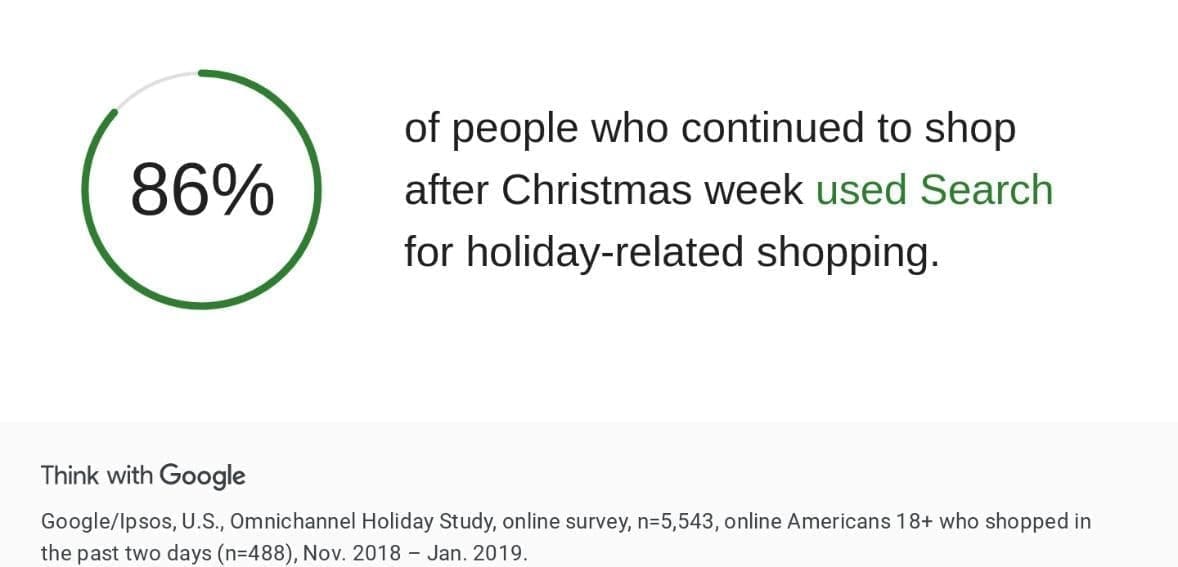
People using voice search during christmas graph

Source: Think With Google

Your website or app should be ready for the voice search. Some important information like your address, phone number, and business hours should be easily searchable. Studies show about 71% of folks prefer asking voice questions to typing. About 51% use voice commands to look up products before buying. A surprising 22% of consumers buy directly via voice commands. And about 17% use it to reorder their favorites with ease. So, this is one eCommerce trend that you cannot ignore.

3. Customer Care And DMs

Over the years, customer care has been an integral part of the shopping experience. Especially when the customer wants to exchange or return a purchased product. But, things changed in the recent years. Customer service is playing a crucial part now, even during sales. And all this is happening because customers want to talk before they buy.

Businesses have been using social media to promote their products. Customers now prefer to talk to businesses via social media. Customers prefer to ask their questions first rather than visiting the website or downloading the app through the link provided in the post. DM or direct messages are nothing new but with the use of social media it is seeing an exponential growth.

Customer Care And DMs

Source: HelpScout

And the numbers tell the story. 83% of customers who interacted for the first time are being changed to loyal customers by the customer support team. 93% of people are more likely to buy from a business again if they get top-notch service. In the busy world of online shopping, people want their shopping to be easy and prefer an instant interaction with brands.

People prefer to shop where they get to find their choice of product quickly. Customer care interecation helps in achieveing that. This also makes the buyer feel at home as they are being helped in something which they used to do themselves in the past – that is search their product on the store. This eCommerce trend in customer support will certainly get more competitive and advanced with emerging technologies. Therefore it is important for an eCommerce store to upgrade and train their customer care team to use the best of this opportunity offered by the changing online shopping trends.

4. Multiple Payment Methods

Shops sticking to old ways of payment, such as cards or checks, might lose many customers. More people are using mobile wallets. Examples are Apple Pay, Google Pay, Venmo, and PayPal. People want to pay in a quick and safe way. About 64% of people use mobile wallets as much as old payment ways. Almost 51% of customers are ready to stop shopping from merchants who do not have a digital wallet for payment. Fifty-one percent of people say they would stop shopping with a merchant that doesn’t accept payments from digital wallets.

4. Multiple Payment Methods

Source: Forbes

Businesses also should not ignore other ways like wire transfers and ACH payments. These cater to a wide customer base. Online stores can lure low-spenders by offering payment plans like BNPL with no extra fees. This way, they will not have to pay the entire amount while shopping. They can pay in installments later. In the same way, physical shop owners should also offer online payment options. It is a safer, faster way for customers to buy things. If businesses use tap-to-pay at their checkout, it will make payment easier and smoother. It can keep up with the top eCommerce trends of today’s customers.

5. Subscriptions

In our tech-focused world, companies are using subscription models more and more. They want to keep customers coming back and help increase revenue. This is although not a new idea but with the availability of better technology, faster and easily subscription options can be offered to the customer. Subscriptions bring in more loyal customers than any other form. This has shown great results online as clever business people have creatively turned their offerings into subscriptions and kept customers interested for a long time. Subscriptions in the eCommerce market is projected to expand to $330.58 billion in 2024.

Despite this, successful subscriptions aren’t easy. They need careful planning and exact focus on several details. These are factors like how much they cost, how well they fit into technology, and changing the role from just helping customers to making them succeed in generating additional revenues. A top example of a retail subscription model that works well is Amazon Prime. By giving members things like streaming services, super-quick delivery, and special offers for a monthly or yearly payment, Amazon has built a whole network of customers that keep returning.

6. Short-form Videos To Educate

Short-form video is a rapid, enjoyable way to educate consumers about the diverse products that you have to offer. The younger generated get influced by short videos quickly. As noted by Influencer Marketing Hub, creating short-form videos is a top content marketing trend for 2024 to gain attention and loyal customers. This not only demonstrates the power of this format in connecting with shoppers but also emphasizes its importance in the top eCommerce trends for 2024.

Nowadays, brands cleverly use these videos with the help of influencers to highlight product features more efficiently. This enhances the changes of social sharing which is an added bonus during promotion. This includes branded influencer, and user-generated videos. It could be a swift product demonstration or a unique peek behind the scenes of a product’s production. Regardless, short-form videos are an effective way to keep consumers intrigued and, in the end, enhance sales.

7. D2C Model Is The Future

Another eCommerce trend that is here to stay for long is the D2C model that many small businesses are adoping. Consumers are showing a growing preference for direct-to-consumer (D2C) shopping as it offers them more control and insight into their purchases. This business model, cutting off the retailer, provides a diverse array of products, from footwear and eyewear to personal care items, all at competitive rates. In 2024, D2C e-commerce sales in the US are anticipated to increase by 16.4%, reaching a total of $197.11 billion.

The traditional retail scene has been shaken up by the rise of D2C sales in different markets. Emerging ecommerce websites suggest this progression won’t decelerate soon. As intereaction with the customer is increasing during sales, a D2C has an advantage over a traditional retail to customer model. The customer get a more personalized experience and tend to stay loyal for a long time.

8. Omnichannel Approach is the Key

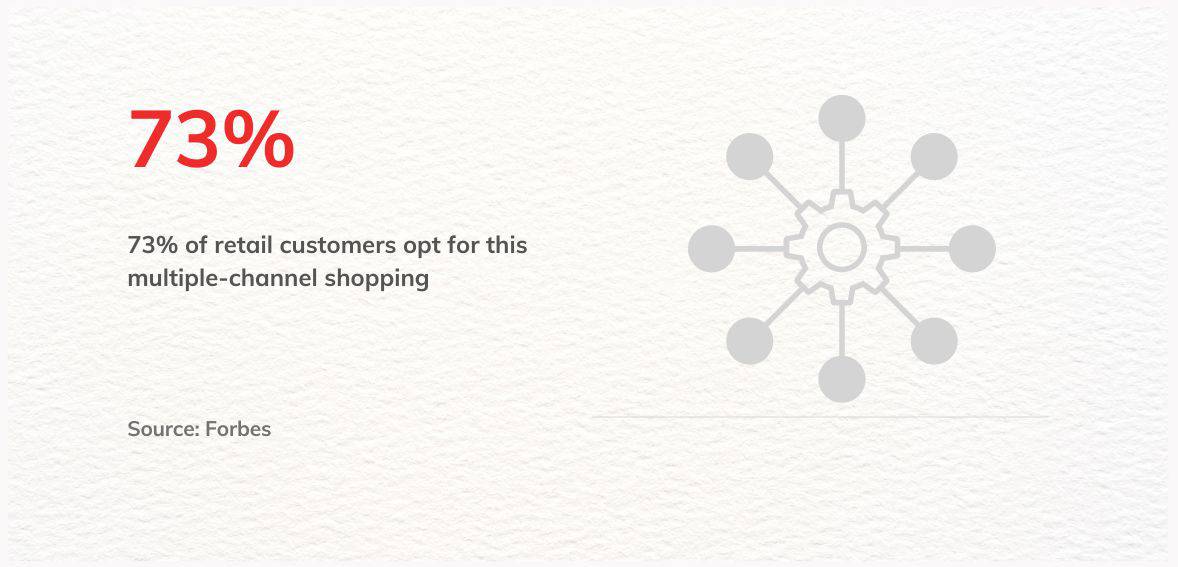
In 2024 the success of businesses depends on how they merge pm;ome amd online shopping spaces. Studies support this shift in consumer behavior. Now, shoppers prefer going through different channels even if they have to buy one product. They might be looking for additional discounts, or to have a better shopping experience, or just match things on different platforms, they prefer to go to many places before buying. From online storefronts to virtual marketplaces on third-party platforms and to traditional walk-in stores, consumers prefer to check every option while making a final decision to buy. A whopping 73% of retail customers opt for this multiple-channel shopping, underscoring the necessity for a united brand experience.
Omnichannel Approach is the Key

Source: Seller App

Retailers need to have an active presence on multiple platforms. They shouldn’t neglect their website, social media handles, or third-party virtual buying platforms like Amazon. Retooling the omnichannel customer experience using backend unification, retailers can guarantee smooth shifts between different channels for customers.

9. TikTok Is Still Leading

As we have already mentioned earlier, small videos can help educate the customer faster than any other media. Many brands are using this platform’s potential to promote their offerings via short video content. TikTok has a unique capacity to create viral trends (like Stanley Tumblers) and reach to a big audience faster as compared to any other social media platform. It is highly popular among younger demographics, especially Gen Z and it easily captivates its audience. It has all the power to convert an audience to a loyal customer in a short period of time.

In 2022, a survey indicated that TikTok ranked as the top social media platform for impulse purchases. Another study conducted in the same year found that over seven out of ten TikTok users globally initiated shopping immediately upon encountering items in feeds or live stories. This trend was particularly notable among app users in the United States.
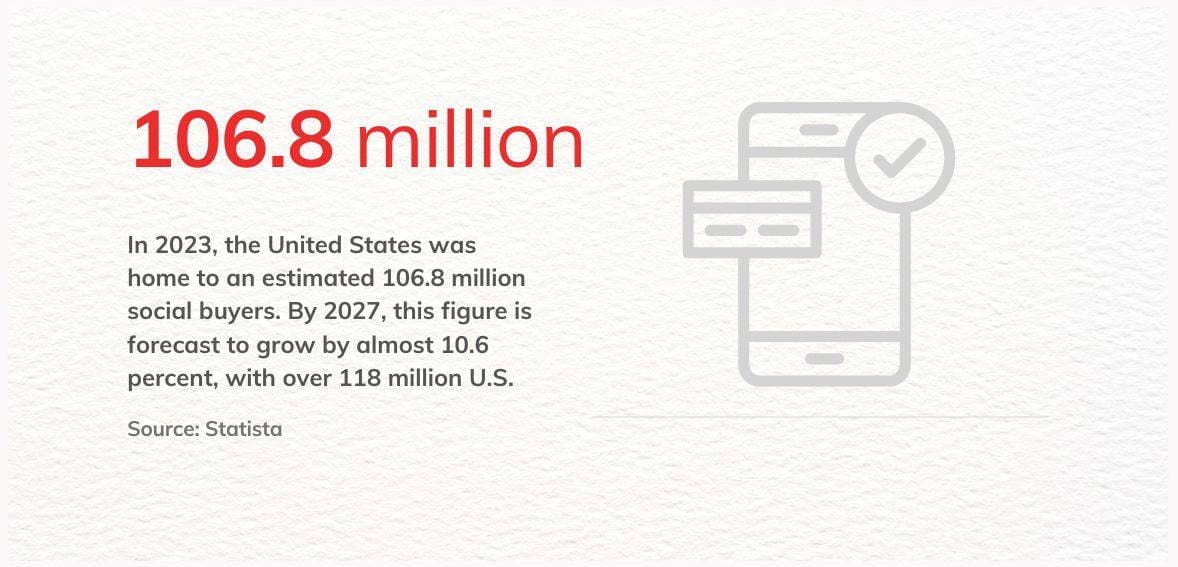
social buying statistics for the US

Source: Statista

Irrespective of the business size, this eCommerce trend is not only opening new options for revenue but also changing the way how customers behave and interact with the brand.

Conclusion

 Online shopping is changing quickly and businesses need to keep pace with the fresh eCommerce trends for staying relevant in 2024. Using Artificial Intelligence for personal touch is crucial. It uplifts user experiences and strengthens customer trust. More people are using voice search, making it important for eCommerce websites to adapt to this changing consumer habit to stay ahead of the competition. Direct chats for customer service are getting more focused on increasing sales than ever before.

Quick and customized responses on social media platforms can change inquiries easily into sales and loyal customers who feel that they get personalized and preferential treatment during shopping. Multiple payment option is the requirement of the day if you do not want card abandonment. D2C sales are growing and sort videos over social media are helping in bring this huge change. Also, a multi-channel approach matters since customers are now shopping from various platforms. In the constantly changing online shopping world, grasping and applying these trends is important for ongoing growth in the ever-changing digital space of 2024.

Frequently Asked Questions

  1. Q: What is the future of e-commerce in 2024?

    The e-commerce landscape in 2024 is poised to amplify its focus on sustainability and eco-friendliness, a trend gaining significant traction in recent years. Consumers anticipate e-commerce platforms to provide eco-friendly options, minimize packaging waste, and adopt sustainable practices.

  2. Which are the largest e-commerce companies in the world?

    Leading the global e-commerce scene are prominent players such as Amazon, Walmart, The Home Depot, Alibaba, Reliance Industries, Prosus, and Costco Wholesale Corporation.

  3. What products do Gen Z buy the most?

    Gen Z’s spending habits reveal a keen interest in fashion, makeup and beauty products, technology, and caring for their pets. These preferences may be attributed to their youthful age and fewer major financial responsibilities.

  4. What social media channels do Gen Z use?

    Gen Z’s online presence is unmistakable, with Instagram, TikTok, and YouTube emerging as their preferred platforms. Notably, Gen Z actively seeks out new brands more than any other consumer generation, showcasing a dynamic engagement with emerging trends.

Ecommerce Hacks

Top eCommerce Hacks To Increase Success in 2024

If you’re looking to boost your eCommerce business and increase sales multifold, then you are in the right place. Today, we’ll explore some eCommerce hacks that will elevate your ecommerce store from good to great in no time. Whether you are an entrepreneur or new to eCommerce, these tips will help you achieve success and outshine your competition.

Understanding Ecommerce and its Growth

Ecommerce has evolved over the years. From just a website where people sell or buy goods or services online to the most favorite place to shop, e-commerce has grown exponentially over the years. The convenience of shopping anytime from anywhere has made eCommerce a popular choice for consumers globally.

The key to understanding the expansion of eCommerce lies in its ability to adapt to evolving consumer behaviors and technological advancement. As more people shift towards online shopping, businesses have embraced this trend by creating digital platforms that provide personalized experiences and swift transactions.

As technology progresses, the world of online shopping also evolves. From shopping to AI-powered suggestions, there are unlimited opportunities for businesses seeking to grow their online presence and connect with a broader customer base. If you put your efforts into understanding these eCommerce trends, you can boost your eCommerce business towards success in today’s competitive market.

9 eCommerce Hacks to Increase Success in 2024

Here are some important hacks that can propel your eCommerce to a new level. You can implement These time-tested strategies to increase your eCommerce success in 2024.

The Significance of User Experience

If you are an eCommerce business selling your products online or a brick-and-mortar business, user experience is the first thing that you should focus on. Especially in eCommerce, a smooth and user-friendly website design can significantly influence how visitors engage with your store. Every step of the user journey should be optimized for a positive and enriching experience. Be it navigation, product suggestions, or the product description, you should focus on enhancing each aspect and improving.

The modern consumer has a low attention span and then wants everything fast. Therefore, be it your website or shopping app, it should load fast. Customers expect easy and quick access to products and information. Speed matters in the modern eCommerce world, and you should never neglect it. A slow app or a website destroys the customer experience, and you can easily lose the customer forever.

Personalization is another important aspect that you should focus on to improve user experience. By creating a customized shopping experience that resonates with customers’ choices, you can win loyal customers easily and increase success rates. You should wisely use data insights to suggest products. The suggestions can be based on purchases, browsing history, or other criteria. The use of AI can help you further improve the user experience.

Robust and responsive customer support is another secret to improving customer experience. If you have strong customer support, you can stay assured that the customer trusts you and will stay loyal for a long time. You can use live chat support, chatbots, prompt email responses, an easy ticket system, a comprehensive FAQ page, or easily accessible phone support. Customers should always feel that you care about their problems and are always ready to give a solution.

User-generated content enhances the trust value. People want to know the opinions or feedback of other customers who have already used your product or services. And therefore, if you allow your customers to post reviews, experiences, or testimonials, it enhances credibility.

Email Marketing is Still The King

Email marketing is and has always been the king when it comes to boosting eCommerce sales. The best way to shoot emails is by segmenting your customers based on personal preferences and behavior. Personalizing your email marketing strategy can result in higher conversion rates and engagement levels.

By crafting captivating emails, you will not only motivate your customers to click the link to buy or read but also you will get the best out of every penny you spend on email marketing. Keep the emails brief, clear, and relevant to the content. A strong subject line can greatly influence the success of your email campaigns.

There are many options available today for email marketing automation that sends targeted emails to different sections or sets of customers at times. Triggered emails based on customer actions, such as abandoned carts or past purchases, can effectively drive conversions. Here are some important sites which you can use for email marketing.

  • AutoPilot
  • EngageBay
  • Omnisend
  • SendinBlue
  • GetResponse
  • Pabbly
  • Campaign Monitor
  • SendX
  • BayEngage
  • Constant Contact
  • AWeber
  • Moosend
  • Flodesk
  • Mailmodo
  • ActiveCampaign
  • iContact
  • MailChimp
  • Canary Mail
  • Ontraport

Remember to optimize your emails for all modern devices so that users can easily read or access them. A mobile or tab-friendly email design is essential to get the best out of your email marketing campaigns.

You should encourage customers to share reviews or provide feedback through email campaigns. Positive reviews help establish trust with buyers and can lead to increased sales over time.

Use of Social Media To Achieve Success

The impact of social media on individuals and society is not a hidden fact. Social media has also revolutionized the way how businesses reach their consumers. Social media marketing is cheaper and has a broader reach as compared to traditional ways through ads. You should use social media in your favor to increase your sales and eCommerce success. You can easily use platforms such as Instagram, Facebook, and Pinterest to promote your products or services.

The first step to success in social media promotion is attractive content that is appealing and resonates with your target demographic. Compelling images or videos can capture interest and direct traffic to your eCommerce website or app. You can also directly sell your products and services on many of these platforms.

Remember that interacting with your target audience on social media is the key to success. Always respond to comments quickly and in a positive way. Also, respond to positive or negative feedback promptly. Thanking someone for a positive review will give it a personal touch and will show that you care about their opinion and want them to buy your products again. For negative reviews, you can respond with positive gestures and show your eagerness to find a solution. Furthermore, running advertisements on these platforms can expand your reach among audiences in your offerings.

The role of influencers is another factor that you should not neglect. Influencers enjoy a huge fan base who listen to them. You can hire or talk to some good influencers on social media who can endorse your products to your target audience.

Integrating user-generated content into your social media can humanize your brand further. This will also promote a sense of community among your clientele. Encouraging customers to share their experiences through reviews or testimonials adds authenticity to your brand on social media. Social media can be used for brand recognition and to enhance your reach to newer audiences.

Increasing Website Traffic through Thoughtful Giveaways

Implementing strategic giveaways can be a useful tactic to attract more visitors to your online store and enhance brand recognition. By offering prizes or discounts, you have the opportunity to draw in customers and entice existing ones to return.

When organizing a strategic giveaway, it is important to select prizes that align with the interests of your target audience. This ensures that participants are genuinely interested in what you have to offer, which can lead to conversion rates in the future. Promoting your giveaway across platforms like social media and email newsletters or while collaborating with influencers can help broaden its reach.

But before you start the giveaway campaigns, carefully draft a proper set of rules and guidelines for participants to prevent any confusion. Additionally, setting clear objectives for the campaign, whether generating leads, increasing sales, or driving traffic, can help you measure its success.

Monitoring metrics such as website traffic, engagement levels, and conversions can provide valuable insights into its impact. Analyzing this data enables you to further refine your approach and improve your giveaway strategy.

Boosting Online Visibility through SEO Strategies

When aiming to enhance your ecommerce business, employing SEO tactics is essential for improving visibility and attracting traffic to your online shop. You can start with some basic research on keywords and terms that customers are searching for. You can use some of the following tools for your research. Optimize your website content with these keywords to improve ranking. Post new and exciting content related to these keywords.

Creating keyword-based, captivating content that offers your audience value can exponentially boost your traffic. This may involve crafting blog posts, product descriptions, and landing pages optimized for users and search engines. Another critical aspect of SEO is getting backlinks from websites within your industry. These backlinks indicate to search engines that your site is reliable and has a certain level of authority.

Evaluate the performance of your SEO strategies using the tools suggested below. Track important metrics like organic traffic, bounce rates, and conversion rates. This data will assist you in refining your SEO tactics for better outcomes. SEO is a long-term and ongoing process, and the following tools can help you in your keyword research and traffic analysis.

  • Google Analytics
  • Semrush
  • Google Trends
  • Google Keyword Planner
  • Ahrefs
  • AnswerThePublic
  • Keyword Magic Tool
  • Google Search Console
  • Keyword Surfer
  • SE Ranking
  • Ubersuggest
  • Moz

Exploring Multi-Channel Marketing

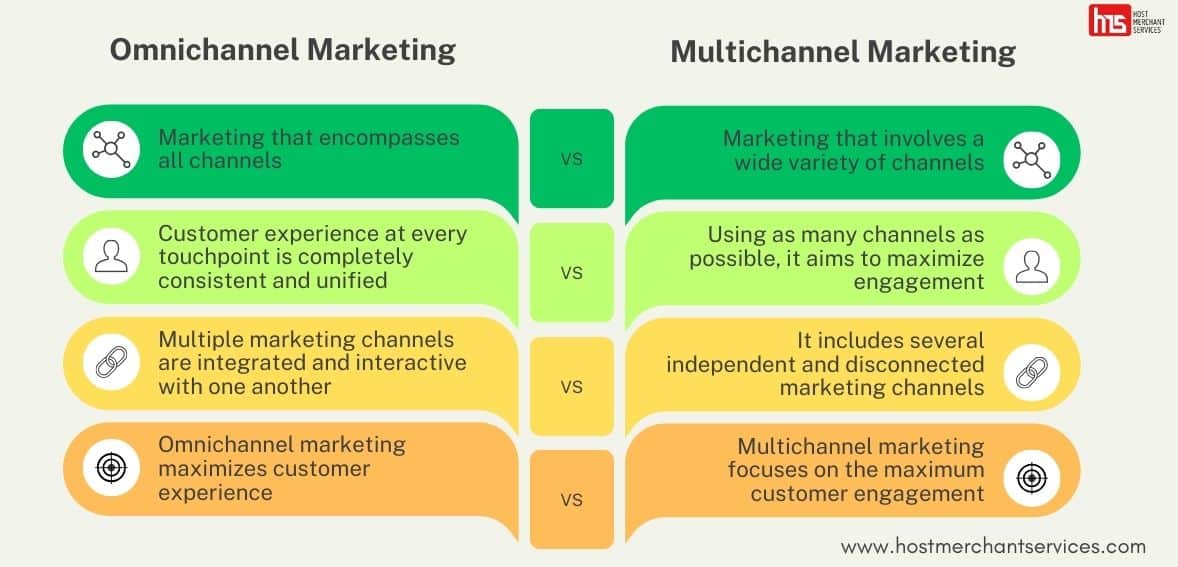
Social media might have revolutionized how businesses reach their target demography, but the importance of multi-channel and omni-channel marketing cannot be neglected. By utilizing multiple channels like social media, email, websites, and physical stores, you can offer customers a smooth and seamless shopping experience. This method enables you to reach your audience wherever they are in their purchasing journey.

Omnichannel Marketing VS Multichannel Marketing Comparison Infographic Graph

Maintaining consistency across all channels is crucial for upholding your brand identity and retaining customer trust. It is important to ensure that your messaging, branding, and promotions are consistent across all platforms. This consistency reinforces your brand’s image and strengthens customer loyalty.

Using data analytics to monitor customer behavior and preferences across channels is essential. Understanding how customers engage with each touchpoint helps in crafting marketing strategies for improved engagement and conversion rates. By analyzing data insights, you can optimize campaigns for effectiveness.

An omnichannel marketing strategy ensures a unified shopping experience. The customer might be using any platform, but the experience is the same as on other channels. Connecting online store interactions with in-store experiences creates a comprehensive journey that boosts sales and nurtures long-term relationships with your customers.

The Significance of Mobile Optimization

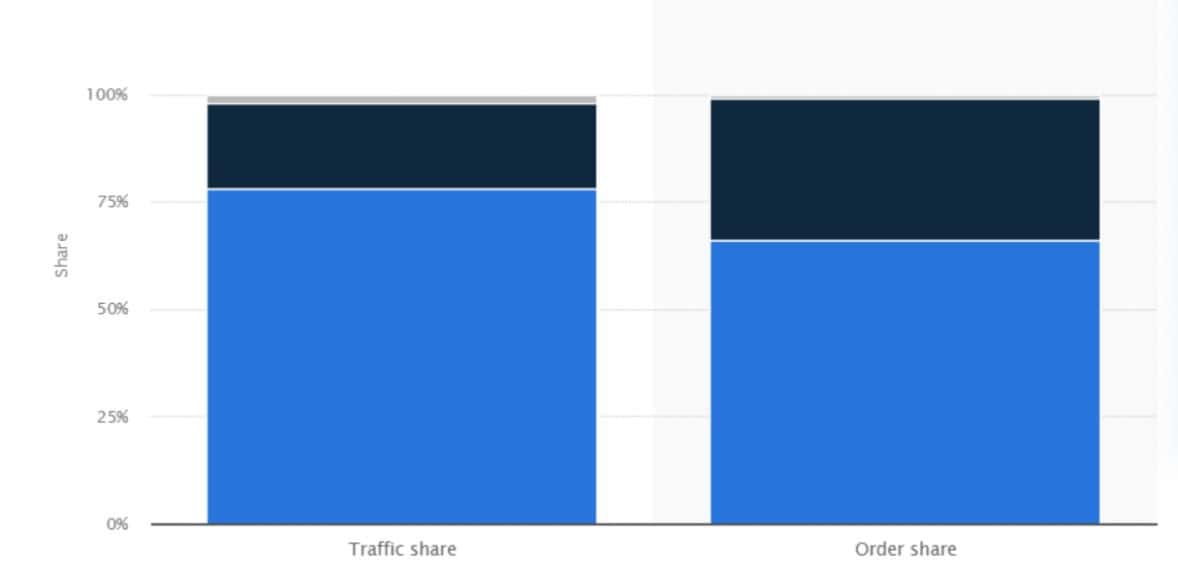
Optimizing your ecommerce website for mobile devices is no longer just an option – it’s a necessity. People purchasing on a mobile device is far more than those purchasing on tablets and desktops. You cannot neglect this fact if you are planning for sure success for your ecommerce store.

mobile vs websites

Source: Statista– Distribution of retail website visits and orders worldwide in 4th quarter 2023, by device

By ensuring your website is mobile-friendly and highly optimized for smartphones, you’re offering a positive shopping experience for customers. This includes optimizing loading times, easy navigation, and clear buttons that prompt users to take action, making it easy to find what they want and purchase.

Additionally, search engines prioritize websites that are mobile responsive in their rankings. By investing in optimization, you not only enhance the user experience but also boost your chances of getting noticed by potential customers looking for products or services in your industry.

Conducting A/B Tests on Product Pages

Running A/B tests on product pages is one of the old but still most relevant tactics for optimizing your store and increasing conversions. By experimenting with different versions of screen elements like images, text, colors, or buttons that prompt action, you can discover what works best for your audience. You can start by setting goals for your A/B tests; that way, you can monitor your progress and improvise as you move ahead.

When aiming to enhance user engagement on your website, setting objectives such as boosting through rates, minimizing bounce rates, and increasing add-to-cart actions is key. You can use many effective tools to manage your experiments smoothly. Test one element at a time to precisely gauge its impact on user interactions. Here are some tools that you can use for A/B test and optimization process

  • Google Optimize
  • VWO
  • Optimizely
  • Adobe Target
  • Crazy Egg
  • Kameleoon
  • A/B Tasty
  • Unbounce
  • Zoho PageSense
  • Instapage
  • SiteSpect
  • Oracle Maxymiser

Thoroughly examine the outcomes to extract insights. Take note of tactics and improvement areas in each testing round to refine and optimize your product pages for performance continuously. Remember that A/B testing can make a big impact on conversions. Therefore, you should do it for better success for your eCommerce.

Improving the Checkout Process

eCommerce is all about checkout. The easier your checkout is, the better conversion rates you will have. So, you should prioritize simplifying the checkout process. Lengthy and complex checkout forms can deter customers, leading to abandoned carts and missed sales opportunities. Trim down the form fields as much as possible.

Guest checkout can be a great option. Many people do not want to register on your website or app. And not allowing them a guest checkout can be a big loss. Multiple payment methods are one of the key factors that affect the conversion rate. Therefore, use the best merchant service provider for a robust payment processor that can accept payments through all the modern methods. Another customer experience-enhancing tip is to Incorporate progress indicators during checkout so users can track their purchase progress effectively.

Implementing features like form auto-fill can help customers save time and reduce mistakes when entering information. Another idea is to offer saved payment methods for returning customers to speed up transactions.

Conclusion

Implementing the above-mentioned ecommerce strategies can lead to lasting success for you. Prioritize enhancing user satisfaction, using email campaigns, implementing social media tactics, SEO, and multi-channel and omnichannel marketing can boost your online business. A/B testing to enhance your website or mobile app experience is a must. Always stay updated with the new trends and techniques to stay ahead of your competitors.

NMI

NMI Payments – NMI Launches an Embedded Payments Platform for ISOs

NMI, a provider of embedded payments solutions, recently launched NMI Payments, a comprehensive solution designed for software companies, ISOs, and payment professionals. This platform seamlessly integrates into existing applications and payment solutions, offering a flexible and modular approach to expedite and streamline payment processes. The focus is on enabling partners to efficiently manage the entire merchant and client payment life-cycle.

By optimizing and automating payment procedures, merchants can undergo a swift onboarding process, becoming ready to accept payments within minutes.

Furthermore, NMI partners enjoy the flexibility of choosing from various processors and shopping cart options, directly embedding them into their applications. This adaptability allows partners to tailor these capabilities according to the specific needs of their merchants. The modular design ensures quick scalability as business requirements evolve. Partners also have the option to white label or embed payments, granting them control over their brand and product throughout the payment process.

Key Takeaways
  • NMI Payments, an embedded solution for software companies and ISOs, was launched by NMI, ensuring it can be integrated into applications with priority given to a modular approach for effective payment life-cycle management.
  • With NMI Payments, merchant onboarding is streamlined, thus enabling business process optimization, resulting in payment acceptance within minutes. Suitable for software vendors and ISO seeking EASY payment integration to current systems.
  • NMI Payments sets itself apart in offering unprecedented merchant engagement. In this case, partners have options of choosing processors and shopping cart options thereby customizing the experience. The modular design also supports quick scaling while allowing white-label payments for partners.
  • Aimed at creators and consumers, NMI Payments helps to make transactions flow effortlessly across different channels. It has a reliable payment gateway that guarantees secure transactions and complies with NMI’s vision of providing comprehensive payment functionality.

NMI Unveils NMI Payments: A Game-Changer for Embedded Payment Solutions

NMI Payments

Image source

NMI has introduced a new embedded payments solution named NMI Payments. This innovative offering is designed to seamlessly integrate into existing applications and payment solutions, providing a modular and flexible approach to payments. This development empowers partners to manage the entire merchant and client payment lifecycle efficiently.

The creation of NMI Payments stemmed from the necessity to provide software vendors and ISOs with a simplified method to integrate payment processing into their existing systems. Through automating and optimizing payment processes, underwriting, and workflows, NMI Payments ensures swift merchant onboarding, allowing businesses to accept payments within minutes.

NMI Payments sets itself apart from others by offering unmatched merchant management and processing abilities. It incorporates a wide range of services within a singular platform, covering enrollment, risk assessment, and transaction handling. The system’s changeable architecture, combined with having the choice between distinct transaction handlers and shopping cart integrations, allows partners the freedom to customize the payment experience according to each merchant’s particular demands.

Furthermore, the means to private label or integrate payments guarantees that partners maintain authority over their brand throughout the entire payment procedure. The platform streamlines many aspects of merchant operations into a single solution, making it more convenient for partners to oversee multiple accounts. Partners can also tailor the onboarding and settings configuration to fit each merchant’s unique business model. This high degree of control and customization sets NMI Payments apart from other providers by catering to the specific circumstances of each partner and merchant.

image 55

Crafted with careful thought for both the creators and the final users, NMI Payments allows smooth and simple transactions across multiple avenues, whether that be online purchasing, in-person shopping, in-app buys, mobile commerce, or unmanned machine payments. The platform’s strong payment gateway guarantees protected, hassle-free, and dependable exchanges.

Vijay Sondhi, the CEO of NMI, emphasized the company’s mission to provide partners with comprehensive payment capabilities, from signup to payout, all accomplished within minutes. By effectively managing risk, optimizing monetization, and offering revenue-sharing models, NMI can support partners at any stage of their payment journey, irrespective of the business’s size or expertise. The introduction of NMI Payments underscores their commitment to delivering exceptional value through flexibility, modularity, and choice, ensuring that partners have the necessary tools to thrive and expand in the continually evolving realm of payments.

NMI offers developers a wide range of application programming interfaces (APIs) and software development kits (SDKs), along with a developer portal containing code examples, reference documentation, and an interactive ‘Try It’ tool. This assistance aims to enable developers to effortlessly incorporate payment options into their apps, subsequently enhancing consumers’ payment experiences and cultivating new income prospects for software businesses.

The company understands developing payment solutions requires significant effort, and therefore, its goal is to reduce barriers through comprehensive documentation and hands-on resources that simplify integrating world-class payment functionality. Whether building a web, mobile, or custom solution, NMI’s support equips programmers with everything needed to focus on creating great user experiences without struggles integrating safe and fast transactions.


Recent research reveals that 65% of ISVs and marketplaces lacking payment capabilities are intending to integrate embedded financial products for payment acceptance within the next year. This strategic decision aligns them with the majority of their peers, around 75%, who already possess payment capabilities but have plans to enhance their integrated financial products by 2024.

It’s also noteworthy that over 80% of ISVs anticipate a significant increase in revenue from payment acceptance in the upcoming months, highlighting a high level of confidence in payment providers among industry professionals. This trend signifies a growing acknowledgment of the importance of offering seamless and secure payment solutions as part of overall business strategies aimed at driving growth and ensuring customer satisfaction.

About NMI

NMI Unveils NMI Payments: A Game-Changer for Embedded Payment Solutions

NMI is a payment technology company that offers a fantastic solution for VARs, ISOs, payment facilitators, and ISVs to establish their own branded payment gateway services without the need to develop or manage their technology infrastructure. NMI has a team of software engineers who are great at what they do. They have created a security-focused and feature-rich omni-channel platform that partners can integrate seamlessly into their operations. With this platform, partners can deliver some of the best payment processing capabilities under their own branding.

For over a decade, NMI has played a leading role in the embedded payments industry. Each year, they securely process over $200 billion in transactions for merchants worldwide. Their expertise lies within their advanced payment technology and a full suite of merchant services. Services include account setup, underwriting, onboarding, and ongoing support. With a commitment to helping partners succeed, NMI makes transactions simple for customers. They work to create payment experiences where customers face no obstacles. Whether buying online, in stores, on phones, or at unattended kiosks – NMI ensures people can pay however and wherever they want with unmatched ease and options. Through modular solutions tailored to different needs, NMI champions payments that are seamless and convenient.

Conclusion

NMI’s new embedded payments platform makes payment processing easier for ISOs and software companies. It can be easily integrated with existing applications, thus adaptable and modifiable. In this way, the partners have full control of the merchant payment lifecycle from sign-up to payouts in a more efficient manner. Merchants can benefit from quick integration times that enable them to accept payments within minutes. The partners also have flexibility in designing the experience and scalability through modular design, which is why they can even white-label payments for complete brand control.

To facilitate secured transactions across multiple channels, it enables secure transactions between creators and consumers.

Moreover, NMI strongly supports developers by providing seamless integration functionality for safe and fast transaction capabilities. This coincides perfectly with the trend in the industry where ISOs adopt embedded financial products for higher revenues and customer satisfaction. For example, NMI Payments empowers partners to succeed in changing the payment environment.

Goldman Sachs Leaving Apple

Goldman Sachs Looks to Shut Down Apple Branded Savings Accounts

Goldman Sachs has been considering terminating its collaboration with Apple. The collaboration initially started four years ago with the highly anticipated debut of the Apple Card. Recent reports suggest that the bank has been engaged in discussions with American Express regarding a potential purchase of the Apple credit card and other cooperative services.

Despite past statements outlining plans to prolong their partnership with Apple through 2029, new developments indicate a potential change in the focus. At the same time, some sources reveal that Apple has been actively working on decreasing its reliance on external partners for financial services. Apple plans to do this by transitioning towards a model where it gains control over its lending activities internally. This modification in Apple’s approach will drastically change how Apple administers its financial offerings in the future. Let us understand how Goldman Sachs leaving Apple might impact the industry in the coming months.

Goldman Sachs Leaving Apple: Key Takeaways
  • End of Partnership: Apple has communicated its intention to terminate the collaboration with Goldman Sachs, covering the Apple Card and savings account services, within the next 12 to 15 months. This decision marks a significant shift as Apple explores alternative options to meet its customers’ financial needs.
  • Potential Realignment: Despite previous plans to extend the partnership until 2029, recent indications suggest a potential realignment of focus. Goldman Sachs has reportedly been in discussions with American Express regarding the purchase of the Apple credit card and other collaborative services. Apple, on the other hand, is actively exploring ways to reduce its reliance on external financial partners and may take greater control of its lending activities internally.
  • Implications for Both Companies: If Apple ends its collaboration with Goldman Sachs, the impact will be felt on the Apple Card and high-yield savings account, both currently managed by Goldman Sachs. The initial partnership was perceived as groundbreaking, combining technology and finance strengths. However, recent challenges and internal issues at Goldman Sachs may prompt Apple to seek alternatives to ensure the continued success of its financial products.
  • Commitment to Customer Experience: According to an Apple representative, both companies remain committed to offering customers an exceptional experience and supporting healthier financial lifestyles. Despite potential changes, the focus is on ongoing innovation to deliver top-notch tools and services for users. The future of Apple’s banking products and services remains uncertain, but both companies aim for a smooth transition for current card and account holders.

Goldman Sachs And Apple Jointly Thinking Of Ending The Partnership

Apple has informed Goldman Sachs of its plan to end its credit card and savings account partnership within 12 to 15 months. This signals a major change as Apple explores new options to meet customers’ financial needs. Though details remain undisclosed, both companies aim to ensure a seamless shift for current card and account holders.

If Apple severs ties with Goldman Sachs, its financial partner for the Apple Card and high-yield savings, it marks a notable shift. This initial collaboration seemed groundbreaking, with both leveraging strengths in technology and finance to offer innovative financial products. However, recent challenges strained this relationship, prompting speculation about changes. As Goldman Sachs faces scrutiny and internal consumer banking challenges, Apple may explore options to ensure continued credit card and savings under their banner. This could have significant implications for both digital banking’s future under Apple’s banner.

Goldman Sachs And Apple Jointly Thinking Of Ending The Partnership

Image source

This would impact the Apple credit card and savings account. Currently, Goldman Sachs handles the banking for both. So, Apple would need a new financial partner. The information about who it will choose next as Apple’s next steps has yet to be revealed. But Apple values innovation and good service, and they will likely ensure a smooth change for customers. With Apple’s strategic partnership outlook and resources-filled collaboration, Apple can find a partner matching its brand. However, how things will look is still being determined; only time will tell the impact on Apple’s banking products.

According to an Apple representative, Apple, and Goldman Sachs are committed to offering customers an exceptional experience to support healthier financial lifestyles. The well-received Apple Card has garnered praise from consumers, and the companies remain dedicated to ongoing innovation, ensuring the delivery of top-notch tools and services for their users.

They initiated their collaboration in 2019 with the launch of the Apple Card. Since then, the partnership has expanded to include savings accounts and joint efforts on a segment of Apple’s BNPL service. Despite introducing a distinctive credit card interface with seamless iPhone integration and well-received features such as reduced fees, the partnership encountered many challenges. Taking things behind the curtain, there were engineering issues in developing the service, while externally, concerns emerged about gender discrimination regarding credit limits and approvals. Additionally, customers faced prolonged hold times and complications when disputing charges.

Despite its innovative features, the credit card posed a significant setback for Goldman’s balance sheet due to engineering expenses and loan losses, contributing to substantial financial losses. Even for a respected institution like Goldman, it became evident that addressing a program with such substantial financial strain was imperative.

Over the past several months, Goldman has been attempting to conclude its consumer businesses. This includes plans for a co-branded credit card with T-Mobile US Inc. and signaling its intention to divest its card with General Motors Co. Removing itself from its association with Apple constitutes a significant component of this strategy shift.

Apple pay

Image source

However, the contract between the two companies has a minimum of five years remaining. Apple could have theoretically compelled Goldman to adhere to the agreement. However, the iPhone manufacturer has much at stake as well. Apple does not wish to associate its brand with an adverse experience or a partner no longer dedicated to the project. This could be why Apple recently offered Goldman Sachs the possibility of early termination. Should Goldman accept Apple’s overture, concluding the partnership will likely require over a year.

There will probably be some negotiations on required payments and recipients, but all signs indicate the deal is ending. It seems merely a matter of time before it becomes official. This means Apple must again seek a new partner for this venture as they traverse this transition period seamlessly and efficiently while maintaining their credibility and reputation within their industry.

Who Is The Potential New Partner For Apple?

Chase stands out as a strong contender for Apple’s potential new partner, surpassing even the widely discussed AmEx with its premium brand and credit card history. The rationale behind this choice is rooted in Chase’s existing robust relationship with Apple. Notably, Chase plays vital roles, including holding a portion of Apple’s substantial cash reserves, being an early and successful collaborator in Apple Pay, participating in the Ultimate Rewards program that extends discounts on Apple products to customers, and acting as a major credit card partner for transactions at Apple’s retail outlets and online platforms.

A significant advantage that sets Chase apart is its reliance on the MasterCard network for its credit cards, the same system that powers the popular Apple Card. This compatibility eliminates the need for any network switching, as would be the case with American Express or Visa, making Chase a logical and seamless choice for partnership with Apple.

About Goldman Sachs

About Goldman Sachs

Image source

The Goldman Sachs Group is a leading bank holding company. They are a global leader in investment banking and securities services. Goldman Sachs focuses on providing specialized services like trading, investments, asset management, and securities services. They serve corporations, financial institutions, governments, and wealthy individuals.

Goldman Sachs uses their expertise and market knowledge to offer customized solutions. This meets each client’s unique needs. Their reputation for excellence comes from their commitment. They deliver top service and innovative financial solutions. This drives client success worldwide.

Conclusion

The end of Apple and Goldman Sachs’ partnership significantly shifts finance. Apple ending the collaboration in 12-15 months shows its commitment to new ways of meeting customers’ financial needs. This potential focus change and Goldman Sachs’ scrutiny and internal challenges raise questions about digital banking’s future with Apple.

The collaboration between Apple and Goldman Sachs on the Apple Card and high-yield savings faces challenges. Though innovative, recent issues imply that Apple may seek alternatives to succeed in financial products. The companies stay dedicated to exceptional customer experience, stressing innovation and ensuring a smooth transition for current product users.

As Apple navigates this transition, choosing a new financial partner is crucial. Chase is a strong contender, with robust existing ties and MasterCard compatibility. Logically, they provide a seamless collaborative choice. In the digital banking landscape, Apple’s decisions with potential partners will shape the future of financial services under their banner.

What is Point-of-Sale Technology

Point-of-Sale (POS) Technology Trends in 2024

Point of Sale (POS) is one of the most critical aspects of every day-to-day transaction in a service business. It is essentially a helpful system of different hardware and software that can handle all sales-related transactions in a business. POS is a thorough service or technology that includes devices such as a card reader, receipt printers, barcode scanners, and more. It helps in more than just checking the customer and their purchases. Rather, POS systems are slowly finding functions in more areas. Used mostly by restaurants and other similar B2C services, POS is used mainly to simplify sales management.

2024 is expected to be a landmark year for point-of-sale technology trends. With rapid growth in the AI field, POS is anticipated to adapt to this new technology quickly. Besides AI, more advancements in Data Science and Machine Learning are expected to reshape the way POS scanners help in sales management.  From small business owners to restaurant chains, POS will likely become more user-friendly for everyone. These systems are also expected to manage transactions, keep track of inventory, and store detailed sales data with greater accuracy. 

What is Point-of-Sale Technology

Point-of-sale technology is mostly used in restaurants and other retail services that let customers make payments quickly via card or other digital methods. From the perspective of the staff or the management, a POS helps them record sales data and store it for future use. 

From the hardware point of view, this technology uses computer interfaces, tablets, card readers, receipt printers, and barcode scanners. They also include other hardware components, such as restaurant kitchen display systems, depending on the industry in which they are used.

Which Businesses Benefit from Using Point-of-Sale Technology

Which Businesses Benefit from Using Point-of-Sale Technology

Point of Sale technology benefits many businesses, with the following being its main user base:

  • Retail
  • Restaurants
  • Hospitality

Retailers use POS systems to stay updated on inventory levels, smoothly process all sales transactions, and analyze the data later. In restaurants especially, POS systems manage orders and seating arrangements and help maintain a good customer service experience. Other service-based businesses use this same technology for scheduling important activities and payments. Overall, POS technology is a valuable asset for any business that involves sales transactions for its efficiency and accuracy in day-to-day operations.

POS Trends to Watch Out for in 2024

The following is a list of top POS trends to watch out for in 2024:

Integration of Artificial Intelligence

As discussed above, AI is expected to change how POS works. One of the best features of AI integration is its agility, which means POS will now quickly adapt to the different needs of every industry.

Besides AI, machine learning can also bring significant changes to POS systems. ML algorithms can analyze the type of products a customer likes and the ones they continuously purchase and store them to provide personalized recommendations for future purposes.

In 2024, this level of personalization is expected to become the norm for POS Systems. This technology, which was once meant for checkouts only, will now hold onto data to give owners and managers better insights into how their business is performing.

Contactless and Mobile Payments

With COVID-19, people have witnessed a surge in using contactless payment methods. This trend gave way to contactless payments using mobile phones and similar devices, which will likely transcend from a temporary to a new norm. Customers already prefer quick and secure transactions requiring zero physical contact, and businesses using POS can easily include contactless payment options in their POS systems.

Speaking of mobile phones, integrating mobile POS systems is becoming more popular among relevant sectors as it allows businesses to conduct transactions anywhere within store premises. This leap in technology will benefit retailers considerably with limited store space. This will also help those looking to eliminate traditional checkout counters gradually.

Omnichannel Retailing

The landscape of omnichannel retailing continues to evolve, and by 2024, POS systems will be instrumental in seamlessly integrating online and offline channels. 

Nowadays, shoppers expect a streamlined and unified shopping experience, regardless of purchasing from a brand’s physical store, website, or mobile app. 

With the latest advancements in POS technology, retailers can effectively embrace omnichannel retailing by synchronizing inventory, customer data, and sales information across multiple platforms. This streamlines the shopping process for customers, who can quickly begin their journey on one channel and seamlessly switch to another without disruptions. 

For example, customers can browse products on a brand’s website, try them at a physical store, and then conveniently complete their purchase on a mobile device.

Improved Security Measures

Cyber threats are becoming more dangerous and severe with each passing year. Detecting them, too, has become a matter of concern for many. For POS systems, which handle vast amounts of sensitive customer information, most importantly financial information, strengthening their cybersecurity measures should be a priority.

Modern POS Systems already come with end-to-end encryption, ensuring that sensitive data is protected throughout the transaction process. Tokenization is another security measure that gradually replaces cardholder data, such as card numbers and unique IDs, with random numbers known as tokens.

Better Data Integration 

POS systems now have the power to integrate data for future uses. This data is likely to help business owners strategize accordingly. Integrating POS systems with other business tools, such as Customer Relationship Management (CRM) software and inventory management systems, is becoming more common. POS is the point where the sales transaction takes place, which makes it a flawless source for data collection.

This accessible data guarantees companies the chance to improve consumer interactions and take care of other processes effortlessly. Since other sectors are making great improvements using data, this will let POS promptly adjust to shifting market trends.

Personalized Shopping

Using advanced POS technologies, business owners can use data from customer purchases to further plan their interactions with customers. Personalized shopping experiences have become a norm, and enabling it through POS means that many businesses, which were earlier missing out on this technology, will be able to start enjoying its benefits. POS systems can recommend proper products, discounts, or promotions in real-time. 

From promotions to bringing back customers to the same businesses to target them with proper loyalty programs, POS personalization can make retail even more customer-oriented. As businesses use POS personalization, they will build stronger connections with customers, creating a shopping environment that is not just transactional but deeply individualized and engaging.

Adapting Cloud-Hosted POS

Cloud-hosted POS solutions, seamlessly integrated with POS hardware, offer automated backup and syncing of data through a remote server. This feature means safekeeping and updating information about one’s retail business becomes easier. It also helps provide a central storage or inventory for sales data and other important customer information.

Moreover, cloud-based POS software allows one to control their business from virtually anywhere. A cloud-hosted POS solution makes all business data accessible over the cloud, which can be accessed via the Internet. This enables businesses to effortlessly check the number of daily sales, employee productivity reports, and materials in their inventory using their devices.

It’s expected that using cloud-hosted POS services will gain significant popularity in the upcoming years as an important part of the newest POS trends in 2024. Many businesses are already enjoying the advantages of these features. 

With the help of this new technology, businesses can quickly start working from new locations, introducing new products, and starting new sales channels, all thanks to the transition from traditional retail point-of-sale systems to cloud-based solutions. Due to its independence from non-portable hardware fixed to one place, a cloud-based point-of-sale service will allow businesses to generate more revenue without needing huge investments.

POS for Data Analytics

Point of Sale data analytics is crucial to contemporary retail operations. Retailers can gain essential insights into customers’ behavior, preferences, and purchase habits by utilizing the data supplied by point-of-sale systems. Enterprises can discern patterns, enhance inventory control, and customize their marketing tactics by integrating point-of-sale data with other client information. 

Retailers can make data-driven, well-informed decisions with the help of POS data analytics, giving them a competitive edge in a changing market. Businesses may improve their operations and remain adaptable to changing consumer trends by incorporating powerful analytics capabilities into POS systems, which can be used for anything from forecasting product demand to creating more personalized shopping experiences. 

Simpler POS Hardware 

A noticeable development in Point-of-Sale technology is the move toward more straightforward, easier-to-use hardware solutions. Slicker, more effective replacements for large, traditional monitors are iPads and tablets. This change aims to improve user experience by streamlining and simplifying POS procedures. 

Less complicated point-of-sale hardware promotes mobility and flexibility in retail settings and helps keep checkout areas tidy. Companies increasingly realize the importance of giving customers and staff an intuitive interface. As a result, the focus on minimalism in point-of-sale hardware signifies a dedication to enhancing operational effectiveness while accommodating the evolving inclinations of technologically proficient customers. 

Customer Loyalty Programs

Retailers who want to build long-lasting customer ties must continue implementing customer loyalty programs. These programs have developed in the POS technology setting by incorporating cutting-edge functionality into POS systems. POS systems typically come integrated with loyalty program features these days, enabling companies to provide individualized rewards quickly depending on client loyalty. 

Retailers use these initiatives to promote brand affinity, reward consumer loyalty, and promote repeat business. Easy access to loyalty programs and their connection with POS systems make for a unified and smooth shopping experience. Businesses use point-of-sale technology to enhance client connections and create brand loyalty in response to changing customer expectations. 

How Many POS Systems Are There

How many POS Systems Are There

The number of POS systems in the market is extensive and continually expanding. Numerous providers are catering to businesses of various sizes and industries. Well-known options include MicroSale, Lightspeed, Toast POS, and more. 

The diversity in POS systems allows firms to choose solutions that align with their specific needs, ensuring optimal functionality and scalability. The continually evolving market ensures that businesses can select a POS system tailored to their industry, size, and unique requirements, reflecting the dynamic nature of technology in meeting the diverse demands of companies.

What is the Hardware Component of a POS system

The hardware components of a POS system include the following: 

  • A central processing unit (CPU)
  • Monitor
  • Cash drawer
  • Receipt printer
  • Barcode scanner
  • Card reader. 

The CPU is the system’s brain, running the POS software, while the monitor displays transaction details. The cash drawer securely stores the money, and the receipt printer prints out customer receipts. Barcode scanners fasten product scanning, and card readers facilitate electronic payments. 

This comprehensive set of hardware parts ensures a smooth sailing Point of Sale experience. Businesses can customize their POS hardware setup based on their specific requirements, allowing flexibility and scalability in adapting to various transaction needs and all types of business environments.

Anticipating POS Trends in 2024

Anticipating POS Trends in 2024

The current trends in POS technology underscore a transformative period for the retail industry. From the widespread adoption of contactless payments and the integration of AI to the rise of multichannel commerce and the emphasis on customer loyalty, businesses are embracing advanced POS solutions to stay competitive. 

Cloud-based systems, mobile POS options, and data analytics are becoming core components, allowing retailers to improve productivity, personalize customer interactions, and make a lasting impact in the sales management sector. Staying ahead of these trends is the need of the moment for businesses looking to thrive by using POS services in the long term.

Shopify Sales Tax Guide

Social Media Marketing Trends for 2024

Adapting to emerging trends is essential to staying competitive and creative in social media marketing. 2024 is already in full swing, and the social media marketing space is abuzz with debates on the next big thing. Almost every social media marketer would agree that this year is set to witness some fantastic transformative shifts. 

Marketers look forward to redefined strategies that will reshape digital marketing as a profession. Continuous technological advancements, changing consumer behaviors, and evolving platform dynamics will likely set the stage for an exciting year ahead. 

In this article, we will delve into the upcoming social media marketing trends for 2024 by examining 15 trends that are expected to dominate. From integrating new marketing technologies to a more in-depth understanding of user preferences, these trends offer insights and strategies that will empower marketers even further.

What Makes Up Social Media Trends?

What Makes Up Social Media Trends?

Trends are more than just fleeting moments – these are critical phenomena that captivate users’ attention and shape the degree of content consumption. They often leave a lasting impact on the user, leading to its recreation and furthering the impact of social media. Several factors contribute to developing and succeeding in a viral social media trend (like Stanley Tumblers), mixing user behavior, platform features, and culture, especially pop-culture dynamics.

The following are a few elements that dictate social media trends:

User Engagement and Participation

  • Viral Potential: Trends often possess the contagious quality of going viral, spreading rapidly across most platforms. Their popularity is fueled by user engagement and sharing.
  • Audience Relevance: Users relate with trends when they work in unison with the interests, preferences, and demographics of the target audience. This, in turn, ensures widespread participation.

The Role of the Platform

  • Algorithm Function: Social media platforms are driven by complex algorithms and play a pivotal role in pushing trends towards virality. The algorithm plays the role of a promoter in showcasing content to a broader audience based on engagement metrics.
  • Features and Innovations: Recently popularized features like Instagram Stories or TikTok’s short-form videos can contribute towards creating trends by providing users with innovative ways to create and consume content.

Cultural and Societal Influences

  • Timeliness and Relevance: Trends often arise from current events, societal shifts, or cultural moments. They gain momentum by tapping into the collective consciousness of social media users. A couple of bright examples of this feature are moment marketing and meme marketing.
  • Inclusivity and Diversity: Trends that embrace inclusivity and diversity tend to resonate more widely, reflecting users’ varied perspectives and experiences. It is safer to avoid trends that harm or intend to harm any group or individual.

Creator Influence

  • Influencer Impact: Influencers and content creators often serve as trendsetters. Hence, brands trying to increase their visibility tend to collaborate with them. The brands leverage their audience and creativity to start and popularize trends.
  • Collaborative Creation: Trends thrive when users actively participate in their creation. The more people engage with a trend, the more successful it is. It builds a sense of community and shared creativity among users of all levels.

Top Social Media Marketing Trends to Expect in 2024

Top Social Media Marketing Trends to Expect in 2024

Social media is showing no signs of slowing down. It would not be too ambitious to say that social media is the number one source of entertainment for many, especially young millennials and Gen-Z. Keeping note of how social media has evolved over the past five years and its current pace, the following can be expected as the top social media trends to emerge in 2024.

  1. AI-Powered Social Media Management

Artificial intelligence’s integration into social media management will change how marketers approach daily tasks. Almost 80% of marketers say that AI applications and websites have significantly increased workflow efficiency and saved time. 

Recent years have seen a notable increase in specific AI applications such as ChatGPT and Copy AI for social media’s text content generation. A Hootsuite analysis indicates that 75% of social media marketers intend to entirely rewrite and update text using AI in 2024β€”a startling 103% rise from 2023. 

Many social media marketers now use AI to generate captivating captions, develop new campaign ideas, and perform other tasks. 

  1. AI Image Generation

Using AI to edit already-taken photos is becoming increasingly common; one of the most well-known AI-powered picture editors is Canva. Users can easily modify images with Canva‘s AI features, which include object removal, image expander, and background change. 

Similarly, Generative AI has made image generation easier with tools such as DALL-e and Stable Diffusion, which have become valuable to graphic designers. AI images are here to stay, whether used for image references, ideas, or creation.

The use of AI in social media duties extends beyond content production. It includes planning content, monitoring social media, researching competitors, gathering and analyzing data, and reporting on key performance indicators. Social media managers can operate more efficiently by incorporating AI into these areas. 

  1. TikTok’s Continued Popularity Among Gen Z

While Facebook remains the most popular social media platform overall, the under-25 demographic is increasingly gravitating towards TikTok. Facebook’s user base under 25 years has declined to under 18%, signaling a significant preference shift among younger generations. In contrast, TikTok has emerged as the app of choice for Gen Z, with 78% of them using the platform in 2023 and two-thirds using it daily.

Influencers like the D’Amelio sisters, Addison Rae, and several local influencers have made their mark on TikTok by launching trends and collaborating with well-known brands. Brands such as Panera Bread, Folgers Coffee, and Dunkin’ Donuts have successfully launched ads on TikTok that target Generation Z. The fact that about a quarter of small firms using TikTok for marketing reported a good return on investment highlights how well the platform works to connect and reach younger audiences.

  1. Social media for Customer Support

For today’s consumers, prompt customer service has become essential. Social media platforms have become the primary avenue for customer service, meeting the needs of customers who want prompt, individualized attention. Many firms are deploying AI-powered chatbots for customer service on social media to address the demand for prompt responses. 

These chatbots use conversational AI to reply to messages on different social media platforms, whether they are posts or direct messages. As proven by an Instagram food influencer who utilized a chatbot to interact with thousands of comments and provide each user with a personalized recipe, their possibilities go beyond automated responses. Customer service on social media is more productive and efficient when AI and human-like engagement are combined. 

  1. Continued Growth of Social Media Usage

Social media is used by about 5 billion people worldwide, which makes up more than 61% of the world’s population. From August to October 2023, an average of 9.6 users would join social media per second, a 4.5% rise from the previous year. By 2025, social media viewership is expected to surpass conventional TV’s due to its steady rise. 

The average user spends over a third of their online time on social media. Calls for social media detoxification and programs encouraging less reliance, such as the National Day of Unplugging and the digital minimalism movement, have been sparked by the increasing reliance on social media. 

  1. Social media for Advertising

The amount spent on digital advertisements has increased significantly during the last five years as more users are signing up to social media platforms. In 2024, it is expected that businesses in the US alone will spend billions of dollars on paid social media content and advertising. This means that targeted and paid ads will likely take up a significant portion of the marketing budget.

While businesses already spend a good amount on social media and TV ads, projections show that by the end of the decade, the proportion of spending on social media will be much higher than that on television. 

It is anticipated that Facebook and Instagram parent company Meta will rule the social media advertising space. This change has led to social media’s current position as the leader in the advertising sector, with its influence extending across multiple industries and media platforms. 

  1. Increased Prevalence of Augmented Reality

The integration of augmented reality into social media platforms is gaining momentum. AR filters and effects have already become popular on platforms like Instagram and Snapchat, but in 2024, we can expect even more advanced and immersive AR experiences. 

From virtual try-on experiences for products to interactive games juxtaposed in the real world, AR is set to change how users engage with content on social media. With tools like Apple’s Vision Pro and Meta’s VR Headsets, users would be able to check their social media feeds from these glasses – making AR a more approachable reality.

  1. AI Influencers on the Rise

Virtual and AI-generated influencersβ€”computer-generated personas with distinct personalities and stylesβ€”are growing in power in social media. To take advantage of their distinctiveness and capacity for audience engagement, brands are working with virtual influencers on marketing campaigns more and more. The distinction between digital and real-world productions is becoming hazier due to this trend, which creates new avenues for artistic expression and brand image on social media.

  1. Short-form Video Will Continue to Dominate

In 2024, short-form videos, best pushed by sites like TikTok, will remain dominant. User interaction is dominated by concise, interesting information on various social media channels. This trend demonstrates its effectiveness for narrative and entertainment. 

The popularity of short-form videos will continue despite people’s decreasing attention spans. Producers and advertisers will keep using eye-catching or quirky visuals to draw viewers. The format’s broad acceptance highlights the short-form video’s ongoing dominance in defining the social media experience and its continuous popularity and influence. 

  1. Social Commerce to Become Inseparable

The fusion of social media with e-commerce, or “social commerce,” is expected to increase even more in 2024. By seamlessly integrating commerce functions, platforms improve user experiences by allowing customers to browse and purchase items without leaving the app. Influencers showcase and sell products in real-time during live shopping events, which are becoming increasingly popular. This creates a dynamic economy on social media. 

Converging social engagement and ease of shopping highlights how digital retail has evolved, creating a more dynamic and captivating e-commerce environment inside social media.

Social Media Marketing Trends for 2024 and Beyond

Social Media Marketing Trends for 2024 and Beyond

One thing becomes clear as we wrap up our in-depth understanding of the social media marketing trends in 2024: success in the digital sphere wholly depends on adaptability. Social media marketing is changing and dynamic, requiring continuous attention to detail and a proactive approach rather than reactive. 

The secret is to recognize and take advantage of these trends to create meaningful relationships with target audiences, whether using AI to create better user experiences or embracing the power of virtual personas. Marketers who are aware of new trends are well-positioned to prosper in a world where change is the only constant. 

2024 is an opportunity for marketers to start towards a path that corresponds with the current trends in social media marketing, as it collaborates creativity, strategy, and adaptability.

recommended articleRecommended: Common Social Media Marketing Mistakes To Avoid

FAQs

  1. What is the Future of Social Media in 2024?Β 

    The future of social media in 2024 includes continued changes, with augmented reality, virtual influencers, and artificial intelligence platforms taking center stage. Users can anticipate more engaging experiences and relatable content emphasizing meaningful connections. This, in turn, aims to shape a new generation of social media marketing.

  2. What is the AI Social Media Trend in 2024?Β 

    AI will dominate social media marketing trends in 2024, from generating captivating captions to creating images quickly. AI applications will surge, including text rewriting, image generation, and content scheduling. AI offers marketers efficient tools for personalized engagement, content creation, and simplified management of various social media tasks.

  3. What are the trends for Gen Z in 2024?

    Gen Z in 2024 will continue to gravitate towards TikTok, spending significant time on the platform. Marketers should use the platform’s popularity to increase their TikTok marketing investments. To appeal to this digitally savvy generation, they must launch their brands into trends, including short-form videos, influencer collaborations, and meaningful, engaging content.

Mitchell Gold Bankruptcy: Impact On Operations, Logistics, And Customer Orders

Mitchell Gold Bankruptcy Update

High-end furniture brand Mitchell Gold, with 27 stores across 14 states and some Canadian provinces, decided to shut down all its stores over the weekend of August 27, 2023. This was due to difficulties in securing the funds for business operations it had expected. But in the turn of events, surprising everyone, on September 6, The Mitchell Gold Co., LLC filed for Chapter 11 bankruptcy in the United States Bankruptcy Court for the District of Delaware. Subsequently, they also filed for Chapter 7 liquidation. Here are some important updates about Mitchell Gold bankruptcy.

Over 2000 products ready for customer dispatch were held up with delivery partner Ryder due to β€œpending” payment issues. Mitchell Gold stores’ sudden closure left customers and employees surprised and uncertain about what would happen. The bankruptcy filings revealed challenges that had been brewing behind the scenes.

Key Takeaways
  • Mitchell Gold, a top-brand furniture business, faced significant difficulties when shifting from Chapter 11 bankruptcy to Chapter 7. It moved from looking for ways to restructure to selling off all assets to clear existing debts.
  • Surya, a company dealing in home goods, cleverly bought Mitchell Gold’s assets. They plan to bring back the brand as a business-only resource for interior designers and design-focused stores, hence stopping direct consumer sales.
  • When the bankruptcy happened, many customer orders were not delivered, with over 2,000 Mitchell Gold items stuck at Ryder, the logistics firm. Legal and process issues began when Ryder demanded payment upfront and added daily storage fees.
  • A new twist happened when Ryder got court approval to send paid-for items to customers. However, those customers will have to pay for extra storage and delivery costs.

Mitchell Gold Bankruptcy: Impact On Operations, Logistics, And Customer Orders

Mitchell Gold Bankruptcy Update

Image source Mitchell Gold Website(The website is now closed)

There had been logistical and financial difficulties following the unexpected closure and economic downturn of Mitchell Gold Co. This led to confusion over thousands of shipments ready to be shipped to the customers. After first filing under Chapter 11 bankruptcy, Mitchell Gold Co. is now under Chapter 7 liquidation. This move represents a departure from trying debt restructuring and reorganization in favor of a more thorough asset sale to pay off existing debts to creditors.

Selling non-exempt assets is a requirement in a Chapter 7 filing to pay back creditors. With the sale of its remaining assets to fulfill its debts, Mitchell Gold’s case signifies the end of the business’s operations.

Surya, a home furnishings company based in Cartersville, Georgia, specializing in textiles, rugs, decor, and lighting furniture, has successfully acquired Mitchell Gold’s assets. These assets include intellectual property, specific inventory, and manufacturing facilities. In an official statement, Surya intends to reintroduce Mitchell Gold as an exclusive trade partner, catering specifically to leading interior designers and design-focused retailers. Notably, this strategic shift means that direct shopping and purchasing from the β€œMitchell” brand will no longer be available to consumers.

image 34

Image source

Many client orders remained unmet due to Mitchell Gold Co.’s abrupt liquidation and subsequent insolvency. Because these clients had previously paid for their purchases, a complicated situation arose in which logistics companies had thousands of goods in their warehouses. At the same time, they awaited payment from the now-defunct business.

One of the logistics companies impacted by Mitchell Gold’s insolvency was Ryder Last Mile, which was left in charge of keeping more than 2,000 Mitchell Gold items that were initially meant for customer delivery in its warehouses. A solution was required due to the regulatory and logistical issues that resulted from these unfulfilled products. Customers who have already made payments are impacted by this circumstance, which also presents difficulties for logistics companies like Ryder.

Ryder and Mitchell Gold have come to an arrangement regarding the issue related to undelivered merchandise. The logistics provider’s strategy for handling the current Mitchell Gold product inventory is described in this agreement, which also guarantees a dedication to completing customer requests as accurately as feasible.

The Tale Of 2000 β€œUndelivered” Products

The Tale Of 2000 β€œUndelivered” Products

Many furniture businesses faced supply problems, stopping sales that people had already paid for. The main issue was Mitchell Gold’s delivery partner, Ryder. Ryder says it has the right over the Mitchell Gold goods in its warehouses. They want to be paid before they send anything out. According to some reports, Ryder estimates it is awaiting $200,000 in delivery costs for all the merchandise from Mitchell Gold Co. currently in its possession.

Ryder is billing Mitchell Gold Co. a daily fee of $4,140 for storage. This is happening while the furniture company is undergoing bankruptcy and insolvency. The storage fees have accumulated to past $80,000, as per the reports. Ryder also claims that the furniture company owes them $1 million. This debt is for past services such as delivery and storage. This big expense is causing a lot of worry for Mitchell Gold. Their finances are already shaky. Also, the rising storage costs are making things worse for them. They are finding it harder to deal with their problems during this period of uncertainty.

In a recent development within the bankruptcy proceedings, Ryder Last Mile Inc. has received court approval to initiate the shipment of stored items to customers. According to court documents, Ryder was storing over 2,000 distinct furniture items manufactured by MG+BW in various warehouses across the United States. However, customers who have fully paid for their undelivered items and have not sought a refund or credit are expected to cover additional storage and delivery charges incurred by the shipping firm.

As Ryder explained in court papers, customers typically pay shipping fees upfront to the retailers they purchase from, in this case, Mitchell Gold. Many purchases were made months before the bankruptcy filing, meaning Mitchell Gold had to pay Ryder for shipping services. However, the company filed for insolvency between receiving payment for shipping from customers and paying Ryder for delivery.

Despite already making payments to Mitchell Gold, customers must bill Ryder directly for delivery services. Ryder explicitly acknowledges this in its proposed letter, outlining the process for customers to reclaim the advance shipping fees paid to Mitchell Gold within the bankruptcy case.

The arrangement with Ryder and Mitchell Gold makes similar agreements with various third-party carriers possible. In addition to the $17 million kept at its own facilities, Mitchell Gold had around $6.5 million of goods stored at other 3PL sites, awaiting delivery to consumers.

This agreement may result in customers having to pay shipping charges twice. While they can file a claim for these charges with the bankruptcy court, the likelihood of receiving a refund is uncertain. The court may decide to refund some or all of these payments, but the outcome remains uncertain. Upon receiving the delivery, the purchased items become the customers’ property, exempt from any additional bankruptcy proceedings.

Amid Mitchell Gold’s challenges, other furniture companies are finding opportunities. Haynes Furniture, the owner of The Dump Luxe Furniture Outlets, a retail chain specializing in overstocks, home goods closeouts, and samples, has recently acquired unsold Mitchell Gold inventory.

The Dump’s six stores in Chicago, Atlanta, Houston, Dallas, Virginia, and Phoenix will feature Mitchell Gold rugs, furniture, lighting, home accents, and mattresses at discounts of up to 80% off the original MSRPs. It is anticipated that the merchandise will be available in “most” of the stores in time for Black Friday. Additionally, Haynes Furniture, based in Virginia, will include Mitchell Gold inventory in its Newport News, Richmond, and Virginia Beach stores.

About Mitchell Gold

Mitchell Gold & Bob Williams, also known as The Mitchell Gold Co., became famous in the furniture world. They focused on quality and clever creation. This brand made many different types of home furniture that were attractive and popular.

The company’s drive for high standards shined in everything it made. Details and designs are what set them apart from others. They’ve earned a name globally for their extraordinary furniture. The furniture is not only beautiful but also strong enough to last.

Conclusion

The sudden shutdown and ensuing bankruptcy of Mitchell Gold posed big problems for both shoppers and employees. Shifting from Chapter 11 to Chapter 7, bankruptcy signaled a sweeping sell-off of assets to pay off debt, not just a restructuring effort. Surya’s purchase of Mitchell Gold’s property and factories shows a change in tactics, as this move restricts customers’ direct access to the Mitchell brand.

The unsolved problem of products not yet delivered, involving Ryder and Mitchell Gold, created legal and delivery messes. Ryder agreed to handle the present stock and do their best to complete customer orders. But, the fix might mean extra charges for customers who have already handed over shipping payments to Mitchell Gold.

While Mitchell Gold grapples with issues, other furniture companies like Haynes Furniture spot chances. They’re scooping up unsold stock to sell at cut-rate prices. Mitchell Gold’s bankruptcy leaves a changed scene, affecting shoppers, delivery services, and rival firms.

shift4 CEO Jared Isaacman

Shift4 CEO Discusses Competitor Fees, Reports Q4 Results

Shift4, a prominent company in payments and commerce technology, is set to reveal its anticipated fourth-quarter earnings for the fiscal year 2023 on February 27, 2024. This announcement holds immense importance for the stakeholders of Shift4, who are eager to learn about the company’s performance in the quarter.

Renowned for its payment solutions, Shift4 demonstrates a commitment to business growth and customer satisfaction. The leadership team at Shift4 Payments Inc., an expanding payment processing firm based in Pennsylvania, has strategically positioned itself to overcome challenges posed by competitors looking to increase expenses for hotels and dining establishments. Through technologies like its POS platform, the company is dedicated to providing cutting-edge solutions that cater to industry demands.

Furthermore, according to Shift4 CEO, the company is actively pursuing expansion opportunities in Europe following its acquisition of Finaro (soon to be rebranded as Shift4) last year, an Israel-based processor. This strategic move reflects the company’s aspirations for growth and emphasizes its dedication to staying up to the evolving market trends. Recognizing the need to adapt swiftly to challenges, Shift4 prioritizes effectively serving its customers amidst changing market conditions.

Key Takeaways
  • Competitive Pricing Strategies and SkyTab’s Advantage: Shift4 CEO Jared Isaacman openly discusses competitor pricing strategies, particularly highlighting the controversial $0.99 fee imposed by rivals on orders exceeding $10. Isaacman emphasizes the negative impact such fees have on restaurant owners and positions Shift4’s SkyTab as a customer-friendly alternative. By capitalizing on transparent pricing and offering innovative solutions tailored to specific industries, Shift4 reinforces its position as an industry leader.
  • Innovative Solutions and Success of SkyTab: Shift4’s commitment to developing innovative solutions is exemplified by the success of SkyTab, a payment processing system designed for restaurants and hotels. With over 6,500 SkyTab devices installed at Fontainebleau Resorts LLC in just the second quarter, Shift4’s emphasis on transparent pricing and customer-friendly alternatives has resonated well with merchants nationwide. The lower total cost of ownership aligns with the trust and transparency values restaurant owners value.
  • Strategic Acquisition of Finaro for European Expansion: Shift4’s acquisition of Finaro, a cross-border e-commerce payments provider and fully licensed bank with a substantial European footprint, marks a significant expansion. This strategic move broadens Shift4’s total addressable market and positions the company for growth in both geographic coverage and industry verticals. The company is enthusiastic about extending the success of SkyTab to restaurants across Europe.
  • Utilization of AI for Growth and Cost Efficiency: Shift4 demonstrates its commitment to leveraging technology for growth and efficiency, mainly through acquiring Finaro. AI automation is highlighted to boost work speed and performance while keeping the staff number steady. Despite letting go of 150 workers in the first quarter of 2023, Shift4’s use of AI aims to sustain its original staff count, showcasing a strategic approach to workforce management. The impressive financial results reported in the last quarter, including a 36% increase in E2E payment volume and a 34% hike in gross profit, reflect the effectiveness of these strategic initiatives.

Shift4 CEO Jared Isaaacman Discusses Competitor’s Prices All While Highlighting SkyTab

Shift4 CEO Discusses Competitor Fees, Reports Q4 Results

As the chief executive of Shift4, Jared Isaacman has never shied away from openly criticizing the tactics of competitors in the payment processing industry. During a last quarterly earnings call, Isaacman did not hold back in expressing his views on rival providers and their use of additional fees levied on restaurants.

In particular, he highlighted the controversial $0.99 fee. This $0.99 fee applies to all orders exceeding $10. When the order processing fee was initially introduced in June 2023, it stirred discontent within the hospitality community, particularly among Toast customers. Many expressed displeasure at Toast’s decision to impose charges directly on consumers rather than through their usual direct customer transactions. Isaacman, highlighting the matter, emphasized that Toast faced significant backlash from customers and merchants over this fee, eventually leading them to withdraw it. Jared Isaacman also mentioned that fees added by competing providers present opportunities for SkyTab.

skytab

Image source

He implied that charging extra fees for basic services like processing a food order was an unnecessary burden for restaurant owners who are already operating on tight margins. Rather than following the approach of their competitors by implementing hidden or unexpected fees, Shift4 has focused its efforts on developing innovative solutions tailored to specific industries.

One such solution is SkyTab, a payment processing system designed for restaurants and hotels. The system uses tablets that allow staff to input and manage customer orders digitally. SkyTab recently achieved significant success after being adopted by Fontainebleau Resorts LLC, with over 6,500 SkyTab devices installed across their properties in just the second quarter. By capitalizing on the mistakes made by rivals, Shift4 has continued to strengthen its position as an industry leader under Isaacman’s leadership. His approach has solidified the company’s reputation for prioritizing merchants over maximizing short-term profits through opaque fee structures.

Apart from being a partner with Fontainebleau Resorts LLC, their recently launched cloud-based restaurant POS system is experiencing significant success. Since its introduction in the US last fall, they have successfully installed over 23,000 systems (according to Q3 results), including in large-scale entertainment venues and stadiums. In the third quarter, they secured agreements to implement SkyTab in prominent locations like the Amway Center, the home of the Paycom Center, and the Orlando Magic, as well as at BetMGM sports book locations.

The recent promotional campaigns have resonated well with merchants nationwide. SkyTab’s appeal lies in its lower total cost of ownership, which strongly aligns with the values of trust and transparency valued by restaurant owners. The company is enthusiastic about the opportunity to expand SkyTab’s reach to restaurants across Europe. Anticipating a robust European market into 2024 moving forward, they look forward to extending SkyTab’s success in the international market.

Shift4’s Acquisition of Finaro and AI-Powered Growth

Shift4 successfully finalized its previously disclosed acquisition of Finaro in October 2023. Finaro, recognized as a cross-border e-commerce payments provider and a fully licensed bank with a substantial European footprint, has become a part of Shift4. This acquisition marks a notable expansion for Shift4, significantly broadening its market in terms of geographic coverage and industry verticals.

Meanwhile, Shift4 is cutting costs locally, applying AI automation to boost work. They aim to keep the staff number steady, even after letting go of 150 workers in the first quarter of 2023. Shift4’s team holds 36% of the company shares.

Isaacman noted that AI is employed to enhance work speed and performance. The company is putting in significant efforts to sustain its original staff count since the beginning of the year.

In the last quarter report, Shift4 reported an impressive $27.9 billion in E2E payment volume. That’s a 36% increase compared to the previous year. These are the payments Shift4 oversees directly, unlike the ones received via gateways. Their gross revenue reached $675.4 million, showing a 23% increase. The gross profit was $171 million, which reflects a 34% hike.

Q3 Data of Shift4

About Shift4

Shift4 Payments, Inc. delivers payment and software services across the US. They excel in handling various payment types through card processing, offering solutions for debit, credit, contactless cards, and even mobile wallets. Not only this, but they also handle Visa, Mastercard, Europay, QR Pay, and other alternative methods! They provide various services, such as a custom gateway for channels, merchant acquiring, mobile POS solutions, and software integrations. They even handle risk management, security, and reporting tools.

About Shift4

Shift4 Payments supports web-store design and management, shopping cart handling, hosting, and delivery integration. They provide payment devices, manage chargebacks, tokenize transactions, offer gift cards, and prevent fraud. They even provide VenueNext, a service for mobile ordering, self-service kiosks, countertop POS, and digital wallets for stadiums and venues.

Shift4 Shop has a robust eCommerce platform with useful tools for online business set-up. Shift4 Payments offers Lighthouse a tool for managing social media, customer engagement, scheduling, online reputation, product pricing, reporting, and analytics, which is all cloud-based. SkyTab POS is their POS workstation that is ready with software suites and integrated payment functionality. And SkyTab Mobile is a mobile payment solution! Plus, they help integrate marketplace technology into third-party apps.

Shift4 Payments, centered in Allentown, Pennsylvania, has a history dating back to 1999. They deliver more than just innovative solutions. They’re much more with services such as merchant underwriting, onboarding, activation, and training. They tackle risk management and provide continuous customer service. They care about software integrations and compliance management, too. And remember, they also offer thorough partner support and services.

Conclusion

Shift4 Payments Inc.’s recent developments showcase a strategic approach to industry challenges and a commitment to customer-centric solutions. Jared Isaacman’s candid critique of competitor fees and the success of SkyTab highlight the company’s dedication to transparency and innovative services, positioning it as a leader in the payment processing sector.

The acquisition of Finaro and integration of AI automation demonstrate a forward-looking expansion strategy, broadening market reach and enhancing operational efficiency. Shift4’s Q4 results underscore a remarkable financial performance, with significant increases in payment volume, gross revenue, and gross profit. As Shift4 navigates a dynamic market landscape, its focus on innovation, transparency, and strategic acquisitions positions the company for continued success in the evolving payments industry.

Mississippi Minimum Wage

Cryptocurrency Payment Trends to Watch in 2024

Globally, business models are undergoing a significant transformation, and a similar transformation is happening with paper currencies too. Paper transactions are not attracting the kind of attraction they used to get. The emergence of digital currencies, especially the acceptance of cryptocurrency payments, signifies a pivotal development in the evolution of commerce. A revolution led by Bitcoin a mere decade ago has become a pivotal entity in finance, reshaping how businesses operate and compete.

As 2024 is upon us, cryptocurrency is making another shift after getting β€œwintered over” and is now ready to make a run for the bears in the market. As was previously predicted by many payment giants and financial experts in the industry, it can change how businesses handle money, which still holds true as we move ahead in 2024. More and more companies see cryptos as good for customers due to their growing use and trust after facing hesitation from the market.

There are many cryptocurrency payment trends that we are witnessing now, and that is what we will discuss today. By staying current with these trends, businesses can be at the top of their knowledge and stay ahead in the crypto field.

This move towards cryptos comes from more acceptance of non-traditional money systems. As buyers get used to using digital money to shop, businesses see the need to change or be left behind. Recent reports highlight that crypto payment gateways could see a growth of 17% CAGR by 2029 as the demand in the market for safe ways to accept and deal with crypto money rises.

Cryptocurrency Payment Trends – Key Takeaways
  • Persistent Adoption of Cryptocurrency as a Payment Option: The increasing use of cryptocurrency as a payment method is a response to the issue of chargebacks that merchants face. More and more businesses are opting for cryptocurrency transactions, particularly involving Bitcoin, due to the lack of chargeback risks. Known companies like Microsoft, BigCommerce, Hostinger, Starbucks, and Subway are actively embracing cryptocurrency transactions, signaling a shift in payment preferences.
  • Dominance of DeFi in the American Market: DeFi is gaining traction in the American market as a prominent model for cryptocurrency-based exchanges and financial services. It’s decentralized, and the nature of its focus on empowering individuals sets it apart. The DeFi market is expected to witness growth, with an estimated increase of 9.07% by 2028, reaching total earnings of $37.04 billion. The US stands out as a prominent player in the DeFi market, with projected earnings of $12.53 million in 2024.
  • Rising Popularity of Crypto Payment Gateways: The use of payment gateways is on the rise as they serve as digital currency payment processors that help diversify available payment options. As cryptocurrencies become widely accepted, these gateways address merchants’ concerns, contributing to their increasing popularity. The demand for methods to accept and handle cryptocurrency payments is increasing, with a projected 17% growth rate by 2029. Businesses and customers are showing interest in this trend.
  • StableCoin Poised to Grow in 2024: In 2024, Stablecoins are expected to see growth, offering an option in volatile markets. These coins provide stability against currencies or commodities, acting as a safeguard against inflation. Both individual and business investors are attracted to them for risk mitigation purposes. The Q3 of 2023 saw $5 trillion worth of stablecoin transactions boosted by clearer regulations, investors’ involvement, and advancements in blockchain technology. Collaborations with institutions and technological developments like PayPal’s introduction of its stablecoin (PYUSD).

1. Companies Are Persistent On Accepting Cryptocurrency As A Payment Option

Companies Are Persistent On Accepting Cryptocurrency As A Payment Option

Chargebacks are a headache for merchants, siphoning off revenue, jeopardizing accounts, and demanding significant time and effort for proper resolution. While e-commerce businesses are often eager to embrace tools or strategies to curb chargebacks, one option has met resistance: cryptocurrency. Cryptocurrency transactions, such as those involving Bitcoin, operate without the risk of chargebacks. These transactions utilize escrow services, holding funds until both parties confirm the transaction. Once completed, the transaction becomes irreversible.

This inherent characteristic aligns with Bitcoin’s original purposeβ€”to function akin to virtual cash, ensuring permanent and challenging-to-trace transactions. The same holds true for newer stablecoins, which, by pegging their value to an existing currency like the US dollar, mitigate price fluctuations associated with cryptocurrency speculation. Cryptocurrency serves as a preventive measure against certain chargebacks by offering a payment method immune to such disputes. When customers opt for cryptocurrency over credit cards, any issues that arise must be resolved directly with the merchant.

While chargebacks aren’t the sole reason merchants accept cryptocurrencies, their substantial financial impact, costing businesses billions annually and on the rise, undoubtedly plays a significant role. Accepting cryptocurrency payments has evolved beyond mere novelty or proof-of-concept, evidenced by major corporations such as Microsoft, BigCommerce, Hostinger, Starbucks, and Subway adopting cryptocurrency transactions. This trend extends to numerous small businesses, signaling a broader shift in payment preferences.

Another recent example of companies being persistent in accepting crypto is Watches World, which is a front-runner in e-commerce selling, buying, and trading luxury watches.

Watches World’s CEO, Rudy Esposito, recently emphasized the pivotal role of sourcing exceptional timepieces in the company’s success. This commitment ensures their discerning customers have access to the most desirable and prestigious watch models. Esposito highlighted their dedication to innovation and exceptional service through the continued acceptance of cryptocurrency payments, aligning with the positive momentum in the crypto market in 2024.

2. DeFi Has The Highest Market In America

DeFi Has The Highest Market In America

Decentralized finance (DeFi) is a developing framework for orchestrating and facilitating cryptocurrency-based exchanges, financial services, and transactions. At its core, DeFi operates on eliminating centralized authority, distinguishing itself from the conventional models of finance for fiat currency within the cryptocurrency markets. In centralized models, a central authority holds sway over transaction flows and often manages the custody of assets.

DeFi adopts a decentralized approach where authority is distributed, aiming to empower individuals with greater control. Transactions, including selling, buying, payments with cryptocurrency, and loans, free from the influence of a central authority, are identical to the P2P approach.

There’s some excellent growth expected in the next few years. The numbers suggest a yearly growth of about 9.07% by 2028. That means we could see the total money earned reach $37.04 billion. It’s all thanks to people liking and using DeFi solutions everywhere. In 2024 alone, the average cash a user could make in the DeFi market is up to $1,378. Compared with other countries, the US is ahead of everyone, with $12.53 million in 2024. America is a big player in the DeFi market.

3. Growing Popularity Of Crypto Payment Gateways

Growing Popularity Of Crypto Payment Gateways

A cryptocurrency payment gateway functions as a digital currency payment processor, comparable to traditional payment processors and credit card-acquiring banks. These gateways empower businesses to accept digital payments and instantly receive fiat currency in return. As cryptocurrencies gain acceptance as a valid payment method by an increasing number of merchants, these companies play a crucial role in dispelling uncertainties or reservations that merchants may have about cryptocurrency, thereby expanding the range of payment options available.

The rising popularity of cryptocurrencies fuels the expansion of the crypto payment gateway, as we have mentioned early on (17% CAGR), the increasing number of businesses working with crypto payments, and the growing regulatory clarity surrounding digital currencies.

Companies offering cryptocurrency payment options can attract new customers and boost sales. Simultaneously, businesses providing crypto-based financial services like crypto lending and trading stand to benefit from the surging demand for these offerings. These factors contribute to the growth of the crypto payment gateway market, presenting various opportunities for businesses to capitalize on this evolving landscape. This is also because they expect clearer rules around cryptocurrencies, along with tech improvements like tokenization, smart contracts, cross-border payments, and NFT integration. These trends will keep fueling this booming market.

4. StableCoin Poised To Grow In 2024

5 4

Stablecoins are set to skyrocket in 2024. The main reason why most publications are talking about it is because they help individuals who don’t want to β€œgamble” in shaky markets. Both people and businesses today are trying to avoid risk by spreading their investments around. That’s where stablecoins step in. They stay steady against multiple currencies and goods. These factors make stablecoins a strong shield against inflation.

They protect money from steep up-and-down jumps in regular markets. What’s more, stablecoins aren’t just for individual investors. They’re also useful for big companies needing to square up accounts across borders. Thanks to stablecoins, transactions in different currencies are faster and safer. They make global finance smoother and less of a headache. So, it’s no wonder that stablecoins are tagged for huge growth.

By the third quarter of 2023, $5 trillion stablecoin transactions were made, showing a substantial rise. There were a few reasons for this rise, like more clear regulation, institutional investors, and new ways to use stablecoins. For most of the year, stablecoin transactions went up. People believed more in their steadiness and trustworthiness.

But the end of the third quarter brought some big news that made things take off. Partnerships with big financial firms, getting together with common payment platforms, plus progress in blockchain tech. This should make stablecoin transactions safer and more efficient. All this has made folks in the market more hopeful. They think stablecoins could become a standard way to move and keep wealth. An example of such is PayPal, which launched its own stablecoin – PayPal USD or PYUSD.

Conclusion

In 2024, cryptocurrency payments will be shaped by these key trends, and businesses must keep track of them. The ongoing use of cryptocurrencies, thanks to the inability for chargebacks, is crucial for sellers. Major players, such as Watches World, highlight this through their focus on crypto payments, following the upbeat trend in the crypto domain. DeFi’s rise in the US market shows a change in finance systems as it offers decentralized options and is growing at a fast rate. Analysts expect this growth to go on, with about 9.07% annual growth predicted by 2028, to a total of $37.04 billion.

The increased use of crypto payment portals plays a part in reducing doubt about digital currencies. These gateways, projected to grow by 17% annually by 2029, help businesses pull in new customers and tap into the growing need for crypto financial services. Stablecoins offer security and consistency in 2024, appealing to individuals and businesses searching for a safe investment. The $5 trillion transactions in stablecoins in 2023’s third quarter show increasing faith in their stability and efficiency. Links with finance firms and progress in blockchain tech all contribute to a hopeful future, setting stablecoins as a possible norm in wealth transfer.

By following these trends, businesses can remain on top in the ever-changing crypto world. They can adapt to the shifting needs of customers and tap into the chance offered by the crypto sea change.

Paulette Rowe Become CEO Of Stax Payments

Paulette Rowe Become CEO Of Stax Payments

In August 2023, Stax Payments took a notable step by naming Paulette Rowe, a British finance executive, as their new CEO. She’s now among the few Black women running a payments company. Stax Payments welcomes Paulette Rowe as their new CEO, as she brings tons of knowledge and skill. This sets Stax Payments on its path to becoming world-class in integrated payments. With rich experience, Rowe is ready to guide Stax Payments toward innovation and growth. She’s got a strategic mind and successful record that makes her perfect for building on what interim CEO John Kristel started. An accomplished executive in the industry, she’s ready to guide the company to keep winning and remain a payment tech leader.

Before joining Stax Payments, Rowe refined her expertise at Paysafe, a company based in London. During her time, she managed their integrated and online sales platforms. Known for her handling of financial issues and advocacy for innovative approaches, she has distinguished herself. With Rowe’s perspective and strategic insight, she is poised to lead Stax Payments toward expansion and prominence within the payments sector.

Key Takeaways
  • New CEO at Stax Payments, Paulette Rowe: In August 2023, Paulette Rowe, an expert in the payment sector, became the CEO of Stax Payments. This big move reinforces the company’s goal of being top-tier in unified payments. With her affluent record, including leading Paysafe’s integrated and online commerce unit, Rowe is the ideal leader for Stax Payments.
  • Rowe’s Distinct Career and Honors: Rowe joins Stax Payments with over 20 years of knowledge in payments, fintech, and banking. She’s performed high-ranking roles at notable organizations such as Meta, GE Capital, Barclays, and Paysafe, proving her skills. Named one of the most Influential Women in Payments, she is a steerage and is anticipated to evolve growth and operational plans within Stax’s software and payments range.
  • Stax Payments’ Standing and Expansion: Under Rowe’s guidance, Stax Payments aims to keep up its outstanding growth in the payments field. The firm, having processed nearly $30 billion in payments, provides services to about 30,000 businesses worldwide. Having a valuation of over $1 billion and significant investments, Stax strengthens its standing through smart purchases, like Stax Bill, CardX, and Payment Depot.
  • Inclusion and Diversity Thrive at Stax: Paulette Rowe’s management underscores inclusion and diversity at Stax Payments. Looking back on her initial career days, Rowe illustrates the importance of staying true to oneself and one’s principles. As the CEO, she manages a diverse team and promotes a culture that acknowledges the worth of different backgrounds and perspectives. This commitment to diversity is key in constructing an inclusive environment within the company.

Paulette Rowe Takes The Helm At Stax

stax

Image source

Paulette Rowe, a seasoned payments executive, has been appointed as the new CEO of US fintech Stax Payments. She assumes the position from John Kristel, who has been serving as interim CEO since January. During the transition, Kristel will continue his role as an operating partner at Greater Sum Ventures, a control investor in Stax Payments.

Rowe, recognized as a prominent figure in the financial sector, brings a wealth of experience to her new role. Prior to joining Stax Payments, she served as the CEO of Paysafe’s integrated and e-commerce solutions division. In February, she took on the role of an independent non-executive director at London-based paytech platform Global Processing Services (GPS). Rowe has held senior positions at notable institutions such as Meta, GE Capital, Barclays, etc.

With over two decades of experience spanning payments, fintech, and banking, Rowe is now entrusted with steering the growth and operations of Stax’s software and payments portfolio.

Paulette Rowe has also garnered multiple accolades, including recognition as one of the Most Influential Women in Payments. She will concentrate on steering growth and operational strategies within Stax’s software and payments portfolio in her new capacity. This portfolio aims to support merchants and SaaS platforms to flourish by eliminating transactional friction between these businesses and their customers.

Expressing her views in the press release in August last year, Rowe highlighted Stax’s remarkable inorganic and organic growth in recent years, establishing itself as a disruptive force and a leader in the payments sector. She is excited about the prospect of collaborating with the dynamic team at Stax to create innovative solutions that simplify and enhance integrated payments.

After conducting a thorough global search, Ross Croley, the CEO and founder of GSV, expressed satisfaction in welcoming Paulette to Stax. Recognized as an accomplished executive with extensive experience, Paulette comprehensively grasps the industry’s intricacies and can inspire teams toward more tremendous success. There is confidence that Stax will thrive under her leadership, and gratitude is extended to John for his guidance and dedication during this transition.

Since its inception, Stax has successfully processed approximately $30 billion in payments, as indicated in the release. The company’s payments technology is utilized by approximately 30,000 businesses globally, encompassing both large and small enterprises, along with software platforms conducting their payments through Stax’s platform.

With $245 million in investments, Stax achieved a valuation exceeding $1 billion in 2022. The company capitalizes on the robust interest among investors in recent years, especially in funding fintechs operating within the payments sector. Stax has strengthened its position through strategic acquisitions of industry peers, including Stax Bill, CardX, and Payment Depot.

Paulette Rowe’s Leadership Journey At Stax Payments

Paulette Rowe's Leadership Journey At Stax Payments

In the early stages of her career, Paulette Rowe, the CEO of Stax Payments, encountered a crucial learning experience that stemmed from receiving misguided advice. Post-graduation, Rowe initiated her engineering advisory business, Rowe & Petmezas, in collaboration with a business partner.

During a consultation with a business adviser, the suggestion was made to change the company name, citing that Petmezas sounded β€œtoo foreign.” To further exacerbate matters, the adviser recommended Rowe abstain from attending sales calls, asserting that prospective clients might not respond positively to a Black woman and would prefer to engage with her white, male business partner. Rejecting these inappropriate recommendations, Rowe promptly terminated the services of the misguided adviser.

Reflecting on this experience years later, Rowe learned the importance of not compromising her identity or beliefs. Presently, as the CEO of Stax, a position she assumed in August 2023, Rowe oversees a workforce of 318 employees, including an executive team of six women – a rarity in the fintech sector, as she notes.

In a more recent interview, she emphasized the integral role diversity plays in Stax’s success. At Stax, the belief is firmly rooted that excellence emerges from a variety of backgrounds, and embracing differences serves as a catalyst for innovation. The presence of diverse executives within the company is seen as a key factor in building a more inclusive culture across all levels of the organization.

About Stax

Stax Payments is a leading innovator in finance technology and one of the quickest-growing businesses in America. Highly recognized by top magazines like Fortune, Inc., and US News & World Report. They’re celebrated for their unique, straightforward payment tech. It has processed over $30 billion transactions already. Stax concentrates on supporting small firms, major companies, and even software platforms with their complete payment API. As a result, they’re seen as a top player in this field.

They give businesses and SaaS merchants useful tools to handle payment systems, examine data, and improve customer service using integrated solutions. Thus, Stax helps businesses work better and make wise, growth-driving decisions. Basically, Stax Payments provides businesses with the tools they need to succeed in today’s competitive business world through the influential power of payments.

Conclusion

Stax Payments made a critical move by appointing Paulette Rowe as CEO. With a career in finance and a successful stint at Paysafe, she brings a wealth of experience to the table. Rowe is now the helmsman, aiming to steer Stax towards fresh ideas and expansion. Her firm understanding of tackling challenging financial aspects and novel strategies will build a steady base for Stax’s future ventures.

John Kristel stepped aside smoothly as Paulette Rowe climbed the corporate ladder from temporary to permanent CEO. Paulette’s two decades-long experience and the honor of being one of the Most Influential Women in Payments make her an excellent fit for Stax Payments.

Stax’s remarkable feats, such as managing $30 billion in payments and surpassing a $1 billion valuation, show its robust market standing. Paulette Rowe’s leadership story is one of resilience against unhelpful advice. This showcases her dedication to staying true to herself and valuing diversity. With her, she brings these imperative qualities to Stax. In the face of changes in integrated payments, Paulette Rowe’s leadership is ready to lift Stax Payments to continuous success.