Macy’s is one of the most well-known department store chains in the US. It is currently making transformational changes, leading to restructuring and store closures due to tough competition from online competitors. The company plans to lay off its 2,350 employees, 3.5% of its total workforce, and close 5 stores. Currently, Macy’s operates 722 store locations and employs 94,570 individuals full and part-time, excluding seasonal hires. They also plan to close another 150 stores over the next few years.
These substantial decisions also relate to the potential hostile takeover situation created by Arkhouse Management and Brigade Capital investor group, which advocates for Macy’s to go private through a $5.8 billion offer.
Key Takeaways
Macy’s Restructuring: One of the most well-known department store chains, Macy’s, is seemingly struggling for survival. It plans to undergo significant restructuring, including laying off 13% of its corporate workforce and closing five stores to compete against the market amid the “online” shifts.
Leadership Transition: Tony Spring, who has already taken over as the CEO after Jeff Gennette at Macy’s, is focused on providing the company with the tendencies of changing consumer demand.
Market Response: Macy’s strategic changes target emerging retail outlets, focusing more on digital shopping patterns and introducing new product lines to attract and satisfy the present generation of customers. This strategy also means revamping private label brands and expanding the brand outside the bounds of malls and complexes to smaller retail outlets across different locations.
Investor Pressure: The restructuring comes amid pressure from investors like Arkhouse Management and Brigade Capital, who are eyeing a takeover of Macy’s. Despite challenges, Macy’s is trying to position itself for future success.
Major Restructuring at Macy’s: Workforce Reductions and Store Closures Amid Market Shifts
Macy’s has recently informed its employees about a significant restructuring. This move means laying off 13% of its corporate workforce, amounting to approximately 2,350 jobs, roughly 3.5% of its total workforce, including employees at Bloomingdale’s and Bluemercury subsidiaries. Additionally, five Macy’s stores out of more than 700 will be closed as part of this further plan. These closures are expected in the coming months with no expected delays. Macy’s stores, which will soon be closed, are as follows:
Simi Valley Town Center, Simi Valley, California
Bayfair Center, San Leandro, California
Kukui Grove Center, Lihue, Hawaii
Governor’s Square, Tallahassee, Florida
Ballston Quarter, Arlington, Virginia
The restructuring plan resulted from consumer research insights. It aims to simplify processes by eliminating “not so important” job roles and merging different teams to create one. These decisions improve the retailer’s competitiveness through cost-effective optimization and speedy decision-making processes.
Tony Spring – CEO role of Macy’sTony Spring, who assumed the CEO role of Macy’s last month, will step in for Jeff Gennette, who has been in that office since 2017 and will now retire. Tony Spring and Adrian Mitchell, Macy’s CFO and operating officer, are said to be the “backers” leading the research to help the company’s strategic direction.
In an official statement, the company announced its intention to implement a new strategy in response to the evolving needs of consumers and the marketplace. As part of this initiative to streamline operations, they have made the challenging decision to reduce their workforce by 3.5%. Macy’s is currently undergoing a transformation aimed at modernizing the department store, which has been in operation for approximately 166 years, to better appeal to online shoppers, value-conscious consumers, and those exploring alternative retailers such as Amazon, Target, Shein, and T.J. Maxx.
As part of this initiative, Macy’s is revamping its private-label brands, expanding its presence beyond traditional mall settings with smaller – compact – standalone shops, and focusing on driving growth through its beauty chain, Bluemercury, and upscale department store, Bloomingdale’s. Last autumn, Macy’s announced plans to launch up to 30 smaller stores in strip malls within the next two years. Traditionally recognized for its prominent mall-based locations, Macy’s now targets suburban consumers who prefer outdoor shopping centers for everyday needs like groceries or clothing.
Loom of Hostile Takeover
In December, two private equity investors, Arkhouse Management and Brigade Capital, presented an unsolicited offer to purchase Macy’s for $5.8 billion. This offer represented a 32% premium over Macy’s stock price. However, Macy’s rejected the offer earlier in January and expressed no interest in engaging with the potential buyers. They went as far as to refuse to provide additional financial information to Brigade and Arkhouse. In response, the two investors indicated their intention to persist with their buyout efforts, potentially bypassing the company’s board and appealing directly to shareholders.
Macy voiced doubts regarding Arkhouse and Brigade’s financial capability to execute the deal, particularly given that most of the funding would be in the form of debt added to Macy’s existing liabilities. The retail sector grapples with a shifting landscape as consumers increasingly opt for online shopping over traditional malls. This has resulted in the demise of stores like Toys “R” Us and Payless and tens of thousands of job losses.
Approximately 2,000 retail stores have closed their doors in the last eighteen months alone. Giants such as Walmart and Foot Locker have also joined the trend, closing down stores as part of cost-saving measures. This trend is expected to escalate significantly over the next five years.
Macy’s is implementing various strategies to enhance its valuation without a deal. This includes a workforce reduction and the closure of its five stores. These cost-cutting measures aim to facilitate the adoption of a new strategy tailored to evolving consumer demands and market trends. This strategic shift is prompted by the declining appeal of department stores and traditional retailers, as consumers increasingly favor online shopping.
However, Arkhouse Management and Brigade Capital may not be ready to give up and might increase their offer. They could also attract other potential buyers with different funding strategies, which could appeal more to Macy’s shareholders. Regardless of the outcome of these developments, 2024 is poised to be a pivotal year for Macy’s. Navigating the complexities of maintaining a successful spring fashion lineup and ensuring the freshness of its stores will pale in comparison to the potential challenges posed by leadership changes and downsizing.
Macy’s, Inc. is a retail powerhouse operating across various channels, including stores, websites, and mobile apps throughout the United States. Macy’s offers various products ranging from clothing and accessories for men, women, and children to cosmetics, home furnishings, and other consumer goods. It serves customers under its brands Bloomingdale’s and Bluemercury.
In addition to its presence in the U.S., Macy’s extends its reach through licensing agreements in Dubai, the United Arab Emirates, and Al Zahra, Kuwait. Originally known as Federated Department Stores, Inc., the company rebranded as Macy’s, Inc. in June 2007. With roots tracing back to its establishment in 1830, Macy’s is headquartered in New York City.
Conclusion
Macy’s is navigating a transformative period marked by significant workforce reductions and store closures in the evolving retail landscape. These strategic adjustments, driven by consumer research insights, aim to streamline operations and bolster competitiveness in an increasingly online-focused market.
As the company prepares for leadership changes and potential buyout pressures, its focus remains on modernizing its offerings, expanding into new markets, and appealing to shifting consumer preferences. Despite the challenges posed by industry shifts, Macy’s continues to adapt and innovate, positioning itself for success in the years ahead.
In the fiercely competitive restaurant industry, standing out requires more than great food; it demands a bullet-proof marketing strategy. This guide is packed with restaurant marketing tips to attract and retain customers, turning first-time visitors into loyal regulars. From explaining post-pandemic dining expectations to utilizing creative and strategic ideas, we’ll help you differentiate your establishment in a crowded market and keep your diners returning for more.
Why is Restaurant Marketing Important?
Restaurant marketing is important to increase sales and improve brand image. The marketing strategy can have different channels, including social media. 82% of American restaurants employ a social media marketing strategy. Remember, marketing is not a one-size-fits-all approach but a series of coordinated efforts across various platforms to reach your target audience effectively. Here are several reasons why marketing a restaurant is crucial:
Customer retention: Marketing for your restaurant can enhance your brand’s popularity, attracting customers to return for another visit.
Staff building: Building a name in the restaurant industry focuses on revenue and draws talented professionals to your doorstep. “Hard to find” restaurant staff like chefs, servers, and other back-of-the-counter (full-time and part-time) staff will be at your disposal just because your brand is popular and has a positive brand image.
Greater reach: Various marketing strategies enable you to connect with new markets, including demographics or travelers passing through your restaurant’s location.
Improved collaboration: Engaging in restaurant marketing improves community relationships and allows cooperation with other platforms and businesses, expanding your restaurant’s visibility and outreach.
Best Strategies for Elevating Restaurant Sales Through Marketing
Your marketing strategy can be simple. Here are a few inventive restaurant marketing concepts you can try out.
1. Build a Distinct Brand Identity
Establishing a strong brand identity is essential in your restaurant’s marketing strategy. Every nook of your establishment, from your name and logo to the ambiance and colors of your restaurant, contributes to creating a distinct, memorable, and easily recognizable impact. This impact could be positive or negative.
To create a “positive” impact, define your restaurant’s mission and target audience. As an owner/manager, you should be completely clear on your restaurant’s aim, whether you want to cater to families seeking a relaxed atmosphere or students searching for budget-friendly lunch options. Then, select a color scheme that aligns with your brand identity. Understanding the psychology of colors can also influence consumer behavior, with bright red often used in fast-food settings to stimulate appetite and encourage quick dining.
Next, choose a name and design a logo that reflects your business ethos. Whether it has a luxury touch, like “Luxe Bites Brasserie,” or something minimalistic, like “Nia’s Vegan Kitchen,”
Consistency is key to maintaining your brand identity across all platforms. Ensure your menu, advertisements, and social media pages reflect the same colors, style, and tone. Building a memorable brand extends beyond visual elements and provides exceptional customer experiences. It also helps in promoting word-of-mouth recommendations, which are invaluable marketing strategies. Follow these simple steps to create your own distinct brand identity:
Step 1: Craft a clear mission statement that encapsulates your restaurant’s purpose and reason for existence.
Step 2: Establish your brand’s position in the market by analyzing factors such as pricing, product offerings, promotional strategies, and location compared to competitors.
Step 3: Define your brand’s voice, including the tone and language used in customer communication.
Step 4: Establish your brand’s visual identity, encompassing elements like your logo and interior design.
After defining your brand’s identity, maintain consistency across all marketing materials to leave a lasting impression on customers. Ensure your restaurant’s slogans and taglines reflect your brand voice.
2. Build Your Restaurant’s Website
Creating a restaurant website is vital in attracting new customers to your establishment. With proper SEO, your website can be a free advertising and marketing tool, especially for local searches like “best restaurants near me” on Google. When nearby users look for dining options, your website’s homepage can appear in their search results.
If they can easily access information such as your operating hours or menu on your website, they are more likely to choose your restaurant. A website serves as an extension of your physical restaurant and offers essential details. It should address common inquiries, such as how to make a reservation, to further engage potential customers. Here’s a simple overview of how to create an attractive website:
1. Choose a Domain Name
Selecting a domain name is a critical step in creating your restaurant website. Your domain should include your brand name.
2. Choose a Web Building Platform
A CMS serves as the foundation for your website, allowing you to design, host, and manage it without coding knowledge. Selecting the right platform is crucial to ensure ease of use and efficient management. Consider these popular options:
WordPress
Wix
GoDaddy
Squarespace
3. Prepare Your Content
Creating content for your website is one of the most essential branding tasks. It includes the text and images on each page, guiding visitors toward specific actions, such as making reservations or purchasing gift cards.
4. Design Your Website
Once your content is ready and your domain is secured, it’s time to build your website. You have two options: hire someone to do it for you or choose from the many templates offered by your CMS and build it yourself.
Always prioritize designing and optimizing your website for smartphone users. Ensuring mobile optimization enables seamless access to your site for those using phones and tablets.
5. Craft Your Restaurant Website Menu
Your restaurant’s online menu is the centerpiece of your web design. Showcase your culinary creations with captivating imagery and enticing descriptions. This isn’t merely a list of dishes, but it’s a marketing tool to attract visitors to your establishment.
However, ensure that essential information is included. Include details such as ingredients, dish variations, and potential allergens to cater to various dietary needs.
6. Enable Online Ordering
Offering online reservations or food ordering through your website can enhance convenience for your customers. Consider integrating delivery services or setting up a reservation system to streamline the process. Although it may require additional maintenance, it enhances convenience for your loyal customers.
Reservation or delivery options can be added to the website. The simplest way to implement this feature is to add a contact form or email address to your website. You can also provide a reservation phone number or add a live chat option. Make it effortless for visitors to inquire about menu options or make reservations. However, the best option is to add a reservation or booking system and an online food ordering system.
7. Ensure Your Website Stays Current
Regularly refresh your restaurant website with fresh images, updated menu items, upcoming events, and fresh blogs and articles. Frequently check your web-building platform for any available updates to maintain your website’s functionality and security.
3. Boosting Your Restaurant with Delivery App Ads
Your restaurant should also be on food delivery apps like DoorDash and Uber Eats. They provide many marketing tools that can help you promote your restaurant. These apps can also help you in enhancing your brand image and sales. Uber Eats, for instance, has something called Sponsored Listings. This feature makes your restaurant pop up in prime spots on the app for a specific time.
You should spend some part of your marketing budget on local SEO. This is one of the easiest ways to reach local customers searching for a nearby restaurant. Setting up your restaurant’s Google My Business page is a significant step in this direction. It is a powerful tool that is free.
Think of a Google My Business page as your restaurant’s official spot on Google. It’s not just good for your local SEO, but it also gives you control over how your restaurant shows up in searches. You can easily add important details like your address, phone number, and hours. Plus, you can post updates and gather valuable feedback from customers and visitors.
Setting up a Google Business Profile is a great move to get your business noticed online. Here’s a simple guide to get you started:
Go to https://google.com/business.
Log into your Google account. If you don’t have one, you’ll need to create it.
Enter the name of your business so people can find you.
Type in where your business is located.
Select a category that best fits your business.
Choose the primary category that tells people exactly what you offer.
Add your phone number and website so customers know how to reach you.
Confirm your listing to prove you’re the real deal.
Now that you’re set up add photos, write a catchy description, use keywords to help people find you, and engage with customers by getting and responding to reviews.
5. Utilize Customer Data Platform
A restaurant CDP, short for Customer Data Platform, serves as a centralized system for managing guest data and integrating it with marketing tools. The term “CDP” emerged in 2013, reflecting the need for a solution amid the rise of new technology platforms in recent years. A CDP is a tool designed to assist hospitality establishments in gathering and organizing customer information, such as contact details, dining preferences, and purchasing history. By leveraging a restaurant CDP, businesses aim to gain deeper insights into their customers and deliver customized marketing offers and tailored experiences.
For instance, a restaurant CDP may store data on a customer’s favorite menu items, allowing staff to recommend those dishes during their next visit. Moreover, it enables restaurants to execute targeted marketing initiatives, such as sending personalized offers based on individual dining preferences.
Many restaurants use advanced CDPs, which collect data from various sources such as website analytics, social media, and point-of-sale systems. These platforms provide deep insights into guests’ preferences, interests, and behavior. CDPs are evolving by incorporating AI and machine learning, leading to more personalized experiences for guests. This technology is helping to address critical issues that hotels face today. Here’s how they’re making a difference:
Breaking Down Data Silos: Imagine customer data as puzzle pieces scattered across different rooms. With a way to bring them together, you can see the whole picture. That’s where a CDP comes in. It acts like a gathering table, bringing all these pieces together into one spot. This means restaurants can finally get a clear view of their guests, making it easier to understand and serve them better.
Boosting Personalization: Ever felt special when someone remembered your coffee order? That’s personalization. When restaurants have a partial view of their guests, making them feel special is easy. A CDP helps restaurants know their guests better, allowing them to tailor offers, suggestions, and messages specifically for each guest, just like remembering that coffee order.
Improving Marketing: Marketing without knowing your audience is like shooting arrows in the dark. Restaurants may find it challenging to target their campaigns without centralized customer data. A CDP lights the way, helping restaurants understand who their guests are and enabling them to create more focused and successful marketing efforts.
Enhancing Customer Engagement: Connecting with guests can be tricky. A CDP provides insights into what guests enjoy and how they like to be engaged. It allows restaurants to craft messages and experiences that resonate more deeply, strengthening the bond between the restaurants and its guests.
6. Make Your Food Photos Stand Out
In the era of Instagram and TikTok, how your dishes look in photos can be just as important as how they taste. A high-quality photograph of food can attract more customers. Here’s how to make sure your menu looks irresistible in pictures:
Catch the Best Light: Shoot your dishes in natural, indirect light. Skip the flash to avoid harsh shadows and too-bright spots for that perfect glow.
Keep It Simple: Use plain backgrounds for your food photos. It helps keep the focus on the dish without any distractions.
Mind Your Plates: The stage for your food matters. Use only the best plates or bowls and wipe away any smudges or loose bits that might steal the spotlight from your dish.
Choose Your Stars Wisely: Only take pictures of dishes with ingredients that look their best—imagine bright green lettuce, fluffy pastries, and glossy chocolate. A little trick to make ingredients pop? A dab of oil or a mist of water for that fresh look.
Garnish Wisely: For soupy or stewy dishes, a sprinkle of herbs or a slice of lemon can add a splash of color and texture, making them more photogenic.
Play with Angles: Not all dishes are created equal—photographically speaking. Some look amazing from the side (like a pasta bowl), while others shine from a bird’s-eye view (like a pizza). Experiment to see what works best.
Need to improve your photography skills? Consider hiring a pro. Professional photos can elevate your restaurant’s image and attract more customers.
While organic traffic is valuable, you might need more to ensure your restaurant stands out among the competition. If you’re stuck with restaurant advertising or contemplating ad strategies, consider leveraging Google Ads.
With Google Ads, you can easily launch a PPC advertising campaign. This means you only pay when someone clicks on your ad, making it a cost-effective option. Google Ads offers various formatting options and allows you to target specific search terms and phrases used by your audience. By bidding on these terms, you can increase visibility and potentially attract more leads and sales to your business.
Google offers a range of options to target your ads effectively, allowing you to specify where you want your ads to be displayed, such as targeting searchers within a certain distance of your restaurant(s). Once your ads are set up, you can choose the searches where you want your ads to appear. There’s no limit to the number of search phrases you can target, ensuring your ad appears when someone searches for any of these “keywords.”
Next, you’ll set a budget cap, ensuring you never exceed your monthly spending limit. You have the flexibility to adjust or pause your campaign at any time. Google’s algorithm determines the order in which ads are displayed, considering factors like relevancy to the search term and the maximum bid per click you’ve set.
Monitoring your account’s performance is crucial. You’ll want to optimize your settings to ensure your ads appear prominently on search pages while maintaining a reasonable cost per click. Google Ads can yield significant results, but managing your account diligently is essential to maximize your return on investment and make sure to spend your budget wisely with sufficient returns.
8. Partner with an Influencer
Teaming up with local food bloggers or social media stars can put a restaurant on the map. Their genuine reviews and eye-catching photos can introduce your restaurant to more people and help build trust in your brand. It is not just about teaming up with anyone famous but about finding the right fit. Look for influencers who share your restaurant’s spirit and can genuinely get excited about your food to their followers.
Here’s how to nail down the perfect influencer partnership:
Know Your Audience: Start by determining who you’re trying to reach. What are their ages, where do they live, what do they like, and how do they decide where to eat? This helps you match with influencers who speak directly to your kind of crowd.
Do Your Homework: Dive into social media to see where your potential customers hang out. Is it Instagram, Facebook, TikTok, X, or maybe YouTube? Look for people talking about the kind of food you serve or the vibe you’re offering, using hashtags to narrow your search.
Look Beyond the Numbers: Don’t get dazzled by follower counts alone. You want someone who gets a lot of likes, comments, and shares because it shows they really connect with their audience. Check out their previous posts to see if their style and interests align with what your restaurant is all about.
Make the Connection: Start engaging with potential influencer partners by liking their posts, leaving comments, and joining in the conversation. When you’re ready, reach out with ideas to work together that benefit both of you, like offering them a special meal experience or creating unique content about your restaurant.
9. Use Social Media
Social media is one of the most potent tools for marketing your restaurant. It’s all about getting the word out there and bringing new folks through your doors. By sharing those drool-worthy dish photos, fun event snapshots, and cool behind-the-scenes looks, you can get more customers on social media than with conventional marketing tools. Social media has an amazing ability to spread your message far and wide.
To make sure you get noticed, there are a few golden rules to follow:
Post Regularly: Staying active on social media is essential. Algorithms love accounts that keep buzzing with activity. Plus, posting about 2 or 3 times weekly keeps you on your customer’s radar.
Short Videos: Social media and short stories emerged a few years ago. But they have become popular over the years, and most spend much time watching short videos and stories. They consist of images or videos that typically vanish after 24 hours. You can leverage these stories to showcase your restaurant’s ambiance, highlight mouth-watering dishes, or post pictures of interested diners to click and post their photographs enjoying the food.
Hashtags Help: Think of hashtags as little helpers that make your posts easier to find. They’re like signs pointing towards your restaurant in the vast world of social media, guiding interested customers right to your door.
Chat with Your Customers: Social media isn’t just a one-way street. If someone asks about your menu or where you’re located, jump in with an answer. Have you got a new dish, or are you considering changing the menu? Ask for feedback. It’s a great way to show your customers you value their thoughts and keep the conversation going.
10. Utilize UGC Content
User-generated content (UGC) is reliable. Use it as your marketing tool. UGC includes social media posts and reviews generated by real people who can be your customers. From snapshots and videos captured at your restaurant to online feedback and social check-ins, these users are a goldmine of excellent advertising for your restaurant. Your customers’ posts can be pure gold for your restaurant’s vibe and visibility.
There are several effective methods to encourage user-generated content (UGC) for your restaurant:
Social Media Contests: Organize contests on social media platforms to engage your audience. Offer prizes to winners and encourage participants to share their experiences with your brand, including your restaurant’s culture and delicious dishes.
Share Behind-the-Scenes Content: Offer glimpses behind the scenes to connect with your audience and highlight the unique aspects of your restaurant. This type of content adds authenticity and fosters a stronger bond with your customers.
Create a Branded Hashtag: Develop a unique hashtag for your restaurant to encourage customers to share their experiences on social media. This will allow you to easily track and showcase user-generated content related to your brand.
Display Reviews: Showcase customer reviews on your website and social media pages. Positive feedback can influence potential customers’ decisions. Additionally, consider incorporating user testimonials into your menu pages to provide further validation.
Share Regular Customer Experiences: Regularly feature customer experiences on your social media platforms. Incorporating UGC into your social campaigns can significantly boost engagement, increasing brand visibility and loyalty.
Conclusion
Mastering restaurant marketing is essential to success in the highly competitive culinary industry. Restaurant marketing strategies are not just limited to attracting customers but also about developing long-term relationships, fostering a strong sense of community, and improving your restaurant’s reputation. You can enhance your restaurant’s visibility and boost sales by adopting a customer-centric approach, creating a consistent brand identity, and utilizing various marketing channels such as social media, delivery apps, and influencer partnerships.
Remember, marketing is not a one-time effort but an ongoing process of engaging with your audience, adapting to trends, and staying relevant in a constantly changing industry. By implementing the tips and tricks provided, you can position your restaurant for sustained growth and continued success both now and in the future. So, embark on this journey confidently, knowing that your restaurant can thrive in today’s competitive culinary landscape with the right marketing strategies.
In the fast-paced world of retail, standing out from the competition and maximizing operational efficiency is more crucial than ever. With the advent of e-commerce reshaping consumer preferences, traditional brick-and-mortar stores face the pressing challenge of adapting to an increasingly digital marketplace.
Retailers constantly seek innovative ways to attract and retain customers, enhance the shopping experience, and boost sales and profitability. This drive towards optimization touches every aspect of the retail operation, from streamlining processes to adopting new technologies to refining employee productivity to encouraging customer loyalty. The need to innovate is about keeping pace and staying relevant in a consumer-driven market bombarded with choices, where more than 70% of Americans prefer online shopping.
Amidst these dynamics, this article aims to provide actionable insights and expert tips to empower retailers to boost retail business efficiency. Whether combating the shift towards e-commerce or striving to elevate your store’s performance, embracing these strategies is critical to ensuring your retail business remains competitive and prosperous.
Source: Statista – E-commerce as a percentage of total retail sales worldwide from 2021 to 2027
Understanding the Economic Impact of Retail Sales
Retail sales are a crucial indicator of overall economic health. It’s right to assume that when retail sales experience robust growth, it often signals a thriving economy. Sluggish growth may hint at economic stagnation or decline. Strong retail sales suggest that consumers have sufficient money to spend on goods and services, fueling economic expansion and encouraging a positive business environment.
Retailers are crucial chain links in the economic ecosystem. They procure goods from wholesalers in large quantities and distribute them to end consumers in smaller quantities. As retailers have access to different suppliers/manufacturers, they curate a wide range of products and contribute to developing more sustainable goods.
Source: Statista – Retail e-commerce sales compound annual growth rate (CAGR) from 2024 to 2028 by country
The retail industry has a significant economic influence in the United States, with recent data estimating it to be around $5.5 trillion in annual sales. This industry is the major employer, with over 15 million individuals working there. Additionally, the retail industry contributes substantially to the nation’s GDP, accounting for more than 4% of its total output. Increased retail sales can have far-reaching benefits for small businesses. Enhanced revenue streams may empower smaller firms to expand their workforce, diversify their operations, and invest in innovative technologies and equipment.
6 Practical Tips to Boost Retail Business Efficiency
Below are several tried and tested strategies that could boost sales in the retail sector:
1. Invest in Employee Training
Retail efficiency is directly impacted when you invest in staff training. Equipping employees with essential knowledge and skills optimizes performance and elevates customer service and operational efficiency. A comprehensive training program should include vital areas including:
Effective communication
Customer service skills
Product knowledge
Sales techniques
Inventory management
Training initiatives may also include handling challenging customers, visual merchandising, store protocols, and teamwork. Employees can undergo training through various methods such as on-the-job learning, workshops, or online resources.
Continual investment in team member development addresses knowledge gaps and cultivates a sense of loyalty and job satisfaction. Remember, well-trained employees effectively manage diverse customer scenarios, leading to improved customer retention and increased sales.
2. Follow Customer-First Approach
A customer-first mindset revolves around putting the customer at the core of your business purpose. This means focusing, prioritizing, and planning to fulfill their needs and ensure a positive experience throughout their interaction with your organization. Every retailer should aim to adopt this approach, beyond merely stocking desired products to creating a sense of delight for the customer.
Business owners/managers should engage in meaningful conversations with their customers, understand their requirements, and offer solutions tailored to their preferences and budgets. You build trust and loyalty by providing excellent service and quality products, encouraging repeat business.
Prioritizing positive customer experiences not only means more profit but also fuels business growth and encourages a lasting relationship. Many successful disruptors in various industries, such as Amazon, Walmart, and Kroger, have thrived by placing customers at the forefront of their operations and providing a customer-centric and personalized experience.
Let’s use Walmart as an example to understand customer-first strategies.
Walmart prioritizes building and nurturing customer relationships by enhancing satisfaction and reducing defection rates. The key to its success lies in meeting its customers’ service needs, which directly impacts its sales performance. Understanding that customers want value, Walmart offers a diverse range of products at affordable prices, ensuring guaranteed satisfaction.
Walmart significantly emphasizes customer service as part of its strategy. This includes readily available staff, prompt responsiveness, personalized assistance, proactive initiatives, and loyalty programs. Through these initiatives, Walmart aims to increase its share of customers and maintain a sustainable competitive advantage.
3. Seamless Communication is a Must!
In any retail business, teamwork and communication among staff are crucial. With numerous employees, store workers, management, and other departments must have effective communication channels. Poor communication can lead to minor issues like missed announcements, process confusion, and logistics mismanagement. Interestingly, a recent study revealed that 97% of employees believe communication impacts their ability to complete daily tasks effectively.
Establishing multi-channel communication is essential to ensuring consistent and reliable communication among workers, supervisors, and managers. Tools like messaging apps or retail management systems with internal emails facilitate seamless information flow, helping everyone stay aligned with the retail store’s goals and ongoing initiatives.
4. Consider POP Marketing
Point-of-purchase (POP) display advertising is a tactic used to grab shoppers’ attention within stores. It’s commonly deployed during marketing campaigns, like product launches, promotions, or seasonal events, to boost sales opportunities.
These campaigns come in various forms, often using practical solutions such as display materials. These materials offer a visually stimulating showcase of products and brands to attract customers.
Imagine a shopper on her usual grocery run, focused on her list and rushing through the aisles. Encouraging her to deviate from her routine presents a challenge. Here’s where POP displays offer a visual break from the monotony. Shoppers find these disruptive offers intriguing and tempting. Ultimately, behind every in-store POP effort lies a solid ROI.
Brands employing POP displays experience a sales increase of 140% compared to those that do not.
To achieve success in generating sales from your POP displays, you need well-crafted point-of-purchase signs strategically placed. The best displays meet these criteria:
They’re positioned at eye level.
They fill vacant/empty spaces effectively.
They’re prominently hung from the ceiling, ensuring visibility.
They’re places where customers can have a peak (naturally).
Implementing even a few of these tactics can significantly boost your conversion rates.
5. Go Online
An online presence is vital for enhancing retail efficiency in today’s digital world. With the pervasive use of technology, consumers increasingly rely on online platforms for shopping, highlighting the importance of retailers having a digital footprint. Creating a website and social media profiles and utilizing eCommerce channels enables retailers to broaden their reach and connect with a larger audience.
Moreover, an online presence facilitates engagement with customers, showcasing products and services and offering the convenience of online shopping, which in turn drives sales and enhances customer loyalty. Additionally, it allows retailers to gather valuable customer data, providing insights that can inform marketing strategies and fuel business growth.
According to projections, online retail is expected to contribute to 20.8% of total retail sales in the US by 2024, with e-commerce sales projected to exceed $8.1 trillion by 2026. These figures highlight the significant shift towards online shopping, emphasizing the importance of establishing a robust online presence for retailers to thrive in the digital marketplace.
6. Plan Your Space
The layout of a retail store is a crucial part of its operation. It’s all about how the store is arranged, including where things are placed to help guide customers’ movements, what they see, and what they decide to buy. This setup uses smart spacing to boost sales, cut down on costs, and increase profits.
An intelligent layout also means combining similar or related products to encourage more sales across different categories or brands. The goal is to create a positive shopping environment that makes people want to buy more. A well-thought-out layout can help deter theft by strategically placing high-value items, exits, and security measures.
1. Make It Accessible
A retail store’s design should welcome everyone. Here are some ways to make a space accessible to everyone: Make aisles wider for wheelchairs and strollers to move and turn easily. Avoid shelves and displays that are too high or too low. Keep the floor clear of clutter and anything that might cause a trip. Include ramps and steps at the entrance and any split levels to ensure everyone can get around easily.
2. Use Your Windows Display Well
First impressions count a lot, especially when someone sees your store for the first time. Your window displays are a great chance to grab attention and show off what you have in store. Think of them as your front-line advertisement, inviting people to come in and see more.
3. Light It Up Right
Remember walking into a big supermarket with bright lights and high ceilings? It feels very professional and tidy. Now, think back to entering a small local store or a cozy candle shop, where the lighting is softer and creates a warm atmosphere. The way you light your store should match the vibe you’re aiming for, making it inviting and suited to the kind of shopping experience you want to offer.
4. Make Shopping an Experience
Shopping should be fun and relaxing. Try to engage as many senses as you can. A gentle, welcoming scent can make a big difference. Think of a subtle candle that’s pleasant but not overwhelming. Choose music that fits your store’s personality and what your customers like, whether it’s indie tunes for a unique coffee shop or popular hits for a larger store. And don’t forget to use your logo and brand colors across your displays to make your mark.
7. Encourage Flexible Work Options
Introducing flexible work options like working from home, part-time roles, or sharing jobs can help stores attract a broader range of workers. This approach helps ensure they have enough staff on hand. It can make employees happier and less likely to leave, which means a more consistent and driven team.
Also, these flexible options let stores adjust their number of workers based on their workload, making sure they’re always ready for customer needs without having too many staff. This strategy can lead to cost savings and higher profits. As online shopping becomes more popular, flexible work arrangements can help stores better manage their digital presence and quickly deal with customer questions and issues.
Conclusion
Innovative hacks for boosting retail business efficiency offer a dynamic roadmap for success in an ever-evolving market. Recognizing the pivotal role of retail in economic stability underscores the importance of adopting strategies that foster growth and resilience. From prioritizing customer-centric approaches to harnessing the power of online platforms, the landscape of retail optimization is rich with possibilities.
Investing in employee training is crucial to developing a skilled workforce capable of delivering excellence. Adopting a customer-first mindset is essential to establishing strong customer relationships that drive sustained growth. Businesses can boost engagement and conversion rates by providing seamless communication channels and strategic point-of-purchase marketing, propelling them toward greater success.
To remain relevant in the digital age, retailers must embrace online opportunities and plan their physical spaces thoughtfully. These innovative techniques can help retailers navigate a competitive marketplace, improve efficiency, and ultimately increase profitability.
Fidelity National Information Services, Inc. (FIS) has achieved another significant milestone in its ongoing commitment to delivering secure and user-friendly open banking solutions to its customers. As a leading global fintech firm, FIS has strategically partnered with prominent data networks, including Envestnet | Yodlee, Akoya, Plaid, and MX. This collaborative effort is part of FIS’s Open Access platform advancement, representing a focused approach to open banking services. Through this initiative, individuals will have the capability to securely and efficiently share their financial data with a broader range of third-party financial applications and services, thereby enhancing convenience and accessibility.
Key Takeaways
FIS Advances Open Banking Landscape: Fidelity National Information Services, Inc. has made significant strides in reshaping the financial sector by spearheading open banking solutions. The strategic collaboration with data networks Envestnet | Yodlee, Akoya, Plaid, and MX marks a crucial step towards fostering secure and user-friendly financial experiences.
Open Access Platform Enhances Data Sharing: FIS’s introduction of the Open Access Platform within the open banking framework signifies a groundbreaking solution. This platform enables consumers to securely share financial information with third-party applications, emphasizing transparency, user control, and adherence to data protection standards.
Empowering Consumers with Data Control: The FIS-backed open banking solution facilitates seamless and secure data sharing and gives users complete control over their information. The detailed access to personal data and the ability to restrict access at any time place consumers in the driver’s seat, ensuring transparency and privacy.
Strategic Collaboration with Banked for Innovative Payments: FIS’s strategic partnership with Banked reflects a commitment to pioneering innovative payment options. The introduction of pay-by-bank services, leveraging the advantages of real-time payments and open banking, promises decreased friction, reduced fraud, and enhanced efficiency for businesses and consumers. This collaboration positions FIS at the forefront of the evolving digital payments landscape, aligning with the growing digital wallets and mobile app usage trend.
FIS Takes Crucial Step in Open Banking Solution
FIS, renowned as a global frontrunner in financial technology, recently unveiled another significant advancement in its mission to democratize open banking accessibility. Discussions regarding potential collaborations are underway with industry leaders such as Envestnet | Yodlee, Akoya, Plaid, and MX, with the aim of integrating them into FIS’s innovative Open Access Platform. This platform represents a pioneering solution within the open banking framework, empowering consumers to securely share their financial data with various third-party applications and services.
This news of “integrations” comes with a growing open banking trend. The Consumer Financial Protection Bureau (CFPB) further developed the “Personal Financial Data Rights” proposal to set clear standards of consumer data accessibility and how it’s being used. This FIS-backed solution allows users to seamlessly and securely share their data with third-party providers. It allows them to see what type of information is being taken, who is using it, and how it’s being used. This detailed access to consumers ‘ personal details benefits the users as they can see what is happening behind the scenes. Plus, consumers have the choice to restrict access to data at any time.
This solution allows seamless data exchange, all thanks to the FDX APIs. Financial Data Exchange standardized (FDX) by partnering with industry-leading providers gives the most comprehensive coverage throughout the market-which means that the FIs who are using Open Access Banking by the FIS can assist their customers in accessing a wide array of capabilities and experiences through an unparalleled variety of services and applications.
Hashim Toussaint, who leads Digital Solutions at FIS, shared that people of all ages are now more frequently turning to outside apps to manage their money whenever they choose. Classic banks and credit unions must make this process smooth if they want to keep their customers and attract new ones. They believe that supporting the global shift to Open Banking is crucial to their goal of improving the way the world handles payments, banking, and investments.
FIS’s Collaboration with Banked
On the other front, FIS announced the partnership with Banked while the news of its integrations with data networks surfaced. With Banked, which is a leading provider of open banking solutions, FIS aims to introduce new pay-by-bank options for both businesses and consumers.
Pay-by-bank is a fantastic solution that also uses an open banking framework. It streamlines payments by merging the advantages of real-time payment systems with the flexibility and efficiency of open banking. Third-party financial service providers gain direct access to banking data in open banking, facilitating seamless digital payments. This enables consumers and businesses to make direct payments between their bank accounts without needing card details, sort codes, or account numbers.
Businesses get multiple benefits due to the pay-by-bank facility. Pay-by-bank is a user-friendly system that reduces fraud, lowers processing fees, and has quicker settlements than traditional payment systems. Consumers get a smoother payment experience, simplified verification processes, and faster access to funds.
Seamus Smith, representing Fidelity National Information Services, emphasized the widespread desire for enhanced efficiency and speed in money transfers. Leveraging advancements in open banking, FIS is poised to introduce pay-by-bank solutions tailored for businesses and consumers, focusing on enhancing fraud prevention measures. Smith underscored the significance of FIS’s collaboration with Banked, portraying it as a pivotal stride in the company’s overarching strategy to provide seamless and secure payment solutions across diverse industries. This partnership solidifies FIS’s commitment to innovating new payment systems and furthering its efforts to meet evolving market demands.
Digital payments are increasing as people prefer to use digital wallets and mobile apps for shopping. Digital wallets and mobile payments are customers’ preferred choices now. A report by FIS in 2023 revealed that transactions where you pay directly from A2A were worth about $525 billion in online sales last year. This trend isn’t slowing down either, with predictions of a 13% growth rate each year.
Banked’s co-founder, Brad Goodall, is thrilled about joining forces with Fidelity National Information Services. He believes this partnership will make paying for things better for everyone. FIS is known for its innovative solutions to common problems, and Goodall is confident that pay-by-bank services will be a game-changer for many different situations, now and in the future. He’s excited to see where this partnership will lead regarding new payment options.
In 2023, Fidelity National Information Services was at the forefront of adopting instant payments by being among the first in the fintech field to test and get approval for the FedNow Service. This collaboration with Banked is set to use this momentum to shake up the payments industry, promising a brighter, more convenient payment future for all.
About Fidelity National Information Services (FIS)
Fidelity National Information Services, Inc. (FIS) is a multinational company from the US. It is one of the top-notch providers of technological solutions not just for banks but for big organizations and SMB companies across various industries worldwide. They are the key to providing innovative financial services, changing how people pay, bank, and invest, and ensuring the customers are always at the forefront with FIS’s reliable innovation, top-notch system performance, and adaptable tech.
FIS is here to help its clients tackle the business’s most significant challenges and ensure its customers have an experience, all through the magic of technology. Fidelity National Information Services is based in Jacksonville, Florida, but its services are accessible worldwide. Additionally, FIS has been a part of the Fortune 500 and the S&P 500 Index, showing how much of a difference they’re making.
Conclusion
Fidelity National Information Services, Inc. continues to revolutionize the financial landscape with its strategic moves in open banking. The collaboration with Envestnet | Yodlee, Akoya, Plaid, and MX underscores FIS’s commitment to providing secure and user-friendly financial solutions. The Open Access platform addresses the evolving trend of open banking, empowering users to share financial information with third-party applications safely.
Fidelity National Information Services’s partnership with Banked introduces innovative pay-by-bank options, enhancing the efficiency of digital payments for businesses and consumers. FIS’s dedication to staying at the forefront of technological advancements reaffirms its role in shaping a seamless and secure future for the world of finance.
Cash App rolled out high-yield saving deposits for its Cash Card users. Per their announcement on X last month, the user can earn up to 4.50% interest. With an option to earn 4.50% interest, they are now directly competing with Apple. Apple recently increased its interest rates. The user must fulfill some essential conditions to avail of the 4.5% interest rate. The user must set up a minimum direct deposit of $300 and should have a Cash Card to get 4.50% interest rates. Cash App offers a few additional benefits to these users. One of them is protection from overdraft fees and free withdrawal from ATMs.
Here is an in-depth analysis of high-yield savings by Cash App deposits with a 4.5% interest rate.
Key Takeaways of High-yield Savings by Cash App
4.5% Interest Opportunity: Cash App has introduced a new feature offering an attractive 4.5% interest rate on savings for Cash Card users. To use the features of high-yield savings by Cash App, users must set up a monthly direct deposit of at least $300 and possess a Cash Card. By consistently meeting the direct deposit requirement, the interest rate can be increased from a baseline of 1.5% to an impressive 4.5%.
Additional Benefits and Competitive Edge: To stay competitive, Cash App provides overdraft coverage of up to $50 on Cash App Card purchases, free ATM withdrawals within the network, and one free withdrawal per month at any ATM. This move aligns with the recent trend in the financial industry, particularly with Apple’s increasing interest rates. Cash App’s strategy aims to attract and retain users by offering a competitive interest rate and additional perks.
Flexible Savings Features: Cash App users have the flexibility to set up savings goals with specific dollar targets and can boost their savings balance through Cash Card roundups. The roundups feature allows users to effortlessly save the difference by rounding up spending transactions to the nearest dollar. There is no monthly limit on transfers between the savings and Cash App balances or with externally linked accounts, providing users with seamless fund management.
Impact on Savings: With the 4.5% interest rate, Cash App presents a significant opportunity for users to see substantial returns on their savings. The example illustrates that placing $5,000 in a Cash App account earning 4.5% interest could result in over $220 in one year, compared to a traditional savings account with a 0.5% interest rate earning around $30. This feature positions Cash App as a viable alternative for those seeking higher savings rates without the need for a new credit card or facing approval concerns.
Earn up to 4.5% interest on your savings on Cash App through our partner bank and reach your goals faster.
Cash App High Yield Saving Deposit’s Competitive Advantage: Earn Up to 4.5% Interest on Savings
Cash App now offers an attractive opportunity with up to 4.5% interest on savings. Users can capitalize on this offer by obtaining a Cash App Card, establishing direct deposits, and consistently depositing paychecks. The company’s website details that the Cash App Card unlocks a baseline 1.5% interest on savings through Cash App’s partner bank (currently Wells Fargo). By ensuring monthly direct deposits of at least $300, users can boost their savings interest to an impressive 4.5%. This elevated interest rate persists as long as the qualifying direct deposits continue.
The savings balance functions as a sub-feature within the Cash App balance, requiring a minimum of $1 to open and, importantly, without monthly maintenance fees. This initiative adds a compelling dimension to Cash App’s offerings, allowing users to earn substantial interest on their savings.
Cash App offers extra features to maintain its competitiveness with other financial institutions. Customers who use Cash App Cards are notably eligible for up to $50 in overdraft coverage. Free ATM withdrawals inside the network are another benefit; you can take out one free ATM withdrawal each month at any ATM. Customers can conveniently access customer assistance from within the app to further improve the user experience.
This modification comes in response to Apple’s recent announcement that the interest rate on the Apple Card Savings Account would now be 4.5%. With a few caveats, Cash App offers its Cash App Savings users the same 4.5% rate of interest in line with this shift.
However, a $300 monthly deposit requirement might pose a challenge for individuals who bank elsewhere but utilize Cash App for P2P payments or business transactions. However, for newcomers to Cash App, this could serve as an enticing incentive to make the app their primary account. The company’s decision reflects the competitive market in the financial services sector, with various platforms vying to provide attractive incentives for users.
You also have the flexibility to establish savings goals with the exact dollar targets using Cash App. Additionally, you can boost your savings balance through Cash Card roundups. This feature allows you to round up your spending transactions to the nearest dollar, saving the difference effortlessly.
Furthermore, there is no monthly limit on the number of transfers you can initiate between your savings balance and your Cash App balance or with an externally linked account. This freedom ensures that you can manage and allocate your funds seamlessly, providing a user-friendly experience for your financial goals.
Example of How Cash App’s 4.5% Interest Will Impact Your Savings
Cash App is stepping up the game with an interest rate that matches some of the top financial opportunities, giving higher annual returns. Imagine putting your where it earns 4.50%—it’s much better than savings account interest of just around 0.5%. Here’s a quick example:
Let’s say you put $5,000 in a Cash App account that earns 4.50%. After one year, you’d earn more than $220 in interest. Compare that to a regular savings account with a 0.5% interest rate, where the same $5,000 would not exceed $30 in a year. It’s not about getting rich quickly; it’s about seeing your savings slowly increase.
Cash App not only lets you transfer money quickly but also offers a high-yield savings feature. Apple is another company offering something similar through its app, but you’d need an Apple credit card to use it. Cash App could be a great alternative if you’re not keen on opening a new credit card or worry about if you will get approved or not. For those who’ve had issues opening a bank account, missing out on high savings rates might feel frustrating. However, with this solution, Cash App targets that section of the market too.
An Overview of the Basic Requirements
A few things are needed to earn interest with your Cash App savings.
First off, you have to be 18 or older.
Also, you should have a Cash App card linked to a personal account, not one for a business.
If you can’t make the monthly direct deposit of $300, say from your paycheck or tax return, you’ll still earn interest, but it’ll be lower, at 1.5%.
Maintaining a spending Cash App balance for transactions like sending money to friends or purchasing stocks or cryptocurrency is crucial. The savings balance, however, is designated for saving purposes and is not intended for spending or ATM withdrawals. This distinction ensures that users effectively manage their funds based on their financial goals.
Cash App, previously known as Square Cash, is a mobile payment service provider available in the US and the UK. With Cash App, users can transfer money through a smartphone application. Cash App also provides various additional features, including direct deposits, peer-to-peer transactions, a debit card, a savings account, stock and Bitcoin investments, personal loans, and a tax filing service.
As of 2023, 55 million monthly active users were part of Cash App’s user base, generating $10.6 billion annually. Launched in 2013 by Block Inc., the same company behind Square, a card processing service widely used by small businesses, Cash App revolutionizes banking by allowing users to manage finances through their mobile phones without the typical fees associated with traditional banking services.
Conclusion
Cash App’s introduction of a 4.5% interest rate on savings for Cash Card users positions the platform as a formidable player in the financial services sector. This move not only aligns with industry trends, matching Apple’s recent interest rate increase, but also offers additional benefits such as overdraft coverage and free ATM withdrawals.
The flexibility of savings features, seamless fund management, and the potential impact on users’ savings make Cash App a compelling choice. As the company targets a diverse market, including those facing banking challenges, Cash App emerges as a viable alternative, showcasing its commitment to innovation and user-friendly financial solutions.
In response to an unforeseen fourth-quarter loss reported by the discount variety store chain, Dollar Tree and Family Dollar stores will close approximately 1,000 locations throughout the United States. The initial wave of closures will predominantly affect 600 Family Dollar stores within the first half of fiscal year 2024. Furthermore, the company intends to gradually shutter an additional 370 Family Dollar outlets and 30 Dollar Tree stores over the next few years. As a result of this announcement, Dollar Tree shares experienced a 14% decrease in value at the opening bell on Wall Street on Wednesday.
Strategic Store Closures: Dollar Tree, Inc. will strategically close around 1,000 stores, predominantly Family Dollar outlets, to boost profitability. This includes shutting down 600 Family Dollar stores in early fiscal 2024 and gradually closing 370 more as lease agreements expire over the next few years. Additionally, 30 Dollar Tree stores will also be closed. These closures aim to streamline operations and optimize profitability.
Challenges Faced by Family Dollar: Family Dollar has encountered significant challenges due to poor management and store conditions. Issues such as a notorious rat problem at one of their warehouses resulted in hefty fines and temporary closures for several stores. Moreover, the increasing cost of living has strained Family Dollar’s primarily low-income customer base, impacting sales. Despite efforts to compete with rivals like Dollar General and Walmart, Family Dollar has struggled to maintain its market position.
Economic Pressures and Consumer Behavior: CEO Rick Dreiling highlighted ongoing inflation and reduced government benefits as factors impacting Family Dollar’s customer base. Closing Family Dollar stores may exacerbate shopping challenges for low-income communities, as these stores often serve areas with limited access to supermarkets and large retailers. Additionally, Dollar Tree plans to introduce a broader range of price points to appeal to different consumer segments.
Divergent Paths of Dollar Tree and Dollar General: While Dollar General has thrived, opening approximately 1,000 new stores annually and becoming the fastest-growing retailer in the US, Family Dollar has struggled to maintain competitiveness. Dollar General’s success can be attributed to its lower pricing strategy and expansive store network, which have attracted budget-conscious shoppers seeking value. In contrast, Family Dollar’s higher prices have led to customer migration to competitors, contributing to its decline relative to Dollar General.
Source: Statista – Net sales of Family Dollar (Dollar Tree) in the United States from fiscal year 2017 to 2022, by product category
Dollar Tree and Family Dollar will Close 1,000 Stores
Dollar Tree, Inc., the parent company behind Dollar Tree and Family Dollar stores, has announced closing around 1,000 stores to help the company make more money. Specifically, Family Dollar will shut down about 600 stores in the first part of fiscal 2024 and will gradually close another 370 stores as their rental agreements end over the next few years. Dollar Tree plans to close 30 stores following the same lease expiration strategy. Currently, the company runs around 16,774 stores across the Dollar Tree and Family Dollar brands.
Family Dollar has faced challenges for years due to not being managed well and the stores not being kept in good condition. This led to a situation where Family Dollar had to pay more than $40 million in fines because of a rat problem at one of their warehouses, which resulted in hundreds of their stores closing for a while.
In addition, living costs have recently increased, making things challenging for shoppers. This economic pressure has made it difficult for Family Dollar customers to spend as much as they used to, affecting the store’s earnings. This is all happening while Family Dollar is trying to keep up with its competitors, like Dollar General and Walmart, who are also fighting for the attention of budget-conscious shoppers.
CEO Rick Dreiling noted that ongoing inflation and decreased government benefits are straining Family Dollar’s significant customer base, which primarily consists of lower-income consumers.
Closing these stores is expected to help the company make more money. However, it might create a problem for Americans who already don’t have many places to shop. Family Dollar stores are usually found in areas without supermarkets, large stores, or other shopping options.
Rick Dreiling, the chairman of Dollar Tree, shared that their plans for 2024 are to introduce more items at different prices at Dollar Tree stores and make some smart moves to make Family Dollar more profitable and valuable.
Future Challenges
While many department stores and mall-based shops have shut down, discount stores like Walmart, Dollar General, and TJ Maxx have seen growth. These stores have been a hit, especially appealing to the middle class and those earning lower wages looking for budget-friendly prices. With recent high inflation pinching shoppers, discount stores have only cemented their appeal.
However, Family Dollar hasn’t been riding the same wave of success.
Dollar Tree bought Family Dollar in 2015 for over $8 billion, edging Dollar General in fierce competition. The merger aimed to expand its customer reach, cut down on costs, and stand firm against big names like Dollar General, which dominates rural shopping. But, blending Family Dollar into Dollar Tree has been tough, leading to the shutdown of hundreds of stores over the years.
Family Dollar’s condition was a shock to Dollar Tree after the purchase. Despite renovations in thousands of Family Dollar stores lately, many still need better maintenance. It’s common to see stores understaffed with aisles blocked by boxes, making shopping there a nightmare. Also, the $40 million in fines, ongoing problems with theft, and rat and rodent problems like in the warehouse in West Memphis that had live, dead, and decaying rodents found there — all these things combined become the reason for its downfall.
The Opposite Story of Dollar General
While Family Dollar has faced challenges, its competitor, Dollar General, has thrived. Dollar General has been opening about 1,000 new stores each year, making it the fastest-growing retailer in the US With around 18,000 stores now, it’s a giant in the industry. Both companies are vying for the attention of the same low-income customers. Even though their names suggest everything might be just a dollar, most of their products, ranging from food to daily necessities, are actually priced between $1 and $10.
However, Family Dollar has been losing customers to Dollar General, mainly because of its higher prices. Items at Family Dollar can be 10% to 15% more expensive than those at Dollar General and other similar stores. With Dollar General being more than twice Family Dollar’s size, it can afford to keep prices lower due to its larger scale. As a result, shoppers looking to make the most of their money have been turning to Dollar General, along with Walmart, Target, and other stores that offer low prices, to stretch their budgets further.
About Family Dollar
Dollar Tree Inc., also known as Dollar Tree, is a company that runs discount variety stores. These stores are like treasure troves where you can find almost anything at a bargain – from everyday items like food and household products to seasonal decorations, electronics, clothes, and accessories. They offer a wide range of products, including snacks and sweets, car essentials, cleaning supplies, clothing items, pet food and accessories, health and beauty products, party goodies, toys and crafts, school and office supplies, home decorations, and items for every holiday and season.
Dollar Tree isn’t just a single brand. It includes Dollar Tree, Dollar Tree Canada, and Family Dollar stores. In addition to physical stores, you can also shop online at dollartree.com. The company has roots across the US and Canada, with its main office in Chesapeake.
Conclusion
Dollar Tree Inc.’s decision to close approximately 1,000 stores, predominantly Family Dollar outlets, marks a strategic move to revitalize the company’s financial standing. Facing unexpected fourth-quarter losses and ongoing challenges in managing the Family Dollar brand, the closures signify a step towards consolidation and optimization.
The backdrop of economic pressures, including inflation and reduced government benefits, further underscores the need for such measures. While these closures may pose challenges for shoppers in underserved areas, Dollar Tree’s commitment to enhancing its offerings and improving Family Dollar’s profitability suggests a proactive approach to navigating the competitive landscape. Amidst these shifts, Dollar General’s contrasting success underscores the importance of pricing strategy and operational efficiency in catering to budget-conscious consumers.
Plaid Inc. is a financial technology startup continuously trying to expand its product line and prepare for an upcoming public listing. Recently, Plaid hired Jen Taylor, its first president. Before that, it hired Eric Hart as its CFO. Before joining Plaid, Jen Taylor was the chief product officer of Cloudflare. Taylor previously worked with Salesforce and Meta Platforms.
Key Takeaways
IPO Preparation: Plaid Inc. has appointed Jennifer Taylor, formerly the Chief Product Officer at Cloudflare, as its first president. This move, coupled with the recent hiring of Eric Hart as Plaid’s CFO, suggests a strategic move in preparation for a potential initial public offering (IPO). Taylor’s experience in critical roles at Meta, Salesforce, and Adobe and her involvement in Cloudflare’s IPO reinforce the notion of Plaid gearing up for a public listing.
Visa Acquisition Cancellation: Visa abandoned its plan to acquire Plaid in 2021 for $5.3 billion. The Justice Department was unhappy with the acquisition and intended to block the merger. Since then, Plaid’s valuation has surged to $13.4 billion. The company has diversified its offerings, incorporating lending, anti-fraud, and payment capabilities alongside its flagship technology, connecting consumer bank accounts with financial apps. The IPO will be another major milestone for the company.
Confidence in Taylor’s Leadership and Product Scaling: Plaid’s CEO, Zachary Perret, expressed confidence in Jennifer Taylor’s leadership capabilities, emphasizing her track record in scaling products to meet growing customer needs. As Plaid expands its platform to support ongoing innovation in financial services, Taylor, in her role as president, will oversee technology and product teams, collaborating closely with CFO Eric Hart.
Demand Surpasses Expectations and Series D Extension Funding: According to CEO Zachary Perret, Plaid has experienced higher-than-expected demand for its new products. The company’s recent Series D extension funding round in August 2021, following a $425 million investment just four months earlier, highlights investor confidence. Plaid’s dedication to innovation and growth is further underscored by adding industry veterans like Jennifer Taylor and Eric Hart to its leadership team as it navigates toward a potential public listing in the dynamic financial technology landscape.
Plaid Hired Jen Taylor as President Amidst Strategic Leadership Reshuffle
Jennifer Taylor, previously the CPO at Cloudflare, has been appointed as the first president of Plaid. This strategic decision comes in the wake of the recent hiring of Eric Hart as Plaid’s CFO, a move often associated with companies gearing up for an IPO. Taylor, with her extensive leadership experience at Meta, Salesforce, and Adobe and her venture capitalist role, also played an essential part in Cloudflare’s IPO in the past. This move potentially indicates Plaid’s path toward a public offering.
Plaid’s anticipated IPO could mark the realization of an opportunity that surfaced in 2021 when Visa scrapped its $5.3 billion acquisition plan for the data aggregator. The cancellation occurred following the Justice Department’s intention to block the merger. Since then, Plaid’s valuation has surged to $13.4 billion. The company has also expanded its offerings, incorporating lending, anti-fraud, and payment capabilities alongside its flagship technology, which connects consumer bank accounts with financial apps.
Zachary Perret, Plaid’s CEO and co-founder, highlighted Jennifer Taylor’s track record of scaling businesses to suit expanding client needs while expressing trust in her talents. Perret emphasized the importance of Taylor’s employment by pointing to her vital experience negotiating the constantly changing financial scene. Taylor’s new post will see her working closely with Eric Hart, recently appointed the company’s first chief financial officer, to supervise Plaid’s product and technology teams.
In an earlier publication, Perret stated that they weren’t prepared for the level of demand for these new products. To enable continuous innovation in financial services, he emphasized Jen’s skill in scaling products to meet growing consumer expectations, viewing it as critical as they continue to extend their platform.
Additionally, Taylor recently shared on LinkedIn how thrilled she is to be heading Plaid as President. In this capacity, she will oversee teams spanning technology and products as they strive to establish the network that will power the financial industry going forward.
Plaid’s recent announcement follows their extension round of Series D funding in August 2021, which builds on the $425 million Series D investment made just four months ago. Plaid’s leadership team now includes seasoned professionals like Taylor and Hart, attracting attention as the company moves closer to a possible public listing. This demonstrates the business’s commitment to growth and innovation in the dynamic field of financial technology.
About Jennifer Taylor
Jennifer Taylor, based in San Francisco, is the president of Plaid. She has extensive experience from her time at Cloudflare; before that, she was a big part of Salesforce. At Salesforce, she led the Search team and worked on Data.com and Chatter, helping sales teams work better and faster.
Before Salesforce, Jennifer had essential roles at Meta, focusing on marketing for their platform and at Adobe. Early in her career, she was part of the Dreamweaver team at Macromedia (which Adobe bought) and worked at Vector Capital. Jennifer studied at Brown University on Public Policy and got her MBA from Harvard Business School.
Plaid is a tech platform that gives access to and the tools for creating a modern, digital financial system. It makes building financial services and apps easier and safer for developers. The platform is useful for all types of organizations, from small startups to big financial companies. Plaid connects over 12,000 banks and financial groups, allowing for easy movement of financial data.
Recently, Plaid partnered with Dutch payment company Adyen to start a pay-by-bank service in North America. This lets people pay directly from their bank account, skipping credit or debit cards. Plaid focuses on making things easy for consumers and developers, providing smart tools for everyone to innovate in financial services. William Hockey and Zach Perret founded Plaid in 2012, and its main office is in San Francisco, California.
Conclusion
Plaid’s strategic move to appoint Jennifer Taylor as its first president, leveraging her expertise from Cloudflare, Meta, Salesforce, and Adobe, underscores its commitment to innovation and growth in the dynamic fintech landscape. The hiring, coupled with the recent addition of Eric Hart as CFO, suggests a deliberate focus on assembling a seasoned leadership team as Plaid navigates toward a potential IPO.
The anticipated public listing follows the company’s impressive valuation surge to $13.4 billion after Visa’s failed acquisition in 2021. Plaid positions itself for future financial services innovation with expanded offerings and a strong leadership duo led by Taylor’s oversight of technology and product teams. The company’s recent funding rounds and the involvement of industry veterans emphasize Plaid’s dedication to shaping the future of finance.
PNC Bank recently announced plans to allocate $1 billion toward establishing 100 new branches and upgrade and renovate approximately 1,200 existing locations by 2028. The bank also plans to bolster its presence in Texas by targeting key cities like Austin, San Antonio, Houston, and Dallas. The initiative of opening 100 new branches scattered across the US aims to enhance its customer base with a particular focus on major urban centers such as Denver and Miami.
This expansion and renovation will help PNC Bank extend its services to new communities and elevate the overall customer experience. However, the bank has shut down more than 50 branches since September 2023, 13 of which closed in 2024.
The planned enhancements are poised to cover a substantial portion of the bank’s network, encompassing nearly half of its existing 2,300 locations. This development aligns with broader industry trends. Chase Bank is a good example to understand the trends. It also announced its intentions to start 500 new branches by 2027. This was announced after they closed 130 of their branches in the last six months.
PNC’s Ambitious Expansion: Last month, on February 2024, PNC Financial Services Group Inc., in a statement, announced their plans for expansion and revampment of its existing 2300 locations. To open around 100 new branches by 2028, with an investment of about $1 billion. This expansion targets both new and existing markets, with a strong focus on Texas cities like Dallas, Austin, Houston, and San Antonio, as well as other major cities like Miami and Denver.
Enhancing Customer Experience and Access: This expansion and renovation plan mainly focuses on enhancing the banking experience while fulfilling the growing demand of “physical bank goers” across the United States.
The Heart of PNC’s Retail Banking: Alex Overstrom, the head of PNC’s retail banking, stressed in the statement that the company’s branch network is central to its business. PNC’s 15,000 branch team members play a key role in supporting customers’ financial needs by offering friendly and important services, from home loans to retirement planning. He also highlighted the continued importance of physical branches in the digital age.
Industry Trend Towards Physical Branches: Recent trends suggest that despite a surge of online and mobile banking, the demand for in-branch banking services remains vital, with nearly half of the banking customers still like to use physical branches. This trend is not new in the industry, as evident across the banking industry, with major banks like Chase, TD Bank, and Bank of America also announcing significant branch expansion plans, especially in the Southeast, indicating a widespread recognition of the value of physical branches in meeting customer needs and preferences.
PNC to Expand: Plans to Increase Physical Branches by Over 4% by 2028
PNC Financial Services Group Inc. last month, on February 14th, shared some exciting news for investors, stakeholders, and its customers about their future expansion plans. With this expansion plan already on the move, they plan to liquidate around $1 billion in opening new branches and sprucing up existing ones, all by the year 2028. They plan on opening around 100 branches, targeting more Texan cities like Dallas, Austin, Houston, and San Antonio, along with locations in Miami and Denver. The Pittsburgh-based bank plans to renovate 1,200 current locations throughout the US.
Alex Overstrom, the head of PNC’s retail banking, made it clear in a statement that its branches are at the very heart of its business, offering convenient and friendly services to its millions of monthly customers. No matter if it’s for financing a home, depositing a check, or saving for their retirement, their customer, he further said that their 15,000 team members support different financial needs.
Alex Overstrom stressed the fact that being one of the biggest retail banks in the US, its large network of branches, along with other main banking ways, is crucial in offering and finding solutions for their customers nationwide.
Despite the growing trend of online and mobile banking, it seems people still see the value in physical bank branches. Recent reports suggest that nearly half of bank customers (47%) still use services inside a bank branch.
For instance, in a similar path, Chase Bank has also shared plans to open 500 new branches by 2027. This comes after they’ve closed more than 130 branches in the last six months. Following the line is TD Bank, which shared its own expansion news, revealing plans to open 150 branches in the US by 2027. They aim to grow, especially in the Southeast, targeting areas like Atlanta, North Carolina, and South Florida.
Bank of America also announced recently that it’s planning to spread its wings by opening branches in nine fresh markets. These include cities like New Orleans, Milwaukee, Omaha in Nebraska, Louisville in Kentucky, and Birmingham in Alabama, and reaching into four new states by 2026. Fifth Third Bank, just like TD Bank also eyeing the Southeast for growth, plans to open 31 branches there this year. They’re looking to add 25 branches in South Carolina by 2029.
It’s important to note that this news comes after PNC closed 10% (roughly 239) of its US branches last year and earlier announced plans to close about 13 branches this year.
About PNC
PNC Financial Services Group Inc., or simply PNC, was founded in 1845. This commercial bank, located in Pittsburgh, Pennsylvania, offers a rich list of amazing banking services for individuals, businesses, and corporations. Beyond the banking basics, PNC is also involved in home mortgage banking, real estate finances, asset-based loans, and wealth management, among other services. It caters to the special needs of both private and government bodies. PNC Bank is part of the larger PNC Financial Services Group family.
While PNC serves customers across the United States, it mainly focuses on certain areas. These include Pennsylvania, New Jersey, Washington D.C., Maryland, Virginia, Ohio, Kentucky, and Delaware. Whether you’re looking to manage your personal finances, grow your business, or find specialized banking solutions, PNC has something for everyone.
Conclusion
PNC Bank’s future outlook is all about expansion after closing roughly 10% of branches in 2023. Their plan to open 100 new and renovate 1,200 existing branches across the US by 2028 backs their commitment to following customer preferences and providing more accessibility, as 47% of individuals still go to physical branches to use banking services.
This $1 billion plan aims to focus on different regions of America, including Texas, Miami, and Denver. This major step ahead also aligns with the competition, as banks like Chase, TD Bank, Bank of America, and Fifth Third Bank have also announced expansion initiatives.
Visa Commercial Pay recently unveiled new digital wallet capabilities, allowing financial institutions to combine Visa virtual corporate cards into employees’ digital wallets like Google Pay and Apple Pay. The advanced feature of Visa Commercial Pay Mobile is the commercial token accounts, a secure method that replaces payment information with a unique set of characters. These token accounts enable staff to use them in POS-based operations and card-not-present payment methods.
Regions Bank, serving the Midwest, Texas, and Southeast areas, is first launching these state-of-the-art features for its Treasury Management customers. With a joint venture with Conferma, Visa Commercial Pay will try to expand across Latin America and the Caribbean. The recent developments in the corporate payment fields will help Visa offer advanced solutions to its clients in this region in the years to come.
Key Takeaways on Visa Virtual Corporate Cards Integration with Digital Wallets
Revolutionizing Global Business Transactions: Visa’s recent milestone in expanding its digital wallet services, specifically integrating virtual corporate cards, can revolutionize international business transactions. In partnership with Conferma Pay, this upgrade enables financial institutions to seamlessly add employees’ virtual corporate cards to digital wallets like Google Pay and Apple Pay – a game changer in shaping global transactions.
Strategic Focus on Latin America and Caribbean Region: Gloria Colgan, Senior VP at Visa Commercial Solutions of Global Products, emphasizes that Visa has strategically adopted a focus that targets enterprises globally while making efforts to reach out more into Latin America and the Caribbean region. This commitment towards arming businesses with the necessary tools needed for survival amidst a changing digital business environment brings about enhanced capabilities on a global scale through partnerships such as those entered into with Conferma Pay.
Enhanced CFO Oversight and Transparency: The CFOs have leverage over unplanned expenses, too, as virtual cards are integrated into their digital wallets. For instance, one can quickly load virtual corporate cards onto employee mobile wallets through the company’s payment system, enabling contactless transactions when it comes to travel. Regions Bank is the first visa partner to launch this feature, allowing CFOs to monitor their expenditures, thus improving transparency and accountability in the organization’s finances.
Fintech Innovation and Crypto-to-Fiat Transactions: Partnerships between Visa and Plug and Play in Canada and Transak globally are strategic moves to promote fintech innovation. Collaboration with Plug and Play, an accelerator and venture capital firm, enhances fintech innovation in Canada, given the high projected growth in the Canadian FinTech sector. Moreover, the Transak partnership helps address the rising need for crypto-to-fiat transactions globally, allowing users of over 350 Web3 wallets to change their digital assets into fiat money immediately. This means that Visa is positioning itself as one of the champions for global financial progress.
Visa’s Milestone in Expanding Digital Wallet Services for Global Business Transactions
Expanding its digital wallet services, Visa has made a milestone that can revolutionize how businesses transact internationally. Especially now that it supports virtual corporate cards. In conjunction with Conferma Pay, this innovation enhancement has been created under the company’s B2B services to enable financial institutions to incorporate their employees’ virtual corporate cards into their wallets.
Visa Commercial is transforming business transactions globally through various payment solutions designed for today’s businesses using the latest technology. Consequently, partnering with Conferma Pay to create new platforms meant that Visa customers could now synchronize Google Pay and Apple Pay into their new platform. This gives corporate users many benefits, like convenience and flexibility in managing their finances digitally. Launching this novel e-wallet feature signifies an important breakthrough for Visa as it remains at the forefront of shaping global transactions in international business.
Gloria Colgan, Senior vice president at Visa Commercial Solutions of Global Products, emphasized that Visa’s solutions are crafted to meet the requirements of enterprises worldwide, with a particular focus on extending their reach to Latin America and the Caribbean region. They aim to equip businesses with the necessary tools to flourish in an evolving digital business environment. Collaborating with partners like Conferma Pay, they express enthusiasm for bringing these enhanced capabilities to customers globally.
By integrating virtual cards into digital wallets, the CFO can oversee corporate spending accurately in real-time. Unplanned expenditures can be easily monitored and controlled. For instance, an employee’s virtual corporate card can now be conveniently loaded directly onto the employee’s mobile phone wallet to be used for traveling and other related expenditures. This will be done through the company’s digital payment system, which the business manages. This will allow businesses to monitor any expenditure made by the employee easily. At the same time, the employee can benefit from using contactless digital transactions.
Regions Bank, which operates across the Southeast, Midwest, and Texas, is the first Visa partner to roll out this new feature for its treasury management clients. Using this innovative technology, CFOs can monitor expenses in real-time, set limits and restrictions on where money may be applied, and easily reconcile transactions. This level of oversight helps prevent overspending and boosts overall transparency and responsibility within an organization’s finances. With digital wallets, companies can streamline their financial operations while providing increased flexibility and convenience for employees on the go.
About Visa
A global leader in the financial industry, Visa Inc. operates a retail electronic payments network that enables seamless transactions between merchants, financial institutions, businesses, consumers, and government entities. Its advanced technology infrastructure enables Visa to transfer value and information seamlessly across the globe, making it one of the most powerful platforms for international commerce. In 2022 alone, Visa, the largest payment processor globally, processed a mind-boggling $14 trillion in total volume.
Visa’s reach is vast as it operates in more than 200 countries, and its services support over 160 currencies, making it unique. This means that millions of people worldwide can use its high-speed processing systems, capable of handling up to 65,000 transactions every second with utmost ease.
Visa’s strategic alliance with Plug and Play, a global accelerator and venture capital firm, is an essential step towards enhancing fintech innovation in Canada. This time, the partnership follows substantial growth in the Canadian fintech sector, which projects a mind-blowing 25% annual growth rate until 2029. Through this collaboration, Visa expects to facilitate radical approaches aimed at changing the face of the financial service industry in Canada.
In addition, Visa’s tie-up with Transak stands as a significant stride towards meeting the increasing demand for crypto-to-fiat transactions worldwide. With the use of Transak’s innovative platform, people can instantly convert their digital assets into fiat money, improving liquidity and accessibility across over 350 Web3 wallets. Furthermore, this move widens the spectrum for converting cryptos into fiats while simplifying its process globally; these actions have made Visa among the leading organizations advocating for global advancement in finance.
Conclusion
Visa’s introduction of digital wallet capabilities and virtual corporate card integration represents a significant milestone for worldwide business transactions. The collaboration with Conferma Pay reflects Visa’s commitment to meeting the ever-changing needs of large companies, with a strategic focus on offering advanced solutions first to nations in Latin America and the Caribbean. Regions Bank’s pioneering work of integrating virtual cards into digital wallets provides chief financial officers with improved corporate spending oversight and transparency, promoting financially responsible decisions.
Visa’s strategic partnerships with start-up accelerator Plug and Play and cryptocurrency platform Transak demonstrate dedication to fostering financial technology innovation and addressing the rising global demand for converting crypto assets into government-backed currencies. As a prominent leader in the international financial industry with extensive worldwide reach, Visa continues shaping global commerce by processing trillions of dollars in transactions annually and advocating for advancing financial access on a worldwide scale.
Ex-PayPal CFO Gabrielle Rabinovitch joined Worldpay recently as their CFO. She has a long experience working in the finance industry and has worked with many fintech companies. Rabinovitch’s decision to join Worldpay reflects her confidence in the company’s prospects and potential growth.
Her tenure and experience at PayPal have undoubtedly prepared her for this challenge. Worldpay is a leading merchant payments provider. Her previous experience has equipped her with the expertise and insight to manage operations effectively in an organization like Worldpay. Now that Rabinovitch is leading Worldpay’s financial division, investors and stakeholders can rest assured that they have a capable and experienced leader to lead the company successfully.
Key Takeaways
Gabrielle Rabinovitch’s Transition from PayPal to Worldpay: Moving from being an acting CFO at PayPal to the same position at Worldpay was a bold step for Gabrielle Rabinovitch, reflecting her confidence in its future and growth. With her experience as a finance executive in fintech, it will be critical for WorldPay to rely on her skills, which are expected to enable its success and profitability.
Worldpay’s Shift to Independence: Worldpay’s recent shift to independence, under GTCR with a 55 percent majority stake, represents a significant strategic change for the payment processor. Charles Drucker has returned as CEO to bring greater value, innovation, and customer service through increased investment in technology and solutions.
Rabinovitch’s Financial Expertise and Leadership: Her appointment as CFO is timely, given that Worldpay is seeking stability after a turbulent period. She has also held top finance positions at PayPal during tough times; hence, she is better positioned to lead WorldPay through current difficulties.
Rabinovitch’s Role in Worldpay’s Transformation: The purchase of companies within various verticals and geographies pursued by Wordplay aligns with Rabinovitch’s well-established reputation in handling financial process management that fosters expansion. As such, if the company opts for growth and transformation strategies, then it can utilize its financial expertise, thereby exploiting any opportunities that may arise while treading through the ever-shifting landscape of the payment processing industry.
Ex-PayPal CFO Gabrielle Rabinovitch Becomes The New CFO Of WorldPay
Worldpay, a leading payment processor, recently hired Gabrielle Rabinovitch, a seasoned finance executive with PayPal experience. Her impressive background and financial management expertise will prove invaluable as Worldpay seeks stability and growth following a tumultuous history. With a strong track record and ability to navigate complex finances, Rabinovitch is equipped to steer Worldpay toward stability and growth. Her appointment signals a commitment to prioritize sound finances and prudent decisions.
Recently, GTCR took over Worldpay with a 55% majority ownership from FIS, which now has a 45% share. Worldpay plans to innovate more and enhance its services for clients as an independent company. Worldpay is poised to continue thriving in financial services through expansion and better services to clients. Charles Drucker has returned as CEO to help the company grow further.
With most of its operations managed by the private equity firm GTCR, the recently reconstituted Worldpay will rely on Rabinovitch’s financial experience. This comes after a tumultuous five years for the provider of merchant payments.
Rabinovitch was frequently appointed to temporarily hold the CFO role at PayPal as the company sought a permanent finance leader. This indicates that Rabinovitch has expertise and competence in handling finances in high-stress scenarios, such as Worldpay encounters. Given her history at PayPal, it seems likely that she can lead Worldpay past its current difficulties and into a prosperous future under the new ownership.
In 2022, Gabrielle Scheibe Rabinovitch took on the role of interim finance chief at PayPal after the departure of then-CFO John Rainey, who joined Walmart. She resumed the acting CFO position when Rainey’s successor, Blake Jorgensen, took a medical leave of absence a month into her role as PayPal’s financial leader. At that time, PayPal announced the appointment of senior executive Gabrielle Rabinovitch as interim CFO and initiated a formal search for Rainey’s replacement.
Rabinovitch continued to fulfill the acting CFO responsibilities when Jorgensen left the company in March 2023. She held this position until PayPal appointed Jamie Miller, formerly associated with agricultural company Cargill, as the CFO, effective from November 2023.
Rabinovitch joined the San Jose, California-based company during a period when it grappled to sustain its growth rates following the surge in online consumer spending triggered by the onset of the COVID-19 pandemic in 2020. Her departure from PayPal coincided with the company’s ongoing efforts to reduce costs. In her initial earnings call as CFO, Miller outlined the company’s plans to restructure its cost framework, aiming for more profitable growth. Automation and enhanced productivity were emphasized as crucial elements of this strategy. These actions came after PayPal announced a 9% reduction in its workforce.
Rabinovitch’s appointment comes at an important moment. With plans to pursue acquisitions across verticals and geographies, Worldpay is poised to enhance client service and capitalize on opportunities. Her extensive financial experience and proven growth record make her ideal to lead Worldpay through this transformation. Her expertise will guide the company toward greater success as Worldpay continues to evolve and expand.
About WorldPay
Worldpay provides innovative payment solutions for omni-commerce merchants. Offerings include debit and credit card processing, cloud-based payments, mail and phone payments, card machines, and POS payments. By consolidating capabilities across channels and platforms, they assist businesses in improving customer experience and efficiency.
With a presence in Europe, the UK, Asia, and the US, WorldPay handles more than 40 billion transactions spanning 146 countries and 135 currencies. Their mission is to assist customers in enhancing efficiency and security and achieving greater success. A pioneer in technologies like online payments, contactless transactions, and multi-currency processing, they now offer data analytics and optimization tools to help clients boost conversion rates. Their product portfolio comprises Payment Gateway services and POS machines, with foreign currency support, making them a trusted partner for businesses seeking cutting-edge payment solutions.
About Gabrielle Rabinovitch
Gabrielle Rabinovitch has over two decades of esteemed financial expertise as CFO at Worldpay. With a distinguished cross-sector career spanning payments, financial services, and retail, her impressive track record speaks volumes.
She previously held key leadership roles as the interim CFO, Senior Vice President of Corporate Finance, and Investor Relations at PayPal. Before that, she played a crucial role in Williams-Sonoma, Morgan Stanley, and AlixPartners. Armed with an MBA and JD from UCLA, her educational background compliments her professional experience. Rabinovitch relentlessly pursues excellence, driving financial success as a standout industry figure.
Conclusion
In her transition from PayPal to Worldpay, Gabrielle Rabinovitch brings seasoned finance expertise, underlining her confidence in Worldpay’s growth potential. As the new CFO, her track record at PayPal positions her as a capable leader in organizing financial processes for a top payment processor. Investors and stakeholders can trust her talent to guide Worldpay toward sustained success.
Rabinovitch’s appointment aligns with Worldpay’s commitment to sound finances during its independence under GTCR’s oversight. Poised for acquisitions and expansion, Worldpay looks to her extensive financial experience to navigate challenges and steer the company toward greater success soon.



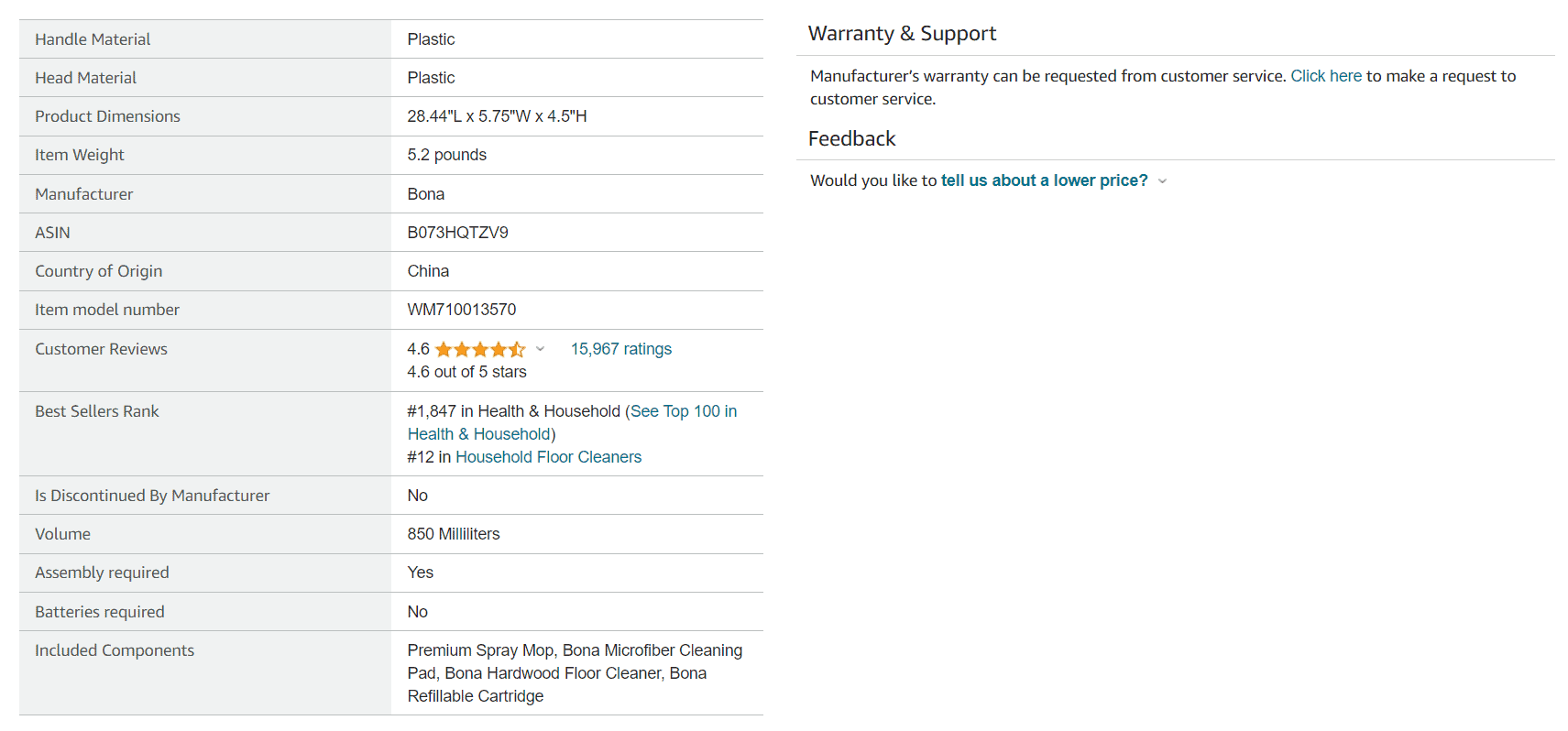









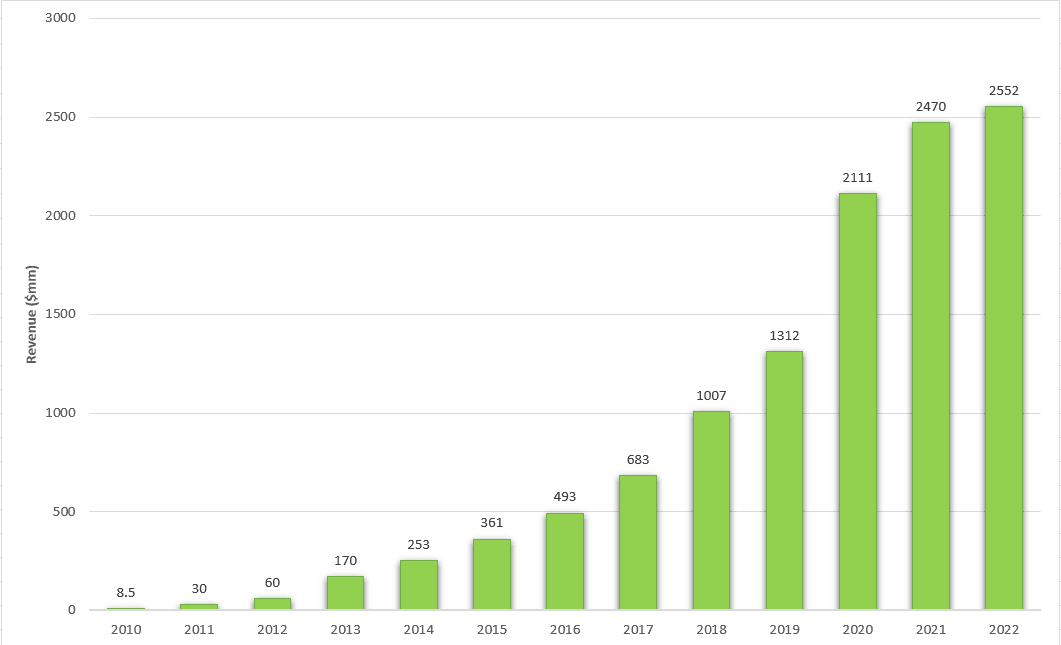




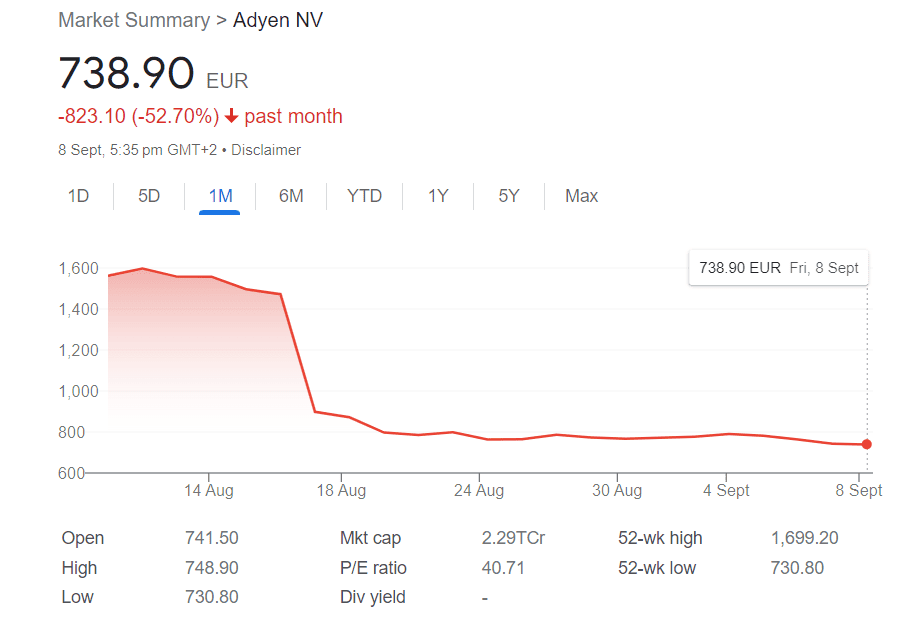
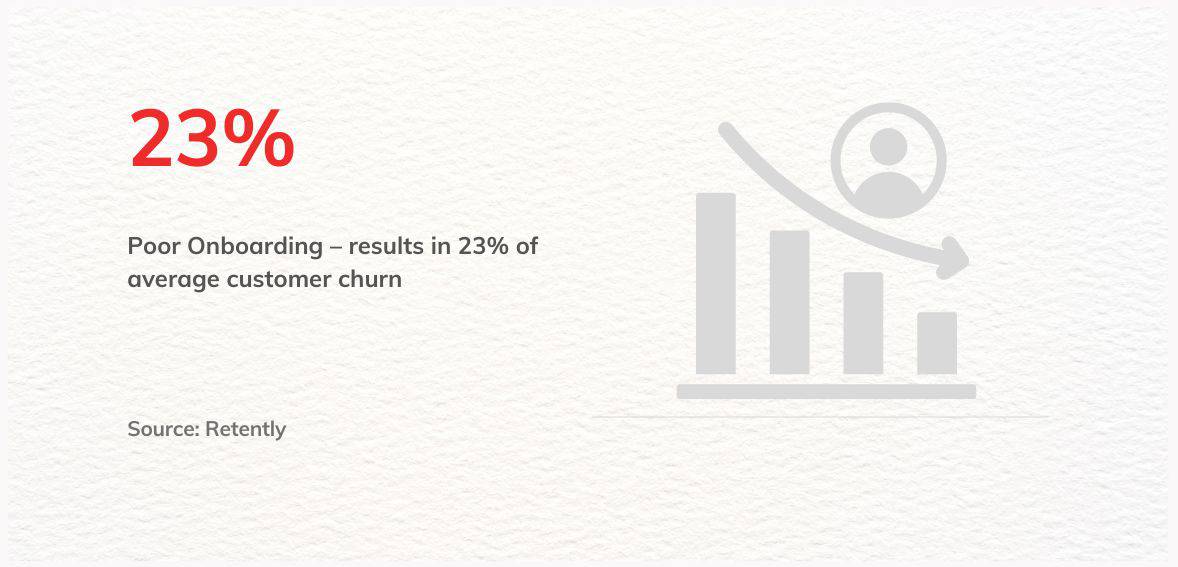
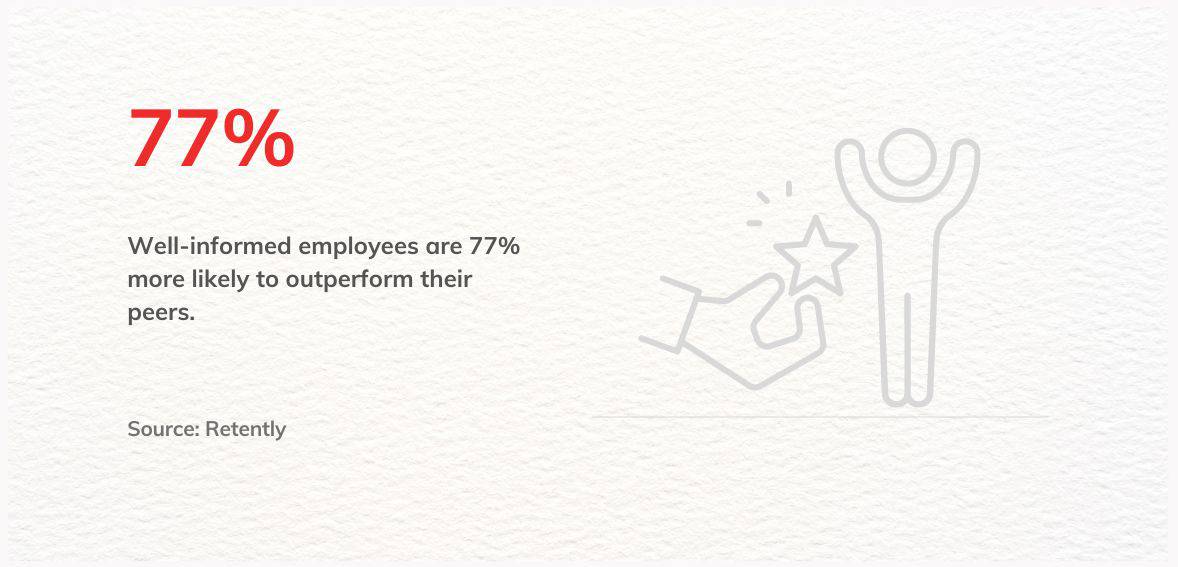



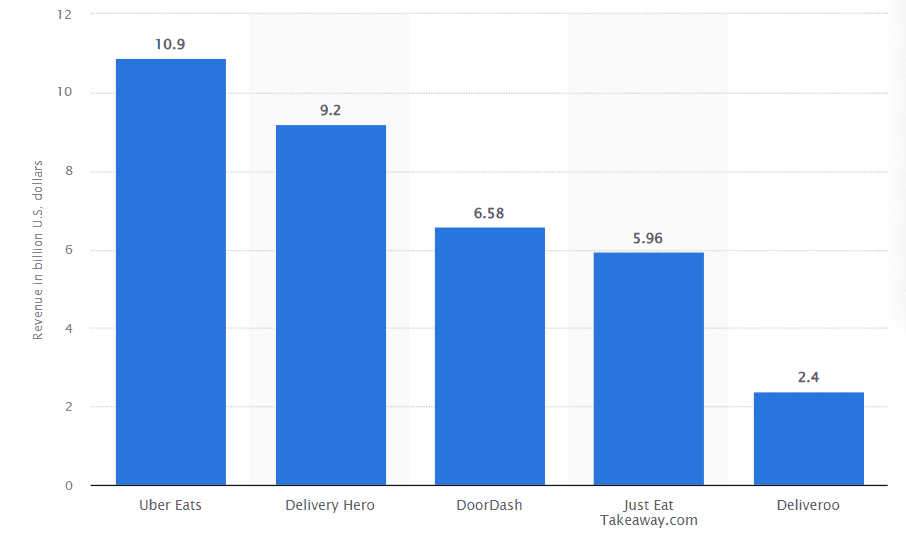
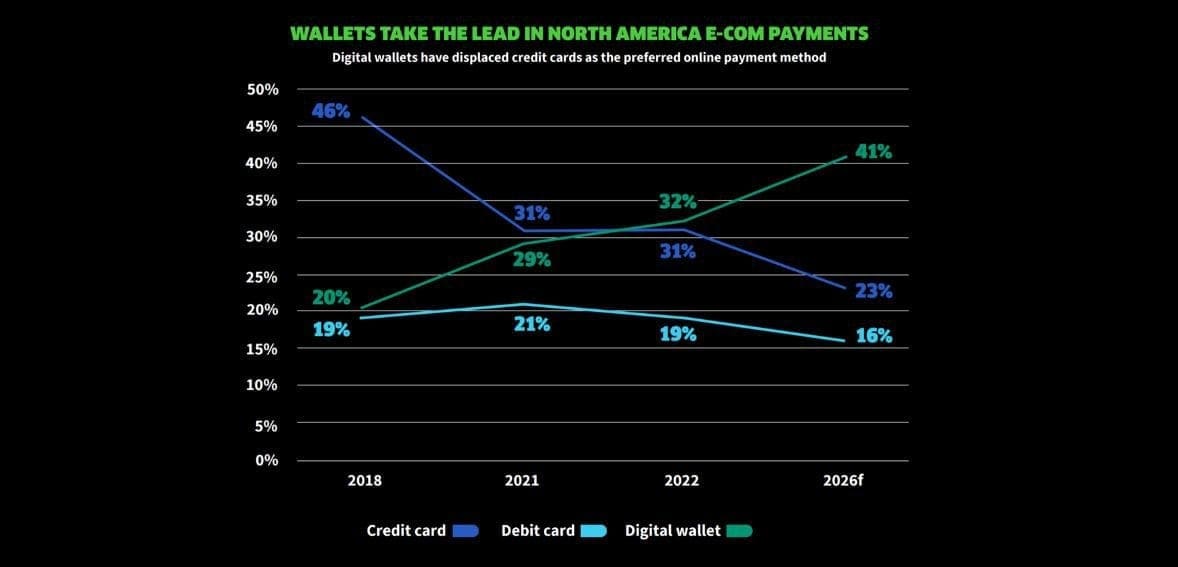








![Nevada Minimum Wage [year]](https://stage-feb2026.hostmerchantservices.com/wp-content/uploads/2024/03/1-11-624x300.jpg "1 11")