

Visa Report Highlights Scams Proliferating in 2024

Visa Report Highlights Scams Proliferating in 2024

Visa has published the Biannual Threats Report for Fall 2023. It highlights emerging frauds and scams that threaten the economy on a global scale. The report suggests a significant increase in phishing scams, now backed by generative AI tools. This Visa report also points out an uptick in enumeration and ransomware incidents. Additionally, it outlines Visa’s collaboration with law enforcement agencies worldwide to curb fraudsters.

Despite the global fraud rate trending lower than anticipated levels during the reporting period (January – June 2023), Visa disclosed its proactive efforts in averting $30 billion worth of fraudulent activities during this timeframe. However, threat actors managed to execute targeted and sophisticated fraud schemes that impacted specific institutions, technologies, and processes.

Visa Report – Key Takeaways
  • Ransomware attacks are on a concerning surge and are becoming increasingly complex. In its latest report, Visa suggests that companies need better cybersecurity to fight ransomware.
  • The report highlights that consumers are an easy target for them. By targeting vulnerable emotions and showing β€œtrust,” they perpetrate fraudulent activities, causing significant financial losses.
  • Another fascinating insight from the report is the fraudsters’ changing tactics. They employ new schemes like β€œpig butchering” and Flash frauds integrated with advanced AI to persuade.
  • Through significant investments in technology and innovation, Visa demonstrates its commitment to combating fraud. With a dedicated global team and swift response mechanisms to detect and neutralize threats, Visa aims to safeguard consumers and the payments ecosystem.

Visa’s Spring 2024 Biannual Threats Report Insights

Visa's Spring 2024 Biannual Threats Report Insights

Image source

Visa has recently released its Spring 2024 Biannual Threats Report, which sheds light on the payment risks impacting individuals and businesses globally. The report highlights a trend where cybercriminals are increasingly targeting the vulnerable aspect of the payment system. In the past five years, Visa has dedicated over $10 billion to technology and innovation to address these threats and protect consumers.

The reports suggest that the frequency and complexity of attacks are rising. In March 2023, these attacks peaked, with 460 incidents reported in just one month. This represented an uptick of 91% from February 2023 and a 62% increase compared to the period in the previous year. As per a 2023 report, exploiting vulnerabilities emerged as the primary method of attack, constituting 36% of ransomware incidents.

Following closely were incidents involving compromised login credentials, accounting for 29% of the cases. It’s worth noting that cybercriminals operating ransomware are not solely after payment information, but they also target any information they can find, including payment specifics and personal data. Additionally, there has been a rise in enumeration attacks, with a 40% surge, in the last six months, impacting both businesses and customers. Visa has quickly identified these threats through its Visa Account Attack Intelligence, which issues alerts to merchants to help prevent fraudulent activities.

3 9

Source: – Visa Payment Fraud Disruption

The focus of targets is shifting, with online or keyed-in transaction merchants now becoming more frequently targeted. They accounted for 58% of the total fraud and breach investigations. Traditional store merchants constituted 20%, and ransomware or fraud schemes comprised 7% of the cases.

Consumers are increasingly becoming the primary targets for scammers, who exploit heightened emotions to facilitate fraudulent activities. Despite a decrease in individual scam reports from June to December, the total monetary losses have risen, indicating that scammers are employing more effectiveβ€”and costlyβ€”scams. A recent Visa survey also revealed that over one-third of surveyed adults opted not to report scams perpetrated against them, suggesting that the actual losses could surpass estimates.

The report sheds light on various consumer scams, such as inheritance scams, “pig butchering” scams, triangulation fraud, and humanitarian and relief scams, resulting in substantial financial losses for victims. Visa’s dedicated team is tirelessly monitoring and disrupting fraud schemes, with their swift response being vital in protecting consumers. Here’s a look at some of the scams highlighted in the Spring Threats report:

  • Pig Butchering Scam

A pig butchering scam is a deceitful scheme that operates over an extended period. Scammers utilize fictitious online personas to deceive victims into investing money. Typically, scammers establish trust by feigning accidental receipt of the victim’s contact information and then introducing a fraudulent investment opportunity. Through persuasion, victims are convinced to invest additional funds, which scammers collect via digital payment platforms or cryptocurrencies.

When victims attempt to withdraw their funds, the fraudulent platform either provides excuses or imposes hefty fees, ultimately revealing the scam. According to Visa’s report, pig butchering scams, enhanced by AI for more convincing tactics, have resulted in billions of dollars in consumer losses. Additionally, 10% of surveyed adults have fallen victim to a pig butchering scam.

  • Inheritance Scams

Inheritance scams are a fraudulent tactic wherein a scammer poses as a lawyer, banker, or foreign official, asserting that the victim has inherited a substantial sum from a deceased relative.

The victim is then prompted to pay an initial fee to access their inheritance, purportedly covering legal fees, taxes, and other transfer expenses. According to Visa’s report, 15% of surveyed US adults have been targeted in inheritance scams.

  • Flash-fraud scams

These β€œbust-out” schemes involve threat actors setting up a seemingly legitimate merchant. Initially, they process a few genuine payments to build trust. Once credibility is established, they execute fraudulent transactions, often using stolen payment data. Subsequently, they vanish swiftly after pocketing the funds from the compromised accounts.

  • Triangulation Fraud

This type of fraud occurs in e-commerce when a buyer purchases an item online. The fraudster buys the same item from another seller using the buyer’s stolen credit card details. The fraudster ships the item to the buyer, who is typically unaware of the fraudulent transaction. These scams can cost merchants up to $1 billion monthly.

4 6

Source: – Visa Payment Fraud Disruption

Paul Fabara, Visa’s Executive Vice President and Chief Risk Officer, highlighted that Visa employs a global, around-the-clock team dedicated to identifying and countering fraudulent tactics used by malicious actors. Their efficiency in detecting and neutralizing threats is notable, with the average response time to shut down an attack being minutes rather than hours or days. Their goal is to maximize consumer protection. By raising awareness about these evolving scams, they aim to empower consumers to become an additional layer of defense in the ongoing fight against fraud.

In addition to individual targets, threat actors exploit organizations and networks, leveraging new technologies to exploit vulnerabilities. Organizational fraud trends include supply chain and third-party service campaigns, increased adoption of artificial intelligence by fraudsters, an 83% surge in Purchase Return Authorization (PRA) fraud attacks, and a staggering 300% increase in ransomware incidents from June to December 2023. Visa anticipates continued targeting of critical infrastructure by ransomware threat actors.

By closely integrating people and technologies, Visa has developed procedures to reduce and forestall attacks on the payments ecosystem. Visa collaborates with all participants in the payment ecosystem to detect any vulnerable data and promptly inform affected stakeholders.

About Visa

Visa Inc. (Visa) is a global digital payment technology company catering to various clients, including commercial and individual customers, government bodies, merchants, and financial institutions. It is pivotal in facilitating worldwide e-commerce through digital payment solutions and information exchange. Visa’s transaction processing network, VisaNet, handles the clearing, authorization, and settlement of payment transactions while also managing the routing of payment data.

Its offerings encompass payment cards, mobile payment solutions, merchant services, transaction processing, and various digital services to support large enterprises and local businesses. With operations spanning the Americas, Asia-Pacific, Europe, Africa, and the Middle East, Visa is headquartered in San Francisco, California, USA.

Conclusion

Visa’s Spring 2024 Biannual Threats Report provides a comprehensive overview of the evolving landscape of fraud and scams plaguing the global economy. Highlighting the alarming surge in ransomware attacks, phishing schemes, and enumeration incidents, the report underscores the critical need for robust cybersecurity measures and heightened consumer awareness. Despite proactive efforts to thwart fraudulent activities, threat actors continue to execute sophisticated schemes, impacting specific institutions and technologies.

The emergence of new scams like β€œpig butchering” and inheritance scams, propelled by advanced AI techniques, further accentuates the need for adaptive fraud prevention strategies. Visa’s commitment to combating fraud through significant technological investments and its swift response mechanisms and global collaboration underscores its dedication to safeguarding consumers and the payments ecosystem from evolving threats.

eCommerce Security for Payment Gateways

eCommerce Security for Payment Gateways: Ensuring Safe Transactions

eCommerce is thriving, allowing you to make more money from your online store. However, always stay on top of your payment security to keep your transactions safe from unauthorized access, data breaches, and fraudulent activities. Doing so helps build consumer trust, reduce financial risks, and boost eCommerce profits.

Don’t worryβ€”This page delves deeper into eCommerce security. Read on to learn how to secure your payment gateways for safe transactions.
How To Ensure Safe Transactions in Payment Gateways for eCommerce

The world of online business is booming. However, you must keep up with the eCommerce trends for 2024β€”and beyond. The payment gateways you use for your online store are one thing you must not neglect.
A payment gateway is a digital cash register that processes customer payments for your eCommerce business. It makes the financial transactions more secure, seamless, and convenient for your employees and customers.

Think of it as a virtual cashier that collects the customer’s payment information for the purchased products and sends them to the merchant’s bank in real time for processing.

Grand View Research predicts the global payment gateway market to grow from $26.79 billion in 2022 to $132.24 billion. It’s projected to achieve a 22.2% compound annual growth rate (CAGR).

How To Ensure Safe Transactions in Payment Gateways for eCommerce

Image source

Investing in payment gateways is best for establishing payment security. However, there is work to be done to ensure this.

That said, here’s how to ensure safe transactions for your eCommerce business:

1. Choose a reliable eCommerce platform and secure payment gateways

Whether starting or optimizing your online store, opt for a reliable platform used for digital transactions. Likewise, consider some of the best payment gateways in 2024 for your eCommerce business.

Your digital platform and payment portals should be able to securely accept payment options like:

  • Credit cards
  • Debit cards
  • Wire transfers
  • Electronic checks
  • Mobile wallets
  • Cryptocurrency

Shawn Plummer, CEO at The Annuity Expert, recommends established eCommerce platforms and known payment gateways.

Plummer explains, β€œThey usually prioritize security to secure customer data and avoid fraudulent transactions at all costs. Working with them gives you the utmost peace of mind, knowing your customer information and sales profits are secured and protected.”

2. Establish HTTPS and SSL on your website

Encryption is a top recommendation for eCommerce security. It protects your customers’ sensitive information and financial transactions from unauthorized access, theft, and fraud.

As such, integrate Hypertext Transfer Protocol Secure (HTTPS) and Secure Sockets Layer (SSL) features into your payment processing. HTTPS and SSL are website protocols that ensure network security and data privacy between your eCommerce platform and your customers.

Now, how do they work?

HTTPS indicates that your site has a valid SSL certificate verified by a trusted authority. SSL can encrypt data where only authorized staff and legitimate customers can decode it. Such encryption prevents cyber-attackers from invading your network and stealing your information.

3. Require robust authentication to regulate access

Authentication is crucial to eCommerce. This payment security measure entails verifying the identity of customers seeking to access information or make transactions on your website.

First, ask customers to set up an account with your online business. Likewise, it requires multi-factor authentication (MFA) for both customers and employees accessing confidential information on your eCommerce platform.

Ultimately, verify every transaction by asking for more than two forms of identification, such as card verification value (CVV), one-time password (OTP), and biometric data.

Catherine Schwartz, Finance Editor at Crediful, highlights the value of authentication for eCommerce security.

Schwartz argues, β€œIt might be a hassle for customers to create an account and verify information when purchasing products from your eCommerce website. However, safeguarding their data and securing transactions will prevent fraud that can cost their and your money. In the end, it’s better to be safe than sorry.”

4. Implement tokenization and consider using cryptocurrency

Tokenization is about replacing payment information with special tokens for payment processing and eCommerce fulfillment. Instead of usingβ€”let’s say, credit or debit card details, you can process unique identifiers called tokens. This process stops online hackers and fraudsters from stealing customer information.

Speaking of tokenization, accepting digital currencies is best for eCommerce transactions. As such, consider integrating payment gateways for cryptocurrency. Then, allow the use of crypto, such as Bitcoin (BTC) and Ethereum (ETC), for eCommerce payments.

Implement tokenization and consider using cryptocurrency

Image source

Not only are cryptos tokenized, but they also operate on blockchain technology. This technology is notable for its encryption for guaranteed security and decentralization from central authorities and third parties. Start accepting cryptos as payment tokens as digital currency is our future! Tokenization, a key security measure in online transactions, involves replacing payment information with unique tokens. When embracing digital currencies like Bitcoin (BTC) and Ethereum (ETH) for eCommerce payments, the inherent smart contract functionality on blockchain technology further enhances security and decentralization, shaping the future of secure digital transactions.

5. Use fraud monitoring and detection tools

Investing in fraud detection and prevention for your eCommerce business is vital. These security measures entail monitoring customer behaviors and transaction patterns. Digital tools will alarm you in case of irregularities, helping you identify and stop potential fraud almost immediately.

As you might or might not be aware, online payment fraud drives the focus on data security. This security initiative applies all the more to eCommerce. Therefore, invest in fraud monitoring and detection tools powered by artificial intelligence (AI) and machine learning (ML).

Anthony Martin, Founder and CEO of Choice Mutual, underscores the importance of fraud detection and prevention for eCommerce.

Martin argues, β€œSure, you might need a huge capital outlay for investing in AI or ML-integrated analytics tools for your eCommerce business. However, early detection and fraud prevention will help protect your online store from financial losses in the long run.”

6. Perform regular security audits in your payment gateways

Integrating security features and implementing security measures isn’t a one-time effort in eCommerce.

You must regularly audit your entire eCommerce platform, especially the payment gateways installed on it. The goal is to identify and address network and system vulnerabilities as soon as possible.

Jim Pendergast, Senior Vice President at altLINE Sobanco, recommends performing regular security audits for your eCommerce business.

Pendergast explains. β€œCybersecurity has become a growing concern across all industries, especially eCommerce. With multiple cyberattacks since the pandemic, you must do what it takes to protect your online business. On top of this measure is your payment gateway, where business-customer transactions occur.”

7. Ensure full compliance with applicable laws and regulations

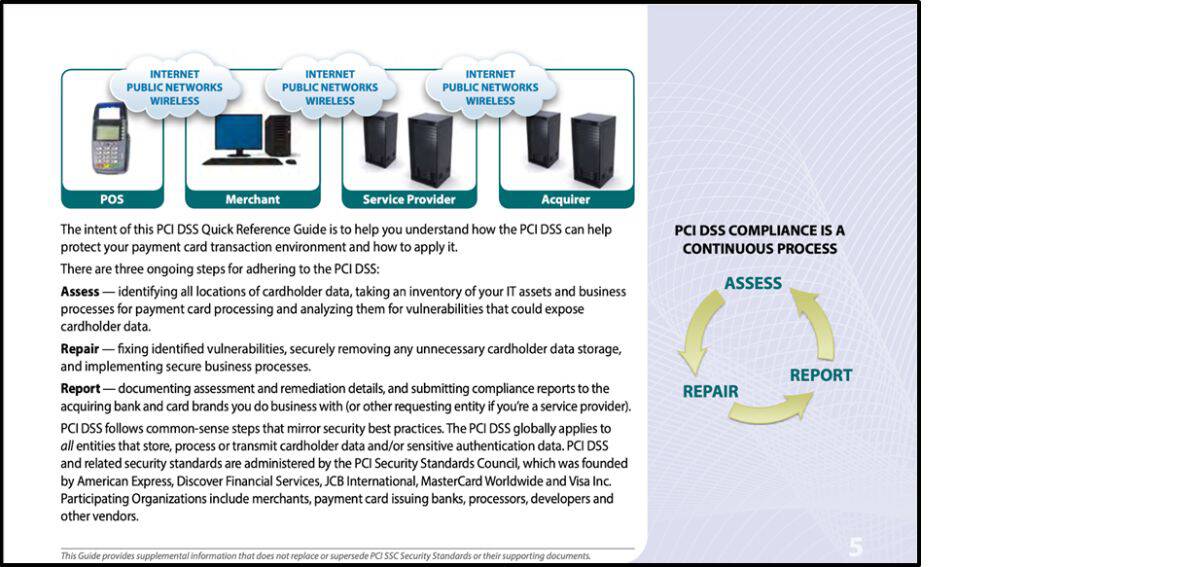
Full payment card industry data security standard (PCI DSS) compliance is imperative in eCommerce. For the uninitiated, PCI DSS is a set of rules for handling payment transactions that aim to keep transactions as safe as possible.

Complying with PCI DSS protects your customer data and business information. It also reduces the risk of data breaches and fraudulent transactions. Ultimately, it prevents financial losses and legal ramifications. In short, it protects your business during a crisis or even avoids it altogether.

Ensure full compliance with applicable laws and regulations

Image source

The PCI DSS covers standard practices, such as:

  • Risk assessment: Identify potential vulnerabilities in your payment-processing structure and tackle areas for improvement.
  • Security measures: Implement measures like encryption, authentication, and tokenization for guaranteed security.
  • Monitoring, testing, and updates: Regularly track, test, and update your systems and networks to establish a secure environment.
  • Employee training and best practices: Conduct staff training on PCI DSS requirements and share best practices for processing transactions.
  • Incident-response plan: Create a comprehensive incident-response plan to guide your company in the event of a security breach or other incident.

In addition to adhering to the Payment Card Industry Data Security Standard (PCI DSS) and other security measures, it’s equally important to ensure your eCommerce website complies with legal requirements regarding privacy policies. A comprehensive privacy policy communicates to your customers how their data is collected, used, and protected, which is a cornerstone of consumer trust and legal compliance.

8. Conduct employee training and consumer education

As cited, cybersecurity is of the utmost concern in eCommerce. Companies and organizations invest in cybersecurity measures to protect their business and customers. They seek to prevent and avoid cyberattacks, such as the following:

  • Password attacks – stealing passwords to have unauthorized access to systems and information
  • Phishing attacks – deceiving people to provide or reveal sensitive information
  • Malware attacks – using malicious software to harm or damage a computer, system, or network.
  • Denial of service (DoS) attacks – having a deliberate attempt to disrupt a network, system, or service
  • Man-in-the-middle (MitM) attacks – intercepting the communication between two parties to steal data or information

Jay (Yong Jia) Xiao, Co-founder and President of SuretyNow, suggests conducting employee training and consumer education in eCommerce.

Xiao explains, β€œThere’s a need to set security guidelines, orient your staff, and ensure strict compliance. Proper training will help your employees understand the importance of security and enforce full adherence.

Xiao continues, β€œYou should also educate your customers about protecting themselves when doing business with you. You can do this by putting disclaimers or warnings during the checkout process on your payment gateways.”

Final Words: eCommerce Security for Payment Gateways

There’s no denying the income potential offered by eCommerce. However, you must invest in payment gateways and maintain their security. These initiatives make financial transactions much more accessible, convenient, and secure for your online business.

As such, consider the practical tips above for ensuring safe transactions in payment gateways.

Start by choosing a reliable platform and secure gateways and end by conducting staff training and customer education. Likewise, employ proper encryption, robust authentication, effective tokenization, and fraud monitoring and detection. Lastly, perform security audits regularly and comply with laws and regulations.

Optimizing your payment gateways is crucial for selling products online and instrumental to growing your eCommerce business.

Retail Sales Projected to Top $5.23 Trillion in 2024

Retail Sales Projected to Top $5.23 Trillion in 2024

Despite the loom of recession in 2023, the year turned out to be unexpectedly better for all retailers across the US. In the forecasted recession, which never materialized, consumers remained resilient and continued spending, leading to a notable annual sales growth of 3.6%, or about $5.1 trillion. Looking ahead to 2024, US retail sales are anticipated to maintain an upward trajectory, although slightly slower than the previous year.

According to forecasts from the National Retail Federation (NRF), retail sales are projected to climb by 2.5% to 3.5% in 2024 to reach between $5.23 trillion and $5.28 trillion. The NRF shared these forecasts at its fourth State of Retail & the Consumer online event, which focused on evaluating the welfare of shoppers and the overall retail industry in the United States.

Key Takeaways
  • Optimistic Growth Projections: The NRF is confident about sales growth in 2024, with a projected increase of 2.5% to 3.5%. This growth is expected to push revenues between $5.23 trillion and $5.28 trillion, building upon the solid sales performance in 2023.
  • Diverse Sales Channels: The NRFs projections cover a variety of sales channels, including online sales and non-stores, which are expected to grow by 7% to 9% YOY. This reflects the trend of consumers shifting towards digital platforms and underscores the need for retailers to adjust their strategies to meet changing shopping patterns.
  • Economic Impact of Retail: Retail has been and remains a cornerstone of the US economy, with over 4.6 million establishments supporting 55 million jobs and contributing around $5.3 trillion annually to the nation’s GDP. Matthew Shay, CEO and President of NRF, highlights how retailers drive growth and emphasize the importance of adapting to consumer preferences for expansion.
  • Challenges and Opportunities Ahead: Despite signs of continued growth, such as consumer resilience and positive economic indicators, challenges like inflation pressures, labor market fluctuations, and increasing credit costs pose obstacles on the horizon. To thrive in the evolving world of retail in 2024, stores need to adapt to what customers want and provide flexible prices.

NRF’s Projections and Economic Insights for Retail Sales in 2024

On March 20th, the National Retail Federation (NRF) released its projections for retail sales in 2024. According to the NRF, retail sales are anticipated to increase by 3.5% to reach $5.28 trillion. The forecast also includes online sales and non-stores, which are expected to grow by 7% to 9% YOY, totaling between $1.47 trillion and $1.5 trillion. This forecast for 2024 by NRF closely matches the sales growth of $5.1 trillion, which was recorded in 2023, or about a 3.6% yearly growth rate. Non-store and online sales reportedly amounted to $1.38 billion last year.

image 25

Source: Retail growth February 2024

The NRF’s retail sales projection for 2024 excludes automobile dealers, gasoline stations, and restaurants, focusing solely on the core retail sector. This forecast is derived from economic models that analyze various factors such as wages, employment rates, disposable income, consumer confidence, past retail sales data, weather patterns, and consumer credit trends.

A robust job market and increasing wages have bolstered household spending. However, retail sales have experienced fluctuations due to rising credit expenses and persistently high prices. Additionally, consumer spending patterns have shifted towards services, following a period of heightened focus on purchasing goods during the pandemic’s peak when people were predominantly staying at home.

Matthew Shay, CEO and President of the NRF, expressed confidence in American consumers’ resilience, stating that they continue to drive the economy forward. He emphasized the importance of retailers meeting consumer preferences by providing products and services conveniently and at competitive prices, which ultimately fosters steady growth throughout the year.

Shay further emphasized the significant impact of the retail industry on the economy, noting its vast scale, with over 4.6 million establishments supporting 55 million jobs in America. This makes retail the largest private sector employer, constituting more than one-fourth of all jobs and contributes approximately $5.3 trillion annually to the nation’s GDP. NRF’s prediction suggests that retail sales will return to more sustainable levels in 2023, with another promising holiday season anticipated.

image 26

Source: Prosper Insights and Infogram

The NRF anticipates full-year GDP growth of approximately 2.3%, a slightly slower pace than the 2.5% seen in 2023. However, this growth rate is deemed strong enough to support job creation. Inflation is also projected to ease to 2.2% YOY, attributed to factors such as a stabilizing economy, better alignment between product and labor markets, and decreasing housing expenses.

According to Jack Kleinhenz, Chief Economist at NRF, the economy relies heavily on consumers, who have demonstrated greater resilience than anticipated. It’s challenging to have a pessimistic outlook on consumer behavior. Looking ahead to 2024, the critical question is whether consumer spending will maintain its resilience.

Kleinhenz also observed that consumers’ financial positions and ability to manage debt remain strong. The uptick in home and stock prices in 2023 likely encouraged higher consumer spending through the “wealth effect,” a trend expected to continue in 2024. Various surveys indicate that consumers maintain a positive outlook, which should bolster their willingness to spend. However, many consumers feel the strain of tighter credit conditions and inflation.

The labor market is also anticipated to ease up in 2024, slowing down the robust job growth and wage increases that have been driving consumer spending. The NRF predicts that the economy will see approximately 100,000 fewer jobs per month on average compared to 2023, with an expected unemployment rate of around 4% for the entire year.

This projection from the retail group coincides with a slight uptick in consumer spending observed in February, following a pullback the previous month. However, the increase of 0.6% last month was weaker than anticipated, and January’s decline was revised downward even further, indicating a growing sense of caution among consumers regarding their spending habits. Many retailers are responding by ramping up promotions as they enter the spring sales season while also introducing new loyalty programsβ€”some free, others fee-basedβ€”to encourage shoppers to return more frequently.

About NRF

NRF

Image source

The National Retail Federation (NRF) is the world’s largest retail trade association, championing initiatives, policies, and concepts to advance the retail sector. Through its lobbying division, the NRF actively promotes legislation and shapes labor, commerce, healthcare, and workforce development agendas. Moreover, the NRF operates a philanthropic arm known as the NRF Foundation, which focuses on enabling connections between the industry and job seekers by providing educational opportunities, training, scholarships, and immersive experiences.

Established in 1911, the NRF boasts a diverse membership base encompassing all retail landscape facets, from department stores and restaurants to grocery outlets and multi-level marketing enterprises. Serving as the preeminent private-sector industry body in the United States, the NRF represents a staggering network of over 3.8 million retail establishments and employs over 52 million individuals.

Conclusion

The retail industry is poised for continued growth in 2024, with projections from the NRF indicating an anticipated uptick in sales. Despite economic uncertainties and evolving consumer behavior, the resilience demonstrated by consumers in recent years remains a driving force behind this growth. While the pace of expansion may moderate slightly compared to previous years, factors such as a robust job market, increasing wages, and consumer confidence are expected to sustain momentum.

However, challenges such as rising credit expenses and inflationary pressures warrant careful attention from retailers. By aligning with consumer preferences, offering competitive pricing, and embracing innovative strategies, retailers can navigate these challenges and contribute to the industry’s ongoing success. As the NRF continues to advocate for the retail sector’s interests and foster connections within the industry, it remains poised to support retailers in adapting to evolving market dynamics and seizing growth opportunities.

Visa and MasterCard agreement

Visa and MasterCard Reach Agreement to Put a Cap on Swipe Fees in a Settlement

March 26th marked a significant day for the merchants as Visa and MasterCard reached a landmark agreement involving nearly a $30 billion settlement. This settlement aims to significantly lower merchants’ credit and debit card transaction costs by reducing US credit card interchange rates, commonly called swipe fees, for a minimum of five years.

Should this antitrust settlement receive court approval, it would be recorded as one of the largest in the US legal history, effectively putting to rest most of the disputes raised in a nationwide class-action lawsuit that began in 2005. This Visa and MasterCard agreement is undoubtedly a game changer for merchants and customers.

Key Takeaways
  • Reduction in Interchange Rates: Visa and Mastercard are set to lower and limit interchange rates for consumer and commercial credit transactions in the US, offering a direct reduction in costs for businesses. This marks an end to a two-decade-long battle, initially filed in 2005.
  • Five-Year Cap on Rates: This deal means that both MasterCard and Visa have decided to put a cap on the interchange rates for at least the next five years, which, from their perspective, will give merchants the much-needed assurance and predictability in the business expenses demanded by the merchants.
  • Enhanced Flexibility and Education: Merchants will now enjoy broader options at checkout, including adding surcharges and pushing for preferred payment methods. Additionally, the agreement promises funding towards educating small businesses on how to accept payments efficiently and manage costs effectively.
  • Industry Response and Ongoing Concerns: While the settlement has been approved by specific sectors of the industry, skepticism remains among others. Critics point out that the measures are a β€œtemporary bandage,” failing to tackle the root issues with swipe fees head-on. A significant worry is the potential for fee hikes once the five-year period ends.

Visa and Mastercard Agreement: A Turning Point in US Merchant Fee Disputes

mastercard securecode

On March 26th, Visa and MasterCard announced that over two decades of ongoing legal battles with US retailers over the interchange fees charged by the payment giants had ended.

According to the agreement’s terms, Visa and Mastercard have decided to lower and set a maximum limit on the interchange fees they levy. This new arrangement also opens the door for small businesses to negotiate rates with these payment processing giants, a privilege that, until now, was mostly reserved for the more prominent players who had the leverage to negotiate on their own.

Here’s what the agreement includes:

  • Reduction in Interchange Rates: Both Visa and MasterCard had jointly agreed to lower and cap the already published and effective interchange rates for consumer and commercial credit transactions throughout the United States.
  • Cap on Interchange Rates: The agreement is valid for the next five years, within which both the processors will offer reduced credit interchange rates. This gives merchants the certainty they have long sought regarding costs.
  • Enhanced Cost Management Options: Merchants will have increased flexibility at the point of sale. This includes encouraging the use of preferred payment methods and more choices regarding surcharging. Additionally, the settlement allocates funding for new programs to educate small businesses on payment acceptance options and effective cost management strategies.

Swipe fees have small fixed charges plus a percent of the amount – usually around 1.5% to 3.5% per sale. Visa and Mastercard would decrease these fees by at least four basis points (0.04%) for three years. The rate would stay basis points lower than the current average for five more years. Both the card networks agreed to cap rates and remove anti-steering provisions. So now merchants can offer discounts or add surcharges on higher-cost cards. And they’ll explain to shoppers why some cards β€” often business or rewards cards β€” cost more to process.

Robert Eisler, the co-lead attorney for the plaintiffs, said all US merchants would get significant cost cuts from this deal, which also achieves their goal of eliminating anti-competitive barriers.

Kim Lawrence, Visa North America’s president, stated that through direct negotiations with merchants, they’ve achieved a settlement that includes significant accommodations targeting the specific challenges identified by small businesses.

Rob Beard, the chief legal officer, general counsel, and head of global policy at Mastercard, remarked that this agreement concludes a prolonged disagreement, offering business owners considerable benefits and certainty, including the flexibility in managing card program acceptance.

Assessing the Settlement’s Impact on Swipe Fees: Industry Responses and Ongoing Concerns

While some industry groups representing retailers of all sizes welcomed the settlement as a step in the right direction, they emphasized that more action is needed to address the ongoing issue of swipe fees. They pointed out that the reduced fees would only be in effect for a limited period, ranging to five years, after which they would revert to their current levels.

Some major companies, like Starbucks Corp., Target Corp., Crate & Barrel, and Foot Locker Inc., remain skeptical about the settlement’s effectiveness. They had previously opted out of a $5.6 billion class action settlement with the card companies to pursue their case. These companies plan to proceed to trial, alleging that Visa and Mastercard colluded on fees, especially after a federal judge rejected the card companies’ attempt to halt the litigation.

However, unlike before, they cannot opt out of the March 26 proposal, which primarily focuses on injunctive relief rather than monetary compensation. Merchants that chose to suit independently and opt out of the $5.6 billion settlement do not have their damages claims resolved by this settlement.

The Retail Industry Leaders Association, representing businesses employing over 42 million Americans, stated that while the settlement merits further examination, it’s seen as just the starting.

According to Doug Kantor, a member of the Merchants Payments Coalition‘s executive committee, the proposed settlement needs to be revised for merchants. Despite an expected $30 billion in savings over five years, US businesses paid over $170 billion in swipe fees just last year. Based in Washington, DC, the coalition advocates for payment market competition.

Visa and Mastercard will retain the authority to determine the prices for swipe fees charged to merchants with each customer transaction. Plus, nothing prevents these companies from increasing these fees again once the five-year period elapses.

Merchants are also concerned about their ability to encourage customers to use preferred cards that incur lower fees, especially when larger retailers might still accept all types of cards, even those with higher interchange fees, such as Visa Infinite or Chase Sapphire Reserve. The suggested settlement shifts the responsibility to merchants to motivate customers to opt for alternative payment methods.

The plaintiffs’ lawyers stated that Visa and Mastercard have agreed to cover up to $170 million in legal fees and expenses. Additionally, certain U.S. senators have endorsed the Credit Card Competition Act, which aims to allow merchants to process Visa and Mastercard credit cards through alternative payment networks.

About Visa

visa card

Visa is a global financial services corporation based in the United States, specializing in electronic payment systems worldwide. It manages a vast network for electronic payments, enabling the exchange of money and information across banks, merchants, consumers, businesses, and governmental bodies.

In addition to facilitating electronic transactions, Visa offers services to enhance online payment security and manage risks for e-commerce merchants. It provides transaction services for digital goods within online gaming, digital media, social networking platforms, and mobile financial solutions catering to mobile operators and banks in emerging markets.

The company’s portfolio includes well-known payment brands such as Visa, PLUS, Interlink, and Visa Electron, which support various payment methods, including credit, debit, prepaid, and commercial programs, accessible in over 200 countries and territories. Through its global network, VisaNet, Visa also offers advanced processing services, including fraud prevention, risk management, dispute resolution, rewards programs, and other services that support business operations.

About MasterCard

Mastercard

Mastercard is a leading technology firm that delivers payment solutions encompassing credit, debit, prepaid, and commercial card programs. Additionally, the company extends its expertise to provide cyber and intelligence services. Collaborating with financial institutions, Mastercard facilitates the processing of electronic payments for merchants. Unlike issuing cards directly, Mastercard’s revenue model is based on collecting fees from the Gross Dollar Volume (GDV), representing the cumulative transactions made with Mastercard-branded cards.

The company forges partnerships with many institutions globally, bridging various stakeholders across diverse transaction types. Mastercard-branded cards, issued by participating banks and adorned with their logo, are recognized for their open-loop system. This system ensures that the cards are accepted universally at all locations where Mastercard’s services are available.

Conclusion

The recent settlement between Visa and Mastercard, potentially resolving nearly two decades of legal disputes with US merchants, marks a significant milestone in the ongoing saga of swipe fees. With a proposed reduction and cap on interchange rates, alongside provisions for enhanced cost management options, this agreement promises substantial cost reductions for merchants, particularly small businesses.

While some industry stakeholders have welcomed the settlement as a positive step, concerns linger about the temporary nature of the fee reductions and the potential for fees to increase again after the five-year period. Approval of this settlement may provide relief and certainty to merchants nationwide, addressing long-standing grievances and setting a precedent for future negotiations in payment processing.

Nuvei Acquisition: Advent Set to Purchase Fintech Backed by Ryan Reynolds for $6.3 Billion

Nuvei Acquisition: Advent Set to Purchase Fintech Backed by Ryan Reynolds for $6.3 Billion

Advent International has acquired Nuvei to take it private. The Nuvei acquisition news came just two weeks after the announcement Nuvei was forming a team to evaluate advanced buyout transactions from interested β€œthird parties,” including Advent. Advent is a private equity firm based in the US. Nuvei, initially listed on the Toronto Stock Exchange in 2020 (also listed on NASDAQ), is set to go private through a $6.3 billion acquisition, marking a significant transition just four years after its IPO.

Key Takeaways
  • Acquisition Agreement: Advent International has agreed to buy Nuvei in a cash purchase deal worth $6.3 billion. This acquisition will take Nuvei private after four years of being a publicly traded company on NASDAQ and TSE. The transaction value is set at $34 per share, which is a premium of 56% over Nuvei’s share price on March 15.
  • Leadership Continuity: Nuvei’s Chairman and CEO, Philip Fayer, will continue leading the company post-acquisition, ensuring a smooth transition. Equity stakes in the private entity will be distributed among CDPQ, Novacap, and Philip Fayer, with percentages of 12%, 18%, and 24%, respectively.
  • Deal Timeline: The all-cash transaction is expected to conclude in late 2024 or early 2025, subject to approval from shareholders and regulatory bodies. Nuvei will maintain its headquarters in Montreal, reaffirming its commitment to its Canadian roots.
  • Strategic Implications: The acquisition positions Nuvei among several Canadian tech firms transitioning from public to private entities. Philip Fayer emphasizes the potential for collaboration with Advent to enhance value for employees and customers, leveraging opportunities in the payments industry. Advent’s expertise in payments reinforces confidence in Nuvei’s growth trajectory, which aims to become a global leader in payment technology.

Nuvei Acquisition: Advent International to Take Nuvei Private for $6.3 Billion

Ryan Reynolds

The Canadian payment company backed by Ryan Reynolds, Nuvei, has announced that it has reached an acquisition agreement valued at $6.3 billion with Advent International, a private equity firm based in Boston, Massachusetts, United States. Advent will acquire Nuvei value of $34 per share, representing a significant 56% premium over Nuvei’s closing share price of $21.76 on March 15th.

This development follows last month’s news that Nuvei had formed a special committee to explore potential offers amid interest from Advent. With the acquisition, Nuvei’s Chairman and CEO, Philip Fayer, is set to continue leading the company, ensuring a smooth transition post-acquisition. Following the deal, equity stakes in the newly private entity will be distributed among CDPQ, Novacap, and Philip Fayer, holding 12%, 18%, and 24%, respectively.

Subject to approval from shareholders and regulatory bodies, this all-cash deal is anticipated to conclude by the end of 2024 or early 2025. Nuvei will continue to operate from its headquarters in Montreal, reaffirming its dedication to its Canadian origins.

This deal positions Nuvei as the latest addition to a growing lineup of Canadian tech firms transitioning from publicly traded entities to private. This list includes Dialogue Health Technologies, BBTV Holdings, MDF Commerce, Magnet Forensics, TrueContext, Q4 Inc., and others.

Philip Fayer, CEO of Nuvei, remarked that the deal signifies the start of a thrilling new phase for Nuvei. He expressed enthusiasm for collaborating with Advent to enhance value for their employees and customers further while leveraging the substantial opportunities presented by this investment. He added that their strategic endeavors have consistently aimed at boosting their customers’ earnings, spearheading innovation within their technology sphere, and fostering the growth of their team. Incorporating a partner with profound expertise in the payments industry will further bolster their progression.

Nuvei has established itself as a frontrunner in delivering payment technology to businesses, offering solutions that facilitate smooth payment processing regardless of customers’ locations or chosen payment methods. Advent International’s acquisition is set to enhance Nuvei’s capabilities and growth plans in the continuously evolving fintech industry.

Managing director Bo Huang at Advent stated that Nuvei has successfully established a unique global payments platform featuring innovative solutions catering to desirable end markets, including global e-commerce and embedded and B2B payments. Advent’s extensive knowledge and history in the payments sector reinforce their confidence in the potential to assist Nuvei in its growth from a Canadian foundation to a worldwide leader in this field. Huang expressed eagerness to work closely with Nuvei, seizing new opportunities to influence the evolution of the payments industry.

Earlier last year, Nuvei made headlines as it finalized a $1.3 billion acquisition of the payment platform Paya. The company aims to expand its presence in “high-growth” sectors such as nonprofits, healthcare, utilities, government, and other B2B markets.

The Wall Street Journal was the first to report that Nuvei had formed a team to evaluate potential deals by interested parties. Advent International was also highlighted as one of the interested buyers, which Nuvei later confirmed.

About Advent

About Advent

Image source

Established in 1984, Advent International is one of the leading and most seasoned global private equity firms. With a history of investing in over 420 companies spanning 42 countries since its inception, Advent International actively supports businesses in accessing new markets, adopting innovative technologies, launching products, and achieving growth.

The firm prides itself on a business approach centered around trust, diligently maintaining an open, honest, and inclusive work environment. Beyond private equity, Advent International offers services in investment advisory, wealth management, due diligence, and evaluation. As of September 30, 2023, it manages assets totaling $91 billion. With a global footprint, Advent International operates out of 15 offices located in 12 countries, employing over 295 investment professionals in North America, Europe, Latin America, and Asia.

About Nuvei

nuvei

Image source

Nuvei, based in Canada, is a fintech firm specializing in offering advanced payment solutions for businesses. The company’s innovative technology enables enterprises to process cutting-edge payments, provides various payout options, and includes additional services such as banking, card issuance, and managing risk and fraud. The aims of Nuvei’s services are to enhance sales conversion rates, minimize operational expenses, and expand the range of markets and payment methods available to businesses. Nuvei boasts compatibility with 634 payment methods, operates across more than 200 international markets, and supports 150 different currencies. Nuvei also provides round-the-clock live support and collaborates with some of the world’s top brands.

Nuvei launched its initial public offering (IPO) in September 2020, raising $700 million on the Toronto Stock Exchange. Following this, in October 2021, Nuvei successfully completed another Nasdaq IPO, raising $424.8 million.

Conclusion

The acquisition of Nuvei by Advent International for $6.3 billion marks a significant milestone in the trajectory of both companies. This strategic move underscores the dynamism and potential of the fintech sector, amplifying Nuvei’s position as a leader in payment technology solutions. With Nuvei’s transition from a public to a private entity, spearheaded by Advent, continuity in leadership under Philip Fayer ensures a seamless journey forward.

The deal reflects confidence in Nuvei’s innovative offerings and signals a broader trend of Canadian tech firms transitioning to private entities. As Nuvei embarks on this new chapter, guided by its dedication to customer value and technological advancement, the partnership with Advent promises to unlock new opportunities and drive evolution in the payments industry.

3 3

DOJ Alleges Apple Pay Inhibits Competition

Big corporations like Facebook, Google, TikTok, and Apple were largely able to avoid government oversight for many years, trying to create monopolies in the industries. However, looking at the recent shifts, this has changed drastically. In a new shift, the US Department of Justice DOJ is suing Apple Inc, alleging that Apple Pay inhibits competition and violates antitrust laws by concealing rivals of Apple Pay, such as digital wallets, by limiting their functionalities and features. The DOJ claims that Apple’s grip on tap-to-pay transactions is a step towards stopping the innovation and competition altogether, further solidifying its monopoly in an already dominated market.

Apple Pay, the leading target here, is accused of creating dominance of Apple Wallet by limiting cross-platform digital wallets. The fees imposed by Apple on Apple Pay transactions have also sparked significant debate, leading the DOJ to take the example of Samsung and Google payment app developers, who do not levy fees on any transaction.

Key Takeaways
  • The US Department of Justice is taking legal action against Apple, alleging that the company’s control over Apple Pay is stifling competition and innovation in the digital payment market.
  • The DOJ asserts that Apple’s dominance in tap-to-pay transactions, particularly through Apple Pay, restricts the functionalities of rival digital wallets and solidifies Apple’s monopoly in the market.
  • Apple’s imposition of fees on Apple Pay transactions, while other major players like Samsung and Google do not charge such fees, has sparked significant debate and is a focal point in the DOJ’s case against the tech giant.
  • The DOJ contends that Apple’s monopoly in the smartphone market creates barriers for other companies seeking to develop apps, including digital wallets, by limiting access to iPhone users and hindering economic viability.

DOJ Is Suing Apple for Alleged Monopolistic Practices

DOJ Is Suing Apple for Alleged Monopolistic Practices

The United States has initiated significant legal action against Apple, alleging that the technology behemoth has a monopolistic approach to the industry and has stifled competition. In its antitrust complaint, the DOJ targets its use of Apple Pay to hinder competition and rake in billions of dollars yearly by using its market dominance in mobile devices to restrict rival payment app competition and charge card issuers to increase its earnings.

Government regulators have increased their scrutiny of Apple in recent years due to its App Store restrictions.

The DOJ claims that Apple has blocked banks and other financial institutions from using its tap-to-pay technology and curbed the integration of iPhones with rival smartwatches. As a result, Apple has allegedly been making billions of dollars in fees from processing Apple Pay transactions.

After a nearly two-year investigation in 2020, preliminary findings by European regulators indicated that Apple Pay abused the company’s dominant position in the tap-to-pay app and mobile wallet market. In January this year, seemingly mindful of other impending regulatory battles, Apple offered concessions. It promised to make its NFC and associated technology available to third parties so they could create tap-to-pay services compatible with Apple devices, dodging the need for Apple Pay if a user wants to. The proposal is still under evaluation.

Interestingly, in the 88-page complaint filed by the US Department of Justice, the Apple Pay case was the only European activity mentioned, despite Apple facing antitrust battles in Europe. Recently, the European Union fined Apple €1.8 billion ($1.95 billion) for violating antitrust regulations in music streaming. PayPal, a major player in the digital payment market, played an important role in the initially filed European Union complaint against Apple Pay’s monopoly.

European Union fined Apple €1.8 billion ($1.95 billion) for violating antitrust

Apple charges banks a standard 0.15% fee for every Apple Pay transaction. According to recent numbers, the potential β€œprofit” is anticipated to amount to over $4 billion in 2023, doubling the YOY figure of $1.9 billion in 2022.

Although these amounts may seem relatively small for a company that generated around $383.29 billion in revenue in 2023, the company’s main strategy is based on the idea that digital payments will become increasingly important in people’s daily lives. The DOJ acknowledges Apple’s anticipation. As stated in the DOJ’s lawsuit, this belief emphasizes the significance of payments inside the iPhone ecosystem, iPhone ownership, and Apple’s place in the market.

The DOJ asserts that Apple’s monopoly in the smartphone market poses a barrier to the economic viability of companies seeking to develop apps, including digital wallets. Due to Apple’s dominance, these companies cannot access iPhone users.

Understanding the Viewpoint of DOJ: How Apple is Creating a Boundary for Other Digital Wallets

Understanding the Viewpoint of DOJ: How Apple is Creating a Boundary for Other Digital Wallets

Apple’s grip on digital wallet creation and its deployment stems from its control over API access, both technically and contractually. This prevents third-party developers from introducing their wallet apps with tap-to-pay features on the iPhone.

This control enables Apple to dictate how iPhone users conduct tap-to-pay transactions. Furthermore, it blocks users from experiencing third-party wallets’ potential benefits and innovations, including consolidating various credentials, cards, tickets, and even car keys in one place. Without such restrictive practices by Apple, digital wallets that work across different platforms could offer functionalities like managing subscriptions and making in-app purchases. Apple’s discouragement of these wallets and related super apps solidifies its ecosystem since the Apple Wallet is exclusive to iPhone users.

Choosing a different smartphone brand would require consumers to abandon the convenience of a familiar app, necessitating the setup of a new digital wallet and possibly losing certain credentials and personal data stored in the Apple Wallet. A digital wallet compatible across different platforms would simplify the transition from an iPhone to another smartphone brand.

Given that many users already utilize apps from their preferred banks or financial institutions, if these entities were to offer digital wallets, it would open up access to new applications and technologies without forcing users to share their private financial information with extra third parties, which also means the same for Apple itself. Additionally, the 0.15% fee imposed by Apple represents a significant, recurring cost for issuing banks. This expense diminishes the resources banks might allocate towards developing new features and benefits for smartphone users.

About DOJ

image 10

Image source

The Department of Justice (DOJ) of the United States serves as the nation’s federal executive department, primarily responsible for law enforcement and the administration of justice within the country. It operates similarly to ministries of justice or interior in other nations.

The core objectives of the DOJ are to uphold federal laws, protect the interests of the United States, and guard against any threats to public safety. Directed by the US Attorney General, this department consists of over 40 distinct entities and employs upwards of 115,000 individuals. Its central offices are in the Robert F. Kennedy Building in Washington, D.C. The DOJ also operates numerous field offices throughout every US state and territory and in over 50 foreign countries.

About Apple Inc.

image 9

Image source

Apple Inc. (Apple) creates, manufactures, and sells smartphones, wearables, computers, and tablets. The company also offers software, accessories, and digital content. Its lineup includes iPhone, Mac, iPad, Apple Watch, iPod, and Apple TV. Apple provides services like advertising, payments, cloud storage, and various software applications such as macOS, iOS, watchOS, iPadOS, AppleCare, iCloud, and Apple Pay.

Apple distributes digital content through the App Store, Apple News+, Apple Arcade, Apple Card, Apple Fitness+, Apple Music, and Apple TV+. Its headquarters are in California, USA, and it operates globally across the Americas, the Middle East, Europe, Asia-Pacific, and Africa.

Conclusion

In a significant development, the US Department of Justice has taken legal action against Apple, alleging monopolistic practices in the digital payment market. The DOJ’s complaint targets Apple’s control over Apple Pay, accusing the tech giant of stifling competition and innovation. This move underscores growing concerns about big corporations’ dominance, with Apple facing scrutiny over its imposition of transaction fees and restrictions on rival digital wallets.

The outcome of this legal battle could have far-reaching implications for competition and consumer choice in the digital payment landscape, highlighting the importance of regulatory oversight in safeguarding fair markets.

Blockchain And Crypto Trends For 2024

Blockchain And Crypto Trends For 2024

Cryptocurrencies are virtual currencies that rely on blockchain technologies to secure and track transactions. Several companies’ innovative use of blockchain technology has propelled this industry into the forefront of modern technological advancements. With its decentralized nature and ability to ensure transparency and security in transactions, blockchain has paved the way for a bright future.

As we look ahead to 2024 and beyond, it is clear that blockchain and crypto will continue to shape the finance and technology market. The growth of the cryptocurrency market can be attributed to the rising popularity and adoption of these digital assets. Stay informed about the latest trends in blockchain and crypto as we explore and analyze the blockchain and crypto trends for 2024 and what lies ahead in this ever-evolving industry.

Top Blockchain and Crypto Trends for 2024

Top Blockchain and Crypto Trends for 2024

Here are some key blockchain and crypto trends for 2024 to stay ahead.

1. Interoperability

Data availability layers serve a crucial function in the ongoing evolution of blockchain technology. The concept of modularity within blockchain networks represents a major shift that can help improve efficiency and scalability. By allowing individual blockchains to focus on specific tasks, such as consensus building or transaction settlement, data availability layers provide an amazing solution for securely storing and quickly verifying transaction details. This takes some of the workload off the central blockchain system by preventing congestion and reducing the frequent need for hardware upgrades among nodes.

With data availability layers in place, historical transaction records remain accessible and confirmable, ensuring the security and integrity of connected blockchains. These layers also have scalability and play a key role in maintaining trust within decentralized networks. The layers keep transaction details available for verification. This helps blockchains specialize in critical functions like settlement or consensus, reducing burdens on the central system. By taking transaction data off-chain, layers help prevent congestion and limit needed upgrades. They help ensure historic transaction records stay available and verifiable. This secures connected blockchains and preserves trust across decentralized networks.

2. NFT in 2024

NFT in 2024

It is predicted that the non-fungible token, or NFT, space will advance beyond its present applications in 2024, two years from now. Several significant sectors will probably investigate using NFTs to tokenize priceless digital assets, provide fresh income streams, and improve transaction transparency. In particular, the gaming sector is anticipated to see a significant NFT surge. Developers of video games are looking into using blockchain technology to tokenize non-fungible in-game things, giving users actual ownership of the items and the ability to trade them between different platforms and games.

This increasing adoption of NFT utilities outside the art world portends a broader adoption of blockchain technology in numerous industries. As technology progresses and the benefits of decentralized systems such as NFTs become more widely recognized, it is evident that digital currencies have the ability to transform a wide range of industries, not simply art and collectibles.

3. Government and Central Banks-Backed Digital Currencies

By 2024, digital currencies are expected to be a key blockchain component in the sector. Globally, central banks and governments are investigating the possibility of issuing their own virtual currencies in an effort to capitalize on blockchain technology’s advantages while retaining authority over monetary policy. CBDCs can improve financial inclusion, lower costs, and streamline financial processes.

Implementing CBDCs is expected to gain traction in 2024 as nations carry out feasibility studies and trial programs. This will impact the interaction between digital assets, traditional fiat currencies, and the larger financial ecosystem. In an increasingly digitized world, the emergence of CBDCs is an innovative move toward updating payment systems and transforming how people interact with money. With proper planning and regulation, CBDCs can completely transform global banking through more accessibility, efficiency, and security for all players in the financial system.

4. Restaking Becoming Popular

Restaking has become a common approach used by many cryptocurrency investors seeking to maximize the market’s returns. By locking up liquid staking tokens, known as LSTs, for additional rewards, people are able to earn extra income on top of their initial staking rewards. This process involves staking tokens such as ETH to receive receipt tokens.

These receipt tokens can then be restaked through restaking protocols, allowing investors to multiply their earnings even more over time. Essentially, restaking is similar to yield farming but with a streamlined and simplified method that makes it more accessible to a broader range of individuals. Not only does this strategy provide financial benefits, but it also contributes to enhancing the security of roll-up applications by offering an extra layer of protection. While maximizing returns, restaking helps maintain network security through its additional participation.

Overall, Restaking is a vital part of the ETH 2.0 vision. It allows developers to borrow Ethereum’s proof-of-work and restake Ethereum tokens currently staked on the Ethereum network. This process enables other blockchains to leverage Ethereum’s powerful engine, creating a more interconnected and robust ecosystem within the cryptocurrency world. Traditional crypto staking involves token holders locking up a certain amount of tokens or assets in a blockchain network to support its security and operations. By participating in staking cryptocurrency, users contribute to the network’s strength and earn rewards for their efforts.

5. Decentralized Physical Infrastructure Networks

Because of its alignment with the field of AI, DePIN attracted a lot of interest from cryptocurrency enthusiasts in 2023 and is expected to continue to do so in 2024, drawing in further investors. DePINs are distributed and open blockchain protocols that create, manage, and run physical infrastructure. In reality, the DeFi market grew by 15.2% in December 2023, maintaining the positive trend seen in November.

Hardware such as GPU processors for computational power, data centers for file storage, and wireless hotspot devices for connectivity can all be a part of this infrastructure. Anyone can store and access data on the Filecoin peer-to-peer storage network, which is crypto-incentivized. When providers deliver dependable storage services, they are compensated with FIL tokens. Other DePIN networks encourage users to donate GPU processing power by partnering with computer resource providers like Render and Theta Network. On the other hand, Helium is a decentralized network that incentivizes users to provide hotspot wireless network coverage.

6. Zero-Knowledge Proofs

Zero-knowledge proofs are revolutionizing the blockchain ecosystem, offering a groundbreaking solution to enhance user privacy and security significantly. This innovative cryptographic technology has transitioned from being a relatively unknown concept to now being at the forefront of blockchain development efforts. By utilizing Zero-knowledge proofs, users can privately conduct transactions with the assurance that their sensitive personal and financial information remains completely confidential while still proving the validity of their actions.

As concerns over data privacy continue to rise considerably in light of frequent large-scale data breaches that have compromised the sensitive information of millions of people, integrating robust Zero-knowledge technology into decentralized blockchain systems has become very important for builders looking to provide markedly stronger security measures to their users. The potential applications of Zero-knowledge proofs are extensive and varied, promising to usher in a new era for businesses and consumers within the blockchain industry. Those networks that swiftly and comprehensively incorporate strong Zero-knowledge proofs stand to attract a much broader audience base by offering remarkably enhanced privacy features and ensuring completely secure transactions for all parties involved while maintaining full transparency regarding the legitimacy of each transaction.

7. Enterprise Investment In Crypto

Enterprise Investment In Crypto

Despite all the recent turmoil in cryptocurrency, enterprise executives still show a strong interest in blockchain technology. According to industry analysts, the number of in-production blockchain engagements has grown by 138%. These forward-thinking companies have explored how blockchain can revolutionize their operations by creating more effective, efficient, and secure platforms for various business needs.

One area where crypto has shown promise is identity and access management, offering a decentralized solution that enhances security and privacy. Supply chain management is another key focus, with blockchain enabling transparent tracking of goods along every journey step. Smart contracts have also caught the attention of enterprises looking to automate processes and reduce costs through self-executing agreements. Lastly, document management and verification benefit significantly from blockchain, as it provides an immutable record of transactions that can be easily accessed and verified. While most organizations are currently only at the stage of exploring ideas or experimenting with blockchain for these uses, the potential for transformative change is clear.

8. RWA Tokenization

Real World Asset Tokenization, the tokenization of tangible goods like artwork, real estate, precious metals, and loans, is an innovative financial concept that involves representing real-world assets as digital coins on the blockchain network. This emerging approach has gained interest in traditional finance due to advantages such as secure decentralized trading, transparent ownership records, and fractional ownership.

For investors, tokenization provides a new solution for illiquid assets like expensive properties or valuable paintings. It allows ownership rights to be divided into many digital tokens. This lowers the minimum investment amount for small businesses while allowing easy, fast trading of property shares on the blockchain. As more companies test this transformative technology, digitalizing physical assets will likely change how we view and interact with possessions in the digital age. By converting real things into digital records, tokenization has the potential to make investing more accessible and modernize transaction processes.

Blockchain transparency allows buyers to verify art, classic cars, and real estate transaction histories among intangible assets like trademarks, patents, and copyrights. An owner’s property rights become tamper-proof, traceable, and verifiable in real-time when stored immutably on blockchains. Once tokenized, trademarks, patents, and copyrights resist tampering and enable real-time verification and tracing. The tokenization of credit markets by cryptocurrency has also occurred in recent years. Online, investors can buy US Treasury securities, cash-equivalent tokens, and bonds from a distance. Similarly, investors can profit by buying tokens for corporate loans from private creditors. The encrypted private credit industry has active loans surpassing $600 million as of October 2023.

Conclusion

Interoperability is one of the critical parts of blockchain and crypto trends for 2024. It easily tackles scalability issues through data availability layers, enhancing decentralized network trust. NFT applications expand beyond art, primarily gaming, indicating broader blockchain acceptance. Government digital currencies promise efficient transactions and financial inclusion. Compounding returns through restocking gains prominence, boosting network security.

Compatible with AI, DePINs draw attention to distributed infrastructure. Zero-knowledge proofs enhance privacy amid rising data concerns. Despite persisting enterprise investments in contracts, supply chains, and identity, blockchain transparency remains crucial, enabling real-time verification. Asset tokenization digitally represents tangible investments, transforming the market. Amidst innovation across sectors, stay informed to navigate future changes.

Frequently Asked Questions

  1. What is the trend in blockchain in 2024?

    In 2024, anticipate an evolution in blockchain trends marked by enhanced communication among new and existing blockchains. The focus will shift towards constructing a closely interconnected ecosystem, emphasizing cross-chain compatibility for seamless asset transfers across diverse networks.

  2. Which crypto will boom in 2024 prediction?

    While leaders like Bitcoin and Ethereum will maintain their prominence in portfolios, emerging cryptocurrencies like Solana and Injective are positioned as contenders for a significant role in the digital future.

  3. How big is the blockchain market in 2024?

    Projections indicate substantial growth in spending on blockchain solutions, reaching nearly 19 billion U.S. dollars by 2024.

  4. Is 2024 a good year for crypto?

    With the resurgence of the crypto bull market and the widespread adoption of stablecoins in payments and remittances, 2024 is poised to be a significant year of expansion in the crypto market.

CVS Closing Some Pharmacies Inside Target Stores

CVS Closing Some Pharmacies Inside Target Stores

CVS is set to close numerous pharmacies situated within Target stores at the beginning of 2024, according to a statement from a company representative. These closures reflect the challenges that retail pharmacy chains in the US are encountering with their prescription services and workforce management. CVS spokesperson Amy Thibault explained that the affected pharmacies will be shut down between February and April as part of CVS’s strategy to optimize the spacing of its stores and pharmacies nationwide.

Key Takeaways
  • Strategic Store Closures: With plans to restructure the existing retail footprint across the country, CVS Health has decided to shut down the selected pharmacy stores, mainly within Target, at the end of the current calendar quarter. This process, already underway from February to April 2024, focuses on adapting to patients’ needs.
  • Workforce Reductions and Store Closures: CVS proposes to lower its workforce by 5000 workers and shut down around 900 stores between 2022 and 2024, while there are roughly 600 stores that have already been closed the year before. The affected employees will be offered the same or equivalent position in the company as it reviews its business strategies in the face of market challenges.
  • Market Realignment: CVS is closing Target pharmacies based on analyzing population shifts, consumer behavior trends, and future healthcare needs. To ensure convenient pharmacy services in the most suitable places, CVS proposes decreasing the number of store and pharmacy locations.
  • Diversification and Growth Strategy: The company showed resilience during the industry crisis, which was led mainly by management strategies to expand beyond traditional retail. Sales in medical care services and health service divisions increased, indicating a reorientation towards further development of health care benefits. Recent investments, such as purchasing senior primary healthcare offices and a home care company, highlight CVS’s broadening healthcare product line.

CVS Health’s Strategic Shift: Store Closures, Workforce Reductions, and Market Realignment

Earlier in January this year, CVS Health unveiled plans to shut down certain pharmacy stores located within Target stores over the first few months of the year. According to a spokesperson, this process, which began in February and is scheduled to conclude by the end of April, will mark a significant shift in the outlook of CVS’s future as it reassesses its business strategies.

CVS Strategic Store Closures

Before these pharmacies close, prescriptions will be shifted to a nearby CVS Pharmacy. This move comes when pharmacy chains in the US, like CVS and its competitor Walgreens Boots Alliance, seek ways to implement cost-cutting measures amidst reduced consumer spending and heightened market competition due to inflation concerns.

Labor issues have also been said to contribute to the company’s challenges. CVS has announced its plan to reduce its workforce by 5,000 individuals and close approximately 900 stores between 2022 and 2024 (out of which approximately 600 locations closed last year). Employees affected by the closures will be offered equivalent positions elsewhere.

According to a spokesperson, the decision to close these pharmacies stems from their analysis of shifts in population, consumer purchasing behaviors, and anticipated healthcare demands. This strategic move aims to align the pharmacy format with patient needs by optimizing location placement.

Continuing the same statement, CVS said closures are part of their strategy to realign their national retail footprint, reducing store and pharmacy density. The aim is to ensure they have the appropriate pharmacy format in suitable locations to effectively serve patients.

CVS Workforce Reductions

In recent quarters, retail pharmacies have faced challenges in boosting profits because of a decline in foot traffic caused by the COVID-19 pandemic and a shift towards online prescription services. Last year, Rite Aid, a major drugstore chain, filed for bankruptcy. Despite these industry struggles, CVS reported third-quarter solid earnings with $89.8 billion of revenue, which increased by 10.6% YOY. Plus, the operating income was a solid $3.7 billion. However, most of these gains were attributed to the company’s strategic efforts to diversify its business from traditional retail. Sales in its healthcare benefits division increased by nearly 17%, while health services grew by 8.4%.

In 2015, CVS acquired Target’s pharmacy business for $1.9 billion. It operates around 1,800 pharmacies within Target’s 1,950 US locations, for about 9,000 pharmacy locations nationwide. CVS has shifted its focus towards expanding its medical care services. In the past year alone, the company has invested nearly $20 billion in expanding its senior primary care centers, with a $10.6 billion acquisition of Oak Street Health and $8 billion in a homecare company, Signify Health.

About CVS Health

CVS Health Corporation is a healthcare solutions provider based in the United States. Its operations are divided into three segments: Health Services, Pharmacy and consumer Wellness, and Health Care Benefits. The Health Care Benefits part offers different types of health insurance and services. It works with many other groups and people, such as students, workers, health plans, and government programs.

CVS Health's Strategic Shift

Image source

In the Health Services section, CVS manages pharmacy benefits. This means they help design and manage drug lists (formularies) and health plans, mail-order and specialty pharmacies, and handle clinical support to employers, insurance companies, and government entities. The Pharmacy & Consumer Wellness segment sells prescription and over-the-counter drugs and consumer health and beauty products. It also operates various pharmacy outlets, including retail stores and online pharmacies, and offers ancillary services to care facilities.

Formerly known as CVS Caremark Corporation, the company rebranded as CVS Health Corporation in 2014. Established in 1996, it is headquartered in Rhode Island. The Pharmacy & Consumer Wellness part is where CVS sells medicines, beauty products, and more. They have an extensive network of stores, online websites, and even pharmacies in places like long-term care facilities. They offer advice and services to help manage medications and health.

Conclusion

CVS’s decision to close pharmacies within Target stores reflects a strategic effort to optimize its national retail footprint amidst evolving market dynamics. The move, part of a broader strategy to align pharmacy formats with shifting patient needs and optimize store locations, signifies a proactive approach to ensure effective service delivery. While workforce reductions and store closures may present short-term challenges, CVS’s focus on market realignment and diversification underscores its commitment to long-term growth and sustainability.

Despite industry challenges, CVS has shown resilience and adaptability to navigate the evolving healthcare landscape. Its solid earnings and strategic investments in healthcare services have demonstrated its commitment to providing healthcare solutions, positioning the company for continued success. As CVS Health continues to evolve its business model, it remains steadfast in delivering healthcare solutions to meet the needs of communities nationwide.

Florida Minimum Wage

Tuesday Morning Going Out of Business

Tuesday Morning has sadly closed its doors for good, marking the end of an era for the home goods retailer. Following the announcement on Facebook and its website last year, the company initiated a going-out-of-business sale, offering 30% discounts on its merchandise at approximately 200 remaining stores.

This closure signifies a sad conclusion to the retailer’s 49-year legacy as it grapples with its second bankruptcy filing in just three years. Tuesday Morning cited its overwhelming debt as the primary reason for the restructuring efforts announced in February 2023. The first bankruptcy, occurring in May 2020 amid the pandemic’s peak, resulted from prolonged store closures that created significant financial challenges for the company.

Key Takeaways
Key Takeaways
  • Going-Out-of-Business Sales: Tuesday Morning has commenced going-out-of-business sales at its remaining stores in 25 states, offering customers significant discounts of up to 30% on a wide array of home decor items.
  • Diverse Selection of Discounted Items: Shoppers were offered a diverse selection of discounted products spanning from home decor items like bedding, furniture, and kitchen essentials to toys, pet supplies, beauty products, crafts, and seasonal decorations.
  • Opportunity for Name-Brand Deals: Tuesday Morning has been renowned for offering name-brand deals since 1974, and this sale continues that tradition with further price reductions storewide, providing customers the chance to save even more on recognized brands.
  • Closure and Impact: Tuesday Morning’s closure marks the end of its 49-year legacy, following its second bankruptcy filing in three years due to overwhelming debt. The impact extends beyond its closure as it joins Bed Bath & Beyond in shuttering operations, reflecting broader challenges brick-and-mortar retailers face amidst evolving consumer preferences and economic pressures.

Tuesday Morning Shuts its Doors

Tuesday Morning Shuts its Doors

After the announcement last year, shoppers took advantage of significant savings at all Tuesday Morning locations in 25 states throughout the US by using “going-out-of-business” discounts. Customers saved a lot of money on various home decor items with cuts of as much as 30%.

During this sales event, a large assortment of deeply discounted home decor items, such as furniture, lighting, bedding, bath accessories, and kitchen necessities, were available for every part of the house. Significant discounts were also available for toys, crafts, seasonal decorations, luggage, pet supplies, and cosmetics.

Tuesday Morning has been rewarding bargain hunters with name-brand sales since 1974. Customers saved even more thanks to new storewide price reductions before the shutdown. This comes after the company filed for bankruptcy protection under Chapter 11 earlier last year after voluntarily choosing to be removed from the Nasdaq in December 2022.

Gift cards were accepted until May, and the customers were allowed to return any purchased items within 14 days before April 28, 2023, if they had the original receipt.

Tuesday Morning’s closure will impact stores in 25 states, although specific closure dates for these locations have not been disclosed. Unfortunately, the company did not give any further updates after the announcement.

Here is a full list of store locations that were closed:

 States CityAddress
Alabama Fairhope 90 Plantation Pointe
Alabama Foley 2524 S McKenzie Street
Alabama Florence 179 Cox Creek Parkway S
Alabama Madison 12090 County Line Road Suite I
Alabama Mobile 6366 Cottage Hill Road
Alabama Spanish Fort 10200 Eastern Shore Boulevard
Arkansas Benton 20496 Interstate 30 N
Arkansas Fayetteville 3180 N College Avenue
Arkansas Fort Smith 7810 Rogers Avenue
Arkansas Hot Springs 4332 Central Avenue
Arkansas Little Rock 2516 Cantrell Road Suite I
Arkansas North Little Rock 2747 Lakewood Village Drive
Arkansas Rogers 208 S Promenade Boulevard
Arkansas Searcy 2701 E Race Avenue, Suite 6
Arizona Flagstaff 1795 Kiowa Avenue, Suite 103
Arizona Lake Havasu City 1795 Kiowa Avenue Suite 103
Arizona Oro Valley 11835 N Oracle Road, Suite 133
Arizona Phoenix 3055 E Indian School Road
Arizona Prescott 1260 Gail Gardner Way
Arizona Sedona 6657 State Route 179, Suite 2
Arizona Sun City 10050 W Bell Road
Florida Brandon 911 Lithia Pinecrest Road
Florida Cooper City 2671 N Hiatus Road
Florida Fernandina Beach 2146 Sadler Square
Florida Fort Walton Beach 99 Eglin Parkway NE
Florida Gulf Breeze 330 Gulf Breeze Parkway
Florida Jacksonville 12200 San Jose Boulevard, Suite 6
Florida Jacksonville 4524 9 Street Johns Avenue
Florida Lakeland 2625 S Florida Avenue
Florida Ormond Beach 130 S Nova Road
Florida Palm Coast 250 Palm Coast Parkway NE Unit 603
Florida Panama City Beach 7928 Front Beach Road
Florida Pensacola 6601 N Davis Highway Suite 220
Florida Sarasota 6050 N Lockwood Ridge Road
Florida St Augustine 1799 US Highway 1 S
Florida Tallahassee 1806 Thomasville Road
Florida Vero Beach 1295 US Highway 1
Georgia Alpharetta 10945 State Bridge Road
Georgia Augusta 3241 Washington Road
Georgia Brunswick 1919 Glynn Avenue
Georgia Macon 265 Tom Hill Sr Boulevard Unit 301
Georgia Peachtree City 233 Commerce Drive
Georgia Woodstock 1432 Towne Lake Parkway
Idaho Boise 301 N Milwaukee Street
Idaho Boise 656 E Boise Avenue
Illinois Orland Park 15846 S LaGrange Road
Illinois Fox River Grove 900 Route 22
Indiana Carmel 2188 E 116th Street, Suite D102
Indiana Indianapolis 6935 Lake Plaza Drive, Suite C1
Kansas Mission 5320 Martway Street
Kansas Lenexa 14950 W 87th Street
Kansas Overland Park 9606 Nall Avenue
Kansas Stanley 8038 W 151st Street
Kentucky Bowling Green 1751 Scottsville Road
Kentucky Fort Mitchell 2178 Dixie Highway
Kentucky Frankfort 1303 US Highway 127 S, Suite 103
Kentucky Louisville 9240 Westport Road
Louisiana Alexandria 1460 MacArthur Boulevard
Louisiana Baton Rouge 12694 Perkins Road
Louisiana Baton Rouge 3735 Perkins Road
Louisiana Baton Rouge 6632 Jones Creek Road
Louisiana Lafayette 3605 Ambassador Caffery Space E
Louisiana Lake Charles 3517 Ryan Street
Louisiana Mandeville 2985 Highway 190
Louisiana Metairie 1801 Airline Drive
Louisiana Monroe 1703 N 18th Street
Louisiana Shreveport 4800 Line Avenue
Louisiana Slidell 176 Gause Boulevard W
Maryland Easton 210 Marlboro Avenue, Suite 47
Maryland Stevensville 380 Thompson Creek Road
Michigan Farmington 23314 Farmington Road
Missouri Branson 4310 Gretna Road
Missouri Cape Girardeau 155 Siemers Drive, Suite 1
Missouri Columbia 1400 Forum Boulevard Suite 1C
Missouri Ellisville 15921 Manchester Road
Missouri Joplin 2639 E 32nd Street
Missouri Lees Summit 901 NW OBrien Road
Missouri Saint Louis 6929 S Lindbergh Boulevard
Missouri Springfield 2916 S Glenstone Avenue
Mississippi Biloxi 2650 Beach Boulevard Suite 21
Mississippi Brandon 1578 W Government Street
Mississippi Flowood 630 Grants Ferry Road
Mississippi Hattiesburg 6062 Highway 98 Suite 101
Mississippi Jackson 1053 E County Line Road Suite 1041
Mississippi Laurel 934 N 16th Avenue
Mississippi Long Beach 19099 Pineville Road, Suite 102
Mississippi Ocean Springs 2674 Bienville Boulevard
Mississippi Oxford 1913 University Avenue
Mississippi Starkville 402 Highway 12 W
North Carolina Aberdeen 1375 N Sandhills Boulevard
North Carolina Asheville 44 Westgate Parkway
North Carolina Burlington 3394 S Church Street
North Carolina Charlotte 10828 Providence Road
North Carolina Hendersonville 1800 Four Seasons Boulevard H13
North Carolina Huntersville 102 Statesville Road, Suite E1
North Carolina Wilmington 1039 S College Road
North Dakota Fargo 3223 13th Avenue SW
New Mexico Las Cruces 1723 E University Boulevard
Ohio Cincinnati 8178 Montgomery Road
Ohio Highland Heights 773 Alpha Drive
Ohio Kettering 4116 W Town and Country Rd
Ohio Stow 1614 Norton Road
Oklahoma Edmond 28 E 33rd Street
Oklahoma Lawton 3801 NW Cache Road, Suite 36
Oklahoma Midwest City 7517 SE 15th
Oklahoma Norman 3721 W Main Street
Oklahoma Oklahoma City 11717 S Western Avenue
Oklahoma Oklahoma City 9446 N May Avenue
Oklahoma Tulsa 3111 S Harvard Avenue
Oklahoma Tulsa 6110 E 71st Street
Oklahoma Yukon 1111 Garth Brooks Boulevard
Pennsylvania Lancaster 1825 Columbia Avenue
Pennsylvania Leetsdale 12 Ohio River Boulevard
Pennsylvania New Castle 3332 Wilmington Road
Pennsylvania York 2142 S Queen Street
South Carolina Bluffton 1 Sherington Drive
South Carolina Columbia 4905 Forest Drive
South Carolina Greenville 3715 E North Street
South Carolina James Island 1291 Folly Road, Suite 104
South Carolina Lexington 932 N Lake Drive
South Carolina Murrells Inlet 736 & 740 Mink Avenue
South Carolina Myrtle Beach 6908 N Kings Highway
South Carolina North Myrtle Beach 240 Highway 17 N
South Carolina Pawleys Island 10225 Ocean Highway Unit 400
South Carolina Rock Hill 725 Cherry Road Suite 190
South Carolina Seneca 113 Bilo Pl
South Carolina Spartanburg 1200 E Main Street Suite 11
South Carolina Summerville 622 Bacons Bridge Road
Tennessee Chattanooga 3901 Hixson Pike Suite 133
Tennessee Clarksville 1951 Madison Street
Tennessee Cleveland 820 25th Street NW
Tennessee Collierville 632 W Poplar Avenue
Tennessee Jackson 621 Old Hickory Boulevard
Tennessee Knoxville 148 N Peters Road
Tennessee Murfreesboro 1250 NW Broad Street
Texas Abilene 3301 S 14th Street
Texas Allen 190 E Stacy Road, Suite 1530
Texas Amarillo 3415 Bell Street
Texas Arlington 2737 W Park Row Road
Texas Arlington 1104 W Arbrook Boulevard
Texas Austin 10225 Research Boulevard Suite 3000B
Texas Brownsville 1601 Price Road
Texas Cedar Park 5001 183A Toll Road, Suite J100
Texas Conroe 1406 N Loop 336 W
Texas Corpus Christi 4102 S Staples
Texas Dallas 6465 E Mockingbird Ln Suite 354
Texas Denton 2608 W University Drive
Texas Euless 5005 E-Marketplace Drive, Suite 170
Texas Farmers Branch 14303 Inwood Road
Texas Friendswood 172 S Friendswood Drive
Texas Frisco 4995 Eldorado Parkway Suite 520
Texas Galveston 2727 61st Street
Texas Garland 401 W Interstate 30
Texas Georgetown 1103 Rivery Boulevard Suite 270
Texas Houston 10516 Old Katy Road
Texas Houston 901A N Shepherd Drive
Texas Houston 5419 FM 1960 W Suite E
Texas Houston 1365 Kingwood Drive
Texas Irving 7787 N MacArthur Boulevard
Texas Katy 870 S Mason Road
Texas Katy 24427 Katy Freeway
Texas Keller 1580 Keller Parkway FM 1709
Texas Kerrville 851 Junction Highway
Texas Lakeway 2300 Lohmans Spur Suite 145
Texas Lewisville 2325 S Stemmons Freeway Suite 103
Texas Longview 305 NW Loop 281
Texas Lubbock 7020 Quaker Avenue
Texas Marble Falls 2511 N US Highway 281
Texas Mckinney 117 S Central Expressway
Texas Midland 4610 N Garfield
Texas New Braunfels 651 N Business Interstate Highway 35 Stre 1400
Texas Paris 3552 Lamar Avenue
Texas Plano 1601 Preston Road, Suite F
Texas Rockwall 1117A Ridge Road
Texas Round Rock 110 N Interstate 35
Texas San Angelo 3578 Knickerbocker Road
Texas San Antonio 3910 McCullough Avenue
Texas San Antonio 2945 Thousand Oaks Drive
Texas San Antonio 12651 Vance Jackson Road, Suite 128
Texas San Antonio 18450 Blanco Road
Texas San Antonio 6808 Huebner Road
Texas San Antonio 8421 N US Highway 281 Suite 105
Texas Shenandoah 17937 I-45 S Suite 125
Texas Sherman 2711 N US Highway 75
Texas South Padre Island 410 Padre Boulevard
Texas Spring 4690 Louetta Road
Texas Temple 3064 South 31st Street
Texas Texarkana 2315 Richmond Road, Suite 9B
Texas Tyler 322 East SE Loop 323
Texas Universal City 3150 Pat Booker Road Suite 112
Texas Waco 5201 Bosque Boulevard Suite 380 Bldg 3
Texas Waxahachie 1700 N Highway 77 Suite 166
Texas Weatherford 735 Adams Drive
Texas Webster 20740 Gulf Freeway Suite 140
Virginia Charlottesville 540 Pantops Center
Virginia Chesapeake 237 Battlefield Boulevard South, Suite 10
Virginia Lynchburg 2138 Wards Road
Virginia Roanoke 660 Brandon Avenue SW
Virginia Salem 1923 Electric Road

Leading up to its bankruptcy filing, Tuesday Morning reports that its creditors, led by Wells Fargo, raised the company’s reserve requirements from $10 million to a staggering $30 million. This move effectively depleted Tuesday Morning’s operating liquidity and significantly impacted the company’s unsustainable financial state.

Tuesday Morning almost got a second chance when Invictus offered to buy them out of bankruptcy in March last year, but the deal fell through. Another company, Gordon Brothers, helped out with DIP commitments of $27 million to keep things going, but it wasn’t enough. They bought more cash in April to keep the lights on and pay their workers. They asked Invictus for a loan based on an earlier credit agreement, which was declined. They were apparently told to return with a more minor request β€œto keep things floating.”

Invictus even provided $3.5 million in funding. Tuesday Morning then requested $4.9 million to bridge the gap from the initial request. However, according to Dell Young, Invictus shut them down again without any explanation.

Following denying further funding requests, Young cautioned in a court declaration that without access to financing, the company could not settle payments to vendors, cover freight costs for delivery, pay monthly rent for May, or meet payroll obligations.

The news was followed by the announcement that Bed Bath & Beyond will shut down its operations, including 360 stores and 120 buybuy BABY locations. Bed Bath & Beyond, which has ceased accepting coupons, made this decision after unsuccessful turnaround efforts.

A favorite destination for bargain hunters, Tuesday Morning, filed for its second bankruptcy in three years back in February last year. The first bankruptcy occurred in May 2020 during the COVID-19 pandemic.

About Tuesday Morning

About Tuesday Morning

Image source

Tuesday Morning Corp, known as Tuesday Morning, is a retail powerhouse specializing in off-price home and lifestyle products. Their diverse product portfolio includes bath and body items, kitchenware, furniture, crafts, gifts, party supplies, home decor, gourmet foods, pet supplies, luggage, small appliances, seasonal decorations, lawn and garden products, and toys. Tuesday Morning offers a wide range of quality products under various brand names, such as Premier Yarns, Vitabath, NapaStyle, Mikasa, Rothschild Farm, Nicole Miller, Womanswork, Laura Ashley, London Fog, Peacock Alley, KitchenAid, Jim Shore, and LEGO.

Tuesday Morning’s products are available on its e-commerce platform, tuesdaymorning.com. Based in Texas, Tuesday Morning operates its headquarters and distribution facility from this location.

Conclusion

Tuesday Morning’s closure marks the end of an era in the retail industry. With discounts of up to 30% off during closure, customers had the opportunity to save on a wide range of merchandise, from home decor to toys and beauty products.

This sad ending follows the retailer’s second bankruptcy filing in just three years, highlighting the challenges brick-and-mortar stores face in the high-competition retail sector. As Tuesday Morning prepares to shutter its remaining stores across 25 states, its 49-year legacy serves as a poignant reminder of the shifting dynamics within the retail industry.

2 30

Toys β€œR” Us Opens New Store in Mall of America

Toys β€œR” Us opened its second store in the Mall of America. This 11,000-square-foot flagship store is the second flagship store in the U.S. after the one in American Dream opened in 2022. Thanks to a landmark deal with Macy’s, there are around 452 Toys “R” Us mini-stores inside every Macy’s nationwide. Adding another milestone after six years of filing for Chapter 11 in 2017, WHP Global, the parent company of Toys β€œR” Us, announced in October last year their expansion plan to open a second US flagship store at the Mall of America around Thanksgiving in 2023.

Key Takeaways
  • Strategic Expansion: Toys β€œR” Us strategically expands its presence by opening a new flagship store at the Mall of America, North America’s largest shopping and entertainment destination.  This opening was a move following the success of its first flagship store at the American Dream megamall and over 452 shop-in-shops within Macy’s stores nationwide.
  • Enhanced Customer Experience: The new flagship store at the Mall of America is dedicated to offering a diverse selection of popular toys and games for children of all ages. Visitors will have various options, including interactive experiences, product demonstrations, and even taking pictures with the famous Geoffrey the Giraffe advertising figure. Proposed additions like an ice cream shop and Geoffrey’s Cafe make it more exciting.
  • Strategic Partnerships: Toys “R” Us seeks strategic partnerships with retailers to grow its accessibility locally and internationally. The collaboration with Go! Retail Group with the Mall of America illustrates a desire for commitment to innovative new concepts and worldwide expansion. In addition, the tie-up comprises global ventures, such as the Toys β€œR” Us stores opening within the WHSmith locations of the UK.
  • Global Expansion: The resurgence of Toys β€œR” Us extends beyond the United States, with plans for global expansion. Initiatives include opening stores in collaboration with WHSmith in the UK and standalone stores in Canada under the management of Putman Investments. This international expansion reflects the company’s goal of increasing its physical presence outside the US market and solidifying its position as a worldwide leading toy retailer.

Toys β€œR” Us All Buckled up for Expansion in Mall of America and Beyond

image 40

Image source

In October last year, WHP Global revealed the location of its second US flagship store at the Mall of America, the largest shopping and entertainment destination in North America. Toys β€œR” Us operates a global flagship store at American Dream in the United States. Additionally, through a significant partnership with Macy’s, over 452 Toys β€œR” Us shop-in-shops have been established inside every Macy’s store nationwide. The latest flagship store, situated on Level 1, East, at the Mall of America, spans more than 11,000 square feet. It will feature a diverse selection of popular toys and games for children of all ages and an opportunity for visitors to take photos with the iconic Geoffrey the Giraffe advertising character, as detailed in a media release.

Jamie Uitdenhowen, Executive VP of Toys β€œR” Us at WHP Global, expressed enthusiasm about bringing Toys β€œR” Us to the Mall of America following the success of their flagship store at American Dream and their shops within Macy’s. He emphasized that the Mall of America offers an ideal blend of entertainment and retail, making it a popular destination for families throughout the year. Uitdenhowen also expressed excitement about partnering with Go! Retail Group for their first flagship store, highlighting their commitment to expanding the Toys β€œR” Us brand through innovative concepts and new locations worldwide.

1 28

Jamie Uitdenhowen, Executive VP of Toys β€œR” Us

Furthermore, starting in 2024, the flagship store will introduce new branded features such as an ice cream parlor and Geoffrey’s Cafe. Additionally, visitors can expect interactive experiences and product demonstrations from popular toy vendors.

Heather Brechbill-Swilley, Senior Vice President of Leasing at Mall of America, expressed enthusiasm about the arrival of Toys β€œR” Us at the mall. She acknowledged the significant role Toys β€œR” Us has played in creating cherished memories for many individuals and is excited to bring this beloved and iconic brand to life at Mall of America. Brechbill-Swilley highlighted that Toys β€œR” Us will offer a nostalgic experience for guests of all ages, making it a perfect addition for families and visitors during the holiday season.

Starting operations before Thanksgiving in 2023, this represents the inaugural flagship store in collaboration with Go! Retail Group, with additional flagship locations slated to open next year. Go! Retail Group is an independently owned toy and game retailer in the US, managing a diverse range of pop-up stores across seven countries. Additionally, it owns, operates, or oversees numerous flagship in-house brands, e-commerce websites, and year-round stores. These include Go! Toys & Games, Calendars.com, Calendar Club, and Snoozimals are established in the UK, Canada, and Australia.

Toys β€œR” Us is extending its global reach by increasing its physical base domestically and internationally. The company’s goal for this and the following year is to expand its presence outside the US. WHP Global, Toys β€œR” Us ANZ Ltd., and British retailer WHSmith collaborated to open Toys β€œR” Us stores within nine WHSmith locations throughout the UK during the summer.

Moreover, in September, Toys β€œR” Us Canada’s parent company, Putman Investments, announced plans to open eight Toys β€œR” Us stores spanning 25,000 square feet each and two standalone Babies β€œR” Us Canada locations covering 24,000 square feet each nationwide in preparation for the upcoming holiday season.

Toys β€œR” Us operates from a 20,000-square-foot flagship store at the American Dream mall in East Rutherford, New Jersey. This store, which opened in 2021, signifies the toy giant’s re-entry into the US market following its acquisition by WHP in March of the same year. Previously, Toys β€œR” Us had closed all its physical stores in the US, with the last closures occurring by January 2021, after filing for bankruptcy in 2017.

About WHP

whp global

Image source

WHP Global specializes in acquiring and managing various global consumer brands. Their approach involves acquiring brands with legacy characteristics and then strategically repositioning them to thrive in today’s market. This includes leveraging high-growth distribution channels and global digital commerce platforms. Additionally, WHP facilitates the introduction of new product categories that align with modern consumers’ preferences.

Some brands under WHP’s ownership include Toys “R” Us, Joseph Abboud, Anne Klein, Bonobos, Joe’s Jeans, Lotto, Babies “R” Us, And Isaac Mizrahi.

About Mall of America

About Mall of America

Image source

Located in Bloomington, Minnesota, the Mall of America (MoA) is a renowned shopping destination that opened in 1992. Boasting an impressive array of offerings, it ranks as the second-largest indoor mall in the United States regarding retail space and holds the title of the largest mall by total enclosed floor area. With over 520 stores, 60 dining options, and attractions like Nickelodeon Universeβ€”an indoor theme park featuring thrilling roller coastersβ€”the mall provides a diverse and vibrant shopping and entertainment experience. Moreover, its extensive facilities include 12,300 parking spaces and convenient access to public transportation.

The Mall of America, which spans a massive 5.6 million square feet, is home to numerous attractions, including a 7-acre indoor theme park, FlyOver America, SEA LIFE Minnesota Aquarium, and the immersive Crayola Experience.

Conclusion

Toys β€œR” Us’s resurgence is evident with the announcement of its newest flagship store at the Mall of America, marking a triumphant return to the retail scene after its bankruptcy in 2017. Positioned strategically alongside its American Dream megamall counterpart and Macy’s shop-in-shops, this move underscores a revitalized strategy to reclaim its status as a premier toy destination.

With plans for innovative features like an ice cream parlor and Geoffrey’s Cafe, coupled with interactive experiences, the brand is poised to deliver nostalgia and excitement for visitors of all ages. The partnership with Go! Retail Group signals a commitment to expansion and innovation, with global aspirations evident in ventures across the UK, Canada, and beyond. As Toys β€œR” Us expands its physical footprint, its enduring legacy as a beloved toy retailer continues to evolve and thrive in the digital age.