

Fiserv and ADP

Fiserv Teams Up with ADP to Empower Small Business Owners

Fiserv, Inc., a premier global provider of payment and financial services technology, and ADP, a top global technology firm offering human capital management solutions, have declared a strategic alliance today. This Fiserv and ADP partnership will combine Fiserv’s leading small business solutions, such as Clover and CashFlow CentralSM, with ADP’s top-tier small business payroll and HR service, RUN Powered by ADP.

The collaboration between Fiserv and ADP is set to commence this quarter, with plans to launch their combined services at the start of 2025, according to the announcement.

Key Takeaways
  • Integrated Solutions for Small Businesses: Fiserv and ADP have partnered to deliver an all-in-one platform combining Fiserv’s payment and cash management tools with ADP’s payroll and HR services, streamlining essential operations for small business owners.
  • Enhanced Efficiency and Financial Management: The collaboration integrates features such as payment processing, payroll management, and cash flow tracking, reducing administrative tasks, minimizing errors, and enabling real-time financial decision-making.
  • Robust Support for Growth and Compliance: By uniting Clover, CashFlow CentralSM, and RUN Powered by ADP®, the solution offers scalability, accurate payroll processing, tax compliance, and workforce management, helping businesses adapt to evolving needs.
  • Launch Timeline and Market Impact: Services will be available by early 2025, targeting U.S.-based small businesses. This partnership is expected to enhance operational efficiency, promote local economic growth, and provide a competitive advantage to adopters.

Fiserv and ADP Partner to Simplify Small Business Operations with Integrated Solutions

Fiserv and ADP Partner to Simplify Small Business Operations with Integrated Solutions

In a strategic move poised to revolutionize small business operations across the United States, Fiserv, Inc., a global leader in payments and financial services technology, has partnered with ADP®, a renowned provider of human capital management (HCM) solutions. Announced on November 19, 2024, this collaboration aims to deliver an integrated, all-in-one solution that streamlines small business owners’ payroll, cash management, and payment processes.

Fiserv’s suite of small business solutions, notably the Clover® platform and CashFlow CentralSM, will be integrated with ADP’s RUN Powered by ADP®, a leading HR and payroll solution tailored for small businesses. This integration will provide U.S.-based small companies with a comprehensive platform that addresses critical operational needs, enabling entrepreneurs to manage their businesses more efficiently.

Clover is a cloud-based point-of-sale (POS) and business management system that facilitates payment processing, inventory management, and customer engagement. Its versatility makes it a preferred choice for various small business types, including restaurants, retail stores, and service providers. CashFlow CentralSM is an integrated account payable (AP) and accounts receivable (AR) management platform that assists businesses in efficiently managing cash flow, ensuring timely payments, and maintaining healthy financial operations.

RUN Powered by ADP®is an industry-leading HR and payroll solution designed specifically for small businesses. RUN offers features like tax filing, payroll processing, compliance support, and employee management, simplifying workforce administration.

Research conducted by Fiserv indicates that 87% of small business owners express interest in a unified, easy-to-use business management system. The fragmented nature of existing tools often leads to inefficiencies, increased administrative burdens, and potential errors. By integrating their respective platforms, Fiserv and ADP aim to alleviate these challenges, providing a seamless experience that consolidates essential business functions into a single interface. The benefits of an integrated platform include:

small business payment processing
  • Operational Efficiency: Combining payment processing, payroll, and cash flow management reduces the need for multiple systems, minimizing manual data entry and the risk of errors.
  • Enhanced Cash Flow Management: With real-time insights into accounts payable and receivable, business owners can make informed financial decisions, ensuring liquidity and economic stability.
  • Simplified Payroll and HR Processes: The integration facilitates accurate payroll processing, tax compliance, and employee management, allowing business owners to focus on strategic growth initiatives.

Frank Bisignano, Chairman, President, and CEO of Fiserv, emphasized the partnership’s alignment with Fiserv’s commitment to meeting the unique needs of small business owners. He remarked that their strategic alliance with ADP reinforces their dedication to developing an integrated solution tailored to the specific requirements of modern small business owners. Incorporating ADP’s payroll services into Clover simplifies the financial management for small businesses, enhancing their ability to conduct transactions, settle bills, and handle payroll more easily.

Maria Black, the CEO and President of ADP stated that uniting two established industry leaders enhances their capacity to support the numerous small businesses that are vital to the U.S. economy. From the outset, their goal has been to assist companies in prospering, and they are streamlining how small businesses handle their workforce with outstanding payroll and HR solutions supported by excellent service. Their commitment continues to be firm in backing, applauding, and investing in small businesses, aiding them in amplifying their community influence.

The partnership between Fiserv and ADP is set to commence in the current quarter, with services anticipated to roll out to small businesses by early 2025. This timeline ensures sufficient preparation to integrate the two platforms and deliver a robust, user-friendly solution.

business

The collaboration between Fiserv and ADP is expected to have a profound impact on the small business landscape:

  • Competitive Advantage: Businesses adopting the integrated solution may gain a competitive edge through streamlined operations and improved customer service.
  • Scalability: The unified platform can accommodate business growth, offering tools that scale with the enterprise’s evolving needs.
  • Community Impact: By empowering small businesses with efficient management tools, the partnership contributes to local economic development and job creation.

Small businesses that expanded their payment acceptance methods — covering in-store and online transactions — tended to perform better than those offering fewer payment options. Research indicates that in 2023, small businesses experiencing growth averaged 6.4 types of accepted payments, while those with declining revenues accepted only 4.7.

On October 31, Fiserv unveiled a new collection of tools tailored for small businesses, launched through Clover and specifically designed to cater to the needs of restaurants, retail stores, and service-oriented businesses.

In January, ADP announced a partnership with AWS to introduce ADP Assist, a generative AI-powered, cross-platform solution to improve support for employees and managers across various businesses.

About Fiserv

Fiserv

Fiserv is a leading global company serving over 13,000 clients and is supported by a dedicated team of 21,000 associates worldwide. The organization is committed to empowering its clients to achieve exceptional outcomes through cutting-edge financial technology and innovative services. Fiserv is renowned for its expertise and offers award-winning solutions across mobile and online banking, payments, risk management, data analytics, and core account processing.

Focusing on pushing the limits of innovation in financial services, Fiserv partners with financial institutions, businesses, and consumers to streamline money movement and management. By delivering advanced tools and specialized knowledge, Fiserv enables faster, easier, and more efficient financial transactions, shaping the industry’s future.

About ADP
About ADP

Image source

Automatic Data Processing, Inc. (ADP) provides cloud-based human capital management (HCM) solutions to businesses globally. The company operates through two main divisions: Employer Services and Professional Employer Organization (PEO). Employer Services offers strategic cloud-based platforms like RUN Powered by ADP for small business payroll and HR needs, ADP Workforce Now for mid-sized and large businesses to manage employees, and ADP Vantage HCM for advanced HR, payroll, and talent management solutions.

Under the ADP TotalSource brand, the PEO division provides HR outsourcing through a co-employment model. This includes employee benefits, compliance support, recruitment process outsourcing, and comprehensive HR management. Founded in 1949 and headquartered in Roseland, New Jersey, ADP is a trusted partner for businesses looking to optimize workforce management and streamline HR processes.

Conclusion

The partnership between Fiserv and ADP marks a significant step forward for small businesses, offering an integrated solution that combines payroll, HR, payment processing, and cash flow management into a single, efficient platform.

By leveraging the strengths of Clover, CashFlow CentralSM, and RUN Powered by ADP®, this collaboration aims to simplify operations, enhance financial decision-making, and support growth. Scheduled for rollout in early 2025, this initiative underscores both companies’ commitment to empowering small business owners with tools to succeed in an increasingly complex market.


B2B Services for Construction Industry

American Express Expands B2B Services for Construction Industry Merchants

American Express (Amex) recently announced new business-to-business B2B services for construction industry merchants. The major player in business payments is joining forces with several B2B companies such as Billd, BILT, and Levelset. With these strategic partnerships, Amex aims to tackle common challenges in the industry by offering better financial solutions, simplifying payment processes, and expanding access to a wide range of resources. The collaboration is expected to provide tools that help manage expenses and improve cash flow in sectors that often encounter financial obstacles.

Each partner offers discounts on services and solutions for eligible merchants who accept American Express or their qualifying customers. Construction businesses could lower their financial risks with new payment options and credit facilities. Introducing these resources might also boost growth among smaller contractors who usually face difficulties securing financing. These organizations hope their joint efforts will support individual businesses and contribute to a more stable construction market.
Key Takeaways
  • Enhanced Financial Solutions for Construction Merchants: American Express’s partnership with Billd offers contractors extended payment terms of up to 120 days, enabling better cash flow management and reducing financial risks. These financing options address a critical challenge in the construction industry—managing erratic payment timelines.
  • Streamlined Payment Processes: Collaboration with Levelset simplifies lien rights management by automating document exchanges and payment workflows. This reduces manual inefficiencies, lowers lien risks, and ensures more predictable and timely payments for merchants and contractors.
  • Innovative Worker Training Solutions: Through its partnership with BILT, American Express supports merchants by offering discounts on interactive 3D-guided training tools. These tools improve installation accuracy, reduce task time, and enhance workforce efficiency, addressing skill gaps in the construction sector.
  • Strategic Support for Industry Growth: By integrating advanced tools and resources into construction operations, these partnerships aim to reduce administrative burdens, empower businesses to secure more significant projects, and foster long-term growth for small and mid-sized contractors.

American Express B2B Services For Construction Industry Strengthens Strategic Partnerships with Billd, BILT, and Levelset

American Express B2B Services For Construction Industry Strengthens Strategic Partnerships with Billd, BILT, and Levelset

In the construction industry, efficiency and smooth operational flow are paramount. American Express recognizes these needs and has been on a strategic plan to enhance support for construction merchants through collaborations with a suite of B2B partners with established payment companies like Billd, BILT, and Levelset. Each company has developed a renowned platform that leverages technology to ensure contractors and subcontractors receive prompt payments, a crucial service in an industry where delays can significantly hinder project schedules.

Meanwhile, with its long-standing expertise in financial management, American Express aims to enhance this support by collaborating to develop a comprehensive system for those in the construction sector.

The construction industry faces many operational challenges, compounded by outdated processes and a shortage of skilled labor. Complex financial transactions, including large-scale purchases, extended project timelines, and intricate supply chains, characterize the construction industry. Managing cash flow, securing financing, and ensuring timely payments are critical challenges that construction merchants face daily.

The challenges often manifest in complex document management, unpredictable cash flow due to delayed payments, and difficulties in finding and training skilled workers adept at using modern technologies.

One of the primary issues plaguing the construction industry is the complicated and slow payment process. Many companies operate with a delayed payment structure that significantly stretches the cash flow, sometimes taking as long as 94 days to settle payments. This delay hampers operational efficiency and imposes financial burdens on contractors, who must often front the costs of labor and materials.​

Manual workflows compound these issues, leading to slow payments and limited terms that force contractors to shoulder labor and material costs upfront. At the same time, finding skilled labor has become increasingly complex, prompting companies to invest in training programs. However, traditional training materials often fail to resonate with digital-native workers, limiting their effectiveness.

Recognizing these unique needs, American Express collaborates with innovative solution providers to bring modern tools and resources to the construction sector. These solutions include advanced process automation tools designed for commercial contractors and building material suppliers, simplifying operations and supporting more predictable cash flow. Additionally, new training solutions aim to engage and upskill technicians more effectively, helping construction firms build a more competent workforce.

3 10

These tools are intended to streamline operations and stabilize cash flow, making financial operations more predictable. Their offerings include tools like Buyer Initiated Payments (BIP) and AP Automation, designed to integrate seamlessly with existing accounts payable systems, facilitating quicker payment cycles and reducing the reliance on manual, error-prone processes.

While the specific details of the new partnerships have not been fully disclosed, American Express has a history of collaborating with various financial technology companies to enhance its offerings. For instance, Amex’s acquisition of Kabbage has enabled the provision of flexible lines of credit to small businesses, including those in construction. Kabbage Funding from American Express allows eligible small business customers to apply for lines of credit ranging from $2,000 to $250,000, providing flexible access to funds when needed.

With these partnerships, construction merchants can expect the following:

  • Enhanced Financing Options:

Addressing a critical challenge in construction, Billd, a financial services leader in the industry, provides a solution for contractors’ working capital and procurement needs. Through its partnership with American Express, Billd offers commercial contractors extended payment terms of up to 120 days on eligible materials purchases.

Eligible American Express-accepting merchants can refer their contractor customers to Billd, enabling them to access these benefits. This collaboration ensures merchants receive timely payments while offering contractors a reliable financial tool to manage their cash flow.

Chris Doyle, the Chief Executive Officer of Billd, expressed enthusiasm about joining forces with American Express. This partnership aims to provide commercial contractors with accessible material financing. This collaborative venture will enable merchants to secure prompt payments and offer contractors the necessary working capital to manage the erratic payment timelines typical in the construction sector.

  • Innovative Training & Implementation Solutions:

Training workers efficiently and accurately is another critical aspect of construction management, and BILT Incorporated is revolutionizing this process. The creators of the 3D BILT platform provide interactive, 3D-guided instructions with voice, text, and animated guidance to help contractors minimize installation errors and reduce time on tasks. Eligible merchants accepting American Express can benefit from discounts on production costs for these innovative training tools.

Nate Henderson, President & CEO of BILT, stated that their collaboration with American Express focuses on providing merchants with the tools to directly offer digital training to construction workers. 3D-guided work instructions aim to decrease installation errors, reduce time spent on tasks, and minimize the need for follow-up calls.

  • Streamlined Payment Processes:

Managing lien rights and payments in the construction industry has long been challenging, often burdened by manual processes and inefficiencies. To address this, Levelset, a Procore company, offers a cutting-edge solution for merchants. As a leading construction software platform, Levelset streamlines lien rights management by organizing documents across the payment chain, eliminating a significant pain point in the industry.

For eligible merchants accepting American Express, the collaboration brings cost-saving opportunities in lien rights management. It helps merchants manage payment processes more smoothly by automating the exchange of waivers and preliminary notices, significantly reducing lien risks and the hassle associated with manual document handling. The Procore integration allows general contractors to automate waiver requests and collection processes, making the management of compliance workflows easier and enhancing visibility into project participants​.

Ryan Beason, the Head of Sales at Procore’s Levelset, announced their partnership with American Express, which aims to enhance the capabilities of financial leaders in the construction sector. This initiative focuses on simplifying the management of lien rights and automating reminders for payment escalations, allowing merchants to concentrate on expansion and their core activities — constructing tomorrow. This collaboration reflects their mutual commitment to equipping suppliers, equipment lessors, and contractors with the necessary tools and resources for success.

Streamlined Payment Processes

Together, these partnerships with Billd, BILT, and Levelset supported by American Express, showcase a united effort to address key challenges in construction management — ensuring smooth operations, improved financial solutions, and efficient worker training, all aimed at empowering merchants and contractors to focus on building the future.

R.J. Ancona, VP and GM of B2B Products, Partnership & Client Management, and Merchant Services at American Express, noted that the construction sector is crucial in bolstering various industries and communities.

He highlighted that the sector is navigating distinct challenges requiring innovative responses. American Express is enhancing its support to construction merchants with B2B payment solutions and has introduced referral partnerships to mitigate industry-specific difficulties. These initiatives help construction companies optimize operations, pursue expansion, and sustain robust, dependable connections throughout the supply chain.

Introducing these partnerships signifies American Express’s commitment to address the specific challenges construction merchants face. With streamlined payment and financing solutions, merchants can reduce administrative burdens and focus more on core business activities. It will also encourage enhanced competitiveness as access to flexible financing and business insights can empower merchants to bid on larger projects and expand their market presence.

About American Express

American Express

American Express Company, along with its subsidiaries, is a comprehensive payments company. It provides credit card products, along with travel-related services. It is divided into several segments: Global Commercial Services, Global Consumer Services Group, Global Merchant and Network Services, and Corporate & Other. The company offers a range of products and services, such as credit and charge cards, banking, other payment and financing options, network services, expense management tools, and travel and lifestyle services. It provides merchant acquisition, servicing, processing, and settlement services, marketing at the point of sale, and fraud prevention. Additionally, it manages customer loyalty programs and operates airport lounges under the Centurion Lounge brand.

American Express markets its products and services to individual consumers, small businesses, and large corporations using mobile and online applications, referrals, affiliate marketing, direct mail, third-party providers, in-house teams, telephone sales, and advertising. Founded by Henry Wells, William G. Fargo, and John Warren Butterfield on March 28, 1850, American Express is headquartered in New York, NY.

About Billd

billd website screenshot

Image source

Billd is a pioneering financial services firm based in Austin, Texas, established in 2018 by Christopher Doyle and Jesse Weissburg. The company focuses on resolving the cash flow challenges commonly faced in the construction industry by providing tailored financing solutions. Billd empowers subcontractors by offering project-based financing, allowing them to purchase materials upfront and manage payments over time, aligning with the construction industry’s unique financial cycles. This approach helps subcontractors maintain liquidity and stability through more predictable cash flow, supporting their operational and business growth needs.

Billd has raised $90 million through various funding rounds to support its mission, underscoring its commitment to transforming financial access and management for subcontractors. The firm operates with a deep understanding of the construction sector’s nuances, positioning itself as more than just a financier but a client partner.

About BILT

BILT

Image source

BILT, established in 2012 and based in Grapevine, Texas, has developed a customer experience platform known for its innovative approach to user instruction via 3D interactive guides. These guides are enhanced with voice and text support, fundamentally changing how users interact with a variety of products. BILT’s technology makes complex assembly, installation, and setup processes more straightforward and intuitive, which is especially valuable in retail and government sectors where clarity and efficiency are crucial.

The company has garnered attention for its pioneering solutions, securing $10.8 million in funding to advance its technology and expand its reach. BILT’s dedication to improving the user experience is reflected in its substantial growth and recognition in the industry, making it a notable player in the tech and customer service landscapes.

About Levelset

About Levelset

Image source

Levelset, now a subsidiary of Procore, specializes in enhancing payment processes in the construction industry through a robust platform designed to manage lien rights and streamline job-related financial transactions. Established in 2007 and based in New Orleans, Louisiana, Levelset mitigates risk and enhances the visibility of payment workflows, aiding contractors, suppliers, and other stakeholders in ensuring timely compensation.

With features like job research and risk intelligence, the company supports construction projects by providing critical tools to navigate the complexities of project payments. Levelset’s platform has been instrumental in the smooth operation and financial management of numerous construction projects, maintaining a strong focus on construction finance’s legal and procedural aspects.

Conclusion

American Express’s strategic partnerships with Billd, BILT, and Levelset highlight its commitment to addressing critical challenges construction merchants face.

By offering advanced financial tools, streamlined payment processes, and innovative training solutions, these collaborations provide construction businesses with the resources to enhance efficiency, manage cash flow, and upskill their workforce. These initiatives reinforce American Express’s dedication to empowering merchants and contractors, enabling them to overcome industry-specific hurdles and focus on driving growth and building the future.

Mastercard and Worldpay Roll Out Virtual Card Solutions for Travel Agents

Mastercard and Worldpay Roll Out Virtual Card Solutions for Travel Agents

Worldpay, a payment technology firm, has joined Mastercard to enhance supplier payment processes and develop specialized solutions for travel agents. This collaboration addresses travel agents’ challenges in managing payments to suppliers like airlines and hotels. The goal is to streamline these supplier payouts and offer customized services to travel agents.

This partnership builds on an alliance between Mastercard and Worldpay, established in March 2024 and focused on improving merchant transaction experiences. This involved assisting merchants in handling disputes more efficiently and reducing chargebacks. Worldpay had integrated Mastercard’s Ethoca Alerts into its services, providing merchants with an early warning system to prevent disputes from escalating into chargebacks and to reduce financial losses from fraud.

Key Takeaways
  • Streamlined Payment Processes for Travel Agents: Mastercard and Worldpay’s virtual card solutions simplify supplier payments for travel agents, addressing challenges with multi-currency transactions and improving the efficiency, security, and flexibility of financial operations.
  • Enhanced Transaction Transparency and Customization: The integration of dynamic product code by Mastercard allows travel suppliers and agents to establish customized payment terms, providing detailed payment insights and fostering improved financial management.
  • Reduced Fraud Risk and Improved Cash Flow: Virtual cards generate unique numbers for each transaction, reducing unauthorized usage risks. They also facilitate quicker payments than traditional methods, enhancing travel agents’ cash flow and operational efficiency.
  • Strategic Focus on the Travel Industry: Leveraging Worldpay’s expertise in the travel industry, with a transaction volume exceeding $100 billion annually, this collaboration enhances tailored payment solutions for travel agencies while encouraging broader acceptance of virtual cards among suppliers.

Mastercard and Worldpay Launch Virtual Card Solutions to Streamline Payment Processes for the Travel Industry

Mastercard and Worldpay Launch Virtual Card Solutions to Streamline Payment Processes for the Travel Industry

Mastercard and Worldpay are making payment processes easier for travel agents by introducing virtual card solutions. The Mastercard Wholesale Program is a new initiative that tackles the long-standing challenge of managing payments to suppliers like hotels, airlines, and other service providers in the travel industry. It enables transactions that are streamlined, secure, and flexible.

Virtual cards offer numerous advantages, including faster payments and enhanced security. Each transaction uses a unique card number, reducing the risk of unauthorized use and protecting travel clients’ and agents’ financial information. This is especially important in the travel industry, where many transactions occur online and are vulnerable to fraud.

Plus, the flexibility of virtual cards is a significant benefit. Travel agents can manage payments in different currencies and customize the cards for specific vendors or transactions. This makes tracking expenses and budgeting more accurate and straightforward. As a result, financial management becomes simpler for travel agents, and they gain a clearer, more transparent view of expenses related to each client or project.

Through Mastercard’s Wholesale Program, Worldpay can offer virtual cards to travel agents, enhancing payment processing efficiency for its clients across Europe and the U.K.

One of the standout features of this partnership is Worldpay’s introduction of Mastercard’s dynamic product codes. Worldpay is the first company to offer this business-to-business service, making transactions clearer and more adaptable. Travel suppliers and agents can create customized payment terms that benefit both parties.

Additionally, the collaboration between Mastercard and Worldpay enhances transaction transparency even further. With access to detailed payment insights and reports, travel suppliers and agents can better take advantage of virtual card payments, optimizing their financial interactions and making the most of their partnerships.

Mastercard and Worldpay

Chiara Quaia, Mastercard’s Senior VP for Travel Industries, shared her thoughts on the new initiative. She mentioned that more and more businesses are looking for payment options that are fast, secure, and flexible, like virtual cards. Chiara is excited about pushing this technology forward with Worldpay’s partnership. With the Mastercard Wholesale Program, Worldpay is boosting its services for travel agencies by providing a customizable business-to-business payment system that you can customize to fit specific market and product needs.

The collaboration between Mastercard and Worldpay, utilizing virtual cards within the travel industry, marks a pivotal advancement in updating the payment systems. This modernization enhances the efficiency, security, and customization of financial transactions throughout the travel sector. Worldpay offers its clients access to the API of the dynamic product code through this partnership, ensuring a flexible program implementation without the complexities of a traditional setup.

Nabil Manji from Worldpay highlighted the company’s commitment to the travel and airline industries. Worldpay partners with over 130 airlines and the top three global agencies, processing over $100 billion in travel transactions last year alone. This extensive experience makes them experts in addressing the unique payment needs of the sector. By teaming up with Mastercard on the virtual card program, Worldpay aims to streamline payment processes for travel agents to encourage travel suppliers to adopt virtual cards through more precise, data-driven methods.

Virtual cards play a key role in Worldpay’s all-in-one payment solutions for the travel industry. These virtual cards help travel distributors improve cash flow and lower credit risks by combining global payment processing with card issuance. As a leading payment provider in the travel sector, Worldpay is well-equipped to create customized technical and commercial solutions that meet the industry’s specific needs.

Businesses looking to simplify their payable processes should consider using virtual cards, especially when dealing with suppliers hesitant to disclose their banking details for ACH transfers.

Virtual cards offer almost immediate payment capabilities, unlike paper checks, which can be delayed by postal service and require manual deposit. These cards expedite payment times, give businesses better control over cash flow, decrease the risk of fraud, and occasionally offer cash-back rewards.

In recent years, virtual cards have become increasingly popular, particularly among mid-sized companies that want to improve the speed and security of their payments.

About Mastercard

Mastercard

Founded in 1966, Mastercard Inc. is a pivotal player in the global payments industry, linking consumers, financial institutions, merchants, governments, and businesses to streamline transaction processes such as authorization, clearing, and settlement. The company provides a variety of payment methods, including credit, debit, prepaid, and commercial cards, alongside digital and real-time account-based payment options. Mastercard also offers additional services like loyalty programs and sector-specific consulting.

With operations in over 210 countries and territories, Mastercard is headquartered in Purchase, New York. It was initially established as the Interbank Card Association by a consortium of banks as a competitor to BankAmericard, now known as Visa. Throughout its history, Mastercard has expanded its influence and technological capacity through mergers and partnerships, including significant alliances with Eurocard and Europay International. Today, the company focuses on technological advancement and security, driving digital innovation within the financial services industry.

About Worldpay

Worldpay

Image source

Worldpay is a prominent payment technology and services player, serving various omni-commerce merchants worldwide. The firm offers a robust array of services, including processing transactions for debit and credit cards, providing cloud-based payment solutions, and supplying point-of-sale (POS) systems. Worldpay also facilitates mail and telephone payment services, enabling businesses to operate efficiently across multiple payment channels.

The company serves a broad spectrum of clients across various sectors like retail, finance, and travel, from small businesses to major corporations and software platforms. Known for improving merchant capabilities for both in-person and online payments, Worldpay simplifies international commerce. With over 40 billion transactions processed annually in 146 countries, Worldpay demonstrates its extensive reach and impact in fintech.

Conclusion

The partnership between Worldpay and Mastercard marks a significant advancement in the payment solutions offered to travel agents. By introducing virtual cards, the partnership effectively addresses the challenges of managing supplier payments, offering increased efficiency, enhanced security, and greater flexibility. Integrating dynamic product codes further supports transparency and customization, making it easier for travel suppliers and agents to agree on terms that work for both parties.

With the ability to streamline transactions across different currencies and improve financial oversight, this initiative is poised to transform payment processes in the travel industry, providing a much-needed solution to simplify financial operations and reduce fraud risk. As the industry continues to embrace digital payment solutions, this partnership sets a strong foundation for future innovations in payment infrastructure.

Credit Card Reward

CFPB Cracks Down on Deceptive Credit Card Reward Practices

The Consumer Financial Protection Bureau (CFPB) has recently issued a circular addressing concerns about deceptive practices in credit card reward programs. The agency warned that specific credit card issuers might be violating federal law by devaluing earned rewards, obscuring conditions for earning and retaining rewards and failing to deliver promised benefits.

The CFPB highlighted that since 2019, over 90% of the general-purpose card spending has been on rewards credit cards. By the end of 2022, 75% of general-purpose credit cards offered rewards. Consumers have reported difficulties in redeeming rewards and unexpected devaluations due to policy changes by issuers or their partners.

The circular emphasized that devaluing earned rewards, hiding conditions in fine print, and failing to deliver promised benefits could constitute unfair, deceptive, or abusive acts or practices under federal law.

JPMorgan Chase, Bank of America, and Wells Fargo Sued by CFPB for Negligence on Zelle Fraud
Key Takeaways
  • Deceptive Practices in Credit Card Rewards Programs: The CFPB is addressing issues such as devaluing earned rewards, obscuring terms for earning or redeeming them, and failing to deliver promised benefits, which may violate federal laws prohibiting unfair, deceptive, or abusive acts or practices (UDAAP).
  • Transparency and Consumer Protection Tools: The CFPB launched the “Explore Credit Cards” tool to enhance competition and transparency, allowing consumers to compare over 500 credit card options using unbiased data. This initiative aims to empower consumers to make informed financial decisions.
  • Retail Credit Cards and High Costs: Retail credit cards often carry higher costs than general-purpose cards, with more than 90% having maximum APRs exceeding 30%. The CFPB highlights the disproportionate impact of these cards on late fees and consumer dissatisfaction.
  • Industry Response and Regulatory Challenges: The Electronic Payments Coalition criticized the CFPB’s actions as politically motivated, arguing that credit card rewards are essential for many Americans. Ongoing scrutiny of the industry includes the Capital One–Discover merger, which raises concerns about competition and consumer choice.

CFPB Targets Deceptive Practices in Credit Card Rewards Programs

CFPB Targets Deceptive Practices in Credit Card Rewards Programs

The CFPB has recently intensified its scrutiny of deceptive practices in credit card rewards programs, particularly those resembling bait-and-switch tactics. These practices involve enticing consumers with attractive rewards, which later diminish their value or make them difficult to redeem. Such actions erode consumer trust and violate federal laws prohibiting unfair, deceptive, or abusive acts or practices (UDAAP).

On December 18th, the CFPB issued a circular to law enforcement agencies, highlighting potential legal violations by credit card companies that devalue earned rewards or obscure the terms for earning and redeeming them. The Bureau emphasized that such practices could constitute unfair or deceptive acts, urging other regulators to take action against these schemes.

  • Devaluation of Earned Rewards: Some credit card issuers reduce the value of rewards that consumers have already accumulated. This devaluation can occur through changes in redemption rates or by increasing the points or miles required for certain rewards, effectively diminishing the benefits consumers were promised.
  • Obscured Conditions for Earning or Retaining Rewards: Issuers may bury critical terms and conditions in fine print or use vague language, making it difficult for consumers to understand the requirements for earning or maintaining rewards. Such lack of transparency can lead to consumers being unfairly denied rewards they believed they had earned.
  • Not Delivering the Said Benefits: Technical issues or system failures can prevent consumers from redeeming rewards. When issuers do not address these problems promptly, consumers may lose out on benefits they were led to expect.

These deceptive practices have significant financial implications for consumers. Since 2019, over 90% of general-purpose credit card spending has been on rewards cards, indicating the importance consumers place on these programs. When rewards are devalued or rendered inaccessible, consumers may not receive the benefits that influenced their choice of credit card, leading to financial losses and diminished trust in financial institutions.

The CFPB has acted against companies like Bank of America and American Express for unlawful practices involving credit card rewards programs. The agency plans to monitor these programs and address any issues as needed.

3 6

CFPB Director Rohit Chopra criticized major credit card issuers for using deceptive tactics to attract consumers to expensive cards, prioritizing their profits while withholding promised rewards. He stated that companies should fulfill those commitments when advertising cashback offers or complimentary airfare. The CFPB is addressing these misleading practices and working to encourage greater competition in the credit card industry to safeguard consumers and expand their options.

In the same release, CFPB published new research focusing on retail cards, a significant consumer credit card market segment. As of 2024, private-label retail cards represent 25% of all credit card accounts, totaling more than 160 million open accounts.

According to the CFPB, retail credit cards carry higher costs than general-purpose cards. Specifically, more than 90% of retail credit cards have maximum APRs over 30%, whereas non-retail general-purpose credit cards have a maximum APR of 38%. In December 2024, the average APR for new accounts on top retailer private label cards was 32.66%.

Consumer complaints reported to the CFPB highlight issues, including aggressive sales tactics during purchases, challenges in redeeming promotions, and dissatisfaction with fees related to paper statements and late payments. The CFPB’s analysis reveals that private-label store cards contribute disproportionately to late fee volumes relative to their account volume.

The CFPB also encourages more credit card issuers, especially smaller providers, to contribute to the dataset to enhance market competition and broaden consumer choices. The next update to this publication is scheduled for Spring 2025.

The CFPB has introduced “Explore Credit Cards,” an online system designed to help consumers compare over 500 credit cards using unbiased, comprehensive data to solve these issues. This resource aims to enhance competition and transparency in the market, enabling consumers to make more informed decisions and potentially avoid cards with deceptive rewards programs.

Harsh Response From EPA Amidst Industry Scrutiny and Major Merger Developments

Harsh Response From EPA Amidst Industry Scrutiny and Major Merger Developments

The CFPB’s efforts come during the high-activity shopping and travel period at the end of the year. Retail card issuance is typically seasonal, with a noticeable increase in November and December due to elevated holiday sales and promotional offers.

However, the Electronic Payments Coalition responded by describing the CFPB’s actions as politically driven and disconnected from the practical ways American families use credit card rewards to mitigate the impact of inflation.

EPC Executive Chairman Richard Hunt stated that credit card rewards are crucial for Americans across all income levels, particularly during the holiday season, as they help manage inflation and cover essential expenses like gas, groceries, and travel to visit family. He argued that if regulators genuinely aimed to support Americans, their attention should be directed toward large retailers and grocery chains that significantly increased prices, disrupted the supply chain, and harmed small businesses while undermining competition during the pandemic.

EPC continued that the CFPB’s investigation into credit card rewards began after Senators Dick Durbin and Roger Marshall used the Bureau and the Department of Transportation to target opposition to their proposed legislation that would impose new regulations on credit cards.

EPC further highlights that the CFPB’s press release gives a glimpse of the competitiveness of the credit card market, pointing out that consumers have access to over 500 credit card options and that the Bureau’s comparison tool underscores the range of benefits offered by these cards.

The CFPB’s circular warns credit card issuers that engaging in bait-and-switch tactics with rewards programs can lead to legal consequences. The Bureau has previously taken action against issuers for similar practices, including ordering financial restitution to affected consumers. Issuers are advised to review their rewards programs to ensure transparency and fairness, thereby avoiding potential violations of consumer protection laws.

In a related development, Capital One Financial Corporation and Discover Financial Services have scheduled special meetings for their shareholders on February 18, 2025, to vote on Capital One’s proposed acquisition of Discover. The all-stock deal, valued at $35.3 billion, aims to create a formidable competitor in the credit card industry. The merger has faced scrutiny from regulators and consumer advocates concerned about potential impacts on competition and consumer choice.

Conclusion

The CFPB’s circular underscores the importance of transparency and fairness in credit card rewards programs, highlighting issuers’ legal and ethical obligations to uphold their commitments. With consumers’ growing reliance on reward cards, deceptive practices such as devaluing earned rewards and obscuring terms pose significant risks to consumer trust and financial stability.

The introduction of tools like “Explore Credit Cards” aims to provide consumers with the information needed to make informed choices while fostering competition in the market. However, the debate surrounding the CFPB’s actions and the broader credit card industry, including major merger developments, reflects the complexity of balancing consumer protection, market competition, and corporate interests.

As regulatory scrutiny intensifies, credit card issuers must reassess their practices to align with legal standards and consumer expectations, ensuring a fairer and more transparent credit card ecosystem.

interest rate cut

Stocks Decline as Fed Suggests Slower Rate Cuts

U.S. stocks dropped sharply, with all three major indexes seeing their most significant daily decline in months following the Federal Reserve’s proposed interest rate cut by 0.25 percentage points. However, the central bank’s forecasts for next year, indicating a more gradual pace of rate cuts, left some investors dissatisfied. The Fed lowered rates to a range of 4.25% to 4.50%, and its economic projections suggested that rate cuts of 0.5 percentage points could occur by the end of 2025 in light of a strong labor market and recent challenges in reducing inflation.

Key Takeaways
  • Federal Reserve Rate Cuts: On December 18, 2024, the Federal Reserve reduced interest rates by 0.25 points to a range of 4.25% to 4.50%. This was the third rate cut of the year but signals a slower pace for 2025, with only two more projected cuts than four previously anticipated.
  • Market Reactions: Major stock indices, including the Dow Jones, S&P 500, and Nasdaq, fell significantly following the announcement. Investor concerns were driven by the Fed’s cautious stance on future monetary easing and the potential impact on economic growth.
  • Economic and Policy Uncertainties: The Fed’s projections reflect concerns about persistent inflation and uncertainties surrounding policy changes under the incoming Trump administration, including potential tariffs and economic reforms that could elevate inflationary pressures.
  • Broader Economic Impact: Treasury yields rose in response to the announcement, further pressuring interest-rate-sensitive sectors. Smaller companies, represented by the Russell 2000 index, were particularly affected, while tech stocks, including Nvidia, continued to experience declining momentum.

Federal Reserve Announces Interest Rate Cut Amid Signals of Slower Easing in 2025

Federal Reserve Announces Interest Rate Cut Amid Signals of Slower Easing in 2025

On December 18, 2024, the Federal Reserve announced a 0.25 percentage point reduction in its benchmark interest rate, bringing it to a target range of 4.25% to 4.5%. This decision marks the third rate cut of the year, following a 0.5 percentage point reduction in September and a 0.25 percentage point cut in November.

In addition to the rate cut, the Federal Reserve signaled a more cautious approach for 2025, projecting only two additional rate cuts, down from the four cuts anticipated in previous forecasts. This adjustment reflects concerns about persistent inflationary pressures and uncertainties surrounding the incoming administration’s economic policies. The reduced number of rate cuts could potentially lead to a slower economic growth rate and higher inflation, which may impact market trends in the coming year.

The Fed’s announcement had an immediate and significant impact on financial markets. Major stock indices experienced substantial declines, with the Dow Jones Industrial Average plummeting over 1,100 points, a decrease of approximately 2.6%. The S&P 500 fell 2.9%, and the Nasdaq Composite declined 3.6%. These movements underscore the investor apprehension regarding the Federal Reserve’s revised monetary policy trajectory and its potential implications for economic growth, highlighting the gravity of the situation.

Federal Reserve Chair Jerome Powell emphasized the need for a measured approach to future rate adjustments, citing the current strength of and ongoing inflation concerns. He noted that while the economy has shown resilience, the central bank must remain vigilant to achieve price stability and maximum employment.

3 3

This marked a significant change after the Fed implemented a higher-than-usual half-point rate cut in September amid expectations that a series of rate reductions might follow. At a press conference following the meeting, Jerome Powell mentioned that the decision was tough but ultimately the right choice. He also noted that from now on, the Fed would enter a new phase and proceed with caution regarding future rate cuts.

This was the last scheduled rate decision before Democratic President Joe Biden leaves office, making way for Republican Donald Trump, whose economic agenda includes raising tariffs and deporting millions of undocumented workers. Updated projections reveal that Fed officials expect inflation to remain more persistent next year than earlier forecasts suggested, possibly due to policy shifts from President-elect Donald Trump.

The non-partisan Congressional Budget Office (CBO) predicts new tariffs would slow economic growth and increase inflation.

After Trump’s November election win, some analysts reduced their expectations for rate cuts in 2025, cautioning that the Fed might need to maintain higher rates for an extended period.

The Federal Reserve’s updated projections suggest that the federal funds rate could end 2025 at approximately 3.9%, implying two 0.25 percentage point cuts during the year. This is a more conservative estimate than earlier forecasts, which anticipated a more aggressive easing cycle.

Analysts have expressed concerns that the Federal Reserve’s cautious stance may be influenced by potential fiscal policies under the incoming administration, including proposed tariffs and tax reforms, which could exert upward pressure on inflation. The central bank’s approach reflects a balancing act between supporting economic growth and preventing an overheating economy.

When asked about the Federal Reserve’s decision to slow the pace of interest rate cuts, Jerome Powell highlighted the job market’s strong performance and the recent inflation increase. He also mentioned the uncertainties in the economy that might require policy adjustments in the future.

stock market crash

Lower interest rates generally help stimulate the economy by making borrowing cheaper, but they can also increase inflation. As a result, the Fed faces the challenge of supporting economic growth while managing inflation risks.

Some Fed officials are factoring in uncertainties related to the new administration’s policies, including the possibility of higher tariffs and other actions that could affect inflation and overall economic conditions. Powell cautioned that these uncertainties call for a careful approach, comparing the situation to “driving on a foggy night or walking into a dark room full of furniture.”

The Fed’s decision to slow rate cuts has significantly affected financial markets. Treasury yields have risen, with the 10-year yield increasing from 4.40% to 4.50% and the two-year yield moving from 4.25% to 4.35%. These higher yields have led to a decline in the stock market, particularly among companies sensitive to rising interest rates. For example, the Russell 2000 index, which tracks small-cap stocks, dropped 4.4%, as smaller companies tend to rely more heavily on borrowing and are more impacted by higher rates.

Nvidia, a major contributor to Wall Street’s recent gains, saw its stock drop by 1.1%, extending a downward trend. The stock has fallen more than 13% from its peak last month and has declined in nine of the past 10 days as its growth momentum slows.

Conclusion

The Federal Reserve’s decision to slow the pace of interest rate cuts reflects its cautious approach amid persistent inflationary pressures and economic uncertainties. While the modest 0.25 percentage point reduction aligns with prior easing efforts, the updated projections for 2025—indicating only two additional cuts—underscore a shift in strategy. This recalibration considers a resilient labor market, inflationary concerns, and potential policy shifts under the incoming administration.

Investor reactions were swift, with significant declines in major stock indices signaling apprehension about the Fed’s revised trajectory. Rising Treasury yields further illustrate the market’s adjustment to the prospect of prolonged higher interest rates. Companies reliant on borrowing, particularly smaller firms, bore the brunt of the impact, as evidenced by the sharp drop in the Russell 2000 index.

Federal Reserve Chair Jerome Powell emphasized the importance of balance, prioritizing economic stability while managing inflation risks. His analogy of navigating uncertainty reflects the delicate nature of monetary policy in the current environment. As the Fed adapts to evolving fiscal and economic conditions, its approach highlights the complexities of fostering growth without exacerbating inflation.

This decision sets the tone for 2025, as market participants anticipate further developments under a new administration and the central bank’s measured strategy to achieve its dual mandate.

afterpay

Afterpay’s BNPL Features Now Available on Google Pay

Google Pay is expanding its payment capabilities by seamlessly integrating services from Afterpay and Klarna into its versatile platform. Now, users shopping online through Google Pay can take advantage of Afterpay, a feature that will gradually roll out to an increasing number of retailers. Customers in the U.S. will also have the opportunity to utilize Klarna’s interest-free payment plans for their purchases, provided they are $35 or more. Afterpay BNPL on Google Pay will enhance the shopping experience for Google Pay users, offering them increased flexibility and a wider array of choices during the checkout process.

In addition, Google Pay will introduce financing options accompanied by annual percentage rates (APRs), enabling users to choose payment methods that better suit their financial needs. With the Klarna app at their fingertips, customers will benefit from a streamlined experience where they can easily track their deliveries, manage returns, and oversee their payments—all from a convenient location.

Key Takeaways
  • Enhanced Payment Flexibility: The integration of Afterpay’s BNPL services with Google Pay allows U.S. consumers to make purchases at select online merchants and pay in installments, offering a more flexible payment option for holiday shopping.
  • Strategic Expansion for Google Pay: By adding Afterpay to its platform, Google Pay expands its payment options, catering to consumer demand for more versatile financial solutions, especially for larger purchases that can be paid over time.
  • Consumer Budget Management: Afterpay’s BNPL service helps consumers manage their budgets by splitting purchases into smaller, manageable payments without interest, provided payments are made on time. This is particularly useful during peak shopping seasons like the holidays.
  • Merchant Benefits and Growth: Merchants offering Afterpay through Google Pay can attract new customers, increase transaction volumes, and encourage repeat business. The integration helps businesses expand their customer base and improve retention through flexible payment options.

Afterpay BNPL on Google Pay: Google Pay Expands Payment Options with Buy Now, Pay Later Integration

Afterpay BNPL on Google Pay

Image source

Integrating Afterpay’s Buy Now, Pay Later (BNPL) services with Google Pay marks a significant enhancement in digital payment flexibility and choice, particularly timed with the holiday shopping season. This feature enables U.S. consumers to use Afterpay at select online merchants directly through the Google Pay platform, facilitating purchases that can be paid in installments​.

Google Pay’s adoption of Afterpay’s services is a strategic expansion of its payment options, aligning with consumer demands for more versatile payment solutions. The service is designed to make online shopping more accessible and manageable by allowing users to defer payments without interest, appealing especially to those who prefer to spread out the cost of large purchases over time​.

Drew Olson, Senior Director of Google Pay, noted that Google processes over a billion shopping transactions daily, and there is a growing demand among consumers for varied and flexible payment methods. By collaborating with pay-over-time services such as Afterpay, they are enhancing the checkout experience for Google Pay users by offering additional payment choices and supplying merchants with new growth opportunities.

Consumers May Favor BNPL Options This Holiday Season

Consumers benefit from Afterpay’s BNPL feature by gaining the ability to manage their budgets more effectively during significant shopping periods, such as the holidays. The service offers payment plans that split the total cost of purchases into smaller, more manageable parts without additional fees if payments are made on time. This option is particularly appealing as it does not require upfront full payments and is reported to help consumers extend their shopping budgets further​.

Merchants offering Afterpay through Google Pay will likely see advantages such as increased customer acquisition and retention, given that 24 million people use Afterpay and 85 million Klarna. The flexibility of BNPL options can attract a broader customer base, encourage larger basket sizes, and promote repeat business. Afterpay’s data suggests significant merchant benefits, including increased transaction volumes and customer loyalty​.

Tanuj Parikh, head of Global Partnerships at Afterpay, stated that the timing for integrating Afterpay with Google Pay aligns well with the increasing adoption of BNPL options, mobile commerce, and digital wallets by younger shoppers. They are eager to extend their BNPL services to Google’s network to enhance the shopping experience for these consumers, aiming to fulfill their specific requirements.

Sebastian Siemiatkowski, CEO of Klarna, remarked that this development continuously advances them toward their goal of making Klarna accessible at all checkouts for every transaction. In collaboration with Google, they are simplifying the process for millions of customers to select Klarna, offering a clearer and more intelligent payment option readily available to them.

Google Pay’s integration with Afterpay, along with its future plans to incorporate more BNPL services like Klarna, strengthens its competitive position in the digital payments market. This move is not just about offering an additional payment option; it’s about enhancing the user experience and meeting evolving consumer preferences. The strategy behind adding diverse BNPL options like Afterpay and Klarna is to cater to a generation that favors digital solutions and values flexibility in financial management​.

This update follows approximately one year after Google announced partnerships with Zip and Affirm, adding more BNPL choices to its Google Pay service. Although providing four BNPL options at online checkouts might seem extensive, not all retailers provide each BNPL service. The specific agreements between Google Pay, BNPL providers, and the merchants themselves determine the availability of these options.

Consumer Agency to Regulate BNPL-Like Credit Cards

The announcement followed closely after Apple revealed collaborations with BNPL providers Affirm and Klarna, allowing Apple Pay users to access buy now, pay later options at checkout. Apple included Affirm in Apple Pay as of September and announced last month that users could also make payments with Klarna through the digital wallet.

Buy now, pay later services are gaining traction. According to a survey conducted by the Federal Reserve Bank of Boston, which involved about 4,200 U.S. adults, 9.3% reported using buy now, pay later services in October 2023, an increase from 8% in 2022 and 6.6% in 2021. Data for 2024 were not reported.

Major retailers, including Rite Aid, Adidas, and Uber, use Klarna’s BNPL service. In September, Klarna also entered into a partnership with Adyen. Afterpay is partnered with various retailers: Sephora, Ikea, Calvin Klein, Nordstrom, Bed Bath and Beyond, and Best Buy.

Conclusion

Integrating Afterpay and Klarna’s BNPL services into Google Pay reflects a trend toward flexible payment options, providing users with more online shopping choices. This strategic move enhances the payment experience and aligns with the rising consumer demand for convenient financial solutions, particularly around large purchases and holiday shopping. By offering interest-free payment plans and financing options, Google Pay aims to make online shopping more accessible and manageable for a broader audience, including younger, tech-savvy shoppers who prefer to spread out payments over time.

For consumers, these BNPL options allow for better budget management, especially during peak shopping seasons. For merchants, offering Afterpay and Klarna through Google Pay opens new opportunities for customer acquisition, higher transaction volumes, and repeat business. As BNPL services gain more traction, the integration of these platforms into major payment systems like Google Pay positions it as a competitive player in the evolving digital payments market. As more retailers and payment providers like Apple expand their BNPL partnerships, it’s clear that flexible payment solutions are becoming a key feature in modern online shopping experiences.

Nuvei Goes Private

Nuvei Goes Private While Keeping Current Ownership

Nuvei goes private following a $6.3 billion acquisition led by Advent International, with continued investment from CEO Philip Fayer, Novacap, and CDPQ. Nuvei Corporation, a fintech company based in Canada, confirmed the finalization of their planned arrangement under the Canada Business Corporations Act. The arrangement involved Neon Maple Purchaser Inc., a company established by Advent International, acquiring all issued and outstanding subordinate and multiple voting shares of Nuvei. Each share was purchased for $34.

Following this transaction, Nuvei’s subordinate voting shares have been removed from listing on the Toronto Stock Exchange as of November 18. Removal from the Nasdaq Global Select Market occurred on November 25.

Key Takeaways
  • Nuvei Corporation Completes $6.3 Billion Privatization: In November 2024, Nuvei finalized its transition to a private entity through a $6.3 billion all-cash acquisition by Advent International. Shareholders received $34 per share, reflecting a significant premium over previous trading values.
  • Maintained Leadership and Ownership Structure: Founder and CEO Philip Fayer, along with existing investors Novacap and CDPQ, rolled over substantial equity into the private entity. Fayer retains his roles as Chairman and CEO, ensuring continuity in strategy and operations.
  • Delisting from Public Markets: Nuvei’s subordinate voting shares were delisted from the Toronto Stock Exchange and Nasdaq Global Select Market in November 2024, marking the company’s full transition from public to private ownership.
  • Strategic Focus on Growth and Innovation: Backed by Advent, Novacap, and CDPQ, Nuvei aims to implement its Value Creation Plan, focusing on global expansion, advanced payment technologies, and enhancing customer relationships.

Nuvei Goes Private: A Look at the Key Details

key details about nuvie going private

In April 2024, Nuvei Corporation, a prominent Canadian payment processing company, announced its decision to become a private entity through a $6.3 billion all-cash transaction with Advent International, a global private equity firm. This arrangement allowed Neon Maple Purchaser Inc., a company established by Advent International, to acquire all the issued and outstanding subordinate voting shares and multiple voting shares of Nuvei Corporation.

This strategic move was completed in November 2024, marking a significant shift in Nuvei’s corporate structure while maintaining its existing leadership and ownership framework.

Founded in 2003 by Philip Fayer, Nuvei has established itself as a key player in the payment technology sector, offering a comprehensive suite of services, including global card acquiring, alternative payment methods, crypto payments, fraud and risk management, and analytics. Operating in over 200 markets and supporting 150 currencies, Nuvei serves a diverse clientele, including notable brands such as Shein, New Balance, and Microsoft.

The agreement to take Nuvei private was first announced on April 1, 2024. Under the terms of the deal, shareholders received $34.00 per share in cash, representing a premium of approximately 56% over Nuvei’s closing share price of $21.76 on March 15, 2024, and a premium of about 48% over the 90-day volume-weighted average trading price as of that date. This valuation positioned Nuvei at an enterprise value of approximately $6.3 billion.

A notable aspect of this transaction was the continued involvement of existing Canadian shareholders. Philip Fayer, the company’s founder and CEO, along with investment firms Caisse de dépôt et placement du Québec (CDPQ) and Novacap, chose to roll over a substantial portion of their equity into the new private entity. Under the terms of the agreement, Philip Fayer and the investment funds, collectively referred to as the Rollover Shareholders, exchanged their shares for a mix of cash and equity in the purchasing company or its affiliate.

This was executed in line with the stipulations of the Plan of Arrangement and individual rollover agreements with each shareholder. Following the arrangement, the company is now a wholly-owned subsidiary of the purchaser, with ownership and control distributed approximately as follows: Advent International holds about 46%, Philip Fayer 24%, Novacap 18%, and CDPQ 12%.

Philip Fayer, the founder and CEO of Nuvei, has converted about 95% of his shares and will remain one of the company’s major shareholders. He will also maintain his positions as Chairman and Chief Executive Officer, overseeing all operational aspects of the company. The existing leadership team at Nuvei will also stay on in their current roles.

Nuvei

In the announcement, Fayer expressed enthusiasm about starting a new phase with Advent, Novacap, and CDPQ, emphasizing a commitment to their long-term strategy aimed at increasing global customer revenue. He noted that for over 20 years, the company has offered essential solutions that support customer growth. Fayer assured that this commitment would persist as they aim to strengthen customer relationships through the provision of modern, adaptable, and specifically designed technology.

Fayer added that an important element of this next phase is the rollout of their Value Creation Plan, a detailed strategy to enhance their operations and capitalize on opportunities for rapid growth. Advent is joining forces with long-term investors Novacap and CDPQ, who continue to be significant stakeholders and share a belief in Nuvei’s dynamic and prosperous future.

David Lewin, Lead Senior Partner at Novacap, commented that since 2017, they have had the opportunity to support Nuvei’s management in pursuing its ambitious strategy for global growth. With a leadership team that consistently fosters innovation and cultivates significant partnerships across various industries, Nuvei has positioned itself as a leading fintech player in essential sectors with prospects for sustainable growth. As Nuvei enters an exciting phase of expansion, they are eager to enhance their partnership and discover new opportunities to generate enduring value for all stakeholders.

Kim Thomassin, Executive Vice-President and Head of Québec at CDPQ stated that since their initial investment in Nuvei in 2017, CDPQ is proud to have supported the growth of this Québec-based fintech leader, particularly through its global acquisitions. They are pleased to support Nuvei once more as it begins a new phase of its development, working with esteemed partners like Advent and continuing shareholders such as Philip Fayer and Novacap.

Bo Huang, Managing Director at Advent, expressed enthusiasm about initiating this partnership and supporting Nuvei’s expansion through strategic investments and acquisitions to enhance its global customer service as a contemporary payments partner.

The payment for the shares has been transferred by or on behalf of the Purchaser to the TSX Trust Company, serving as the depositary under the arrangement. Payments to the former shareholders of the company will be made as soon as possible after today’s date, or, for registered shareholders, following the receipt of a properly completed and signed letter of transmittal along with the necessary share certificates and/or DRS Advices representing the previously held shares.

As a result, Nuvei Corporation completed its go-private transaction on November 15, 2024. Consequently, the company anticipated that its subordinate voting shares would be delisted from the Toronto Stock Exchange (TSX) around November 18, 2024, and from the Nasdaq Global Select Market around November 25, 2024. The TSX confirmed that Nuvei’s shares were scheduled for delisting at the close of trading on November 18, 2024.

About Nuvei

About Nuvei

Nuvei, based in Montreal, Canada, is a financial technology company that focuses on global payment processing. It provides businesses with various payment solutions such as card issuing, banking services, risk management, and fraud prevention, enabling them to process payments across different markets through a single integration.

The company was listed on the Toronto Stock Exchange and Nasdaq under the ticker symbol NVEI before it went private.

Conclusion

Nuvei Corporation’s transition to a private entity, finalized in November 2024, marks a pivotal development in the fintech sector. The $6.3 billion all-cash transaction, led by Advent International with continued investment from founder Philip Fayer, Novacap, and CDPQ, underscores a strategic commitment to Nuvei’s long-term growth. By delisting from public markets, Nuvei aims to enhance its operational flexibility, enabling a concentrated focus on delivering advanced payment solutions across its extensive global network. This move is anticipated to facilitate the implementation of the company’s Value Creation Plan, designed to optimize operations and accelerate growth.

The sustained involvement of existing shareholders, particularly Philip Fayer, who retains a significant ownership stake and continues as Chairman and CEO, ensures continuity in leadership and strategic direction. This continuity is expected to strengthen Nuvei’s position in the competitive payment technology landscape. The collaboration with Advent International and the continued support from Novacap and CDPQ are poised to drive Nuvei’s mission to provide modern, flexible, and purpose-built payment technology solutions.

Manual Card Entry Could Be Phased Out by Mastercard by 2030

Manual Card Entry Could Be Phased Out by Mastercard by 2030

The online buying experience may entirely change by 2030 as Mastercard plans to eliminate manual card entry and one-time checkout passwords. The payments network giant plans to rely on biometric authentication (like fingerprint or face recognition) with tokenization for seamless and secure purchasing online – accessible from any platform.

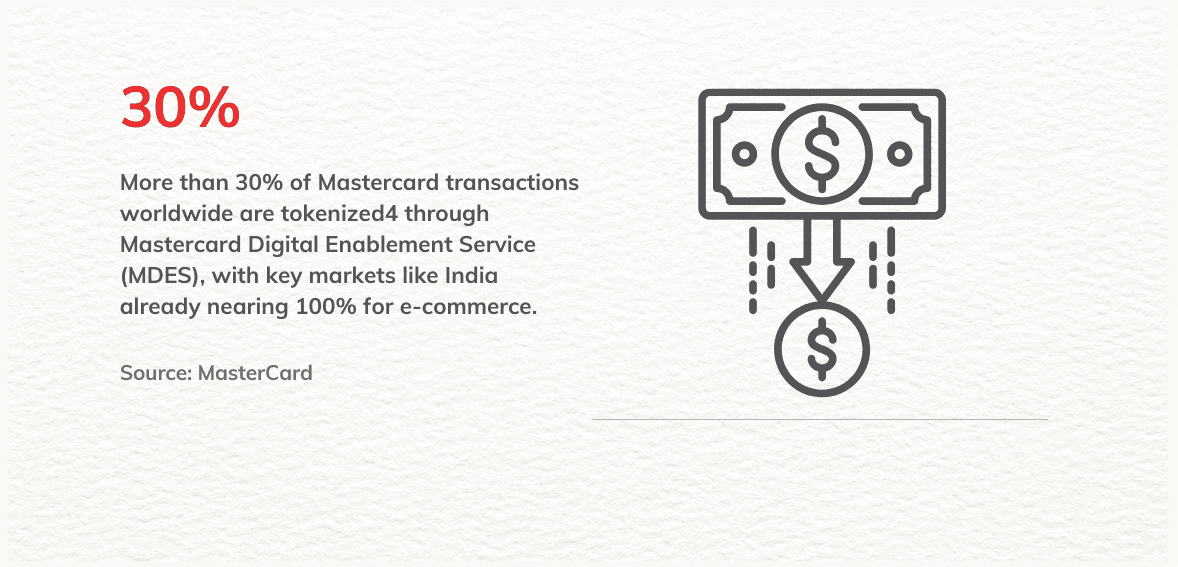
With this move, Mastercard is trying to protect sensitive data through tokenization and advanced encryption through Mastercard Digital Enablement Service (MDES). This enablement service is already tokenizing 30% of the transactions worldwide, with some countries like India nearing 100%.

Customer satisfaction will also be enhanced, given around two-thirds of the shoppers feel frustrated with manual card entry during checkout.

Key Takeaways
  • Eliminating Manual Card Entry by 2030: Mastercard will phase out manual card entry and passwords. It will transition to biometric authentication and tokenization for better security and efficiency, particularly for online transactions.
  • Widespread Adoption of Tokenization: Over 30% of Mastercard transactions today are tokenized globally. In some countries, like India, the numbers are closing for full adoption.
  • Enhanced User Experience and Reduced Cart Abandonment: 25% of sales result in abandoned carts due to frustrating checkout process – biometric authentication will simplify the checkout. Customers will no longer be required to enter their cards manually and use complex passwords.
  • Focus on Fraud Prevention and Cybersecurity: Numberless cards and biometric verification will significantly reduce online fraud.

Mastercard Targets Enhanced Online Security and Simplified Transactions by Phasing Out Passwords and Manual Card Entry

mastercard statitics

Source: MasterCard

Mastercard has announced plans to eliminate manual card entry and passwords for online transactions by 2030. This will enhance security and streamline the payment process. The payment industry has undergone significant transformations, from physical card swipes to contactless payments. Mastercard’s latest initiative seeks to further this evolution by removing the need for manual card details and passwords during online purchases.

Jorn Lambert, Chief Product Officer at Mastercard, stated that the company is progressing from traditional swiping and manually entering information to a new system where payments can be completed with fewer clicks and enhanced security. This development includes using advanced encryption and tokenization technologies to safeguard sensitive data.

Introduced a decade ago, tokenization replaces sensitive card information with unique digital identifiers or tokens. This method ensures that actual card details are not transmitted during transactions, reducing the risk of fraud. Currently, as mentioned, over 30% of Mastercard transactions globally utilize tokenization, with markets like India nearing full adoption for e-commerce.

Simultaneously, the company is expanding its global payment passkey service, which allows millions of users to authenticate transactions securely through biometrics, such as fingerprints or facial recognition, to verify online transactions. This will result in a secure, user-friendly alternative to traditional passwords and one-time codes.

Lambert added that this approach is transforming the use of physical cards. Cards without visible numbers will become standard, significantly decreasing the risk of fraud if lost or stolen.

credit card machine

Online fraud rates are significantly higher than in-store fraud, often due to exposed card numbers. By implementing tokenization and biometric authentication, Mastercard aims to reduce these fraud rates and enhance consumer confidence in online shopping.

The move towards eliminating manual card entry and passwords will simplify the online shopping experience. With biometric authentication, consumers can complete purchases swiftly without remembering complex passwords or entering lengthy card details.

The initiative also paves the way for numberless physical cards that display no card numbers, expiration dates, or security codes. This design minimizes the risk of fraud if a card is lost or stolen, as the sensitive information is stored securely elsewhere. The theft of physical cards also becomes less effective as they require biometric authentication.

Additionally, according to research by Mastercard, nearly two-thirds of shoppers find it difficult to manually enter their card details, which results in 25% of shopping carts being abandoned due to the complexity or slowness of the checkout process.

Mastercard’s technology is enhancing the efficiency of online checkouts for businesses. Currently, tokenization is reducing cart abandonment and increasing transaction approvals by 3 to 6 percentage points across various regions, contributing to an additional $2 billion in monthly global sales for merchants. Plus, it significantly lowers the risk of fraud. These improvements benefit a broad range of participants in the ecosystem, including banks, consumers, and businesses.

Lambert emphasized that as payments become more integrated into various commerce experiences, Mastercard fosters a global economy that benefits everyone. This includes providing consumers more control and convenience, boosting merchant sales, and reducing fraud for card issuers.

Mastercard collaborates with banks, fintech companies, and merchants to deploy these technologies. Services like Click to Pay and the Mastercard Payment Passkey are being introduced to facilitate this transition, aiming for a consistent and secure online checkout experience across various platforms.

Click to Pay is quickly growing, with issuers such as ING Spain, Commonwealth Bank of Australia, Santander Mexico, and NatWest incorporating it into their card offerings. Additionally, acquirers, payment service providers, and channel partners like Prestashop, Adyen, Yuno and Worldline are adopting this technology. Consumers use Click to Pay for daily transactions at global retailers such as Eat Takeaway.com, Arcos Dorados, Pizza Hut, and Nando’s.

credit card

Whereas Mastercard Payment Passkey was initially launched for millions of consumers in Singapore, the United Arab Emirates, and India, the technology is now expanding worldwide. Prominent banks, payment aggregators, and online merchants are implementing this technology.

Mastercard is intensifying its focus on cybersecurity beyond online transactions. In September, the company purchased the Boston-based cybersecurity firm Recorded Future for $2.65 billion. This acquisition enhances the use of artificial intelligence-driven tools that notify banks of potential compromises to credit and debit cards.

These developments are in response to increasing concerns from consumers and businesses alike. A survey by Experian showed that 84% of consumers are worried about identity theft, while 71% of businesses are concerned about cybercriminals employing AI to commit fraud. Mastercard’s efforts are designed to address these fears by offering advanced solutions emphasizing security and ease of use.

Mastercard is dedicated to safeguarding consumers and transforming the online shopping experience as the payments industry changes. By 2030, manual card entry might become obsolete, giving way to more secure and efficient payment technologies.

About Mastercard

Mastercard

Mastercard Incorporated is a technology company in the U.S. and globally, specializing in transaction processing and payment-related products and services. The company offers a range of integrated products and value-added services to a diverse clientele, including account holders, merchants, financial institutions, businesses, and governments. These services include credit programs allowing consumers to defer payments, various access to fund solutions through debit, credit, and prepaid accounts, and specialized commercial payment products. Mastercard also delivers platforms for optimizing payment processes and managing corporate expenditures, such as dynamically generated Virtual Card Numbers and treasury intelligence platforms that provide strategic financial recommendations.

Further, Mastercard provides several innovative solutions designed to facilitate secure and efficient money transfers across different mediums. This includes Mastercard Send, which integrates with digital platforms to allow in-app transfers, and Mastercard Cross-Border Services, which supports a variety of global payment flows through an extensive distribution network. Additionally, the company offers cyber and intelligence solutions, consulting, loyalty programs, and e-commerce payment gateway solutions under the MasterCard, Maestro, and Cirrus brands. Founded in 1966, the company is headquartered in Purchase, New York.

Conclusion

Mastercard’s initiative to phase out manual card entry and passwords by 2030 marks a significant evolution in the payments industry. By leveraging tokenization, biometric authentication, and advanced cybersecurity measures, the company aims to enhance transaction security while simplifying the checkout process for consumers.

These innovations not only address growing concerns about online fraud but also improve user experience by reducing cart abandonment and streamlining purchases. As Mastercard continues to collaborate with financial institutions, merchants, and technology providers, its efforts are shaping a safer, more efficient future for digital commerce.

Cash EBT Payments Now Available on Amazon in 17 States and One Federal District

Cash EBT Payments Now Available on Amazon in 17 States and One Federal District

Americans who use federal assistance for their essential daily expenses will now find it much easier to shop on Amazon. According to the latest release from the eCommerce giant, they have started accepting Cash EBT payments from consumers in 17 states and Washington, D.C. Buyers dependent on Temporary Assistance for Needy Families (TANF) cash assistance can now use EBT cards to pay via Amazon Access.

This inclusion allows Amazon users to purchase beyond just essential food items using their federal benefits; now, they can pick a broad range of products and services, including non-food items, shipping fees, and offerings from third-party sellers.

Key Takeaways
  • Expansion of Cash EBT Payments on Amazon: Amazon now accepts Cash EBT payments from TANF (Temporary Assistance for Needy Families) recipients in 17 states and Washington, D.C., allowing eligible users to purchase a broad range of items beyond food, including non-food items and shipping fees.
  • Enhanced Flexibility for Beneficiaries: Unlike SNAP benefits, which are restricted to food purchases, TANF Cash EBT funds can be used for various essentials, such as housing, childcare, and online shopping, offering greater convenience and utility for low-income households.
  • Amazon Access Initiative: The program is part of Amazon Access and aims to reduce costs and increase accessibility for low-income shoppers through discounts, programs like Prime Access, and support for both SNAP and Cash EBT payments.
  • Eligible and Ineligible Purchases: Cash EBT funds can be used for items such as electronics, toys, and beauty products but not for restricted items like alcohol, tobacco, or firearms. Alternative payment methods are required for ineligible purchases.

Amazon Expands Payment Options with Cash EBT for TANF Recipients

Amazon Expands Payment Options with Cash EBT for TANF Recipients

Shoppers receiving Temporary Assistance for Needy Families (TANF) to buy daily essentials will be happy to know that Amazon has started accepting Cash EBT (Electronic Benefit Transfer) in selected states. Now eligible Amazon shoppers in 17 states and the District of Columbia will be able to use their benefits to buy a wide range of products that go beyond just essential food items.

EBT is an electronic system the government uses to distribute assistance programs to beneficiaries efficiently. People enrolled in the program receive monthly payments through their allotted EBT cards, which work similarly to a debit card during the purchase. While assistance programs like SNAP or Supplemental Nutrition Assistance Program are limited to buying essential food items, Cash EBT, provided through TANF, offers more flexibility and purchasing choices. Buyers can use Cash EBT for various essential needs, including housing, utilities, childcare, and online shopping.

Amazon took this step to tap a customer base depending on assistance and to also compete with popular brands already offering Cash EBT to their customers, like Walmart, Family Dollar, and DoorDash (with selected partners like ALDI, Albertsons, Safeway, Meijer, and 7-Eleven).

This initiative is part of Amazon Access, a platform designed to help customers access various programs, discounts, and features aimed at simplifying and reducing the cost of shopping on Amazon – covering items across various categories such as toys, electronics, beauty, and personal care, as well as home and kitchen products. Eligible customers can also use Cash EBT to pay for shipping costs, non-food items, and products offered by third-party sellers.

To utilize this benefit, add eligible items to your cart and choose “Cash EBT” as your payment option at checkout. The amount will be deducted from your account, and your items will be dispatched to you shortly.

snap statistics

Director of Amazon Access, Nancy Dalton, stated that Amazon Access was developed to help customers easily locate discounts and programs designed to simplify and lower the costs of shopping on Amazon, including options like SNAP EBT payments, Prime Access membership, and Access Discounts. She noted that accepting Cash EBT on Amazon is an additional advancement in improving access and convenience for low-income customers.

As of now, Amazon accepts Cash EBT payments in the following regions:

  • Alaska
  • Arizona
  • Colorado
  • Florida
  • Hawaii
  • Idaho
  • Illinois
  • Kentucky
  • Missouri
  • Nevada
  • New Mexico
  • New York
  • North Carolina
  • Oregon
  • Tennessee
  • Washington
  • Washington, D.C.
  • West Virginia

This expansion enables many TANF recipients to utilize their benefits for online purchases, enhancing convenience and access to a broader range of products.

Amazon was among the first to accept online federal benefit payments.

The U.S. The Department of Agriculture’s (USDA) SNAP Online Purchasing Pilot, which began in April 2019 and was initially planned to last two years, included Amazon as one of its early retail partners for online SNAP purchasing. Following its early adoption of online SNAP purchasing, Amazon has broadened its service to cover all U.S. households, providing them with at least one online purchasing option.

Eligible Purchases with Cash EBT on Amazon

Comparing EBT Programs Worldwide: Lessons from Global Food Assistance

Cash EBT funds can be used to purchase a wide array of items on Amazon, including:

  • Electronics
  • Toys
  • Beauty and personal care products
  • Home and kitchen items

Additionally, these benefits can cover shipping fees and purchases from third-party sellers on the platform. However, certain items remain ineligible for purchase with Cash EBT, such as:

  • Alcohol
  • Tobacco products
  • Firearms
  • Digital items and subscriptions
  • Prime memberships

It’s important to note that while SNAP EBT benefits are accepted nationwide on Amazon for purchasing eligible food items, Cash EBT payments are currently limited to the specified states and the District of Columbia.

If your cart contains items that are not eligible for purchase with your current payment method, you can still buy them by adding an alternative payment method at checkout to handle the cost of these items.

How to Use Cash EBT on Amazon

online shopping with EBT

To utilize Cash EBT benefits on Amazon, follow these steps:

  • Account Setup: Ensure you have an Amazon account. If not, create one by visiting Amazon’s website.
  • Add EBT Card: Navigate to the “Your Account” section, select “Payment Options,” and add your EBT card as a payment method. This process involves entering your card details and may require verification.
  • Shop for Eligible Items: Browse and add items to your cart. While Cash EBT covers a broad range of products, ensure the items comply with program guidelines.
  • Checkout: At checkout, select your EBT card as the payment method. If your purchase includes ineligible items, you must provide an additional payment method to cover those costs.
  • Confirm Purchase: Review your order and confirm the purchase. Your Cash EBT benefits will be applied to eligible items and associated costs.

About Amazon

Amazon Grocery Services

Amazon.com, Inc. is a multinational company that sells consumer products, provides advertising services, and offers subscriptions through both online and physical stores across North America and other international markets. The company is structured into three main segments: North America, Amazon Web Services (AWS), and International. Amazon also manufactures devices such as Fire tablets, Kindle e-readers, Echo smart speakers, Fire TVs, and security devices under the Blink, Ring, and Eero brands. Additionally, the company creates media content and provides a platform for sellers to distribute their products and for various creators like musicians, authors, and filmmakers to publish and monetize their work.

Amazon also delivers a wide range of cloud services, including storage, computing, analytics, machine learning, and database management, and advertising options like sponsored ads and video advertising complement these. The company also offers the Amazon Prime membership program. Its product line includes both its own merchandise and those provided by third-party sellers. Amazon serves diverse customers, including businesses, consumers, content creators, and developers. Founded in 1994, Amazon is based in Seattle, Washington.

Conclusion

The introduction of Cash EBT payments on Amazon marks a significant milestone in making online shopping accessible to low-income families receiving TANF benefits. By broadening the scope of what federal assistance funds can cover, Amazon has enabled eligible customers to purchase non-food items, pay for shipping, and access products from third-party sellers across 17 states and Washington, D.C. This initiative aligns with the company’s mission to support diverse customer needs through programs like Amazon Access.

While certain restrictions apply, the flexibility offered by Cash EBT payments provides a practical solution for families seeking convenience and a wider selection of essential items. As Amazon continues to innovate and expand its support for government assistance programs, it reinforces its role as a key player in bridging accessibility gaps for underserved communities. This step forward demonstrates how public-private collaboration can enhance the reach and utility of federal assistance programs.

affirm becomes WooCommerce bnpl partner

Affirm Becomes the Preferred BNPL Partner for WooCommerce

WooCommerce, an open-source commerce solution built on WordPress, reported last Friday that they had chosen Affirm as the default BNPL (buy now, pay later) payment provider. Now, merchants using WooPayments at the checkout, an integrated payment service by WooCommerce, can instantly offer Affirm “pay-overtime” plans to their customers. This move will make Affirm the leading BNPL payment option in the US and Canada.

Additionally, WooPayment merchants could offer Affirm’s monthly, bi-weekly, and newer payment options like “Pay in 30.” This will potentially enhance the reach of Affirm, with strongholds on small and medium businesses, all while helping the merchants to offer their customers Affirm payments on different ranges of transactions. This will not only boost customer satisfaction but will also result in increased sales.

Key Takeaways
  • Affirm Becomes Default BNPL Provider for WooCommerce: To expand their current payment infrastructure and offer better payment flexibility, WooCommerce has decided to make Affirm the default payment provider. This decision will ensure customers pay the bill in parts without any late fee charges, providing better transparency for shoppers.
  • Positive Impact on Small and Midsize Businesses: With this partnership, merchants can capture a more extensive customer base (like GenZs) adopting BNPL services, increasing average order value.
  • Rising Adoption of Affirm by WooCommerce Merchants: This strategic partnership occurred due to merchants’ growing adoption of Affirm as a payment option. For instance, in 2023, there was a 45% increase in WooCommerce merchants adopting Affirm.
  • Businesses Are Welcoming the Decision: Established merchants on WooCommerce are happy with this new partnership as they see better growth after offering Affirm pay-overtime. For example, Benjamin De Castro, chief marketing officer at Gardyn, mentions that Affirm provides what the customer values – transparency, flexibility, and choice at the checkout. With Affirm, Benjamin said they can offer customers a “best-in-class” checkout experience. 
  • Affirm’s Strategic Growth and Partnerships: Affirm’s collaborations, including integration with Adyen for Platforms and a capital partnership with Sixth Street, aim to expand its market reach. The company targets $34 billion in gross merchandise value (GMV) by fiscal 2025.

WooCommerce Makes Affirm the Default BNPL Provider to Enhance Payment Flexibility and Merchant Growth

WooCommerce Makes Affirm the Default BNPL Provider

WooCommerce, a leading open-source e-commerce platform built on WordPress, has made Affirm its default BNPL provider for WooPayments merchants. WooPayments merchants will now have greater payment flexibility and ensure enhanced checkout transparency. It will also mean shoppers can make a wide range of transactions in smaller monthly installments.

With Affirm, merchants have a distinct edge in the competitive market. Affirm does not charge any late fees in case of missed payments, unlike other BNPL providers like Afterpay, which charges as much as 25% of the total transaction value.

The collaboration between WooCommerce and Affirm is not new but has evolved significantly. The recent upgrade to make Affirm the default BNPL option on WooCommerce platforms is a strategic move to enhance e-commerce operations by integrating more seamless and flexible payment solutions.

This decision is expected to impact positively small to midsize businesses by expanding their customer base and increasing average order values, as merchants have reported a noticeable increase in transaction sizes when customers use Affirm compared to other payment methods.

Affirm’s commitment to transparency and no hidden fees aligns with consumer preference for straightforward, honest financial products. This approach helps build customer trust and empowers them to make informed purchasing decisions without fearing unexpected charges.

Web Griebel, the Head of Payments at Woo, announced the expansion of their collaboration with Affirm, noting it comes at a pivotal time when consumer interest in clear and flexible payment options is at a peak. This year alone, there has been a 45% rise in merchants adopting Affirm’s services on WooCommerce. Merchants using Affirm also report higher average order values than those not using the service. Griebel enthusiastically advocated advancing this partnership to support merchant growth through Affirm’s solutions.

By becoming the default payment method on WooPayments, Affirm now reaches thousands of WooCommerce merchants, broadening its presence across various online businesses. The introduction of Affirm’s “Pay in 30” option, alongside its existing payment plans, allows it to appeal to a broader range of consumers, including those with smaller purchases.

As Affirm is increasingly adopted by WooCommerce merchants, the transaction volume on its platform is expected to increase, which should boost its revenue. This growth also strengthens Affirm’s position as a reliable BNPL service. Additionally, Affirm has expanded its partnership with Adyen, becoming the first BNPL service integrated with Adyen for Platforms, and has formed a significant capital partnership with the global investment firm Sixth Street.

Wayne Pommen, Chief Revenue Officer at Affirm, expressed enthusiasm about deepening their relationship with WooCommerce by becoming a default payment choice for thousands of its merchants. He highlighted this development as a significant opportunity for Affirm to increase its presence, particularly among small and mid-sized businesses, and offer transparent financial products to a broader customer base.
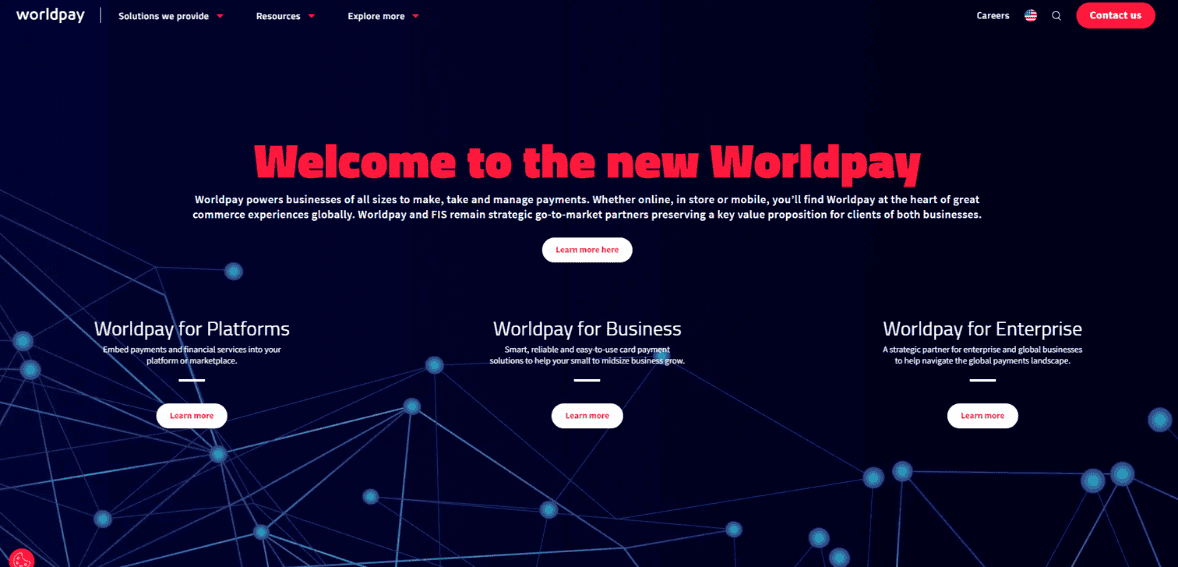
With over 320,000 partners worldwide, these strategic alliances are likely to help Affirm meet its ambitious goal of surpassing $34 billion in GMV by fiscal 2025. The company also projects an increase in its revenue relative to GMV by at least 20 basis points from fiscal 2024.

About Affirm

About Affirm

Affirm Holdings, Inc. operates a payment network in the United States, Canada, and other countries. The company offers a platform that includes a point-of-sale payment system for consumers, solutions for merchant commerce, and a dedicated app for consumer use. Its commerce system, in partnership with originating banks and capital markets partners, allows consumers to purchase installment payments.

Affirm has a diverse range of active merchants, from small businesses to large corporations, including direct-to-consumer brands, traditional retail stores, and companies with an omnichannel strategy. These merchants span various industries such as home and lifestyle, sporting goods, electronics, travel, automotive equipment, fashion, and general retail. Founded in 2012, Affirm Holdings, Inc. is based in San Francisco, California.

About WooCommerce

About WooCommerce

WooCommerce is a recognized company that develops an open-source eCommerce plugin for WordPress. Founded in 2008 and based in San Francisco, CA, the company operated as WooThemes and shifted its focus entirely to eCommerce solutions in 2017. The adaptable platform allows small to medium-sized businesses to create customized online stores tailored to their specific requirements. WooCommerce supports the sale of physical and digital goods, including subscriptions and appointments, through a modular system that can handle a variety of commercial activities.

WooCommerce has a notable role in the eCommerce industry and is praised for its extensive customization options and robust support network. It offers sophisticated selling tools and committed assistance, aiding established merchants in expanding their operations. The platform enables users to begin at no initial cost, with a scalable architecture that can expand alongside the business. This strategy has established WooCommerce as a reliable option among eCommerce platforms, constantly adapting to satisfy the varied demands of its users across multiple sectors.

Conclusion

The integration of Affirm as the default BNPL provider for WooCommerce marks a pivotal advancement in the e-commerce payment landscape. This collaboration aligns with growing consumer demand for transparent and flexible financial solutions while supporting merchants in boosting sales and attracting a broader customer base.

By offering payment options like “Pay in 30” and eliminating late fees, Affirm enhances the checkout experience and fosters trust among users. With its strategic partnerships and commitment to innovation, Affirm is well-positioned to expand its market reach and achieve its ambitious growth targets. Similarly, WooCommerce continues strengthening its reputation as a leading platform for adaptable and customer-focused e-commerce solutions, benefiting merchants and consumers.