A US-based banking and payments solution company, i2c, has partnered strategically with Mastercard to become one of the first issuing processing partners for the newly introduced Mastercard One Credential.
This partnership is a big step that will enable issuers to offer their customers a streamlined choice among payment options such as credit, debit, prepaid, and BNPL (buy now, pay later), all under a single credential. This deal involved collaboration with multiple customers and partners, including Episode Six, Bendigo and Adelaide Bank group, i2c, Galileo Financial Technologies, Marqeta, Lithic, and Wio Bank.
This announcement arrives just one week after Mastercard launched One Credential, which integrates various payment methods into a single digital connection.
Key Takeaways
i2c’s partnership with Mastercard allows it to become one of the first issuing processing partners for One Credential, which integrates various payment methods like credit, debit, prepaid, and BNPL into a single digital connection. Offering users a single credential for multiple payment options will simplify and enhance the payment process.
The introduction of One Credential by Mastercard, supported by i2c, aims to provide a more streamlined and personalized payment experience. It enables consumers to manage multiple payment methods through a single platform, catering to the demand for greater flexibility and control in financial transactions.
The development and implementation of One Credential involved collaboration with various partners and customers, including well-known fintech companies and financial institutions like Episode Six, Bendigo and Adelaide Bank group, Galileo Financial Technologies, Marqeta, Lithic, and Wio Bank. This collaborative approach ensures a robust integration into existing financial ecosystems and a smooth rollout of the new technology.
Launched just a week after Mastercard unveiled One Credential, this partnership is timely and aligns well with the evolving needs of consumers, particularly younger, digitally-savvy generations who prefer managing financial transactions digitally and all in one place. This move by i2c and Mastercard caters to these preferences, promising to enhance user engagement and satisfaction.
Mastercard Launches One Credential to Simplify and Personalize Digital Payments
Mastercard has introduced an innovative solution known as One Credential, aiming to streamline and personalize consumers’ payment experience. This digital-first approach allows users to consolidate multiple payment methods—such as debit, credit, prepaid, and installments—into a single, unified platform. By doing so, Mastercard addresses the growing demand for flexibility and control in financial transactions, particularly among younger, digitally native consumers.
One Credential empowers users to customize their payment preferences based on transaction type and amount. For instance, a user can set daily expenses under $100 to be debited directly from their checking account, charges over $100 to be applied to a credit account, and select larger purchases to be paid via installment plans. These preferences can be configured through an online portal or mobile application, providing a comprehensive overview of spending habits and enhancing financial management.
Mastercard has collaborated with several financial institutions and fintech companies to bring this solution to market. Notable partners include Episode Six, Bendigo and Adelaide Bank group, i2c, Galileo Financial Technologies, Marqeta, Lithic, and Wio Bank. These collaborations are pivotal in integrating One Credential into existing financial ecosystems and ensuring a seamless user experience.
i2c Inc., a leading payments and banking technology provider, plays a significant role in facilitating the adoption of Mastercard’s One Credential among its clients. By leveraging i2c’s advanced payment processing infrastructure, financial institutions can efficiently implement One Credential, offering their customers enhanced payment flexibility and control. This partnership underscores i2c’s commitment to delivering innovative payment solutions that cater to consumers’ evolving needs.
Amir Wain, CEO and Founder of i2c Inc., noted that modern consumers demand instant control over their payment methods and readily adopt new solutions when offered more flexibility. He views the Mastercard One Credential as a pivotal development in the shift toward consumer-centric payment options. Wain emphasized that issuers who proactively adapt to these changes will set the pace in the industry. He argued that the key benefit for issuers is to upgrade their payment systems now, ahead of these innovations becoming widespread standards. By delivering a tailored and frictionless payment experience, issuers strengthen customer loyalty, increase transaction volumes, and maintain a competitive edge in a market that highly values choice and convenience.
The launch of One Credential is especially relevant today as it corresponds with the preferences of Generation Z consumers. Known for their digital fluency, Generation Z shows a strong preference for digital payment solutions. Mastercard’s recent studies reveal that nearly half of this generation favors new and innovative payment methods, with 65% wanting to manage all their financial transactions from a single online platform. Although cautious with their finances, Generation Z members are more inclined to spend rather than save, paying close attention to their purchases’ value and personal relevance. Personalization in payment options is notably significant to them, being 1.31 times more crucial than other generations globally.
Additionally, One Credential tackles the obstacles Generation Z encounters in establishing credit. Despite their strong inclination towards digital wallets and aspirations to build credit, they maintain the lowest average credit score among all generations in the US. This is primarily due to their thinner credit histories and hesitancy towards traditional borrowing methods.
Only half of Generation Z consumers use credit, marking the lowest utilization rate among all age groups. Using credit responsibly is essential for developing a positive credit history and achieving key life goals like renting an apartment, purchasing a vehicle, or securing a mortgage. Almost 70% of GenZs are actively working to improve their credit scores, yet over half are unsure how to begin this process. There is a clear need for innovative digital tools that guide Generation Z toward creditworthiness and financial well-being while providing them with options and autonomy in their financial decisions.
Bunita Sawhney, Chief Consumer Product Officer at Mastercard, expressed enthusiasm about the ongoing collaboration with i2c, highlighting their long-standing partnership on introducing payment innovations. She is excited about continuing this collaboration as i2c becomes one of the initial issuer processing partners for the Mastercard One Credential. Sawhney emphasized that Mastercard and i2c are committed to their joint mission of offering greater payment flexibility to both consumers and issuers.
On February 19, Mastercard announced the launch of its new service, One Credential, which is now operational in the United Arab Emirates (UAE) in collaboration with the digital banking platform Wio Bank and various key clients and partners dedicated to introducing this digital credential to users.
One Credential allows users to select their preferred payment method—whether debit, credit, installments, or prepaid—by setting their preferences online or through a mobile application, depending on the type and timing of transactions.
Mastercard is also preparing to offer small businesses a broader range of payment options through One Credential.
One Credential provides a tool for issuing banks that enhances customer understanding and transparency regarding their financial activities and helps them plan their financial future effectively. This tool is designed to adapt and grow with customers throughout different stages of their lives.
With One Credential, i2c enables financial institutions to offer a more personalized and flexible payment experience, catering to the diverse needs of modern consumers. This partnership benefits individual users and positions financial institutions to stay competitive in a rapidly changing market.
i2c Inc., founded in 2001 and headquartered in Silicon Valley, is a global fintech leader known for delivering highly flexible and secure banking and payment solutions. The company’s proprietary “building block” technology provides financial institutions and fintech startups. It brands the agility to create, launch, and manage customized credit, debit, prepaid, and lending products seamlessly through a single unified platform.
With a significant international presence, i2c serves millions of users worldwide, offering comprehensive card issuing and processing capabilities and Banking as a Service (BaaS) solutions. Under the leadership of founder and CEO Amir Wain, i2c continues to excel in scalability, adaptability, and innovation, empowering clients to adjust rapidly to evolving market demands and confidently expand their financial offerings.
Conclusion
The partnership between i2c and Mastercard marks a significant step in advancing digital payments by introducing One Credential. By integrating multiple payment methods into a single digital credential, this collaboration provides consumers with greater flexibility, control, and convenience. Financial institutions partnering with i2c can leverage its advanced processing capabilities to adopt this new solution efficiently, meeting the evolving expectations of digitally driven customers.
As One Credential gains traction, it is expected to reshape how consumers manage payments, particularly among younger generations seeking personalized and seamless financial experiences. With i2c playing a key role in its implementation, financial institutions have an opportunity to enhance customer engagement, increase transaction volumes, and stay competitive in a rapidly evolving payments market.
Payments company Shift4 acquires Global Blue, a tax refund company for tourists headquartered in Nyon, Switzerland, in a deal valued at approximately $2.5 billion. After this deal, Pennsylvania-based Shift4 gains access to Global Blue’s tax refund and currency conversion technology, which enables luxury and premium retailers worldwide to offer tax-free shopping experiences.
The deal also strengthened Shift4’s unified commerce platform. It significantly expanded its presence by adding over 400,000 retail and hospitality locations already utilizing Global Blue’s solutions for cross-border luxury transactions.
Not only this, Global Blue’s merchant relationships, including high-end brands like Prada and LVMH, present a cross-selling opportunity exceeding $500 billion in payments volume, while also providing a strategic geographic footprint to support Shift4’s ongoing expansion in entertainment, restaurant, sports and hotel sectors internationally.
Key Takeaways
Shift4 Payments has acquired Global Blue for approximately $2.5 billion, significantly enhancing its presence in the global luxury retail payments sector and marking its strategic entry into international markets.
The acquisition adds Global Blue’s extensive network of over 400,000 retail and hospitality locations, allowing Shift4 to diversify geographically, particularly into Europe, Asia, and South America.
Shift4 will leverage Global Blue’s specialized capabilities in tax-free shopping and currency conversion, creating more comprehensive payment solutions tailored for premium retailers and international customers.
Major Global Blue shareholders, including Ant International and Tencent, plan to maintain their investment, potentially enabling new integrations with payment platforms like Alipay+ and Weixin Pay, thus connecting Shift4 to an extensive global user base of over 1.6 billion accounts.
Shift4 Acquires Global Blue in $2.5 Billion Deal, Expanding into Luxury Retail Payments.
Shift4 Payments has announced its intention to acquire Global Blue, a leading specialty payments and technology provider serving luxury brands. This significant move, valued at approximately $2.5 billion, marks Shift4’s ambitious expansion into global luxury retail.
Shift4, a prominent player in integrated payments and commerce technology, has entered into a definitive agreement to purchase Global Blue for $7.50 per common share in cash. This price represents a 15% premium over Global Blue’s closing share price as of February 14, 2025. The transaction’s enterprise value is around $2.5 billion, encompassing equity and debt considerations. Once the transaction is finalized, Global Blue’s common and preferred shares will be delisted from all public stock exchanges. Holders of Global Blue warrants can exercise these warrants before their expiration in August 2025.
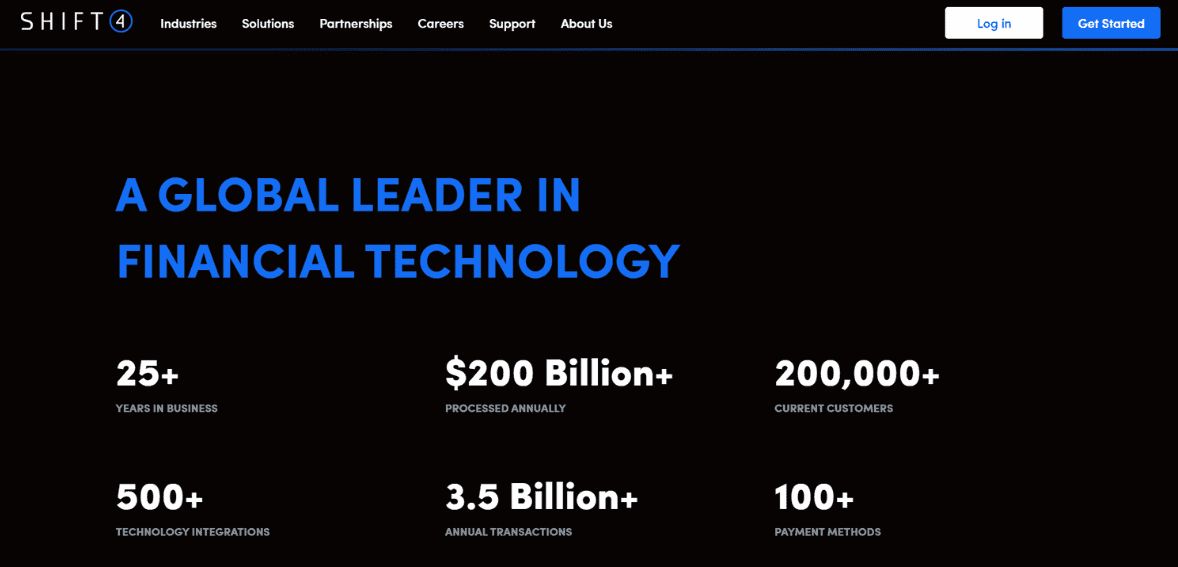
Founded in 1999, Shift4 has established itself as a leader in integrated payment processing solutions, catering to over 200,000 businesses across various sectors, including hospitality, retail, and restaurants. The company’s platform offers a comprehensive suite of services, from mobile payment solutions to point-of-sale systems.
With a history spanning more than four decades, Global Blue specializes in tax-free shopping, dynamic currency conversion, and payment solutions tailored for luxury retailers. The company operates in over 52 countries and serves over 400,000 premium retail and hospitality locations, connecting international shoppers with renowned brands.
This acquisition is poised to boost Shift4’s position in the global payments landscape significantly:
Enhanced Global Presence: By integrating Global Blue’s extensive network, Shift4 will expand its reach into key international markets, particularly in Europe, Asia, and South America. This aligns with Shift4’s strategy to diversify beyond its primarily US-based operations.
Diversified Service Offerings: Incorporating Global Blue’s expertise in tax-refund and currency conversion services will enable Shift4 to offer more comprehensive solutions to luxury retailers, enhancing the shopping experience for international customers.
Strategic Partnerships: Notably, major shareholders of Global Blue, such as Ant International and Tencent, plan to remain invested in the combined entity. This opens avenues for collaborations, including the potential integration of payment services like Alipay+ and Weixin Pay into Shift4’s ecosystem, thereby connecting global merchants with over 1.6 billion user accounts.
Taylor Lauber, President of Shift4, described the acquisition as continuing its bold approach to delivering transformative solutions for its customers, creating substantial cross-selling potential. He emphasized that this acquisition aligns perfectly with Shift4’s strategic goals, offering a significant opportunity to drive higher transaction volumes, unlock additional revenue streams, and expand their capabilities into new markets. By incorporating Global Blue into its unified payments platform, Shift4 is a global leader in unified commerce payment solutions.
Shift4 will integrate Global Blue’s merchant solutions into its global payments platform, significantly improving merchants’ overall experience. Introducing Global Blue’s tax refund and currency conversion services strengthens Shift4’s reputation as a trusted and forward-thinking partner. Global Blue operates the largest and most robust two-sided network in its market, linking millions of high-value international shoppers directly with merchants. Global Blue actively engages international consumers through its proprietary app, generating strong network effects that enable further innovation in digital marketing, loyalty programs, and additional value-added services.
Shift4 intends to finance the acquisition through cash reserves and a $1.795 billion bridge loan facility. The transaction has received unanimous approval from the boards of both companies and is anticipated to close by the third quarter of 2025, pending regulatory approvals and customary closing conditions.
Global Blue CEO Jacques Stern stated that the partnership with Shift4 is a pivotal moment in Global Blue’s development, enhancing its comprehensive value offering to top-tier merchants globally. He expressed great enthusiasm about collaborating with Shift4 to maintain its history of innovation and improve experiences for everyone involved in the shopping ecosystem. Stern also expressed his deep appreciation to all Global Blue team members, acknowledging that their efforts have been crucial to the company’s success.
The boards of directors of Shift4 and Global Blue have unanimously approved the acquisition, which is anticipated to be finalized by the third quarter of 2025. This closure is contingent upon securing necessary regulatory approvals, satisfying other standard closing conditions, and achieving a minimum acceptance of at least 90% of Global Blue’s total issued and outstanding common and preferred shares. Additionally, certain shareholders of Global Blue have committed to tendering their shares by signing tender and support agreements. Under these agreements, the participating shareholders, who collectively own approximately 90% of the total issued and outstanding common and preferred shares of Global Blue, have agreed to tender their shares according to the stipulated terms and conditions.
Douglas Feagin, President of Ant International, highlighted that their strategic investment in Shift4 aligns closely with their mission to advance global commerce and empower SMEs through innovative payment, digitization, and financial solutions. Feagin praised Shift4’s rapid growth into a worldwide omnichannel payments leader and expressed enthusiasm for solidifying the partnership early in Shift4’s international expansion. He thanked Jared Isaacman, Taylor Lauber, and Thomas Farley for their strategic vision and noted his excitement about future collaborations to support businesses in a digitally connected ecosystem.
Tencent’s Chief Strategy Officer and Senior Executive Vice President James Mitchell emphasized his continued support for Global Blue under Shift4’s ownership. Mitchell commended Jared Isaacman and Taylor Lauber for positioning Shift4 as a leading integrated payments and commerce technology provider. He confirmed Tencent’s strategic investment in Shift4 and expressed enthusiasm for future global partnership opportunities.
Tom Farley, Chairman of Global Blue, spoke for the current board of directors—which includes representatives from Silver Lake, Partners Group, Certares, and Knighthead—and unanimously endorsed the transaction. They are confident that this deal will provide substantial, prompt, and guaranteed value to Global Blue’s shareholders. Plus, they are convinced that this agreement will serve the best interests of their employees, customers, and stakeholders, promoting sustained growth and innovation under the guidance of the new ownership.
Goldman Sachs & Co. LLC serves as Shift4’s sole financial advisor, while Loyens & Loeff NV and Latham & Watkins LLP provide legal guidance.
JPMorgan Securities LLC is Global Blue’s principal financial advisor. IFBC, Deutsche Bank Securities, PJT Partners, Oppenheimer & Co. Inc., and UBS provide additional financial advisory support. Niederer Kraft Frey Ltd and Simpson Thacher & Bartlett LLP provide legal counsel.
The announcement has elicited mixed reactions from the market. While some analysts view the acquisition as a strategic move to capture a larger share of the luxury payments market, others express caution regarding the integration challenges and the substantial financial outlay involved. Shift4’s stock experienced a slight decline following the news.
Looking ahead, the successful integration of Global Blue’s services into Shift4’s platform could position the company as a formidable player in the luxury payments sector. The combined entity’s ability to offer seamless, integrated payment solutions tailored to luxury retailers and international shoppers may set new standards in the industry.
The acquisition coincides with Jared Isaacman’s upcoming departure from Shift4, the company he founded at age 16, as he has reportedly been nominated by President Donald Trump to head NASA. Pending Senate confirmation, Taylor Lauber will succeed Isaacman as CEO.
This deal is part of Shift4’s series of strategic acquisitions over the past year. In August, the company acquired GiveX, expanding its product portfolio with gift card and loyalty solutions while broadening its customer base.
Additionally, in June, Shift4 purchased a majority interest in Vectron Systems, a European provider of point-of-sale technology for restaurants and hospitality businesses, and completed its previously announced acquisition of Revel Systems.
About Shift4
Shift4 Payments, Inc. provides comprehensive software and payment processing solutions to simplify commerce and optimize global payment acceptance. Its robust payments platform supports multiple payment methods, including credit, debit, contactless transactions, QR codes, mobile wallets, and alternative options like Google Pay, Apple Pay, WeChat Pay, and Alipay. Shift4’s innovative technology suite includes SkyTab POS and Mobile solutions for seamless ordering and payments, Lighthouse for business intelligence and customer engagement, Shift4Shop for streamlined e-commerce, and The Giving Block for cryptocurrency donations.
Founded in 1999 and headquartered in Center Valley, Pennsylvania, Shift4 supports businesses with essential merchant services from onboarding and risk management to training and ongoing customer support. The company collaborates closely with software partners, independent vendors, enterprises, and resellers, ensuring clients have reliable, compliant, and integrated payment experiences across all sales channels.
About Global Blue
Global Blue, headquartered in Nyon, Switzerland, is a leading provider of tax-free shopping solutions. It helps international travelers seamlessly reclaim VAT/GST refunds. With over 40 years of industry experience, the company connects retailers, hotels, and financial institutions to nearly 80 million global consumers in 52 countries.
Beyond its core tax-free services, Global Blue offers a comprehensive portfolio, including dynamic currency conversion, marketing solutions, advanced point-of-sale technologies, retail staff training, and insightful customer analytics. This diverse range of products and services positions Global Blue as a trusted partner, enhancing the shopping experience for travelers and driving growth for businesses across retail, payments, and post-purchase segments.
Conclusion
The acquisition of Global Blue marks a significant step in Shift4’s expansion into the luxury retail payments sector, strengthening its global presence and service offerings. By integrating tax-free shopping and currency conversion solutions, Shift4 gains access to an extensive network of high-end merchants and international shoppers, opening new revenue opportunities.
While integration challenges and financial commitments remain, the deal aligns with Shift4’s strategy to diversify its portfolio and extend its reach beyond the US market. If successfully executed, this acquisition could solidify Shift4’s position as a leading payments provider in the luxury and cross-border commerce space.
The NCR Voyix-Worldpay partnership has just been announced. NCR Voyix is one of the top global e-commerce solutions providers for restaurants and retailers, and Worldpay is one of the prominent providers of payment technologies.
NCR Voyix will integrate Worldpay’s advanced acquiring services into its cloud-based software platform, delivering a unified payment solution tailored to retailers and restaurants through this collaboration. This integrated offering simplifies payment acceptance and enhances operational efficiency for NCR Voyix’s customers.
Key Takeaways
NCR Voyix has partnered with Worldpay to offer retailers and restaurants a comprehensive cloud-based software solution integrated with Worldpay’s robust payment processing services.
The collaboration will streamline operations by providing businesses with one point of contact for point-of-sale and payment processing, significantly reducing complexity and vendor management challenges.
Utilizing Worldpay’s advanced acquiring services, NCR Voyix aims to deliver secure payment processing, protect customer data, and adhere to global security standards.
With its combined global reach—supporting transactions in 135 currencies across 146 countries—the partnership empowers businesses to scale flexibly, capture international markets effectively, and enhance their operational agility.
NCR Voyix-Worldpay Partnership to Streamline Payment Solutions for Retailers and Restaurants
NCR Voyix, a prominent global provider of e-commerce solutions, has recently entered into a strategic agreement with Worldpay, a leader in payments technology, to enhance payment solutions for retailers and restaurants. This collaboration aims to integrate Worldpay’s acquiring services within NCR Voyix’s platform, offering a comprehensive cloud-based software and payments solution.
The agreement between NCR Voyix and Worldpay is set to revolutionize the payment processing landscape for businesses in the retail and restaurant sectors. By combining NCR Voyix’s robust digital commerce platform with Worldpay’s extensive payment processing capabilities, the partnership seeks to deliver an integrated solution that simplifies payment acceptance and enhances operational efficiency.
Unified Payment Processing: The integration provides businesses with a streamlined payment experience by consolidating point-of-sale and payment processing into a single, simplified solution. This unification simplifies operations and reduces the complexity associated with managing multiple vendors.
Enhanced Security: Leveraging Worldpay’s industry-leading acquiring services, the integrated solution is designed to provide secure payment processing, safeguard sensitive customer information, and ensure compliance with industry standards.
Scalability and Flexibility: The solution’s cloud-based nature allows businesses to scale their operations as needed, adapting to market demands without significant infrastructure investments.
Global Reach: With Worldpay’s presence in over 146 countries and the ability to process transactions in 135 currencies, businesses can easily expand their reach and cater to a global customer base.
Darren Wilson, President of Retail and Payments at NCR Voyix, noted that the partnership with Worldpay combines Worldpay’s extensive global acquiring expertise with NCR Voyix’s innovative platform, significantly enhancing their payment offerings. By incorporating Worldpay’s advanced payment processing capabilities, NCR Voyix will be able to deliver more complete and integrated solutions to retail and restaurant customers. This collaboration positions NCR Voyix as the unified provider for all point-of-sale and payment processing requirements, deepening customer relationships.
Similarly, Matt Downs, Group President of Worldpay for Platforms, highlighted NCR Voyix as a reliable technology partner trusted by major retailers and restaurants worldwide. He emphasized that by combining Worldpay’s extensive global presence and specialized solutions for vertical software providers with NCR Voyix’s platform, the collaboration will deliver customers outstanding omnichannel payment processing capabilities. This partnership aims to leverage Worldpay’s robust e-commerce expertise, enhancing the overall payment experience for NCR Voyix’s client base.
This partnership introduces significant opportunities for NCR Voyix to generate revenue beyond traditional software licensing fees. Payment processing fees typically amount to around 2-3% of transaction volumes, potentially offering substantial recurring income if adopted broadly among NCR Voyix’s customers. In comparison, payment processing contributes roughly 30-40% of total revenue for similar integrated point-of-sale providers, such as Toast and Square.
Strategically, the agreement comes at an ideal time, as NCR Voyix seeks to solidify its standalone market identity following its separation from NCR. This integration directly addresses competitive pressures from companies like Toast, Square, and Shift4, which have successfully bundled payment processing with software solutions.
From a business perspective, integrating payments strengthens customer retention by creating higher switching costs and generating stable, recurring cash flow, despite payment processing’s relatively lower profit margins (15-20%) than software licensing margins (70-80%). Additionally, serving as a single provider simplifies merchant vendor management and grants NCR Voyix increased access to valuable customer transaction data.
This partnership signifies a move towards more streamlined and efficient payment processes for retailers and restaurants. The integrated solution is poised to reduce operational complexities, allowing businesses to focus more on customer engagement and service delivery. Additionally, enhanced security measures and global transaction capabilities can increase customer trust and become a comprehensive digital commerce platform with diversified revenue streams rather than solely a POS software vendor. This strategic direction typically results in higher valuation multiples in the market.
About NCR Voyix
NCR Voyix Corporation, formerly NCR Corporation, is a global leader in e-commerce solutions, catering to the retail, restaurant, and digital banking industries. Founded in 1884 and headquartered in Atlanta, Georgia, NCR Voyix has evolved over 140 years from pioneering mechanical cash registers to offering comprehensive enterprise technology solutions. Their portfolio encompasses digital-first software and services, including POS systems, automated teller machines (ATMs), self-checkout (SCO) terminals, and payment processing platforms. Serving clients in approximately 35 countries, NCR Voyix supports businesses of all sizes, from small and medium-sized enterprises to large multinational corporations.
The name “NCR Voyix” reflects the company’s rich heritage and forward-looking vision. “NCR’ signifies their longstanding expertise in enterprise technology. At the same time, “Voyix,” derived from “voyage,” symbolizes their commitment to guiding customers through the evolving landscape of digital commerce. The inclusion of the letter “x” represents the connection between digital and physical realms, highlighting NCR Voyix’s role in bridging traditional and modern commerce experiences. With approximately 15,500 employees, the company emphasizes customer-centricity, innovation, and integrity. By leveraging advanced technologies like artificial intelligence and data analytics, NCR Voyix aims to empower businesses to enhance operational efficiency and deliver exceptional customer experiences in today’s competitive market.
About Worldpay
Worldpay is a leading global fintech company specializing in innovative payment processing solutions that empower businesses of every size. With robust online, in-store, and mobile capabilities, Worldpay facilitates seamless, secure, and efficient payment acceptance in 146 countries and 135 currencies, enabling businesses to thrive in an increasingly connected, omni-channel marketplace.
Headquartered in Cincinnati, Ohio, and maintaining a strong international presence with key offices in London, UK, Worldpay is strategically positioned to serve a diverse, global customer base. Backed by GTCR, a prominent private equity firm, Worldpay continues to advance its technology-driven solutions, emphasizing security, reliability, and customer-centric innovation to help its clients.
Conclusion
The partnership between NCR Voyix and Worldpay represents a significant step in streamlining payment processing for retailers and restaurants. By integrating Worldpay’s acquiring services into its cloud-based platform, NCR Voyix aims to simplify transactions, enhance security, and improve business operational efficiency. This collaboration also strengthens NCR Voyix’s market position by expanding its revenue streams and increasing customer retention through a unified payment and software solution.
As digital commerce evolves, businesses require seamless and scalable payment solutions. With Worldpay’s global reach and NCR Voyix’s expertise in enterprise technology, this partnership provides merchants with a more efficient, secure, and flexible way to manage payments. Moving forward, the combined strengths of both companies are expected to drive innovation in the industry while delivering tangible benefits to customers.
After the announcement of the Klarna-JP Morgan partnership, Klarna just got a significant pre-IPO bump. Later this year, J.P. Morgan Payments will integrate Klarna as a payment option on its platform, which almost one million users can use. The agreement will introduce Klarna’s payment options, such as interest-free Buy Now, Pay Later (BNPL) and flexible financing alternatives.
Klarna will also become a J.P. Morgan Payments Partner Network with this deal.
Key Takeaways
This integration of J.P. Morgan Payments with Klarna’s BNPL arm will offer 900,000 users a flexible payment plan, including interest-free options. Adding to its payment choice to J.P. Morgan’s business clients will significantly improve customer satisfaction and sales outcomes.
With J.P. Morgan Payments Partner Network partnership, Klarna gains a strategic advantage and broader exposure in the financial services market. This partnership can boost Klarna’s credibility and visibility, especially as it approaches a potential initial public offering (IPO).
The availability of BNPL options has increased conversion rates and average order values for retailers. Merchants using J.P. Morgan’s services can expect enhanced customer purchase experiences by offering more flexible payment terms, leading to higher sales volumes.
The collaboration between a traditional financial giant and a fintech innovator like Klarna indicates a significant shift towards adopting new financial technologies within mainstream banking. This partnership addresses changing consumer preferences for payment flexibility and sets a precedent for future collaborations in the financial industry, promoting innovation and competitive differentiation.
Klarna-JP Morgan Partnership to Bring BNPL to Business Clients
In a strategic move, just before the IPO, Klarna, a leading global buy-now-pay-later (BNPL) provider, has partnered with J.P. Morgan Chase & Co. to offer BNPL options to the bank’s business clients. This collaboration aims to integrate Klarna’s flexible payment solutions into J.P. Morgan’s extensive payments infrastructure, providing merchants with innovative financing options to enhance customer experience and drive sales. Almost 900,000 businesses using J.P. Morgan Payments will now have the opportunity to offer Klarna’s financing solutions to their customers.
Buy-now-pay-later (BNPL) services have revolutionized consumer financing by allowing shoppers to split purchases into manageable installments, often interest-free. This model has gained traction globally, appealing to consumers seeking flexibility and merchants aiming to boost conversion rates and average order values. According to a report, retailers offering BNPL options, such as Affirm, have seen conversion rates grow by 20% on average, increasing average order values by 87%.
Established in 2005, Klarna has emerged as a dominant player in the BNPL sector, operating in 26 countries and partnering with over 575,000 merchants. The company’s services process approximately 2.5 million transactions daily, reflecting its widespread adoption and consumer trust. Klarna’s recent financial reports indicate a revenue of about $1.2 billion in the first half of 2024, highlighting its robust growth trajectory.
J.P. Morgan Chase, a titan in the banking industry, processes over $2 trillion in payment transactions annually through its payments division. By integrating Klarna’s BNPL solutions, J.P. Morgan aims to enhance its service offerings to business clients, enabling them to provide flexible payment options to their customers. This partnership signifies J.P. Morgan’s commitment to embracing innovative financial technologies to meet evolving consumer demands.
For businesses utilizing J.P. Morgan’s payment processing services, the integration of Klarna’s BNPL options presents several advantages:
Enhanced Customer Experience: Offering BNPL options can attract a broader customer base, including those who prefer or require flexible payment plans.
Increased Sales and Conversion Rates: BNPL services have been associated with higher conversion rates and increased average order values, as customers are more likely to complete purchases when afforded payment flexibility.
Immediate Payment to Merchants: Despite customers paying in installments, merchants receive full payment upfront from the BNPL provider, improving cash flow and reducing financial risk.
Klarna is set to join the J.P. Morgan Payments Partner Network. This collaboration leverages J.P. Morgan Payments’ comprehensive array of payment solutions and third-party affiliations, assisting clients in developing, executing, enhancing, and refining their payment strategies to align with specific business requirements.
David Sykes, Klarna’s Chief Commercial Officer, mentioned that partnering with J.P. Morgan Payments accelerates Klarna’s goal to expand the availability of its payment solutions to a broader array of businesses, propelling its vision to make Klarna’s services ubiquitous for all types of purchases.
Sebastian Siemiatkowski, CEO of Klarna, observed that in recent years, Klarna has evolved into a third-party network akin to American Express and PayPal, emphasizing its natural progression as a bank amidst growing competition in retail banking services.
He also pointed out that Klarna is pursuing an American banking license as part of its US expansion strategy to enhance its control over customer experiences and enrich its service offerings.
Previously, J.P. Morgan’s credit card division had barred using services like Klarna and Affirm to make payments. The bank explained this by noting that it typically does not allow payments for one credit product with another.
In an interview, Max Neukirchen, Co-Head of Global Payments at J.P. Morgan, stated that Klarna is the initial partner. Still, they recognize that clients often seek multiple options and aim to accommodate those needs.
Last month, Klarna also broadened its global partnership with Stripe, the payment platform. This extension enables businesses using Stripe in 25 countries to adopt Klarna’s payment methods quickly.
The BNPL market has rapidly expanded, with numerous providers entering the space. Companies like Affirm, Afterpay, and PayPal have established themselves as significant players, each offering unique features to cater to diverse consumer needs. For instance, Affirm provides short-term and long-term financing options, accommodating various purchase amounts and repayment preferences.
On the other hand, Klarna’s anticipated US IPO in 2025 will be a significant development. Following its IPO registration with the US Securities and Exchange Commission in November, the company plans to announce its listing details as early as April 2025. As of now, Klarna has not finalized a listing location within the US.
Additionally, Klarna has been focusing on cost reduction and downsizing its balance sheet in preparation for the IPO. The company believes that leveraging artificial intelligence (AI) will enable it to reduce its workforce by nearly half. Klarna is also actively managing its assets, having recently divested most of its UK loan portfolio to the US hedge fund Elliott to liberate capital for further lending expansion.
About J.P. Morgan
J.P. Morgan Chase & Co. is a global financial services company with operations across consumer banking, commercial and investment banking, and asset management. Through branches, ATMs, and digital platforms, it provides deposit accounts, investment and lending products, mortgages, credit cards, auto loans, and payment services to individuals and small businesses. The company also offers investment banking services such as corporate advisory, capital-raising, loan syndication, risk management, and securities services, including custody and trading.
In addition to serving individuals and businesses, J.P. Morgan supports small and mid-sized companies, local governments, nonprofits, and commercial real estate clients with lending, payments, and asset management. It provides institutional and retail investors with multi-asset investment management, retirement services, and estate planning. Founded in 1799, J.P. Morgan Chase is headquartered in New York City.
About Klarna
Founded 2005 in Stockholm, Sweden, Klarna was created by Niklas Adalberth, Sebastian Siemiatkowski, and Victor Jacobsson. What started as a small startup quickly expanded into a global fintech leader. The company initially gained traction by offering a secure payment solution that let customers receive products before making a payment, reducing risk for retailers and building consumer trust. This model fueled Klarna’s growth across Europe and into the US by 2015.
By 2025, Klarna will operate in over 45 countries, serving over 150 million users. It provides various payment options, including direct payments, pay-after-delivery, and installment plans, alongside a shopping app and merchant services for over 500,000 partners. While its valuation has declined since its 2021 peak, Klarna remains a major player in fintech, particularly among younger consumers. The company faces regulatory challenges and competition but focuses on innovation, including AI-driven personalization and sustainability initiatives.
Conclusion
The partnership between J.P. Morgan and Klarna integrates traditional banking with fintech innovation, providing nearly one million businesses access to Klarna’s BNPL services through J.P. Morgan Payments. This enhances customer experiences and sales by meeting the growing demand for alternative payment options.
As Klarna approaches its anticipated U.S. IPO, this strategic partnership enhances its market position and credibility. J.P. Morgan’s adoption of BNPL services reflects a shift in banking toward flexible financing options. The success of this integration could set a precedent for future collaborations between banks and fintech firms.
Block has introduced Afterpay, its buy now, pay later (BNPL) service, to the Cash App Card. With this partnership, Block aims to attract Gen Z users who prefer alternatives to traditional credit cards. This move is a part of the company’s strategic plan to connect its three business units under a “neighborhood network.”
With BNPL integrations, Cash App Card users can split (eligible purchases over $25 made within the past seven days) into two or four interest-free payments every two weeks. Users can manage their payments directly within the Cash App. This integration is the next phase of Afterpay’s development following Block’s $29 billion acquisition of the Australian BNPL company in January 2022.
Key Takeaways
Block Inc. has integrated Afterpay into the Cash App debit card. Now, users can split eligible purchases over $25 into two or four interest-free biweekly payments. This move enhances financial flexibility and aligns with consumer demand for alternative credit options.
The integration is focused on attracting younger consumers, particularly Gen Z, who prefer BNPL services over traditional credit cards. Research shows that over one-third of Gen Z actively use credit cards, making this move a strategic effort to capture a growing market segment.
Afterpay has already driven significant spending increases, with BNPL originations totaling nearly $150 million during testing. Merchants also benefit, as BNPL services have generated 460 million customer leads, potentially boosting sales and customer loyalty.
The rollout began in February 2025 across 20 states and the District of Columbia, with plans for further expansion based on consumer adoption and feedback. Block wants to refine the service and enhance user experience as part of its broader financial ecosystem strategy.
Block Expands Afterpay for Cash App Card, Targeting Gen Z and Digital Payment Growth
In a strategic move to enhance consumer payment options, Block Inc., formerly known as Square, has integrated its BNPL service, Afterpay, into the Cash App debit card. This integration aims to offer Cash App users greater flexibility in managing their finances, aligning with the evolving landscape of digital payments.
Founded in 2009 by Jack Dorsey and Jim McKelvey, Block Inc. has established itself as a prominent player in the financial technology sector. The company’s portfolio includes Square, a point-of-sale system for merchants, and Cash App, a consumer-focused digital wallet introduced in 2013. Cash App enables users to send, receive, and store money, access a debit card, invest in stocks and bitcoin, and file taxes. As of 2024, Cash App reported 57 million users and $283 billion in annual inflows.
In January 2022, Block completed the acquisition of Afterpay, an Australian BNPL provider, for $29 billion. This move was part of Block’s strategy to expand its consumer financial services and cater to the growing demand for alternative credit options. Afterpay allows consumers to split purchases into interest-free installments, offering a flexible alternative to traditional credit cards.
Integrating Afterpay into the Cash App debit card significantly advances Block’s mission to provide versatile financial solutions. This feature enables Cash App cardholders to split eligible purchases over $25 into two or four interest-free biweekly payments. Users can manage these installment plans directly within the Cash App interface, simplifying the process of tracking and controlling costs. By the close of 2024, Cash App Borrow, which offers small, short-term loans to qualifying users within the Cash App, had amassed 5 million monthly active users.
During a recent call with equity analysts, Amrita Ahuja, Block’s Chief Operating Officer and Chief Financial Officer, highlighted the significant potential of the Cash App card, which boasts 25 million active users as of December, as a powerful platform for launching new products. Ahuja noted that during the pilot phase of integrating Afterpay into the Cash App card, Block recorded nearly $150 million in originations. After approximately a year of methodical testing, the rollout of this feature began this week.
She emphasized that the integration of Afterpay provides Cash App users with an additional tool for managing their finances and promotes increased spending through the Cash App card.
The rollout of Afterpay on Cash App cards began in February 2025. Initially, the service became available to eligible cardholders in 20 states and the District of Columbia, including Ohio, Florida, Indiana, Arizona, and Texas. Block has indicated plans to expand this feature to additional regions as they “test and learn” from the initial implementation.
The integration is mainly aimed at younger consumers, notably Generation Z, who have shown an aversion to traditional credit cards. Research indicates that only 35% of Gen Z consumers actively use credit cards, with many expressing a preference for alternative payment methods like BNPL services.
Additionally, Amrita Ahuja noted that the Cash App Card has achieved considerable scale, particularly with Millennials and Generation Z. According to Block’s estimates, 21% of all 18-to-21-year-olds in the United States used the Cash App Card in 2024. By offering Afterpay through Cash App, Block aims to meet the spending habits of this demographic, potentially expanding both usage and engagement.
The addition of Afterpay is expected to drive increased spending through the Cash App card. Afterpay logged nearly $150 million in BNPL originations during a year of pilot testing. Consumers who have used Afterpay for more than five years transact more than 31 times per year on average, compared to four times a year for cardholders who don’t use Afterpay. This suggests the integration could lead to higher transaction frequency among Cash App users.
The integration offers merchants access to a broader customer base that prefers flexible payment options. As of the third quarter of 2024, Afterpay had driven 460 million customer leads to merchants. By accommodating BNPL options, businesses can attract consumers who might be hesitant to make larger purchases upfront, potentially increasing sales and customer loyalty.
The integration is designed to be seamless for users. Upon making a qualifying purchase with their Cash App card, users can opt to split the payment into installments through Afterpay. The entire process, from selection to payment management, is handled within the Cash App, providing a cohesive user experience. This ease of use is expected to encourage adoption among existing Cash App users and attract new ones seeking flexible payment solutions.
While BNPL services offer flexibility, they also require responsible usage to avoid potential pitfalls such as accumulating debt. Block emphasizes transparent terms and encourages users to utilize these services within their financial means. The integration includes features that allow users to monitor their installment plans and receive reminders about upcoming payments, promoting financial responsibility.
The company is optimistic about Cash App Borrow’s growth prospects. Over the past year, 43% of its active users reported using the service to assist in bill payments, and 33% utilized it to stabilize their cash flow between paychecks. Ahuja highlighted that customers value the financial management capabilities provided by Cash App Borrow, observing that active users generate 13% more inflows and participate in 6% more transactions than non-users.
Introduced in 2013 as Square Cash, Cash App has developed into a business generating $5 billion in gross profit, according to Block chairman and co-founder Jack Dorsey in a letter to shareholders. Block’s ambition is to position Cash App as the leading banking service provider in the U.S. for households earning up to $150,000 annually.
On the technological front, Block has initiated a project dubbed “goose.” This project involves an open-source, on-machine artificial intelligence agent that operates on any large-language model, whether in the cloud or locally, and can be tailored to user specifications. During the call, Dorsey referred to the project as a “foundational” step towards establishing Block as a leader in AI.
About Block
Block, Inc., initially named Square, Inc., is a leading technology firm in the U.S. offering financial services to individual consumers and business merchants. The company is best known for its “Square” point-of-sale system, which helps businesses accept card payments and handle various operational tasks such as inventory, payroll, and bookings.
Additionally, Block runs the widely-used Cash App, a digital wallet app that allows users to transfer money, receive funds, and invest, including in Bitcoin. Established by Jack Dorsey in 2009, Block has become a prominent player in the U.S. point-of-sale system market.
About Afterpay
Afterpay, an Australian fintech company founded in 2014 by Nick Molnar and Anthony Eisen, specializes in a “buy now, pay later” (BNPL) service. This service lets consumers purchase and pay for them in four interest-free installments. Afterpay primarily earns revenue by charging merchants a fee to offer this payment option to their customers. The platform caters mainly to younger shoppers who prefer flexible payment solutions, either online or in-store.
One notable aspect of Afterpay’s service is that it does not require credit checks for most customers and does not impose interest charges, provided payments are made on time. The system is designed for easy integration with the checkout processes of online retailers. Afterpay has expanded its operations beyond Australia to include New Zealand, the United States, Canada, the United Kingdom, and Europe. In 2021, Afterpay was acquired by Block, Inc., formerly known as Square, enhancing its global reach and financial capabilities.
Conclusion
Block Inc.’s strategic decision to integrate Afterpay into its Cash App debit card is a pivotal development in digital payments, mainly aimed at catering to the preferences of Gen Z consumers. This integration not only enhances the Cash App’s versatility, making it a more robust tool for managing personal finances, but it also aligns with the evolving trends in consumer credit, where flexibility and immediacy are highly valued.
Users’ ability to split purchases into manageable, interest-free installments directly through their Cash App offers a seamless blend of convenience and control, potentially increasing user engagement and satisfaction. As Block continues to expand its suite of services and refine this integration based on user feedback and market dynamics, it stands to influence how young consumers engage with digital finance significantly.
This move by Block underscores its commitment to innovating user-friendly financial solutions and strategically positions it to capture a significant share of the burgeoning market for alternative credit solutions.
PayPal, a leader in digital payments, has partnered with Verifone, a major provider of in-store payment solutions, to improve the checkout process for both physical and online transactions.
This PayPal-Verifonepartnership will give merchants a reliable system to manage sales across different channels while also improving security and efficiency for shoppers. With the increasing overlap between digital and in-person commerce, this move could help both companies meet the evolving needs of consumers and retailers.
Key Takeaways
The PayPal-Verifone partnership aims to bridge the gap between online and offline transactions, providing merchants with a unified and efficient payment experience. This collaboration simplifies payment processing, improves authorization rates, and enhances security for businesses across various industries.
Initially launching in the U.S., the partnership plans to expand into the U.K. and Germany, with potential for further global reach. By leveraging Verifone’s 35 million payment terminals worldwide and PayPal’s extensive digital payment infrastructure, the alliance is set to transform payment processing on a global scale.
By integrating PayPal’s enterprise payment processing with Verifone’s in-store solutions, businesses can reduce operational complexities, lower transaction costs, and minimize fraud risks. The improved checkout experience is expected to increase customer satisfaction and conversion rates.
This partnership highlights the growing trend of strategic alliances in financial technology, focusing on integrated solutions to meet evolving consumer expectations. The collaboration positions PayPal and Verifone as industry leaders, setting the stage for future innovations in omnichannel payments.
PayPal-Verifone Partnership to Integrate Online and In-Store Payments
PayPal has entered the in-person payment space through a collaboration with Verifone.
As part of the partnership, Verifone’s technology for in-person payments will be combined with PayPal’s enterprise payment processing and its e-commerce platform, previously known as Braintree. This collaboration aims to offer merchants a unified, scalable, and adaptable payment solution across multiple channels, bridging the gap between online and offline transactions.
The payment industry has transformed rapidly over the past decade due to technological advancements and changing consumer behaviors. The rise of e-commerce introduced many digital payment methods, while brick-and-mortar stores continued to rely on traditional point-of-sale (POS) systems. This dichotomy often led to fragmented payment processes for online and offline businesses.
Industry leaders have been exploring partnerships and innovations to merge these channels, recognizing the need for unified payment solutions. The PayPal-Verifone alliance is a testament to this trend, aiming to offer merchants a cohesive payment infrastructure that caters to diverse consumer preferences.
Announced in late February 2025, PayPal’s partnership with Verifone combines Verifone’s extensive in-person payment technology with PayPal’s robust enterprise payment processing and e-commerce platform, formerly known as Braintree. This integration will provide merchants with a scalable and flexible omnichannel payment solution.
The collaboration targets a wide array of sectors, including large retail chains, grocery stores, quick-service restaurants, ticketing services, entertainment venues, consumer electronics, and apparel merchants.
The enhanced partnership combines Verifone’s extensive hardware presence — with approximately 35 million terminals worldwide — and PayPal’s newly named PayPal Enterprise Payments, formerly known as Braintree processing infrastructure. Keller highlighted the importance of this PayPal-Verifone partnership, noting its role in furthering PayPal’s strategy for enterprise orchestration. The aim is to develop an omnichannel platform tailored for major retailers, restaurant chains, and global merchants, providing them with a unified platform that handles data, security, and processing across both online and physical retail environments.
Alex Chriss, PayPal’s President and CEO, emphasized the importance of the PayPal-Verifone partnership, noting that it represents a pivotal change in PayPal’s strategy toward omnichannel enterprise opportunities. By teaming up with Verifone, PayPal is paving the way for the widespread adoption of in-person payments, enabling rapid scaling and extending PayPal’s comprehensive capabilities to merchants worldwide.
This collaboration underscores PayPal’s renewed effort to attract enterprise clients as competition intensifies in the retail payment sector. Together, the companies plan to assist merchants in lowering operational expenses and enhancing authorization rates. This combined solution will be integrated into PayPal Open, the company’s new merchant platform, which is also being launched today.
Through this platform, merchants of all sizes can tap into the full range of PayPal’s ecosystem and incorporate a comprehensive array of commerce solutions. While PayPal is renowned for its online payment services, its expansion into omnichannel commerce might be unexpected. Yet, it reflects the increasing need for businesses to adapt to changing consumer demands.
One of the primary objectives of the PayPal-Verifone partnership is to simplify the payment experience for merchants. By integrating PayPal’s enterprise payment processing capabilities with Verifone’s in-store payment solutions, businesses can benefit from:
Unified Payment Platforms: Merchants will have access to a consolidated payment system that manages online and in-person transactions, reducing operational complexities and potential errors.
Improved Authorization Rates: The integrated solution aims to optimize authorization rates, ensuring higher transaction approval rates and reduced payment declined.
Cost Reduction: Merchants can potentially lower transaction fees and associated costs by streamlining payment processes and leveraging combined technologies.
Fraud Minimization: The PayPal-Verifone partnership combines advanced security features from both companies, offering enhanced protection against fraudulent activities.
Increased Conversion Rates: A seamless payment experience can increase customer satisfaction, boosting conversion rates and overall sales.
Himanshu Patel, CEO of Verifone, stressed the significance of their integrated strategy, explaining that by merging Verifone’s secure, robust in-person payment solutions with PayPal’s top-notch e-commerce and processing capabilities, they can provide a distinctive solution. This approach is designed to address the intricate payment requirements of enterprise merchants worldwide, delivering an unlimited commerce experience from two of the most trusted names in the payment industry.
The PayPal-Verifone partnership will launch initially in the United States and expand into the United Kingdom and Germany later in the year. This phased rollout allows both companies to fine-tune their integrated solutions in diverse markets, addressing region-specific payment preferences and regulatory requirements.
The collaboration aims to establish a strong foothold in key markets by targeting major retailers and service providers across various sectors, setting the stage for further global expansion.
The PayPal-Verifone partnership signifies a broader shift in the payment industry towards integrated, omnichannel solutions. As consumer expectations evolve, businesses must offer seamless payment experiences that transcend traditional boundaries between online and offline channels.
This collaboration also underscores the importance of strategic alliances in addressing the complexities of modern payment ecosystems. By leveraging each other’s strengths, PayPal and Verifone are poised to deliver innovative solutions that cater to the dynamic needs of merchants and consumers alike.
Meanwhile, the BNPL (Buy Now, Pay Later) company Klarna has also extended its services to in-person transactions, finding success despite concerns about consumer protection. Earlier this year, Francesco Simoneschi, Co-Founder and CEO of TrueLayer, spoke to Payment Expert about the intense competition in the industry, predicting a fierce battle that will introduce much-needed innovation and competitive pricing for both consumers and merchants.
As Mastercard and Visa have dominated the payment sector for years, PayPal’s move into this space might be seen as a strategic effort to disrupt the longstanding duopoly and carve out a market share.
About Paypal
PayPal is a global leader in digital payments, offering a secure platform for online money transfers and a wide range of financial services. Founded in 1998 and headquartered in San Jose, California, the company has transformed how consumers and businesses transact by bridging the gap between traditional banking and modern commerce. With its innovative payment solutions, PayPal enables users to send, receive, and manage funds seamlessly across online, mobile, and in-person channels, serving millions of individuals and merchants worldwide.
Beyond its core payment services, PayPal is dedicated to driving innovation and expanding financial inclusion on a global scale. The company continuously enhances its offerings by integrating advanced technologies, forging strategic partnerships, and adapting to evolving market trends. Emphasizing security, transparency, and user convenience, PayPal’s diverse suite of products – including merchant services, peer-to-peer transactions, and credit solutions – positions it at the forefront of the digital payment revolution, empowering consumers and businesses to thrive in an increasingly interconnected world.
About Verifone
Verifone is a global leader in secure payment technology, providing innovative hardware and software solutions that empower merchants, financial institutions, and retailers to deliver seamless and reliable transaction experiences. Founded in 1981, the company has built a formidable reputation for developing state-of-the-art point-of-sale systems, mobile payment devices, and integrated software platforms that support a broad spectrum of payment channels—from traditional in-store purchases to advanced digital and contactless transactions.
Beyond its comprehensive product portfolio, Verifone is committed to driving industry innovation through strategic partnerships and continuous investment in emerging technologies. By leveraging its extensive global footprint and deep expertise in secure electronic payments, the company not only enhances operational efficiency for its clients but also plays a pivotal role in shaping the future of commerce. This dedication to security, scalability, and cutting-edge technology enables businesses worldwide to meet the evolving demands of a dynamic digital marketplace.
Conclusion
The PayPal-Verifone partnership marks a pivotal step in the evolution of the payment industry, demonstrating the growing need for seamless, omnichannel solutions. By combining PayPal’s digital payment expertise with Verifone’s in-person transaction capabilities, this collaboration is set to provide merchants with a more efficient, secure, and scalable payment infrastructure.
As consumer expectations shift towards integrated and frictionless payment experiences, this alliance positions both companies at the forefront of innovation. With global expansion plans on the horizon, the success of this initiative could serve as a model for future partnerships in the financial technology space, ultimately redefining how businesses and consumers interact in an increasingly digital world.
Since OpenAI launched ChatGPT—and later introduced other new tools like Claude, Gemini, Grok, and DeepSeek—our relationship with handling information and solving problems has changed drastically. While these revolutionary AI tools promise efficiency and on-the-go access to knowledge, they also bring an unforeseen consequence: a gradual decline in our critical thinking abilities.
A recent study by Microsoft and Carnegie Mellon University raises fundamental questions about AI’s ‘aftereffects’ on our independent thinking. The study, conducted by over 300 professionals who used generative AI in their day-to-day work, found that depending highly on these tools may lead to less independent critical thinking. As AI tools continue to become an integral part of our lives (both personally and professionally) as we speak, the study gives us a reality check. It challenges us to consider whether relying on these technologies might weaken our ability to solve problems and make sound decisions.
Key Takeaways
The study’s results show that knowledge workers’ confidence plays a key role in how they engage in critical thinking when using generative AI tools. In particular, higher confidence in the AI’s capabilities is linked to a reduced tendency to question or verify outputs, whereas higher self-confidence encourages deeper critical engagement.
With generative AI, the nature of the work shifts from direct content creation to focus on oversight. Users spend less effort on output generation and more time verifying, integrating, and editing AI-generated content, moving from material production to critical integration.
The necessity and manner of enacting critical thinking vary by task. For high-stakes or accuracy-demanding tasks, users set clear goals, refine prompts, and cross-check outputs against external references to ensure quality.
The study highlights that generative systems need features or should be designed to support critical thinking by tackling motivation, awareness, and ability barriers.
Microsoft Research Evaluates Generative AI’s Impact on Critical Thinking
The rapid integration of generative AI into professional settings has sparked a critical debate: Is our dependence on AI affecting our capacity for critical thinking? A recent study by Microsoft Research explores this question by examining how AI-generated content influences knowledge workers’ decision-making, problem-solving, analytical reasoning, and other cognitive processes.
The research surveyed 319 knowledge workers to understand two key aspects: how professionals perceive the role of critical thinking when utilizing GenAI and whether AI usage alters the effort and confidence associated with critical thinking. Participants provided 936 firsthand accounts of employing GenAI in their work, offering a comprehensive perspective on its real-world impact.
The study revealed nuanced insights into the interplay between GenAI usage and critical thinking. One of the key findings was related to confidence dynamics. It was observed that a user’s confidence in GenAI inversely correlates with the application of critical thinking. In other words, when professionals trust AI highly, they tend to scrutinize its outputs less. On the other hand, individuals who have strong self-confidence in their expertise are more likely to engage in rigorous critical analysis. This suggests that overreliance on AI could lead to reduced independent thinking, while a balanced approach could encourage a more thoughtful engagement with AI-generated content.
Automation bias is a well-documented phenomenon in which individuals place undue trust in automated systems. Our natural skepticism may wane when AI tools consistently provide prompt and seemingly accurate information. The study highlights that as this trust deepens, individuals may begin to forgo their internal checks and balances—critical mental habits that involve questioning, cross-referencing, and independently verifying data.
Another significant shift observed in the study was the change in how critical thinking is applied in AI-assisted environments. The essential nature of thinking is evolving, with three primary areas of focus emerging: information verification, response integration, and task stewardship. Users now need to verify the accuracy and relevance of AI-generated outputs, ensure that responses are effectively combined with human insights, and oversee the contributions of AI within their workflows. These changes indicate that while AI can enhance efficiency, professionals must adapt their cognitive processes to maintain high analytical engagement.
Critical thinking is inherently resource-intensive. We must allocate mental energy to evaluate, analyze, and synthesize information. AI systems, by design, reduce this cognitive burden by offering ready-made conclusions and summaries. Over time, this externalization of mental effort can lead to what psychologists call “cognitive offloading,” where the brain becomes conditioned to rely on external aids instead of honing its intrinsic analytical abilities.
On one hand, it filters and organizes data, allowing us to navigate the digital deluge. On the other hand, the curated nature of AI outputs can lead to a narrowing of perspective. By presenting information that conforms to our previous interests and biases, AI may inadvertently limit our exposure to diverse viewpoints, a critical component of robust critical thinking. The Microsoft study raises a red flag: when our cognitive ecosystem is circumscribed by algorithmically chosen content, the natural process of challenging assumptions and broadening perspectives is undermined.
Beyond the Microsoft study, broader research echoes concerns about AI’s impact on cognitive skills. Studies suggest that overreliance on AI-powered dialogue systems could impair students’ decision-making and analytical abilities in the education sector. This highlights the importance of integrating AI to support learning rather than replace fundamental cognitive processes.
Additionally, research on cognitive offloading indicates that frequent use of AI tools may lead individuals to delegate critical thinking tasks to AI, potentially weakening their analytical skills over time. These findings raise important questions about the long-term consequences of AI dependency in educational and professional settings.
Individuals and organizations must adopt strategic approaches to harness GenAI’s benefits without compromising critical thinking. One crucial step is cultivating AI literacy. Understanding AI’s capabilities and limitations enables users to engage with it more critically and effectively oversee and evaluate AI-generated outputs.
Additionally, promoting reflective practices can help professionals balance automation and active cognitive engagement. Encouraging users to reflect on their interactions with AI builds awareness of their thinking processes and helps prevent passive reliance on AI-generated content. Finally, designing thoughtful AI integration is essential. Developing AI tools that complement, rather than replace, human judgment can help preserve and enhance critical thinking skills, ensuring that AI remains a tool for augmentation rather than substitution.
Methodology and Analytical Depth
The study surveyed a diverse demographic across multiple regions, employing qualitative and quantitative measures to gauge critical thinking skills. Rather than relying solely on self-reported data, the research incorporated problem-solving tasks, scenario-based evaluations, and real-time analysis of decision-making patterns. This multifaceted approach enabled the researchers to draw correlations between high-frequency AI usage and diminished analytical rigor.
The study revealed that individuals relying heavily on AI for decision support and information retrieval often exhibited a superficial understanding of the underlying data. Instead of deep analytical processing, these users tended to accept AI-generated outputs at face value, which signals a potential shift from active cognitive engagement to passive information consumption.
Key Findings: Red Flags and Cognitive Shortcuts
Among the most concerning findings is that repeated exposure to AI-driven simplifications may encourage the formation of cognitive shortcuts. When an algorithm presents a quick answer or a distilled summary, the human brain is conditioned to bypass deeper inquiry. Over time, this conditioning can gradually atrophy the skills underpinning robust critical thinking.
For instance, the study noted that when participants were given complex problems – ranging from interpreting statistical data to evaluating nuanced arguments – the ones who had habitual exposure to AI-generated content were more likely to settle for simplistic interpretations. This trend suggests that AI, while augmenting efficiency, might also be recalibrating our threshold for cognitive effort, lowering the bar for what we consider a “good enough” answer.
Conclusion
The Microsoft study underscores a growing concern: while generative AI enhances efficiency and decision-making, it also risks diminishing independent critical thinking. As AI tools become more integrated into daily work, professionals must remain aware of how their reliance on these systems shapes their cognitive habits.
Rather than viewing AI as a replacement for analytical reasoning, individuals and organizations should focus on strategies encouraging critical engagement, such as AI literacy, reflective practices, and thoughtful oversight of AI-generated content. By actively evaluating and verifying AI outputs, professionals can harness its benefits without compromising their critical thinking ability.
The challenge ahead is clear – balancing AI’s advantages while ensuring that human judgment, skepticism, and problem-solving skills remain strong.
Last year, several significant events affected the job market. For example, hurricanes Beryl, Helene, and Milton’s devastating impacts across the Southeastern states caused $138 billion in overall damages and $56 million in insured losses. Following the event, insurance companies hired and recruited salespersons and actuaries to handle the high volume of customer claims. The fires in Los Angeles have only fueled this sudden surge.
As such, Disney, Amazon, AT&T, JPMorgan, Toyota, and Dell have also announced that they may shift back to full-time corporate office work this year. This could increase demand for receptionists and office clerks, among other in-demand jobs.
Similarly, the AI boom is also on us. While it is evident that AI may take over several job positions this year, experts conclude that the fear of AI replacing jobs is not yet justified. Jobs like customer service representatives, data entry clerks, telemarketers, and content moderators may be at risk; however, new job positions like prompt engineer, AI trainer, and AI ethics officer will likely emerge to meet the demand.
21 Most In-Demand Jobs (with high pay) this year.
1. General and Operations Manager
Industry: Business/Management
Median Salary: ~$101,280 per year
Expected Growth: ~6%
Companies increasingly face rapid technological changes (like AI integration) and market disruptions. General and operations managers are critical for streamlining processes and adapting organizational strategies to maintain smooth, efficient operations.
This position is essential in diverse manufacturing, healthcare, retail, and technology sectors, ensuring steady employment prospects. As businesses increasingly focus on enhancing operational efficiency, there is a growing demand for skilled General and Operations Managers to streamline processes and oversee resource management.
An aging population and persistent healthcare shortages drive a high demand for advanced practice nurses. These professionals expand patient care capabilities and help fill primary and specialized care services gaps.
3. Software Developer
Industry: Technology/Software
Median Salary: ~$130,160 per year
Expected Growth: ~17%
With digital technology’s continuous evolution, software developers must build and maintain the applications, systems, and innovative solutions (including AI and cloud computing) that keep businesses competitive.
4. Heavy and Tractor-Trailer Truck Driver
Industry: Transportation/Logistics
Median Salary: ~$54,320 per year
Expected Growth: ~5%
The surge in e-commerce and global supply chain demands ensures that experienced truck drivers remain indispensable. Even as automation advances, the human element is key to managing complex logistics and ensuring timely deliveries.
5. Registered Nurse
Industry: Healthcare
Median Salary: ~$86,070 per year
Expected Growth: ~6%
Registered nurses form the backbone of healthcare delivery in hospitals, clinics, and community settings. Their expertise is critical in providing quality patient care amid rising healthcare needs and an aging demographic.
6. Accountant and Auditor
Industry: Finance/Business
Median Salary: ~$78,880 per year
Expected Growth: ~6%
Although there’s still a strong need for labor, accounting isn’t attracting as many professionals as before. Between 2019 and 2022, over 300,000 accountants and auditors left their roles in the United States, marking a 17% reduction in the workforce.
Concurrently, the number of individuals sitting for the certified public accountant exam has declined. This trend suggests that numerous job openings, including contract and freelance positions, are available for those with skills or interests in accounting.
7. Management Analyst
Industry: Business/Consulting
Median Salary: ~$99,410 per year
Expected Growth: ~11%
These professionals collaborate with corporate or government entities to create and implement strategies that boost organizational effectiveness. They often focus on specific sectors, such as healthcare or telecommunications.
Robust salaries, minimal unemployment rates, and significant job expansion distinguish this career. Their expertise in identifying inefficiencies and recommending improvements is crucial for maintaining competitiveness, especially in today’s technological era.
8. Business Operations Specialist
Industry: Business/Operations
Median Salary: ~$79,590 per year
Expected Growth: ~5%
These specialists focus on refining processes, managing resources, and enhancing productivity. Their analytical skills enable businesses to adapt quickly to market changes and leverage new technologies effectively.
9. Market Research Analyst
Industry: Marketing/Research
Median Salary: ~$74,680 per year
Expected Growth: ~8%
Companies rely on market research analysts to interpret consumer data and predict trends in an increasingly competitive market. Their insights inform strategic decisions, product development, and marketing strategies that drive business growth.
10. Behavioral Disorder, Substance Abuse, & Mental Health Counselor
Industry: Healthcare/Social Services
Median Salary: ~$53,710 per year
Expected Growth: ~19%
With growing recognition of mental health and substance abuse issues, counselors are vital for providing support and treatment. As public awareness increases, demand for skilled professionals in these areas is set to rise significantly.
11. Actuary
Industry: Finance & Insurance
Median Salary: Approximately $115,000 annually (around $57–$60 per hour)
Expected Growth: 9% increase over the next decade
Actuaries use advanced mathematics, statistics, and financial theory to assess and manage risks for insurance companies, pension funds, and other financial institutions. As emerging risks—such as those driven by climate change and technological disruption—complicate businesses, skilled actuaries are vital for designing robust risk management strategies.
12. Receptionist
Industry: Administrative/Customer Service (across sectors like hospitality, healthcare, and corporate offices)
Receptionists are many organizations’ first point of contact, providing essential customer service and support. Even with increasing automation, human interaction remains critical for creating positive first impressions and managing in-person communications—especially as companies reintroduce on-site operations.
13. Insurance Sales Agent
Industry: Insurance & Financial Services
Median Salary: Around $28–$30 per hour
Expected Growth: 6–8% increase
Insurance sales agents guide clients through complex policy choices and risk management options. With recent growing challenges like extreme weather events and natural calamities, consumers and businesses need knowledgeable agents to tailor insurance solutions, keeping this role in consistent demand.
14. AI Specialist
Industry: Technology & Software
Median Salary: Approximately $130,000 per year
Expected Growth: Rapid expansion, with projected growth rates ranging from 26% to even higher in niche areas
The demand for “AI Specialists” is surging as artificial intelligence becomes increasingly embedded in business practices. This creates a need for experts skilled in crafting and deploying AI strategies. Positions such as AI, machine learning, natural language processing, and computer vision engineers are especially sought after across multiple industries.
AI specialists develop, implement, and maintain artificial intelligence systems that drive innovation across industries—from healthcare to finance.
15. Prompt Engineer
Industry: Emerging AI Applications
Median Salary: Emerging estimates suggest a range between $100,000 and $150,000 annually
Expected Growth: Very high—as generative AI tools become ubiquitous, specialized prompt engineering roles are emerging rapidly
Prompt engineers bridge the gap between human language and AI outputs by crafting and refining the inputs (or “prompts”) that guide AI systems like ChatGPT, DeepSeek, Gemini, etc. This role demands technical understanding and creative communication skills, ensuring AI models produce accurate and contextually relevant results—a necessity as businesses rely more on AI-driven content and decision-making.
16. Data Scientist
Industry: Technology/Analytics
Median Salary: Around $108,000 per year
Expected Growth: Approximately 36% growth over the next decade
Data scientists sift through vast datasets to identify trends and derive actionable insights. Their analytical expertise enables organizations to make informed, data-driven decisions. Almost every business today, ranging from small online retailers to large-scale car rental firms, produces significant amounts of data from their daily activities.
As companies across industries adopt big data strategies, the role of the data scientist becomes critical for forecasting trends, optimizing operations, and gaining competitive advantage. Although these positions don’t always demand a college degree, prior experience in the field is typically essential for employment.
17. Business Operations Specialist
Industry: Business/Operations Management
Median Salary: Roughly $79,600 per year
Expected Growth: About 5%
Business operations specialists analyze internal workflows and resource allocation to optimize processes and improve organizational efficiency. In an era marked by rapid technological change and evolving market conditions, these professionals help companies adapt quickly and maintain operational continuity.
18. Human Resources Specialist
Industry: Human Resources/Corporate Management
Median Salary: Approximately $67,650 per year
Expected Growth: Around 8%
HR specialists are central to talent acquisition, employee engagement, and compliance with changing labor laws. With a competitive labor market and increasing emphasis on workplace culture and remote/hybrid models, HR professionals are essential for recruiting top talent, managing workforce transitions, and fostering an inclusive work environment.
19. Education, School, Guidance, and Career Counselor
Industry: Education & Student Services
Median Salary: About $61,710 per year
Expected Growth: Approximately 4%
These counselors are pivotal in guiding students and job seekers through academic, career, and personal challenges. It is estimated that annually, over the next ten years, there will be approximately 29,100 job openings for school and career counselors and advisors. Considering this, the need for expert advice on educational pathways and career planning grows, ensuring individuals can make informed decisions about their futures.
20. Substance Abuse, Behavioral Disorder, and Mental Health Counselor
Industry: Healthcare/Social Services
Median Salary: Roughly $53,710 per year
Expected Growth: Around 19%
Mental health and substance abuse issues are increasingly recognized as critical public health concerns. Counselors in this field provide therapeutic support, treatment planning, and crisis intervention, addressing a growing need as awareness and demand for mental health services rise in communities and workplaces.
21. Cybersecurity Expert
Industry: Technology/Security
Median Salary: Approximately $120,360 per year
Expected Growth: Projected to grow by about 33%
The complexity of cyber attacks is rising, escalating the need for skilled cybersecurity professionals to unprecedented levels. There has been a notable surge in job opportunities for these experts, who are vital in defending companies against data breaches and attacks.
As businesses encounter an increasing volume of cyberattacks—more than 2,200 incidents daily—cybersecurity specialists become indispensable in safeguarding sensitive information and maintaining consumer trust.
Conclusion
The job market in 2025 reflects ongoing shifts driven by technological advancements, climate-related events, and changing business practices. While automation and AI continue to reshape industries, they create new opportunities in fields like AI specialization and cybersecurity.
Meanwhile, the demand for essential healthcare, finance, and logistics roles remains strong. As businesses adapt to economic and regulatory challenges, professionals who can analyze data, manage operations, and provide critical services will continue to be in demand. Staying informed about these trends can help job seekers align their skills with emerging opportunities in a competitive landscape.
Stepping out to start a small business in 2025 offers countless opportunities, thanks to technological advancements, shifts in consumer preference, and the introduction of new emerging markets. Whether you are looking for a side hustle or a full-time gig, treading on the right path can make all the difference.
This list covers the top promising small business ideas currently trending, including online services, sustainable products, and specialized consulting. You can turn these ideas into a profitable long-term business with careful planning and the right approach.
What Factors Define a Successful Small Business Ideas?
A successful small business idea is one that not only excites you as an entrepreneur but also stands up to rigorous practical scrutiny in the marketplace. Essentially, it’s a blend of creativity and execution. It should fulfill an unmet need in the market, offer a distinctive benefit to consumers, and generate profit while scaling well and adapting to changes in the market. And most importantly, it should also be feasible given the resources at hand.
A successful business idea should offer something unique that differentiates it from competitors through innovation, pricing, quality, or customer service. A compelling, unique value proposition (UVP) is crucial for attracting and retaining customers.
A solid business idea also needs a clear path to income generation. This means realistic financial projections, an understanding of startup costs, and a strategy for scaling revenue over time. A successful idea isn’t static. It should potentially expand by entering new markets, diversifying products or services, or increasing operational capacity without a proportional cost increase.
Lastly, the idea should align with your “entrepreneurial drive. ” Your passion and expertise in the industry often serve as catalysts for success. When deeply invested, you’re more likely to persevere through challenges. Beyond the idea, your ability to organize, manage resources effectively, and execute a business plan is crucial in turning the concept into a sustainable enterprise.
Here’s a roadmap to guide you:
Identify Market Gaps
Perform detailed market research to spot your industry’s unmet needs or underrepresented areas. Use surveys, interviews, and social media to discover problems your business can solve, tapping into unique opportunities that match your skills and interests.
Assess Sustainability and Growth
Analyze your business idea’s potential for future growth—study industry trends to confirm its relevance today and sustainability tomorrow. Ensure your business model supports expansion, allowing you to scale up and explore new markets as opportunities arise.
Connect with Your Passions
Link your business to what you love doing. This connection fuels your motivation and helps you overcome entrepreneurial challenges. Consider how your interests could become profitable, maintaining your drive and enthusiasm long-term.
Understand the Competition
Knowing your competitors is essential for setting your business apart. Identify similar companies and evaluate their strengths and weaknesses. This insight helps you define unique selling points and enhance customer value.
Pilot Your Business Idea
Before investing entirely, test your idea on a small scale to check its practicality. Launch a minimum viable product (MVP), offer trial services, or run pilot programs. Use early feedback to tweak your offerings and ensure they meet customer needs.
10 Profitable Small Business Ideas Worth Exploring in 2025
1. AI and Machine Learning Consultation Services
If you grew up tinkering with computers, chances are you were your household’s go-to person for tech fixes. Artificial intelligence and machine learning can feel overwhelming for many people, but for some, the endless possibilities of data-driven solutions spark excitement. Working with algorithms to automate tasks or uncover hidden patterns can be intellectually stimulating and highly profitable, especially since many businesses need help with AI’s complexities.
AI consultation requires little more than a solid understanding of modern AI tools, a knack for problem-solving, and perhaps a small team of specialists, depending on how many clients you have and the scale of their needs.
You can grow a small AI consultancy into a robust firm by honing expertise in a particular industry—healthcare, finance, or retail—and building a reputation for delivering tangible results. If you enjoy tackling intricate tech challenges and want to help organizations stay ahead of the innovation curve, AI consultation could be your ideal venture.
Did you know? According to a recent survey, over 58% of small businesses plan to increase their AI spending budgets this year. Additionally, 31% of companies are actively looking to hire AI experts, and 27% have already added new AI-centered roles to their teams.
2. Accounting or Tax Services
If you’ve ever balanced a checkbook or filed your taxes, you know that crunching numbers can feel like a chore to most people—but for some, there’s a certain satisfaction in making the books line up perfectly. Whether managing day-to-day finances or preparing for tax season, individuals and businesses need professional guidance to keep their accounts in order and avoid costly mistakes.
Starting an accounting or tax services business requires a solid foundation in finance. If you’re already a Certified Public Accountant (CPA), you’re one step ahead—your expertise positions you to earn good money working independently. But suppose you’re not yet trained or licensed. In that case, you’ll want to explore the educational and certification pathways available, which often include state requirements, specialized courses, or even entry-level training programs at tax preparation franchises.
Once you’ve earned the proper credentials, you can tailor your offerings to meet the market’s demands:
Bookkeeping for small businesses: Help clients track daily income and expenses, manage invoices, and maintain financial records.
Tax preparation and planning: Assist individuals and companies in filing accurate returns and strategizing to minimize tax liabilities.
Financial advising: Offer deeper consulting on budgeting, forecasting, and long-term financial goals.
An accounting and tax services venture could be perfect if you excel at detail-oriented work and take pride in helping people navigate complex financial regulations.
3. Financial Planner/Advisor
Helping individuals and families set and achieve financial goals can be deeply rewarding—personally and professionally. Financial advisors guide clients through significant life decisions, from saving for a child’s education to mapping out a secure retirement. If you enjoy analyzing numbers, researching market trends, and helping people make sense of complex financial concepts, this could be an ideal venture.
You may want to become a Certified Financial Planner (CFP) to gain credibility and expand your client base. This certification requires coursework in investments, estate planning, and tax strategies, followed by a comprehensive exam. Earning your CFP credential demonstrates professional expertise and can boost client trust. Additionally, depending on your services, you may need to register with regulatory bodies—such as the Securities and Exchange Commission (SEC) or state authorities.
Once licensed and certified, consider your target clientele and the services you’ll provide:
Retirement & Estate Planning: Help clients build retirement nest eggs and navigate estate or inheritance matters.
Investment Advisory: Offer recommendations for stock portfolios, mutual funds, and other investment vehicles.
Tax & Insurance Guidance: Advice on tax-efficient strategies and necessary insurance products to safeguard assets.
Business & Succession Planning: Assist small business owners with growth strategies and exit plans.
Many financial advisors work on a fee-based or commission-based model, so research which structure best aligns with your approach and client expectations. Above all, remember that trust is paramount—strong client relationships, transparent communication, and a commitment to ethical practices will help your financial planning business thrive.
Note: Licensing, certification, and specialized expertise may be required.
4. Construction and Other Home Improvements
Homeowners and property managers are constantly looking for skilled professionals to tackle projects that range from simple fixes to large-scale renovations. If you’ve got hands-on experience with tools or a knack for home improvement, there’s a significant opportunity to turn that passion into a profitable business. However, check your state’s licensing requirements, as many construction and home improvement services require specific permits or certifications.
General Construction
If you have a background in construction or are a versatile handyman, this path can involve anything from hanging drywall to framing entire home additions. You can also build fences, install doors, and handle other structural tasks.
If you have a reliable network of specialists—for plumbing, electrical work, or other specialized skills—you can subcontract those aspects and focus on project management, client relations, and business development.
Landscaping
For those who prefer working outdoors, landscaping provides a range of opportunities. You can offer everything from routine lawn care—like mowing, edging, and leaf removal—to more specialized services like irrigation system installation, stone wall restoration, and fence building.
If you’ve got a green thumb, consider adding gardening services, such as planting perennials and annuals, vegetable garden prep, and tree/shrub care. As homeowners become more conscious of curb appeal and sustainable gardening practices, high-quality landscaping skills will be in steady demand.
House Painting
Interior and exterior painting remains one of the most popular home improvement services. With minimal startup costs, you’ll need the right equipment: sturdy ladders, various brushes and rollers, painter’s tape, drop cloths, and quality paints or stains.
Take time to learn the basics, like masking, priming surfaces, and matching paint types to different environments. Reliable, neat work can generate strong word-of-mouth referrals, making this a lucrative and consistent revenue stream.
Carpentry
Carpentry skills can lead to various projects: building custom cabinets, tables, or shelving units, framing doorways for general contractors, or crafting specialized items like hand-carved decorative pieces. Residential projects often pay well, and boutique or custom carpentry can fetch premium prices if you have an eye for design and a portfolio showcasing your craftsmanship. Whether you’re working directly with homeowners or partnering with construction firms, demand for talented carpenters tends to stay robust.
Regarding home improvements, quality workmanship, reliability, and solid customer service go a long way. Clients value professionals they can trust to deliver projects on time and within budget. Building relationships with subcontractors or specialists can expand your service offerings and help you take on larger jobs. Meeting (or exceeding) local licensing and permit requirements will establish credibility and protect your business in the long run.
Pro Tip: Before diving in, create a clear business plan outlining your niche, services, target market, and growth strategy. As your reputation grows, consider adding complementary services—like design consulting or energy-efficient upgrades—to stand out in a competitive field.
5. Lawn Care Service
If your childhood included weekends spent mowing, trimming, or raking the yard, you might already be familiar with lawn care basics. For many homeowners, yard work is a chore—hot sun, grass stains, and endless clippings. But for others, there’s a calming satisfaction in cultivating a tidy, vibrant lawn. Turning that passion for neat landscapes into a business can be personally fulfilling and financially rewarding.
Lawn care services typically start with just a few essential tools like a mower, trimmer, leaf blower, and a means of transporting them. As your reputation grows and demand increases, you may add specialized equipment or staff to keep up with larger or more complex projects. Some lawn care owners expand their offerings to include custom landscape design, seasonal cleanups, and garden installation. Launching a lawn care service could be the perfect fit if you enjoy spending time outdoors, appreciate the artistry of a well-kept lawn, and are ready to roll up your sleeves.
Did you know? The lawn service market in the US is growing, with recent reports estimating its value at $293.26 billion in 2024. It is projected to reach $487.1 billion by 2033.
6. Digital Marketing Agency
Every day, millions of potential customers browse the internet, and brands compete for their attention. As traditional advertising channels become less effective, businesses increasingly turn to digital marketing agencies to help them stand out in crowded online spaces.
Establishing a digital marketing agency can be lucrative and fulfilling if you enjoy analyzing market data, crafting creative campaigns, and experimenting with emerging online platforms.
Digital marketing is essential for businesses of all sizes. Companies use strategies like SEO, pay-per-click (PPC) advertising, social media management, and content marketing to remain competitive. One of its key advantages is measurable results—tracking conversions, website traffic, and user engagement helps demonstrate clear ROI to clients. The field is also constantly evolving, making it essential to stay updated with new tools and platforms to maintain relevance.
Starting a digital marketing agency has a relatively low overhead. It can be operated remotely with minimal equipment, and freelance specialists—such as writers, designers, and ad experts—can be hired per-project to keep costs low. In the early stages, building a portfolio is crucial.
Securing a few clients and showcasing measurable success, like increased website traffic or improved lead generation, helps attract larger contracts. Specializing in a particular niche, such as local SEO, e-commerce PPC campaigns, or social media branding for a specific industry, can set an agency apart from generalist competitors.
Having expertise in key platforms enhances credibility. Certifications in Google Analytics, Google Ads, Facebook/Instagram Ads, and LinkedIn Marketing help establish authority in the field. Effective project management is also essential, with tools like Trello, Asana, and Monday.com helping keep campaigns organized, especially for remote teams. Additionally, analytics and reporting tools such as SEMrush, Moz, and HubSpot provide valuable insights into keyword rankings, audience demographics, and campaign performance.
Did you know? The U.S. digital marketing market is expanding, with numerous agencies contributing to revenue exceeding $270 billion in 2023.
7. Moving Company
Starting a moving company can be rewarding and profitable, especially for those with a knack for logistics and the willingness to do some heavy lifting. Moving is often one of life’s most stressful experiences, as homeowners and renters face the challenges of packing, organizing, and handling heavy furniture while worrying about potential damage to their belongings. As people relocate for new jobs, education, or lifestyle changes, the demand for reliable and efficient moving services remains strong.
There are several reasons moving companies are in demand. High relocation rates due to changing job markets and personal circumstances create a consistent need for local and long-distance moving services. Customers also prefer the convenience of professionals who can handle the entire process, including loading, unloading, and sometimes even packing, saving them valuable time and reducing stress. Additionally, specialty moves, such as transporting pianos, antiques, or large appliances, offer a niche for well-trained moving crews.
To get started, you’ll need essential equipment, including at least one reliable truck or van, dollies, moving blankets, straps, and packing supplies to protect clients’ belongings. Depending on your location, obtaining the necessary permits and insurance will be required. Insurance is crucial to protect against potential damages or liabilities during the move. Establishing a transparent pricing structure is also essential—many moving companies charge by the hour, while others provide flat rates or job-based quotes. Researching competitors can help you determine a competitive, transparent pricing model that builds client trust.
8. T-shirt Printing
A T-shirt printing venture can be fun and profitable if you have an eye for design or a talent for tapping into the latest trends. It offers the flexibility to create custom designs or work with freelance artists whose artwork you can license. With a simple printing setup—screen printing, direct-to-garment (DTG) technology, or heat-transfer vinyl—you can start producing shirts from a spare room, garage, or small workshop.
A T-shirt printing business also lends itself well to e-commerce. You can set up an online store, accept custom orders, and ship shirts to customers nationwide—or internationally. Offering bulk pricing and bundle deals can help you attract more prominent clients, such as sports teams, businesses, or event organizers. Additionally, consider diversifying your catalog by offering seasonal or limited-edition collections or collaborating with influencers and local artists to expand your reach and build a recognizable brand.
Since T-shirts are often impulse buys or trend-driven, having a strong online presence is key. Social media ads and influencer partnerships can help you showcase your designs and stand out in a crowded market. You might also consider print-on-demand (POD) services to reduce upfront costs and inventory management concerns. With strategic marketing, creative designs, and consistent quality, T-shirt printing can quickly go from a side hustle to a flourishing enterprise.
9. Ridesharing Driver
Becoming a rideshare driver offers a flexible, low-risk way to earn income with minimal overhead and administrative responsibilities. If managing a full-fledged business feels overwhelming, or if you want a more adaptable source of income, ridesharing could be an ideal option. Platforms like Uber and Lyft handle much logistics, including payment processing and passenger matchmaking, allowing drivers to focus on providing safe and comfortable rides. This business model significantly reduces startup costs and ongoing overhead compared to starting a traditional business.
The rideshare industry is attractive for several reasons. It offers an easy entry point—if you have a qualifying vehicle, a valid driver’s license, and a clean driving record, you can typically begin driving within a few days. Additionally, rideshare driving provides flexibility; you can set your schedule, whether you are looking for a side job or a full-time opportunity. There’s also minimal risk involved, as there’s no need for significant capital investment or inventory. Rideshare companies manage insurance (beyond your policy), marketing, and payment transactions, allowing drivers to focus solely on driving.
To get started, you’ll need a reliable vehicle that meets the platform’s requirements, such as a specific model year or number of doors. To ensure passenger safety, you’ll also need to meet driving credentials, including a valid license, a background check, and sometimes a vehicle inspection. Additionally, strong customer service skills are essential for success. Offering friendly conversation, maintaining a clean car interior, and providing prompt pickups can result in higher ratings and more tips, leading to a better overall experience for drivers and passengers.
10. Home Care Service
With an aging population growing faster than ever, the demand for in-home care services is rising. While having a background in healthcare or hospitality can help you stand out, you don’t necessarily need formal medical training to launch a home care business. Many seniors require help with everyday tasks—like cooking, housekeeping, running errands, or minor home repairs—that can significantly improve their quality of life. A large majority of Americans prefer to age in their own homes. According to a 2024 survey, 75% of U.S. adults aged 50 and older expressed a desire to remain in their current homes for as long as possible.
Because of the trust-based nature of the industry, establishing credibility is crucial. Depending on the scope of services, you may need to obtain certifications or licenses, and you should look into liability insurance. Marketing efforts should highlight reliability, empathy, and a track record of excellent service—word-of-mouth recommendations can carry significant weight in this field.
You might explore expanding your services once you’ve gained experience and established a clientele. For instance, you could offer specialized support such as companion care for dementia patients, rehabilitation assistance after hospital stays, or even transition services for seniors moving into assisted living facilities. Providing additional help—like packing, transporting, and setting up their belongings—can offer a hassle-free experience and strengthen client loyalty.
By forming partnerships with local healthcare providers and senior community centers, you’ll build valuable referral networks and stay updated on the evolving needs of older adults. This approach can position your home care business to thrive in an ever-expanding market while delivering compassionate, personalized support that helps seniors maintain independence in their homes.
Conclusion
2025 presents many exciting opportunities for entrepreneurs to start a small business. With technological advancements, shifting consumer needs, and emerging markets, now is a great time to tap into sectors such as AI consultation, digital marketing, home improvement, and sustainable services. However, success hinges on choosing an idea that aligns with your passion, expertise, and the market’s demands.
Thorough research, precise planning, and focus on delivering value will be key to turning your small business into a long-term, profitable venture. These ideas offer a strong foundation to build upon and grow, starting as a side hustle or a full-time commitment.
The marketing industry is always on a rollercoaster. Every year brings new trends and changes that you must adapt to survive. Two months into 2025, it’s crucial to understand and align with market forces before your competitors do.
New technologies, changing consumer behavior, fresh online strategies, and more redefine how businesses connect with their audiences. From AI-driven content creation to personalized customer experiences, staying ahead of the curve is more important than ever.
Below, we break down the top marketing trends that we believe will shape the industry this year, helping you stay competitive and make informed decisions for your business.
11 Business Marketing Trends You Need to Know Right Now!
1. Generative AI Boosts Business Productivity
Generative AI transforms business operations by streamlining workflows, reducing manual tasks, and driving innovation. Beyond automation, it enhances creativity, optimizes decision-making, and supports agile business models.
While early applications focused on text generation and code autocompletion, businesses now use generative AI for automated customer support, dynamic ad creation, and predictive analytics. With AI models learning from vast datasets, companies can generate high-quality content and strategic insights in minutes instead of days.
By handling repetitive tasks, AI allows employees to focus on higher-value work. In marketing, it personalized content at scale, boosting engagement. Tools like GitHub Copilot in software development cut coding time and accelerate product launches. AI-driven assistants now help automate data analysis, summarize meetings, and generate ideas efficiently.
Beyond efficiency, generative AI is shaping new business models. Experts predict it will contribute 30% of the AI market by 2030, exceeding $60 billion in value. Improved AI architectures enable self-optimization, making business processes more innovative and resilient.
AI-powered collaboration tools also transform teamwork, enabling seamless communication and faster decision-making. However, as AI’s role grows, businesses must address algorithmic bias, data privacy, and ethical risks to maintain trust and transparency.
2. Leveraging AI for Marketing Analytics
Artificial intelligence transforms marketing analytics, moving beyond routine data processing to deliver more profound, actionable insights. Today’s AI-powered platforms integrate machine learning, natural language processing, and predictive modeling to quickly analyze multi-channel consumer data, uncovering patterns that drive more brilliant, targeted campaigns. From forecasting customer behavior to optimizing ad placements, AI enables marketers to translate complex data into meaningful strategies with unprecedented speed and accuracy.
More than just data analysis, AI empowers brands to deliver real-time personalization at scale. AI-driven systems synthesize information from diverse sources, such as social media sentiment, website interactions, and purchase history, to provide tailored recommendations that enhance customer engagement and boost ROI. Additionally, intuitive dashboards equipped with natural language query capabilities make advanced insights accessible to marketers of all skill levels, fostering a data-driven culture across organizations.
3. Sustained E-Commerce Growth in the Post-Pandemic Era
The pandemic fundamentally reshaped consumer shopping habits, accelerating the rapid rise of e-commerce. While online shopping grew steadily before COVID-19, the crisis propelled it forward at an unprecedented pace. Shopify, for instance, reported that the industry experienced a decade’s worth of growth in just three months at the height of the pandemic. Even as consumer behaviors normalize, e-commerce remains dominant, with search volumes nearly 44% higher than pre-pandemic levels.
Though the explosive surge has tempered, the sector continues its upward trajectory. Global e-commerce sales reached $6.3 trillion in 2023 and are projected to climb to $8.1 trillion by 2026. E-commerce now represents over 22% of total retail sales, up from just 14% in 2019, underscoring a lasting shift in purchasing preferences.
Several key retail categories – electronics, home improvement, and home furnishings – have maintained strong post-pandemic momentum. In the US furniture industry alone, e-commerce revenue reached over $120 billion in 2023, with forecasts predicting growth to $208 billion by 2025. Meanwhile, North America is home to more than 4 million e-commerce businesses, with new opportunities emerging daily.
4. AI-Powered Personalization to Elevate Customer Experiences at Scale
Artificial intelligence is revolutionizing marketing, allowing brands to create highly personalized experiences that engage customers in meaningful ways. AI-driven personalization has moved far beyond simply adding a customer’s name to an email – it now leverages vast amounts of real-time data to customize every interaction, from tailored content recommendations and adaptive emails to chatbots that evolve with each conversation.
Modern AI personalization engines analyze behavioral, contextual, and even emotional data to anticipate customer needs before explicitly expressing them. Predictive analytics identify products a customer is likely to prefer and optimize the timing and delivery method to ensure relevance. Brands that leverage these tools have significantly improved conversion rates, customer engagement, and overall satisfaction.
AI-powered personalization is also expanding across multiple channels. Intelligent chatbots provide real-time, context-aware support, while AI-crafted email content adjusts dynamically based on user behavior and emerging trends. Personalization extends beyond digital touchpoints to in-store experiences, voice assistants, and even augmented reality, creating seamless, omnichannel engagement opportunities. As emerging technologies like IoT and AR become more integrated, brands will have more ways to personalize customer interactions at every journey stage.
However, with these advancements come essential considerations. Marketers must balance delivering hyper-personalized experiences and ensuring robust data privacy and ethical use of consumer information. Transparency and responsible data practices are necessary for trust in an increasingly AI-driven marketing landscape.
5. Voice Search and Conversational Marketing Is the Future of Customer Engagement
In 2025, voice search and conversational marketing have become essential components of the digital marketing ecosystem. With smart speakers, wearable devices, and voice-activated assistants now a part of everyday life, brands must optimize their content for natural language queries to stay relevant. Consumers increasingly expect seamless, voice-enabled interactions. Whether they’re seeking product details, making purchases, or requesting customer support, they are reshaping the way businesses engage with their audiences.
Advancements in natural language processing (NLP) and machine learning are driving more sophisticated chatbots and voice assistants that provide instant, context-aware assistance. These AI-powered tools do more than answer basic queries – they guide customers through personalized shopping experiences, strengthening brand connections and fostering trust. For example, a consumer might ask their smart speaker for recommendations on the latest tech gadgets, and an AI assistant can deliver tailored suggestions based on past interactions and emerging trends.
Conversational marketing now spans multiple touchpoints, ensuring a cohesive, omnichannel experience. Whether through website chatbots, voice assistants on mobile devices, or integrated social media messaging, businesses can engage customers in real-time, reducing friction and enhancing satisfaction.
Looking ahead, innovations like sentiment analysis and contextual AI will refine voice interactions even further, enabling brands to interpret not just what customers say but how they say it. This deeper understanding allows for more dynamic, hyper-personalized experiences, where ads and content adjust on the fly to align with customer intent.
6. 5G Revolutionizes Data Collection and AI Capabilities
The rollout of 5G is transforming business operations by delivering unprecedented speed, reliability, and connectivity, unlocking real-time insights, and enhancing AI performance. With search interest in “5G” surging by 978% over the past five years, businesses increasingly recognize its potential to reshape customer interactions, streamline operations, and drive innovation.
Offering gigabit-level speeds, ultra-low latency (under 10ms), and the ability to support massive device connectivity, 5G is a game changer. In the United States, 5G networks now cover more than 500 cities, while China leads with coverage in over 350 cities, positioning both nations at the forefront of this technological shift. This extensive infrastructure enables businesses to collect and process data from diverse sources, whether real-time sensor data on manufacturing floors or remote patient records in healthcare, allowing AI systems to deliver instant, actionable insights.
The impact of 5G is already evident across industries. At BMW’s factory in Leipzig, 5G-powered AI enhances efficiency by tracking machine and tool locations with centimeter-level precision, improving productivity and worker safety. In healthcare, T-Mobile’s 5G deployment at the Miami Veterans Affairs Healthcare System enables near-instant access to data-intensive records, such as X-rays, accelerating diagnostics and advancing telemedicine capabilities.
Beyond manufacturing and healthcare, the integration of 5G with the Internet of Things (IoT) is set to redefine sectors such as agriculture and civil infrastructure. Smart IoT sensors connected via 5G are optimizing production lines, streamlining supply chains, and even revolutionizing livestock management – Lely’s innovative cow-recognition system is a prime example. In agribusiness, 5G-enabled remote sensing empowers farmers to monitor soil conditions, predict harvest readiness, and make smarter, data-driven decisions in real-time.
7. Employees Continue to Prioritize Remote and Hybrid Work
The shift toward remote and hybrid work, which gained momentum during the pandemic, remains a defining trend in today’s workforce. At the height of COVID-19, 71% of Americans with remote-capable jobs worked exclusively from home. That trend has only strengthened – search interest in “remote work” has surged over the past five years, and between 2019 and 2021, the number of remote workers tripled. Today, Gallup reports that 56% of full-time US employees, roughly 70 million workers, hold jobs that can be performed remotely.
As businesses adapt to post-pandemic realities, hybrid work has emerged as the preferred model. Currently, 50% of employees follow a hybrid schedule, 30% work entirely remotely, and just 20% are exclusively in-office. Interest in hybrid work has risen dramatically, with search volume increasing by 332% over the past five years. This demand is robust among highly educated professionals; college graduates are five times more likely to work remotely than those without degrees.
Flexibility is now a top priority for employees. Surveys indicate that 78% of remote workers want to continue working remotely in the future, a 14% increase since 2020. Many are even willing to accept an 11% pay cut to retain the benefits of a flexible work arrangement. The financial savings are significant: remote employees spend about $432 monthly on meals and coffee, compared to $863 for in-office workers. Beyond cost savings, remote and hybrid work options offer improved work-life balance, reduced commute times, and greater autonomy.
However, while employees push for flexibility, many employers remain cautious about productivity in remote and hybrid settings. Microsoft’s Work Trend Index reveals that 85% of business leaders struggle to fully trust the productivity of hybrid teams, with only 12% expressing complete confidence. Organizations increasingly turn to employee monitoring tools, such as screen tracking, keystroke logging, and facial recognition, to oversee remote work performance. According to Gartner, such monitoring technologies have doubled among large corporations since the pandemic and is projected to reach 70% by 2024.
8. Short-Form Video Will Be the Backbone of Modern Social Strategy
Short-form video is no longer just a passing trend; it has become a cornerstone of digital marketing strategies. As audiences, particularly digital-native generations, spend more time engaging with TikTok, YouTube Shorts, and Instagram Reels, brands are doubling down on these bite-sized videos to capture attention and drive meaningful engagement. According to HubSpot, short-form video now delivers the highest return on investment among content types, with 53% of marketers planning to increase their investment in these platforms in 2024.
Looking ahead to 2025, short-form video is poised to play an even more significant role in brand storytelling and community-building. These dynamic, easily digestible videos go beyond entertainment; they serve as powerful tools for showcasing products, offering behind-the-scenes glimpses, and sparking viral trends that can elevate brand visibility almost overnight. Companies like Chipotle, Nike, and Sephora leverage creative challenges and user-generated content to foster participation, strengthen brand affinity, and drive conversions.
The surge of short-form video is also ushering in new interactive features that transform passive viewing into an immersive experience. Shoppable tags, live polls, and augmented reality filters enable consumers to engage with brands in real-time and even purchase directly from videos. Additionally, AI-driven analytics are revolutionizing content strategies by optimizing creative elements, ensuring that brands deliver highly personalized and impactful content to their target audiences.
9. Building Consumer Trust Through Authentic Branding and Community Engagement
Authenticity has become a powerful differentiator in the “AI world.” According to Gartner, authenticity ranks as the third-highest value US consumers seek, highlighting the growing importance of genuine branding. As automated content saturates online spaces, brands prioritizing real, human connections can stand out and cultivate lasting customer loyalty.
Today’s marketers recognize that community-building is key to fostering trust and engagement. A 2024 TINT report found that 70% of marketers consider community engagement essential for customer retention, while 82% of consumers are more likely to try new products from brands that actively nurture vibrant communities. This shift underscores the importance of delivering great products and services and creating spaces where consumers feel valued, heard, and connected to a larger purpose.
Authentic storytelling plays a crucial role in this effort. Brands that invest in meaningful interactions – whether through live events, social media engagement, or customer advocacy programs – resonate more deeply with their audiences. Companies like Patagonia and Ben & Jerry’s have successfully built communities around shared values, social responsibility, and sustainability, strengthening trust and encouraging long-term brand loyalty. These human-driven initiatives add an emotional dimension to branding that AI alone cannot replicate, transforming customer relationships from transactional to personal.
To integrate authenticity into your marketing strategy, focus on fostering real connections at every touchpoint. Hosting live Q&A sessions, supporting local causes, sharing behind-the-scenes content, or featuring user-generated stories are just a few ways to create an engaging brand narrative.
10. User-Generated Content Is a Powerful Driver of Brand Awareness
UGC has become one of the most impactful and cost-effective strategies for increasing brand awareness. Unlike traditional influencer or affiliate marketing, UGC is organically created by real customers sharing their authentic social media experiences. This grassroots form of word-of-mouth marketing extends a brand’s reach and fosters trust and credibility among potential buyers.
Recent studies show that over 80% of consumers believe UGC is crucial in product discovery, brand trust, and overall customer experience. Seeing genuine reviews, photos, or videos from real users makes a brand more relatable and increases the likelihood of purchase. Additionally, UGC helps cultivate a strong brand community – when customers see others engaging with a product or service, it reinforces a sense of belonging and connection.
Today, brands leverage UGC through hashtag campaigns, giveaways, and social sharing to enhance their visibility organically. Platforms like Instagram, TikTok, and YouTube are prime channels for UGC to thrive, with marketers seamlessly integrating user-created content into their broader strategies. Not only does this reduce reliance on expensive sponsored content, but it also delivers compelling social proof that resonates with modern, digital-savvy audiences.
Beyond visibility, UGC sparks engagement by encouraging customers to join the conversation and share their own experiences. This organic participation can lead to viral trends, significantly amplifying a brand’s reach beyond its immediate audience.
11. Quality Editorial Content Endures
High-quality editorial content is essential for effective marketing as mass AI-generated content and new media formats become more common. Brands continue to invest in long-form content—such as blogs, podcasts, and thought leadership articles—not just to drive engagement and conversions but also to establish lasting credibility and trust.
According to HubSpot, 82% of marketers plan to maintain or increase their investment in podcasts and audio content, while 92% are committed to blogging in 2024. Several key factors fuel this sustained focus on editorial content:
SEO and Organic Growth: Well-crafted blog posts and articles provide evergreen value, improving search rankings, driving organic traffic, and positioning brands as trusted industry resources.
Deep Audience Engagement: Long-form content offers education, insights, and storytelling that foster stronger consumer connections. Podcasts and detailed articles cultivate loyal communities by addressing topics that truly resonate.
Thought Leadership & Brand Authority: Consistently delivering insightful content establishes brands as industry leaders, shaping customer opinions and enhancing credibility.
Strategic Integration with AI: While AI-generated content is gaining traction, human-curated editorial pieces continue to provide depth and authenticity that automation often lacks. Savvy marketers leverage AI to enhance production while maintaining creative and strategic oversight.
Conclusion
In 2025, rapid technological advancements, shifting consumer expectations, and new digital strategies shape marketing. From AI-driven personalization to the continued dominance of short-form video, businesses must embrace these trends to remain competitive. E-commerce continues to grow, remote and hybrid work models are evolving, and 5G is enhancing data collection and AI capabilities.
At the same time, authenticity and community engagement are becoming more critical as brands work to build trust in an AI-driven world. User-generated content, quality editorial pieces, and transparent marketing efforts help businesses connect with their audiences meaningfully.
Staying ahead in this landscape requires balancing leveraging cutting-edge technology and maintaining a human-centered approach. The companies that succeed will adapt quickly, prioritize customer experience, and create lasting connections with their audience.