



Walmart is Betting on Stronger Online Sales for 2018
In preparation for its annual investor’s conference, retail giant Walmart hinted at a future when the company would be a strong competitor to Amazon, the absolute global leader in online sales and ecommerce operations.
Investors reacted very positively to the news, including a projection by Brett Briggs, Walmart’s Chief Financial Officer, who believes the company will see an increase of 40 percent in online sales over the next two years. By the end of the press conference, Walmart’s stock had gained 4.5 amidst heavy trading.
Ecommerce has thus far been a hit-and-miss affair for Walmart, the most recognized American brand in discount retail stores. The retail chain made a series of investments in digital assets around 2009 and 2010, but they did not work out as expected because they needed further development. At one point, Walmart was leading in online sales of digital music, particularly in the country and western genres; however, the company fell short of getting into the streaming revolution.

Now that the company intends to increase its ecommerce footprint in the next two years, some analysts are concerned about Walmart’s announcement as it relates to brick-and-mortar stores in the U.S. In 2018, the company will only expand by 10 Supercenters and 15 neighborhood stores; this is effectively a 50 percent reduction compared to the current pace of expansion.
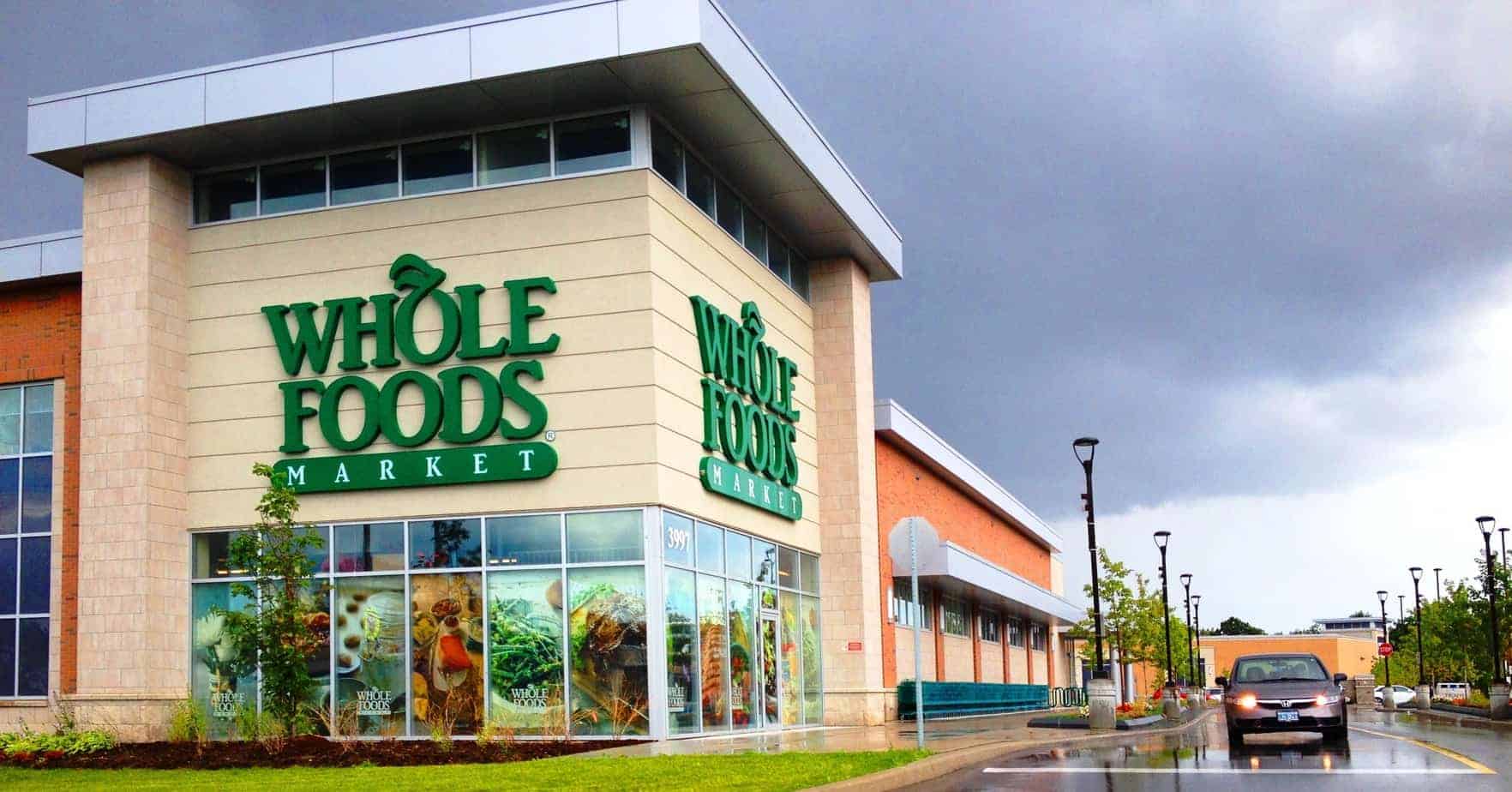
Walmart has a clear advantage in terms of its large network of stores around the country; as the company continues to expand its e-commerce offerings, customers can pick up their orders at a store near their homes, schools or jobs. This added convenience is something that Amazon had considered when it evaluated the acquisition of gourmet supermarket chain Whole Foods earlier this year.
The Arkansas-based company has also announced that it is working with Google and its smart home automation division to develop voice apps for the Google Home smart speaker. The search engine giant has been slow to catch up to Amazon, the current leader of the smart speaker segment. While Google was more concerned about making its Home speaker a control center for smart appliances, Amazon expanded the online shopping functionality of its Echo speaker. Now that owners of Google Home devices are able to order Walmart items with by means of voice commands, the e-commerce world is going to get more interesting and competitive.



 In recent weeks, tech giant Apple has unveiled some very interesting expansion plans for its Apple Stores, which have been crucial for the company’s massive success since 2010. Apple wants to offer more than just gadgets and repairs at its stores; the company plans to hold town hall meetings, give programming classes and even partner with café brands, perhaps Starbucks. Apple’s new location will have a large aesthetically pleasing courtyard with trees that shade you from the interior lighting. The goal is to become a location where people want to gather. The products and services will be viewed a secondary reason for being there.



 Well, it depends on how you look at it. The banks are saying it’s an incentive to switch over to EMV because EMV is safer for both the merchant and the customer. Others see it as a money grab – just another fee that merchant services providers can charge for.

 Bitcoin and its brethren have a few things going for them when it comes to popularity with the under-36 crowd. First of all, it’s new, techie, and the latest shiny object. This generation, the first to spend their lives in an internet and smartphone world, automatically love it. Digital currency is only nine years old as an industry, but the past few years have seen the potential for incredible returns the like of which we haven’t seen since the dot-com boom and bust of the late 1990’s.
 In an attempt to further secure their