Host Merchant Services – Credit Card Processing and Point of Sale for Small Business


Cash and checks are becoming increasingly unpopular among most customers, whereas online payments and credit and debit card payments are growing in popularity. Hence, every merchant who wishes to accept online payments must have a merchant account. A merchant account can help your business take advantage of these opportunities and bring value to your organization in various ways. So, what is merchant account underwriting, and what does it have to do with merchant accounts?
Obtaining a merchant account, however, is not easy for every company. Before creating one, merchant acquirers and payment processors meticulously examine a company to guarantee that its financial operations are running smoothly. This method is known as merchant account underwriting.
This article will walk you through what merchant account underwriting is and how it works.
What is Merchant Account Underwriting?
As previously stated, merchant account underwriting is a risk-assessment method whereby a payment processor or acquirer determines whether the merchant can conduct business operations safely and effectively.
The underwriting process aids the underwriter in determining if the merchant is financially responsible and estimating the merchant’s liability to operate under the law and financial regulations.
For a first-time applicant, the thoroughness of the underwriting procedure can be perplexing. Not many small and medium-sized business owners (SMBs) are acquainted with payments industry terminology, and several SMBs may be unaware of the requirements they must achieve to make a good first impression. Thus, working with a professional processing partner will give you confidence in navigating the underwriting process.
How does Merchant Underwriting Function?
Merchant underwriting involves evaluating a business’s details to determine if it meets specific standards. It’s an approval process necessary for companies to accept customer payments. Various factors about your business are examined during merchant underwriting, including past performance, financial statements, chargeback rates, operational history, and credit history.
The duration of the merchant underwriting process varies depending on your business’s complexity and the information provided. Typically, it can take about a week to complete. However, some financial service providers can expedite the process if you provide all necessary information upfront. Occasionally, the process may extend if additional details are required or further review is needed. This underscores the importance of preparing and furnishing comprehensive information about your business.
After reviewing your business’s details, the merchant underwriter will decide whether you are eligible for payment processing. If your application is approved, you’ll be granted a merchant account, enabling you to accept customer payments.
Gathering all necessary financial documents and evaluation information beforehand is crucial to prepare your business for merchant underwriting. Additionally, having a solid track record of customer satisfaction, minimal chargebacks, and a stable operational history is essential. Taking these steps proactively will help ensure a smooth and prompt process.
What Are the Processes For Merchant Account Underwriting?

For many businesses, the merchant underwriting process is rather quick. The underwriter swiftly evaluates them, and their merchant account opens within a few hours. However, this process takes longer for firms that require high-risk payment processing.
If an underwriting organization deems a merchant high-risk, the company must open a high-risk merchant account. Consequently, the underwriter must determine the following during the process of opening the account:
- The Business Type
The underwriter determines what type of business the merchant wishes to operate. Some sectors and specializations are inherently riskier than others, so underwriters scrutinize specific business types more thoroughly.
Businesses rated high-risk must prove that they are financially stable to conduct business activities in their industry. Therefore, keeping a separate account for business expenses and finances shows you’re serious about your venture. It lessens your liability in submitting financial reports, including personal or other business expenses. Prevent low or overdrawn balances to avoid increasing your risk level. Bank statements that show a positive balance in your business account will help you rank higher with underwriters.
- Years of Entrepreneurial Experience
Being in business for a long period indicates to banks, merchant acquirers, and payment processors that you are a competent and reputable entrepreneur. Since they have more expertise and assets, such merchants are more likely to have developed a consistent cash flow and to respond better to chargeback requests.
- Financial Track Record
The underwriter will want a financial statement from your bank and other official documentation proving your financial capability. By doing so, the underwriter can see from a merchant’s financial track record that they process their accounts payable promptly and securely. This is also why you need a good credit score, but we’ll discuss that later.
- Previous Chargebacks Records
Everyone knows that when a customer is dissatisfied with a product or service, they request a refund or chargeback. Chargebacks are particularly concerning to the underwriter since they involve a formal legal procedure between the customer, the merchant, and the merchant acquirer. Documentation that matches your company’s regular transaction flow over the last couple of years will show underwriters how you handle chargebacks, the reversal of money to the customer after they have been paid to the merchant, and the procedures you follow to minimize fraud.
A company with a high chargeback rate is deemed high-risk. If the underwriter determines that the company is likely to suffer excessive chargebacks, they will refuse to approve the merchant account application. Furthermore, obtaining a new merchant account is far more difficult if you previously had one that was closed due to chargebacks or payment fraud.
- Credit Score
The credit score of a merchant is a numerical representation between 300 to 850 (personal) and 0-100 (business) that reflects the financial reliability and capacity of the company and its managing directors or founders to meet all financial obligations on time. It is an important factor that is considered by financial institutions when deciding whether to approve a merchant account or not.
A credit score of 670 to 739 for personal score and above 80 for business credit score reflects a strong financial history, indicating the merchant is more likely to repay debts and loans on time. On the other hand, a poor credit score implies that the merchant is at a higher risk of defaulting on their financial obligations, which makes them less likely to qualify for a merchant account.
- Payment Method
An underwriter must understand the payment types that the merchant wishes to use. If they do not support all of the payment types the merchant intends to accept, they may reject the merchant account application.
- Sales/Transactions Volume
A high volume of sales or transactions poses the risk of excessive chargebacks. As a result, merchant acquirers and payment processors typically encourage small businesses to begin with lower volumes. The volume may increase as they become more acquainted with business operations. Larger companies with high sales volumes typically obtain a merchant account without difficulty since they have a demonstrated track record of successfully managing their finances and addressing chargebacks.
- Billing Policy
Is your company billing in advance or after the product or service is rendered? In the opinion of the underwriter, companies that bill far in advance are more likely to face a chargeback since circumstances can change. The merchant’s billing policy assists the underwriter in determining any cash flow risk. This is why credit card associations consider billing methods such as upfront and recurring payments high-risk. If a merchant intends to accept such payments, he or she is more likely to be assigned a high-risk category.
- Special Considerations
Even pending applications can sometimes be approved with special arrangements:
a) Upfront Reserves: The processor may hold a predetermined amount of money upfront in the merchant account’s early stages to mitigate risk.
b) Holds: The processor may hold a percentage of processed funds until a history is established with the merchant.
c) Daily Processing Fee Withdrawal: While processors typically debit fees monthly, they may withdraw fees more frequently from new accounts to ensure timely receipt of funds.
Step-by-Step Process of Merchant Underwriting
Here’s an overview of what to expect during the merchant account underwriting process:
Step 1: Gathering Documents
Collect all necessary documents and submit your merchant account application to the payment processor. Ensure you provide all documents in the formats requested by the processor.
Step 2: Application Review
The payment processor’s underwriting team will review your application. Reviewing your application will depend on your specific business situation, ranging from a few business days to a few weeks.
Step 3: Following-Up
The underwriting team may request additional information if needed, potentially requesting more documentation at this stage.
Step 4: Application Approval
Upon completing their review, the underwriting team approves your application. In some cases, processors may approve high-risk merchants with certain conditions, such as holding funds for a period to reduce chargeback risks.
Step 5: Onboarding
The onboarding and undertaking process kicks off after your application is approved.
Consequences of Poor Merchant Underwriting
Setting incorrect limits for your business can have adverse effects:
- Wrong Processing Limit: Establishing limits matching your business’s needs is essential. Limits that are either too high or too low can pose risks. Setting limits lower than necessary can impede regular transaction processing, potentially leading to cash flow constraints or delayed customer payments. Conversely, excessively high limits may result in unexpected fraudulent charges.
- Intransparency in Fees: Some providers may impose additional fees if your transaction volume exceeds the set limit. However, even if you’ve set a limit, certain providers may allow it to be exceeded without notifying you, leading to penalties.
- Withheld Funds: Providers may withhold funds when they fail to evaluate risk accurately during the underwriting process. This means that the funds from your transactions may not be released to you promptly, causing disruptions to your cash flow and potentially affecting your ability to meet financial obligations such as paying suppliers or employees. This can significantly impact your business operations and lead to customer dissatisfaction if orders cannot be fulfilled promptly.
- Transaction Downgrades: Once your high-risk merchant account is established, you may encounter transaction downgrades if certain essential features and security measures are not properly implemented. These downgrades can result in increased processing fees or penalties imposed by payment processors, ultimately affecting your bottom line.
- Required Reserve: Providers may request a reserve, necessitating the holding of a specific amount of money to mitigate potential risks. This reserve acts as a safeguard, ensuring that funds are available to cover any unexpected liabilities or losses. It can lead to a part of your capital being tied up, affecting smoother operations in the long run.
- Terminated Processing Relationship: In cases where a provider deems the risk associated with your business to be too high or incompatible with their risk tolerance levels, they may choose to terminate the processing relationship. This decision can have significant ramifications, including disruptions to your ability to accept payments and fulfill orders, as well as potential damage to your reputation. It is essential to address the underlying reasons for the termination and take corrective actions to mitigate future risks.
Requirements for Merchant Account Underwriting Application
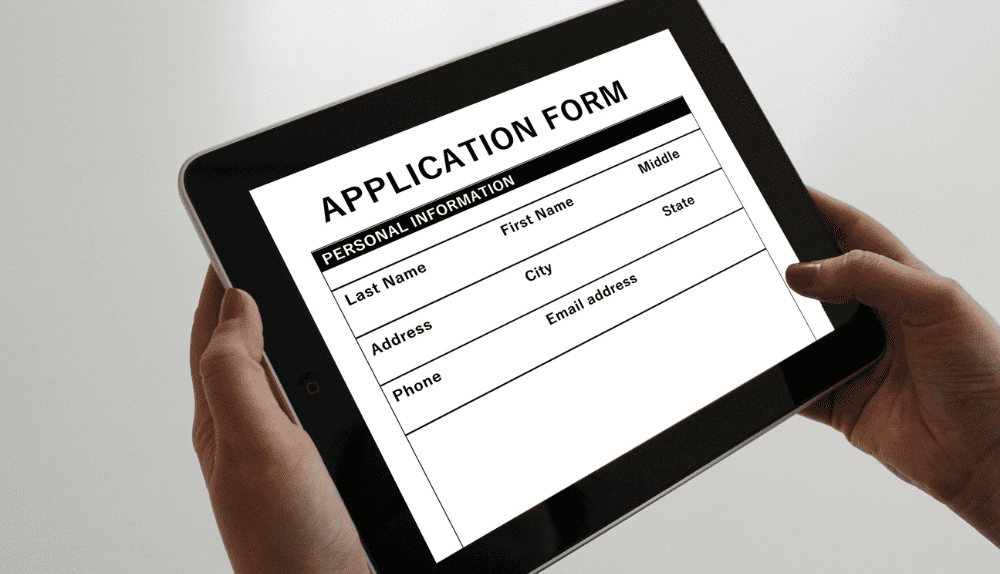
Underwriters often request the following paperwork from merchant account applicants:
Mandatory
- Two different means of identification (e.g., business license, driver’s license, ID card)
- A copy of a voided check containing pertinent company information such as account name, account number, routing number, and a recent credit card processing statement.
Non-mandatory
- Recent tax returns
- Financial statements for a specific timeframe
- Recent bank statements
- Information about the type of business.
The documents necessary for merchant underwriting may vary depending on your business type and the payment processor you use. However, in general, we have tried to explain different requirement types.
- Financial Documentation:
Under financial documents, you may need to submit bank statements, which provide insights into your business’s financial health and cash flow, income statements detailing your revenue and expenses over a specific period, and balance sheets, offering a snapshot of your business’s assets, liabilities, and equity at a given time.
- Tax Returns:
Previous years’ tax returns help assess your business’s financial stability and compliance with tax obligations.
- Personal Documents:
Proof of address, such as lease agreements or utility bills, to verify your business’s location. Driver’s license or photo ID, serving as personal identification for the business owner or authorized representatives.
- Business Permits or Licenses:
Documentation proving your business is legally registered with the state, such as business licenses or permits specific to your industry or jurisdiction. These documents demonstrate your business’s legitimacy and compliance with regulatory requirements.
- Business Plan:
A comprehensive business plan outlining your company’s objectives, strategies, and financial projections. Other relevant business documents that showcase your business’s stability and achievements, such as annual reports or performance reviews.
- Additional Documents:
Your payment processor may request supplementary documents like invoices or contracts to provide further insight into your business’s operational history and client relationships. These documents help demonstrate your business’s credibility and track record, supporting the underwriting process.
Tips to Ensure a Smooth Underwriting Process
To ensure a smooth and efficient underwriting process, merchants must focus on the following areas:
- Ensure Accuracy in Documentation and Information:
Preparing and compiling all necessary documentation well ahead of time is vital. Doing so minimizes the need for back-and-forth communication with the underwriting team. When describing your products and services, aim for clarity and detail. This effort can significantly streamline the review process, making it quicker and more efficient.
- Be Transparent:
Being open and honest about your business’s financial background is key. This includes sharing information about previous merchant accounts, bankruptcies, liens, or judgments. Transparency builds trust and facilitates a smoother underwriting process by clearly showing your business’s financial health.
- Communicate Expected Transaction Volumes:
Providing an estimate of the payment volumes you anticipate processing is beneficial. This information lets the processor set up the appropriate transaction lines for your business. Being upfront about these figures ensures that your payment processing capabilities align with your business needs, optimizing operational efficiency.
- Maintain a Positive Credit Rating:
It’s important to keep your credit in good standing. If there are any late payments or liens on your record, addressing these issues can significantly enhance your merchant credit rating. This proactive approach demonstrates financial responsibility and helps streamline the underwriting procedure.
Conclusion
Understanding merchant account underwriting is vital for businesses seeking to accept online payments. This risk-assessment process is essential for payment processors and acquirers to ensure merchants can conduct transactions safely and effectively.
Every business applying for a merchant account must undergo the merchant underwriting process. Merchant account underwriting is tough, yet it is more relaxed than it appears. Many businesses are accepted quickly, while others can generally find a method to gradually prove themselves to the processors. Partnering with a professional processing provider can offer valuable guidance and support. But in the end, it all boils down to your documents. The better your financial and company history, the more likely you will be approved for a merchant account.
Ultimately, obtaining a merchant account through successful underwriting enables businesses to accept customer payments securely, opening doors to increased revenue opportunities and growth in today’s digital economy.
Even though you are a high-risk merchant, you must follow the underwriter’s guidelines to keep your business running.
Frequently Asked Questions
What exactly is a merchant account?
A merchant account is a special kind of bank account set up for businesses to allow them to receive and send payments, including the ability to handle payments made through credit cards or other electronic means.
What does underwriting mean in the context of payment processing?
Underwriting in the world of payment processing involves a detailed evaluation of potential clients to ensure they follow specific rules set by brands, government entities, and banks. This protects people from businesses that might want to commit fraud or engage in illegal activities through different payment methods like debit or credit card.
What should you expect when applying for a merchant account?
If you’re getting ready to apply for a merchant account, especially if your business is considered high-risk, prepare to share details about your business. Make sure all the required information is complete on your application. You should also expect back-and-forth communication with the processor, like emails or phone calls. This helps them better understand your business.
What is a high-risk merchant account?
A high-risk merchant account is a banking service provided to businesses deemed as high-risk due to their greater chances of facing fraud, chargebacks, or other types of financial risks. These accounts often come with a more extensive application process and higher costs for processing payments.