Host Merchant Services – Credit Card Processing and Point of Sale for Small Business


E-commerce in 2025 is moving faster than ever; shoppers expect instant payments, same-day shipping, personalized experiences, and airtight security. To stay competitive, online merchants need more than a beautiful storefront; they must master emerging technology, smarter operations, and ever-changing regulations.
The following eight strategies for online merchants outline practical, forward-looking steps to help your store thrive, from embracing new payment methods to automating key processes and staying compliant with evolving laws.
8 Practical Strategies For Online Merchants
1. Embrace New Payment Methods
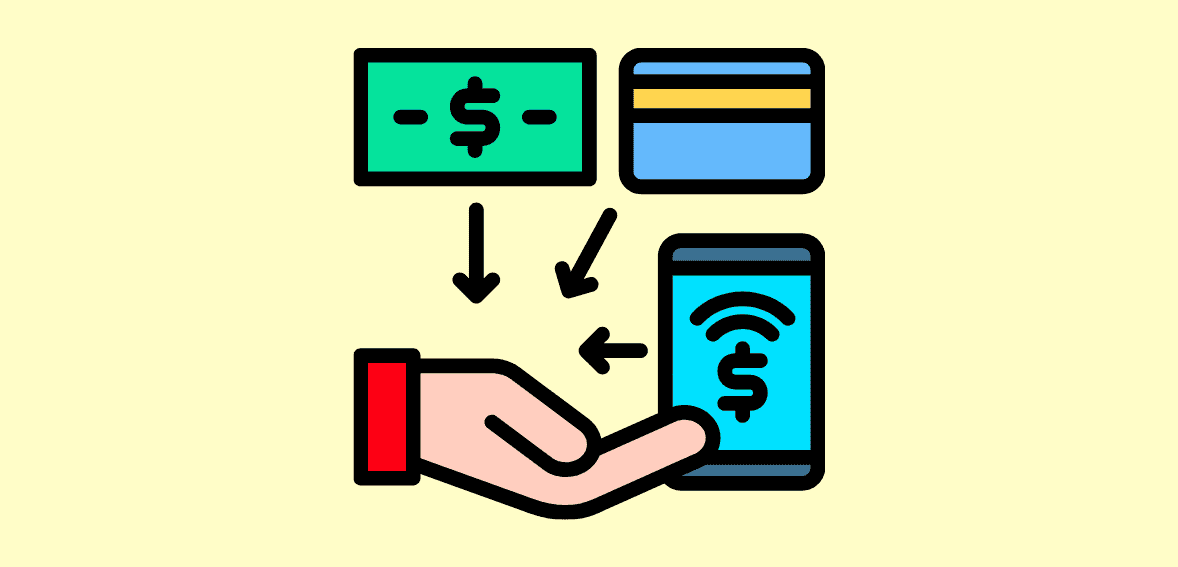
Customers in 2025 expect more than just cards. Digital wallets (like Apple Pay, Google Pay) have become ubiquitous; over half the world’s shoppers used a wallet in 2024, and transactions via wallets are projected to reach ~$25 trillion by 2027. Adding one-click mobile payments or in-app wallets at checkout can increase speed and conversion. Buy-Now-Pay-Later (BNPL) options (installment plans) are also mainstream. BNPL usage is booming – projected to exceed $560 billion globally by 2025 – so consider partnering with a reputable BNPL provider (with clear terms) to increase average order value.
Emerging real-time payments are another trend. U.S. systems like FedNow enable instant bank-to-bank transfers 24/7, speeding up cash flow for sellers. Offering an account-to-account (A2A) pay-by-bank option can mean immediate settlement and lower fees. Walmart, for example, plans to let customers pay directly from their bank accounts starting in 2025 – bypassing card networks and saving on interchange fees. In general, adding a “pay-by-bank” option (using a bank app or transfer) can be a cost-efficient and secure alternative to cards.
You must provide multiple payment options – mobile wallets, one-click “stored credential” payments, BNPL plans, and even direct bank transfers. Stay aware of local payment trends (e.g., real-time rails, open banking). Partner with providers that support instant A2A transfers to keep cash flowing into your account immediately.
2. Use AI for Customer Service
AI-driven support tools can handle routine questions and order tasks, freeing your team to focus on more complex issues. Deploy AI chatbots or virtual agents on your website and messaging channels to instantly answer FAQs (such as order status, tracking, and returns policy) 24/7. These bots reduce wait times and abandoned carts by resolving simple issues (like applying a discount code or checking shipping status) without human help. For more challenging cases, use “agent-assist” AI: tools that surface the customer’s order history, suggest actions, or auto-fill returns when an agent is responding.
An AI assistant can recognize a return query, retrieve the original order and pre-approved refund options, and prompt the agent in real-time. That means faster, more accurate responses and happier customers.
Beyond chat, use AI to analyze customer data from support interactions. Natural language processing can spot trending complaints or sentiment in emails, conversations, and social media. This allows you to resolve recurring issues (e.g., improving a product description if many customers ask the same question). Over time, AI insights can help you personalize support (offering proactive help or relevant product suggestions) and prevent churn.
You should implement a 24/7 AI chatbot for common queries (order tracking, returns, etc.). Integrate AI “copilots” for human agents to speed up answers. Set up an AI-driven knowledge base to deflect routine tickets (some brands report deflecting 40-70% of inquiries this way). Finally, use AI analytics to mine support data – spot issues early, predict churn, and personalize follow-ups. Scaling AI can boost support team productivity 30-50%.
3. Prevent Fraud and Chargebacks

Fraud continues to evolve, but so do the tools to fight it. Leverage machine-learning fraud detection: modern systems analyze transaction patterns (device info, location, buying habits) to flag anomalies in real time. For example, AI can learn that a customer usually ships to one city; a sudden order to a distant address might get flagged for review. Connect your system to shared fraud networks or databases (many providers aggregate data across merchants) to catch bad actors faster.
Always require address and card verification: use an Address Verification Service (AVS) to match the billing address to the card issuer’s records, and require the CVV/CVC code on the card. Mismatches (e.g., billing “123 Main St.” vs. shipping a PO Box) should trigger manual review. For high-risk orders (such as those from first-time customers, large orders, or suspicious patterns), use step-up authentication – e.g., send a one-time passcode to the customer’s phone or email before finalizing the payment.
Proactively manage chargebacks by automating where possible. Streamline your dispute process with a system or third-party service that efficiently collects evidence and files rebuttals. This not only cuts losses but also protects your processor relationship. Organizations should maintain clear policies (return, refund, shipping) and make them easily accessible to customers, thereby reducing misunderstandings related to “friendly fraud.” Train your support team to identify red flags (e.g., multiple small declined charges, numerous returns from a single account). If you see a spike in fraud or chargebacks, adjust your tools or policies immediately.
Use AI-based fraud prevention to score and block suspicious transactions. Always enable AVS and require CVV for every card payment. Consider requiring 3-D Secure (cardholder authentication) for orders exceeding a certain threshold or those with unusual characteristics. Keep your fraud filters up to date and review alerts on a daily basis. Work with a fraud-specialized payment provider if possible; they often include real-time fraud scoring networks. Finally, clearly outline chargeback rights and returns at checkout and in confirmation emails to reduce disputes. Studies show that merchants who automate and outsource dispute handling experience faster resolutions and fewer chargeback losses.
4. Optimize for Mobile and Cross-Device

Mobile is not optional – it’s the dominant shopping channel. Today, over 60% of overall web traffic and more than 70% of e-commerce traffic comes from smartphones or tablets. This means your store must be truly mobile-friendly. Use a responsive design so your site looks good and functions well on any screen. Speed is critical: large images and scripts should load quickly or be lazy-loaded, and touch elements (buttons, menus) must be large enough to tap easily. Test your checkout on mobile: do carts save progress? Is form entry easy on touch (consider auto-fill and minimized fields)?
Cross-device continuity is also key. Many shoppers begin on one device and complete their purchase on another. Support this by encouraging user logins or creating shopping lists/wishlists tied to accounts. Send personalized email or app notifications that allow customers to continue where they left off.
If someone adds items on their phone and then abandons, email them a reminder (with a link that remembers the cart), which they might open on a desktop. Utilize marketing tools that track the same user across devices (via login or first-party cookies) to ensure product recommendations and advertising remain relevant, regardless of how users switch screens.
Ensure your checkout is streamlined for mobile (optimized forms and digital wallet buttons) and that your site passes Google’s Core Web Vitals to achieve fast mobile load times. Provide a “save for later” or account login so carts persist across devices. Utilize browser or app push messages/sms to reconnect with customers on any device. Regularly test user flows on smartphones and tablets to identify and resolve usability issues.
Remember: frustrated mobile users will go to a competitor if it’s easier to shop there.
5. Fast, Flexible Shipping
Speed and transparency in shipping can set a store apart. Customers now often expect next-day or same-day delivery as a baseline. In 2024, Amazon alone fulfilled 1.8 billion same-day/next-day deliveries to U.S. Prime members (4× its 2019 volume). Studies show ~60% of consumers are willing to pay extra for next-day delivery. To meet this expectation, consider stocking inventory in or near major markets. Setting up regional fulfillment centers or micro-warehouses (even third-party logistics partners) can cut transit miles 15% or more and reduce delivery time by up to 70%. If same-day isn’t feasible for all orders, clearly offer it as an opt-in premium at checkout (with a fee) for local customers. Even basic two-day shipping should be the standard; any longer or unpredictable delays will lead to cart abandonment.
Cost is also a factor. Utilize multi-carrier shipping solutions to compare rates automatically: data shows that 78% of shippers still use only one carrier, but multi-carrier shipping software can access the lowest rates from multiple carriers. In practice, integrate a shipping API (or a platform that connects to all major carriers) to display real-time shipping quotes to customers, print labels, and track packages from a single dashboard. This helps you negotiate better rates and avoids being locked into a single expensive carrier.
Key actions: Offer clear delivery speed options (ground, 2-day, overnight) at checkout, with accurate cut-off times. If possible, partner with local couriers or fulfillment hubs to enable same-day. Utilize a shipping management tool or API to manage multiple carriers – this reduces costs and ensures reliability. Always send automated tracking updates and clear return instructions; transparency (real-time tracking) reduces support calls and builds trust. Consider outsourcing fulfillment (3PL) for scalability: U.S. retailers are increasingly using 3PLs to save ~7–9% vs. in-house warehousing.
6. Personalize – Respectfully

Personalization can boost sales, but only if done with consent. Utilize first-party data (customer profiles, purchase history, and on-site behavior) to tailor personalized offers. For example, send email product recommendations based on past orders or browsing history, and display related items when customers view a product. But always give customers control of their data. Clearly explain your privacy policy and get opt-in permission for marketing messages or data collection (loyalty program sign-ups and email subscriptions are natural opt-in points).
Many consumers value rewards in exchange for their data – one survey found that about 31% will share personal information for cash rewards, and 22% for loyalty points. So, build a value exchange: offer discounts or points when customers agree to receive personalized emails or sign up for an account.
Transparency is crucial. Make it obvious how you use data (e.g. “We use your browsing history to show similar products”). Nearly half of shoppers will only accept personalization if they trust their data is secure. Provide easy ways to opt out of targeted marketing. Avoid tracking customers with opaque methods (no hidden cookies or selling data). Use privacy-friendly techniques, like on-site context (showing what similar customers bought) instead of invasive profiling.
Focus on consent-based personalization. Leverage first-party insights (collected via forms, accounts, or onsite behavior) and clearly label personalized suggestions (e.g. “Recommended for you”). Implement a robust cookie consent banner and privacy policy. Honor “Do Not Track” and data deletion requests promptly. Therefore, use data only from customers who have opted in (for instance, loyalty members or email subscribers) and give them control over their preferences. Tailor communications (like cart reminders or restock alerts) using known info (past orders, location) rather than guessing.
7. Automate Operations
Streamline back-end tasks with automation, allowing you to accomplish more with less effort. Use an order management or inventory system that automatically synchronizes stock across channels (website, marketplaces, POS). That way, a sale on one channel immediately updates inventory everywhere, preventing oversells. Set reorder alerts: once the stock of an item hits a preset level, the system can either alert you or even automatically create a purchase order to a supplier. This prevents stockouts without manual tracking.
Automate returns and refunds as well. Provide a self-service returns portal that allows customers to generate return labels and track the status of their returns without needing to contact support. You can set rules so that approved returns (like unworn clothing within 30 days) issue automatic refunds once the tracking shows delivery. This reduces processing time and avoids customer frustration.
Don’t forget customer communications. Use tools to auto-send order confirmations, shipment notifications, and delivery updates by email or SMS. Pre-schedule follow-ups, such as “How did we do?” surveys or replenishment reminders for consumables. This keeps customers informed and reduces the number of inbound inquiries. Internally, create canned email templates and use chatbots for common queries (which also ties back to the AI service). Even simple workflow automations – like tagging VIP customers in your CRM or segmenting buyers by purchase frequency – can make marketing and support more efficient.
Audit repetitive tasks in your workflow and look for software that can automate them—examples: a returns management app, an inventory sync plugin, or a CRM that triggers emails. Many platforms (Shopify, WooCommerce, etc.) offer apps or integrations for these. Start small: automate one thing (e.g. email receipts) and expand. Over time, the time saved can be reinvested into growing the business.
8. Stay Ahead of Rules and Regulations
New rules are constantly emerging for online merchants. Sales tax: Since the Wayfair decision, every state can require remote sellers to collect tax once certain thresholds are met. In 2024, several states eliminated the “200 transactions” rule for nexus (so even high-volume, low-value sellers may hit their sales-only threshold). For example, Iowa, South Dakota, Louisiana, Maine, and Wisconsin removed their transaction-count test. This means if you sell a lot of small items, you may owe tax in those states even if you make under $100k gross.
Also be aware of new local delivery fees: Colorado and New York City now impose small “retail delivery” fees on orders, which some systems still struggle to add at checkout. As of 2025, track each state’s nexus rules and register as necessary – utilize automated tax tools whenever possible. Remember that most major marketplaces now handle tax collection (marketplace facilitator laws), but if you sell directly, you’re responsible for remitting correctly.
- Privacy laws:
A wave of state laws makes data protection a moving target. By 2025, at least 16 U.S. states are expected to have passed comprehensive privacy laws, with over ten more pending. In 2024 alone, Florida, Texas, Oregon, and Montana enacted new privacy laws, and in 2025, states like Delaware, Iowa, New Jersey, and others are expected to follow suit. These laws grant consumers rights (access, deletion, and opt-out of data sales/profile) and require clear disclosures.
To comply, update your privacy policy and cookie banner to reflect these rights. Even if you’re based in one state, you must honor requests (e.g. data access or deletion) from customers in any state with such laws. It’s wise to review your data practices: ensure you have opt-in consent for marketing, implement a process to handle user privacy requests promptly, and secure customer data in accordance with these regulations.
- Payment and security compliance:
Keep your payment processes secure. The PCI DSS security standard for card data was updated to version 4.0, which will be fully enforceable by March 2025. This means you should use strong multi-factor authentication for any system that handles cardholder data, along with detailed logging of all access.
Non-compliance can incur hefty fines (thousands per month) and increased risk of breaches (the average breach now costs ~$9.5 million). Finally, be aware of Anti–Money Laundering (AML) and Know-Your-Customer (KYC) rules if you take large payments, gift cards, or any alternative payments: even if you aren’t a bank, your processor may require identity verification for suspicious transactions.
Regularly review sales tax rules for each state you sell into. Automate tax calculations and filings where possible. Update legal pages (privacy policy, terms) when laws change. Conduct an annual compliance audit to ensure PCI certifications are up-to-date, run security scans, and confirm that any consumer data collection follows the latest state privacy requirements. When in doubt, consult a tax or compliance professional – it’s cheaper than fines or forced audits.
Conclusion
The digital marketplace never stands still, and neither can today’s merchants. By adopting flexible payments, AI-driven service, rigorous fraud protection, mobile-first design, fast shipping, privacy-minded personalization, automation, and strong compliance practices, you’ll build a business that not only meets 2025’s expectations but is ready for what comes next. Treat these tips as an ongoing checklist, and you’ll be equipped to convert more customers, protect your bottom line, and scale confidently in the years ahead.
Frequently Asked Questions
What’s the most significant payment trend to watch in 2025?
Digital wallets and pay-by-bank options are surging in popularity. Offering Apple Pay, Google Pay, Buy-Now-Pay-Later, and instant bank transfers gives customers speed and flexibility—and can lower your processing costs.
How can small merchants use AI without huge budgets?
Start with affordable AI chatbots or help-desk add-ons that answer common questions 24/7. Many platforms offer plug-and-play AI tools that scale with your business as it grows.
What’s the simplest way to reduce chargebacks?
Be proactive: require AVS/CVV checks, show clear return and refund policies at checkout, and automate evidence collection for disputes. These steps prevent most “friendly fraud.”
Do I really need same-day or next-day delivery?
Not for every product, but customers increasingly expect it as an option. Even offering a paid express tier or using local fulfillment partners can keep you competitive.
How can I stay up-to-date with changing privacy and tax laws?
Use automated tax tools and privacy compliance apps, review policies annually, and subscribe to legal or industry updates. A short consultation with a tax or privacy expert can prevent costly fines.