Host Merchant Services – Credit Card Processing and Point of Sale for Small Business

Personal loans remain a vital tool for financing significant expenses (like vehicles or appliances) or consolidating high-interest debt. But borrowers with bad credit – generally a FICO score below about 580 – have fewer options. Many mainstream banks automatically reject low-score applicants, or approve loans only at steep rates.
Getting any bad credit loans means paying higher fees and much higher APR: you’ll expect to pay a relatively high interest rate and costs, if approved. That said, specialized lenders do exist who will consider applicants with poor credit, often requiring collateral or co-signers. The key is comparing options: prequalifying for quotes does not hurt your credit and helps you see costs upfront.
The Issue with Bad Credit
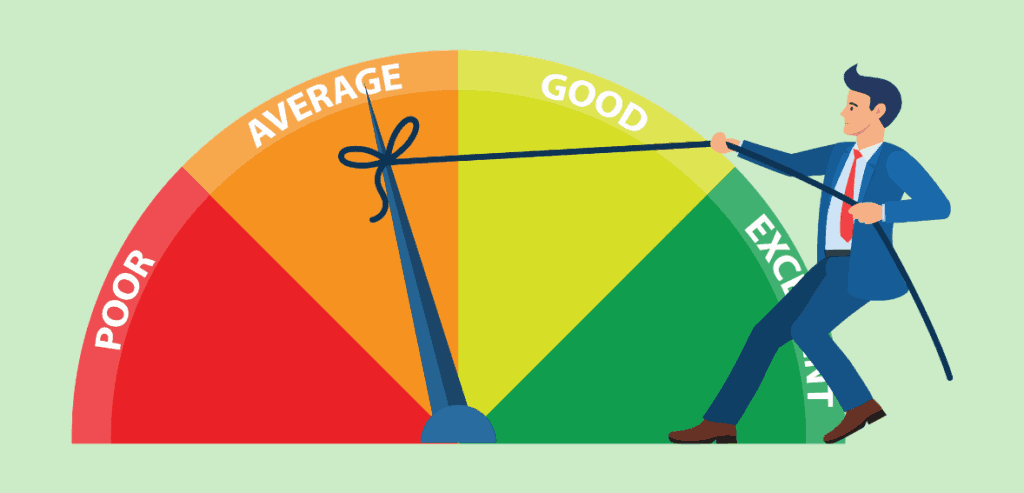
A “bad credit” rating tells lenders you’ve had trouble in the past – for example, missed payments or high balances. By most definitions, it means a FICO score under 580. In this range, many traditional lenders won’t approve a loan unless you add security (like collateral) or a co-signer.
Even if you qualify, the terms are punitive: Annual Percentage Rates (APRs) can be extremely high. For instance, standard consumer advocates say anything above 36% APR is unaffordable. Closed loans for borrowers with scores in the “poor” range average roughly a 21–36% APR or more, meaning you pay far more interest over time. In short, bad credit usually leads to fewer lenders willing to lend and much higher borrowing costs.
Why Can’t You Get Approved for a Traditional Loan?
Lenders use credit scores (and increasingly, automated underwriting systems) to judge risk. Many have cutoffs below which they automatically reject applicants. Many lenders won’t extend a personal loan to someone with poor credit unless they bring in a creditworthy cosigner or collateral.
In practice, that means if your credit is under 580, a lender might say “no” right away. Even if a lender does approve you, the rate and fees will reflect the risk. Modern underwriting also looks at your income, debt-to-income (DTI) ratio, and employment history. If those don’t appear strong, a lender may decline the loan. In summary, bad credit acts as a “red flag,” causing many traditional lenders to refuse or penalize your application.
What are Bad Credit Loans?
“Bad credit loans” are simply personal loans aimed at borrowers with low credit scores or limited credit history. They typically come in two flavors:
- Unsecured personal loans: Most bad-credit loans are unsecured, meaning no collateral. (Instead, the lender relies on your promise to pay.) For higher-risk borrowers, these carry very high APRs – often the highest the lender will offer. For example, many online lenders quote APRs up to 35–36% for low-credit borrowers. In return, you can get a lump sum to use for almost anything (debt consolidation, bills, repairs, etc.).
- Secured or collateral loans: Some lenders will approve a loan if you offer security, like your car or home. These can have better rates. For instance, Best Egg allows using home fixtures or a vehicle to lower the APR for bad-credit borrowers. (But be very careful: title loans and secured car loans can be predatory.)
Other high-cost options exist – like payday loans or title loans – but these are generally discouraged. Payday loans, for example, last only two weeks and often carry an APR of nearly 400%. Title loans use your car as collateral and similarly impose very high interest.
Such products rarely report to credit bureaus (so they don’t build credit) and can trap borrowers in cycles of debt. In general, bad-credit personal loans are preferable to those payday-style alternatives, because even though the rates are high, they are usually far less extreme than payday lenders, and they report payments to credit agencies (so on-time payments can improve your score over time).
Getting a Loan with Bad Credit
Even with bad credit, you can find lenders willing to take a chance. Many online lenders, fintech companies, and some credit unions specialize in “second-chance” loans. These lenders will scrutinize your overall financial picture: steady income and a low DTI ratio are crucial. Some will also consider non-traditional factors. For example, Upstart uses an AI-based model that looks at your education and job history to qualify borrowers beyond just the FICO score.
Secured options: Offering collateral can also help. If you put up an asset (car title, savings account, certificate of deposit) as security, some lenders will approve loans that they wouldn’t approve unsecured. This usually yields a lower rate, but at the risk of losing the asset if you default. The key is to shop around and prequalify. Websites like Bankrate and LendingTree let you fill out one form and see estimated rates from multiple lenders without hurting your credit. This helps you compare offers — interest, fees, and terms — side-by-side and pick the best fit. Remember, always check the lender’s reputation and read the fine print before applying.
Co-signer options: A common strategy is to add a co-signer or co-borrower who has better credit. This gives the lender extra assurance. Many lenders (like Upgrade and LendingClub) allow a cosigner, which can dramatically improve your approval odds and lower your rate. If you opt for a cosigner, both applicants are equally responsible for the debt.
Should You Secure a Personal Loan for Bad Credit?
A personal loan can still make sense even if your credit is poor, depending on your situation. For example, in an emergency (urgent home repair, medical bill, car fix) you may have no choice but to seek funding. Similarly, consolidating high-interest debt with a personal loan can save money – provided the loan’s rate is lower than what you’re paying now. Personal loan rates (even for bad credit) tend to be well below credit card rates. So a personal loan is a better choice than a credit card when you don’t have good enough credit to qualify for a 0% APR card.
In mid-2025, credit card interest spiked, making installment loans even more attractive by comparison. However, be prepared to pay more overall. A higher APR can add thousands of dollars in interest over the life of the loan. You may also face upfront fees (origination or administration fees of 1–12% of the loan) and have less flexibility (strict repayment terms, no prepayment penalties waived, etc.).
Before taking any loan, calculate the total cost and ensure the payments fit your budget. If the loan is strictly for non-essential spending (luxury or discretionary), it might be wiser to hold off. But for essential needs or to escape other expensive debt, a bad-credit personal loan from a reputable lender can be a helpful tool.
Bad Credit Loans – Comparing Personal Loan Providers
When evaluating bad-credit loans, consider several factors:
Reputation: Research each lender’s customer service and reliability. Read third-party reviews on sites like Trustpilot or the Better Business Bureau. Be especially wary of any lender that asks for money before approval, or that guarantees approval without checking credit – these are red flags for scams. Stick to well-known online lenders, credit unions, or banks with transparent terms.
Prequalification: Look for lenders that let you check rates online without a hard credit pull. This allows you to compare personalized offers risk-free.
Interest Rates: Even among subprime lenders, APRs vary. As of 2025, top lenders advertise APRs of roughly 6–36% depending on credit. (The Annual Percentage Rate includes interest plus any fees.) Lower APR means a cheaper loan. Always confirm whether the quoted rate requires conditions (like automatic payments) or only applies to debt consolidation.
Collateral Requirements: Some lenders only approve bad-credit loans if you pledge collateral. If you’re willing to offer an asset (auto title, cash savings, etc.), you might get a significantly lower rate. If you don’t have collateral (or don’t want to risk it), ensure the lender offers unsecured loans.
Loan Amount & Terms: Check the loan range (how much you can borrow) and term (how long to repay). A longer term lowers monthly payments but increases total interest. Aim for the shortest term you can afford to minimize cost.
Fees: Beyond interest, lenders may charge origination (upfront), late payment, or prepayment fees. For example, Upgrade charges an origination fee (1.85%–9.99%), Upstart up to 12%, and some charge late fees (~$10–$25). Compare fee schedules and avoid deals with hidden or excessive fees.
Best Bad Credit Loan Products to Consider in 2025
Upgrade
Several lenders consistently stand out for borrowers with subprime credit. Below are a few to consider, along with typical loan details (updated for 2025):
1. Upgrade
Best overall for bad credit: Upgrade offers personal loans from $1,000 to $50,000, with APRs roughly 7.99%–35.99%. It allows co-borrowers to help with approval. Funds can go directly to you or your creditors (debt consolidation).
Upgrade’s origination fee runs ~1.85%–9.99%. A credit score of about 580 is typically required, and paying on time can even earn you a lower rate. Reviewers praise Upgrade’s fast funding and flexible terms.
2. Rocket Loans (by Quicken)
Rocket Loans offers loans $2,000–$45,000 (loan availability depends on credit). Terms are 36 or 60 months, and APRs range roughly 8.01%–29.99% (as low as ~8% with an autopay discount). They charge up to a 9% origination fee.
Significantly, Rocket advertises same-day funding if you complete the application by 4:00 pm ET on a business day. Borrowers in reviews note quick funding — often in one day. Rocket does not offer cosigners, so you must qualify on your own.
3. Upstart
Best for very low scores: Upstart is unique in accepting borrowers with virtually any credit history. It offers loans ranging from $1,000 to $50,000, with APRs from approximately 6.60% to 35.99%. Remarkably, the minimum credit score for some applicants can be as low as 300 (though you’ll need steady income and may have a high origination fee up to 12%).
Upstart’s model considers education and work history, so if you have a strong profile outside FICO, you might qualify. They offer just 36- and 60-month terms. (Upstart does not allow co-borrowers or cosigners.)
4. Avant
Best for lower-credit borrowers: Avant focuses on borrowers with fair or poor credit. It provides loans from $2,000 to $35,000, with APRs of 9.95%–35.99%. The minimum credit score is around 550. Avant charges an administration fee (up to 9.99%), which is partially refundable if you repay early. It offers quick funding (often next day) and 7-day customer support.
However, Avant’s interest rates and fees are on the high side, and it does not allow cosigners.
5. Best Egg
Best for secured options: Best Egg provides unsecured loans $2,000–$50,000, APR 6.99%–35.99% (with 0.99%–9.99% origination fee). A unique feature is that if you use collateral (like specific home improvements or a vehicle), Best Egg may offer a discounted rate. Borrowers with scores around 600 can qualify.
Best Egg loans are often funded quickly, and many bad-credit borrowers who qualified got their funds faster than average, as per their website.
Additionally, OneMain Financial is worth a mention: it’s a long-standing lender that approves many borrowers with bad credit, offering loans up to $20,000. (For example, OneMain loans from $1,500–$20,000, APRs 18%–35.99%, and typically same-day funding.)
OneMain loans are usually secured with your car or other personal property, so they carry high APRs but also high approval odds. Each of these providers has its pros and cons, so use prequalification tools to compare your actual rates before committing.
Best Loan Types for Bad Credit
Not all loan products are equal for borrowers with poor credit. Here are some that tend to work:
- Personal Installment Loans:
These are the most common options (what we’ve mostly discussed). They can be unsecured (no collateral, e.g., loans from Upstart or Upgrade) or secured by an asset.
Unsecured loans require a higher credit score or cosigner; secured ones may accept lower scores if collateral is pledged. Always prefer lenders that report to credit bureaus – making on-time payments can help rebuild your score.
- Guarantor Loans:
A guarantor loan is a personal loan that includes a third-party guarantor (usually a trusted friend or family member) who promises to repay if the borrower defaults. For example, someone with very low credit might take a loan jointly with a relative who has strong credit. This “built-in security” makes lenders more willing to approve the loan.
Note: The guarantor must have good credit and verifiable income, because they will be on the hook if you miss payments. Guarantor loans often have high APRs (reflecting the underlying borrower’s risk) but are easier to qualify for than standard bad-credit loans.
- Debt Consolidation Loans:
These are simply personal loans used to pay off multiple debts at once (credit cards, store cards, payday loans, etc.). They simplify payments and may lower your overall rate if done wisely. In 2025, with credit card rates rising, a personal consolidation loan can save substantial interest.
Just make sure the consolidation loan’s APR plus any fees is less than what you were paying on your debts. (If your credit is poor, finding a consolidation loan with a lower APR than high-rate cards might be challenging, so run the numbers carefully.)
- Credit-Builder Loans:
These are small loans (often $300–$1,000) where the amount you borrow is held in a savings account by the lender until you repay it, then released to you. They’re designed to build credit rather than to finance purchases.
If your goal is to strengthen your credit history rather than get cash now, a credit-builder loan might help. It won’t solve an immediate cash need (since you don’t get the money upfront), but successful repayment can improve your score for future loan applications.
- Loans to Avoid (if possible):
As mentioned, payday loans, title loans, and other no-credit-check cash advances can look attractive in a pinch, but they carry exorbitant costs. Payday loans have 2-week terms and APRs often near 400%.
Title loans use your car title as collateral – failure means losing your vehicle. Both should be avoided if at all possible. Credible warns that these loans rarely build credit and often lead to a cycle of debt. If you are desperate, first exhaust other options and only turn to such high-cost loans as a very last resort.
How to Apply for a Loan with Bad Credit
Applying for a bad-credit loan is much like applying for any personal loan, except you should be extra diligent. The process is usually online:
- Research and prequalify: Use comparison tools (Bankrate, LendingTree, Credible, etc.) to fill out one form and see multiple loan offers. Prequalification will show your estimated rate and loan amount without a hard credit inquiry.
- Gather documentation: Common requirements include government-issued ID (driver’s license, passport), Social Security number, proof of income (pay stubs, tax returns, or bank statements), and proof of address. If applying with a co-signer, their information will be needed too.
- Submit application: Complete the lender’s online application. Some lenders may require a soft pull for prequalification and a hard pull upon final application. Others (especially smaller or alternative lenders) might rely more on your income/Bank info.
- Review offers: If approved, the lender will present the loan terms (amount, APR, fees, term). Compare these carefully, including total cost and monthly payment. You may have only a short window to accept.
- Receive funds: Once you accept, the lender typically wires the money to your bank account or, in some cases, to your creditors (if it’s a consolidation loan). Many online lenders fund very quickly. For example, Rocket Loans advertises that borrowers who finalize their application by 4 pm ET can receive same-day funding. Others (like Upgrade or Upstart) often deliver funds in 1–2 business days after approval.
Throughout this process, keep an eye on any origination or application fees that will be deducted from your loan proceeds. And double-check your calculations: a loan with bad credit might be the best (or only) choice you have, but it’s also an expensive one. Make sure the necessity of the loan outweighs its cost.
Final Thoughts
Having a low credit score doesn’t completely shut the door on borrowing – it just makes borrowing more expensive and complicated. By mid-2025, many fintech lenders and even credit unions will have stepped up to serve applicants with subpar credit, often offering competitive rates compared to older payday-style loans.
Companies like Upgrade, Rocket Loans, Upstart, Avant, and Best Egg cater to this market, each offering a unique set of deals. The most important advice is to proceed with caution and have complete information. Always compare multiple lenders (look at interest, fees, and user reviews) and ensure any loan you take is genuinely affordable. A loan for bad credit is still a contract you’re obligated to repay; defaulting will further damage your credit and could cost you even more in fees.
In other words, do your homework. If you must borrow, choose the lender with the best terms, make timely payments, and use the experience to rebuild your credit for a better future.